

Nike Zoom Pegasus Sneaker
Looking for a reliable daily runner with more energy than your coffee? The Nike Zoom Pegasus combines responsive Zoom Air support with a light foam midsole for smooth transitions. The engineered mesh upper breathes and molds to your foot without flimsy compromises. The rubber outsole has a waffle-like grip that takes miles seriously. Flywire-like cables provide a locked-in fit for every sprint or city walk. Expect solid durability and a neutral setup that works for both running and casual wear. Scroll down to see the available colorways and sizes.
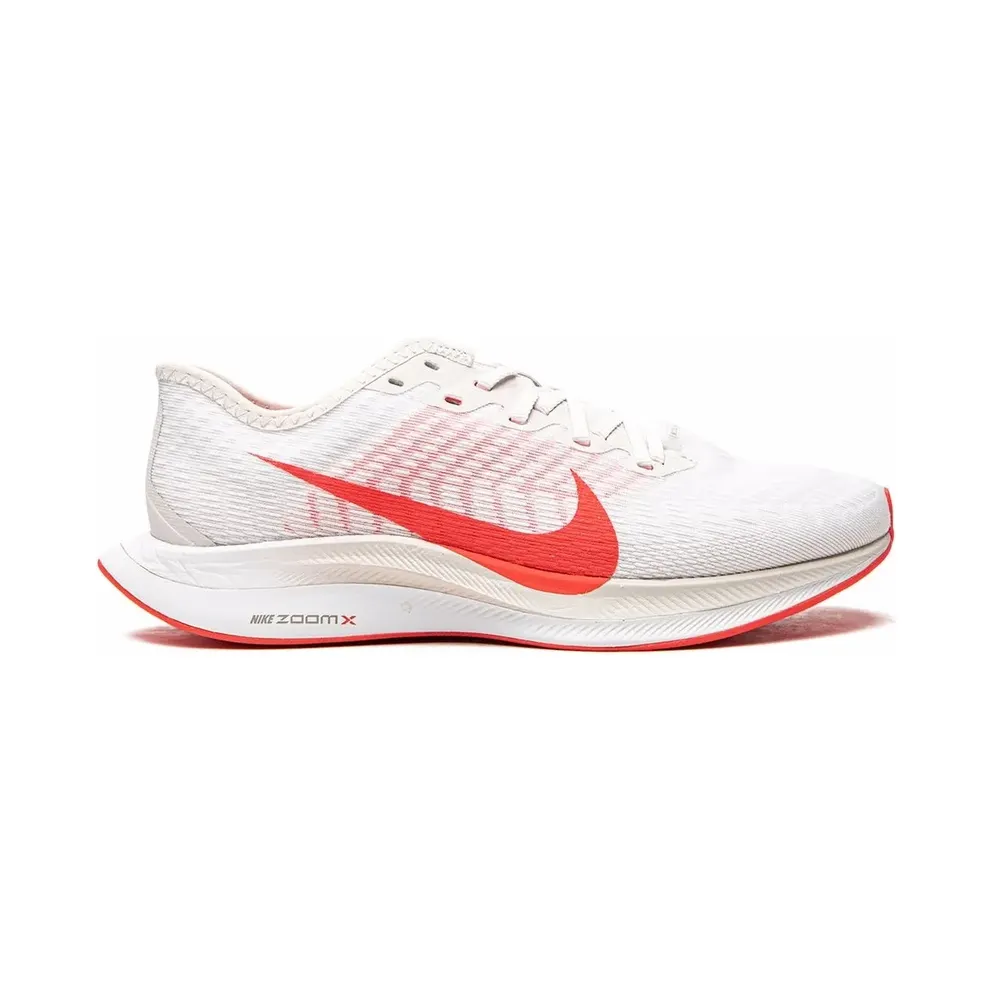
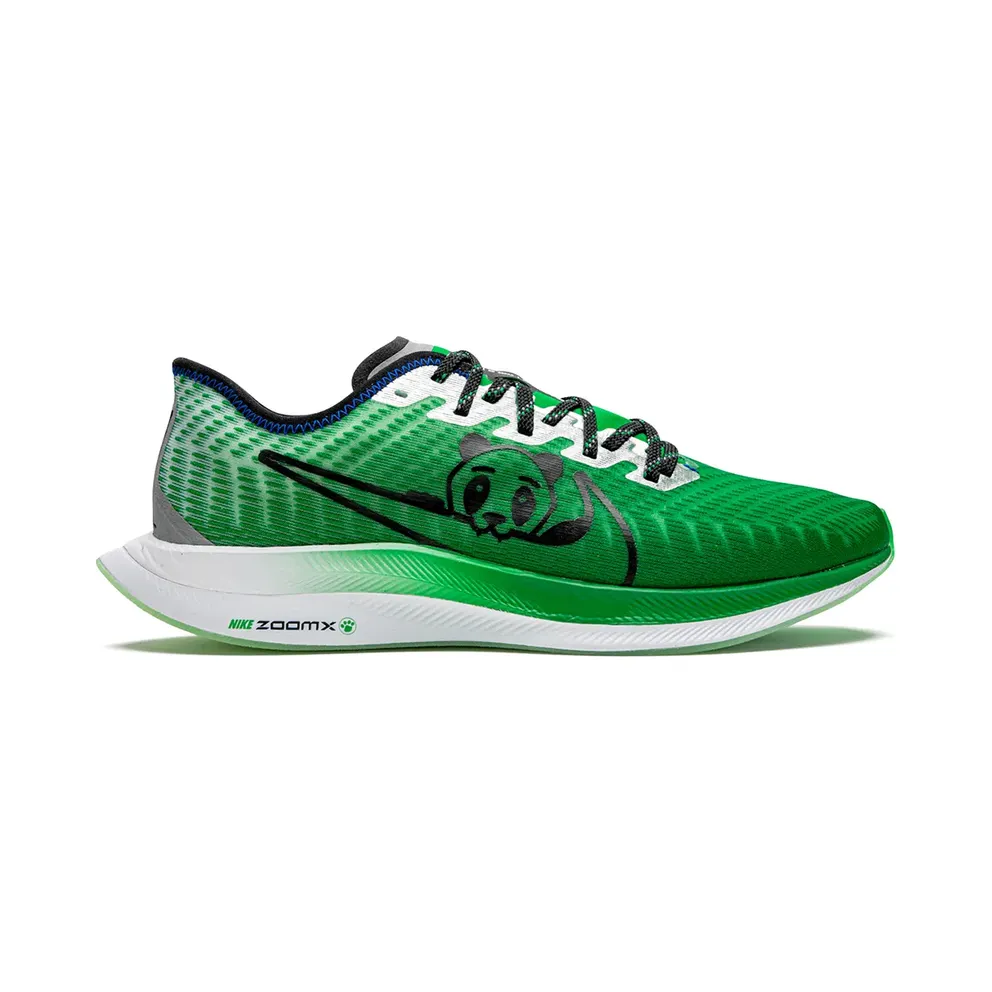
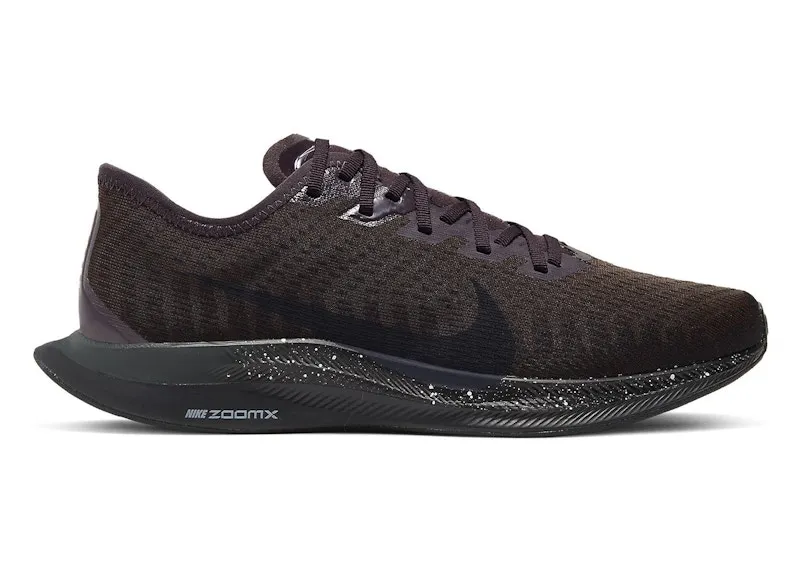
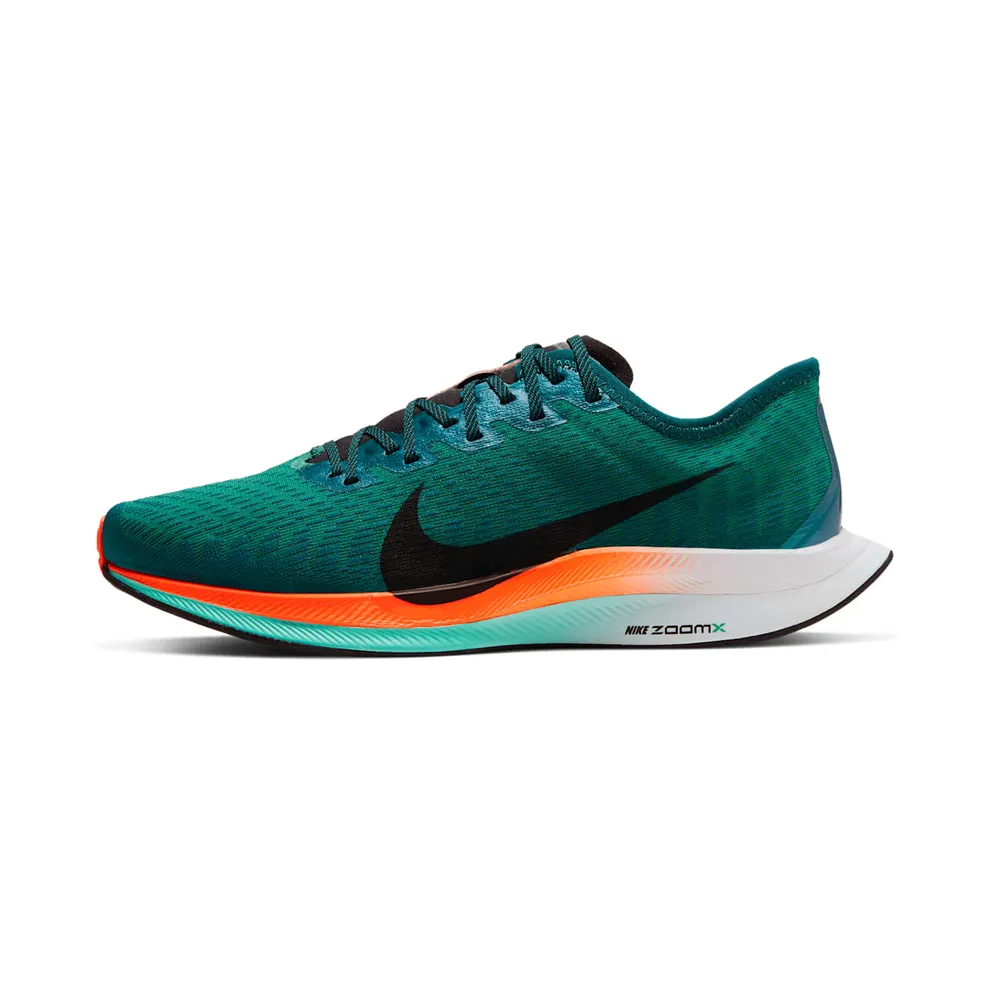
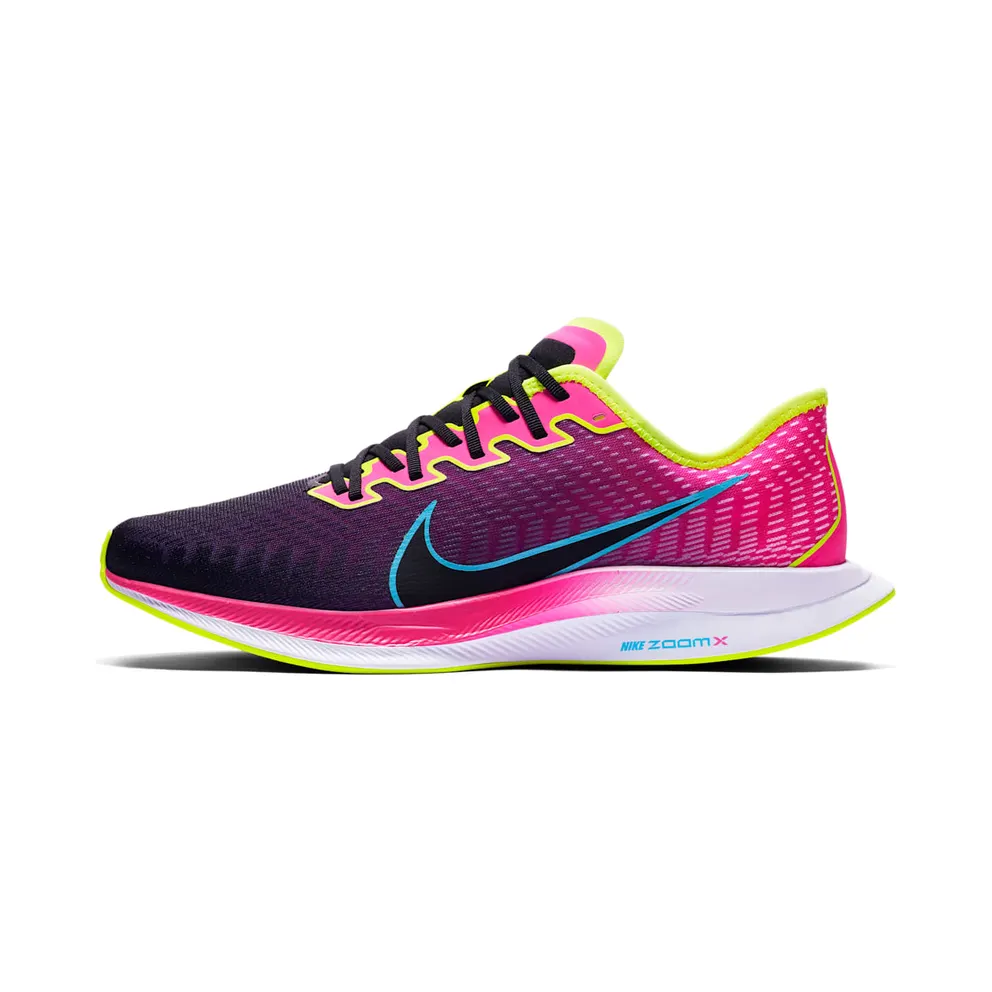
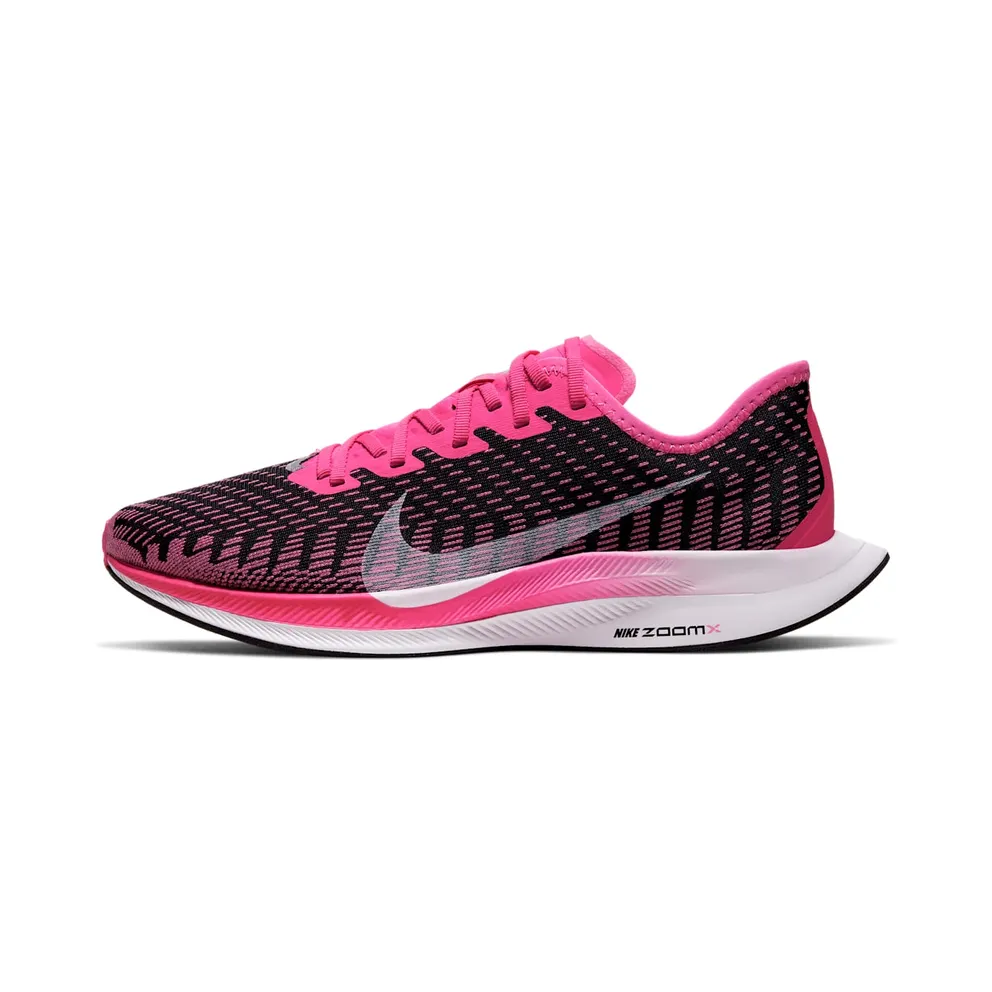
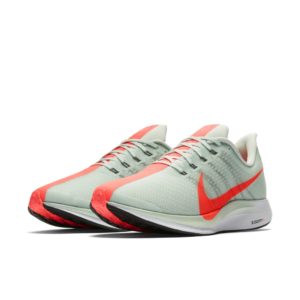
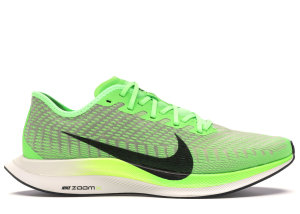
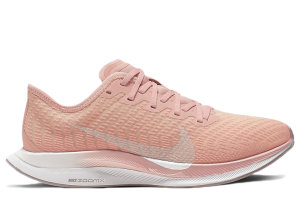
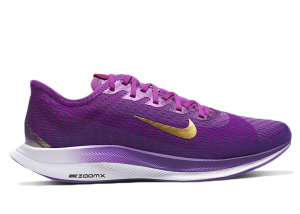
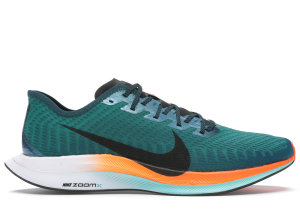
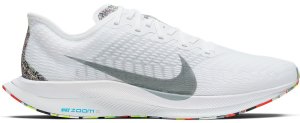
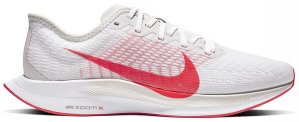
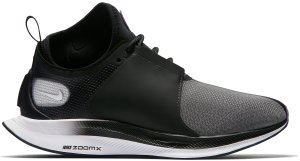
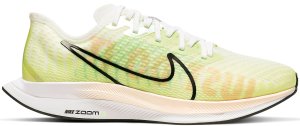
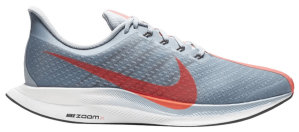
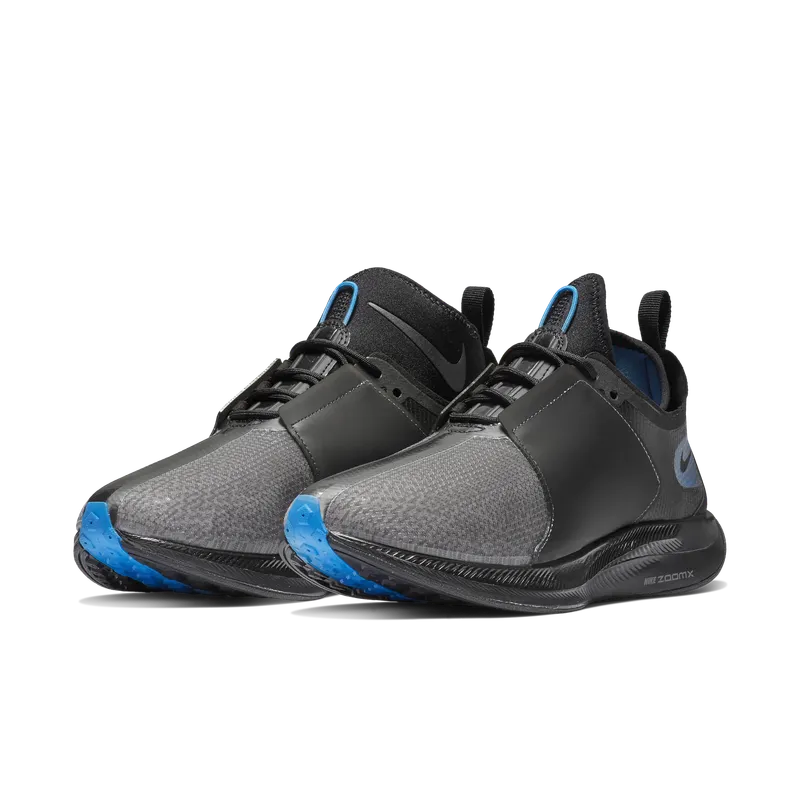
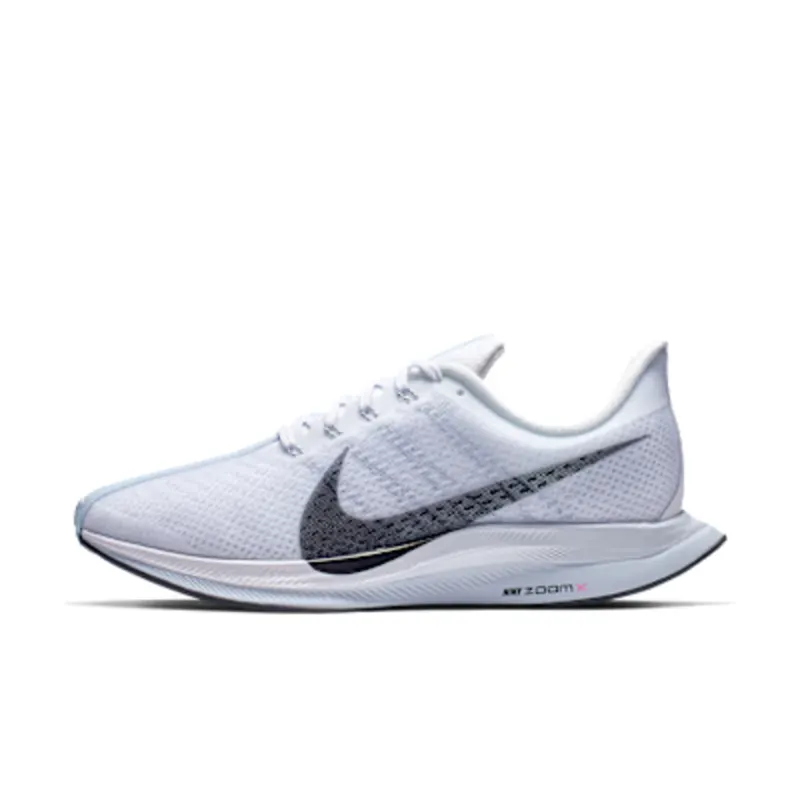
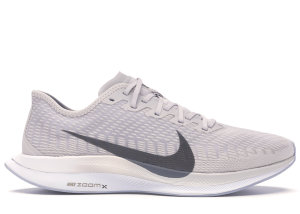
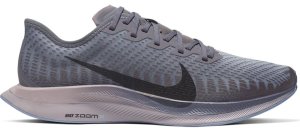
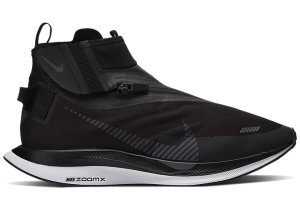
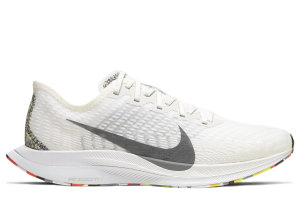
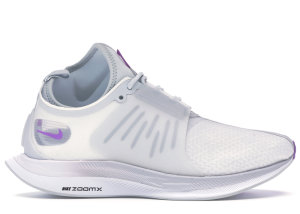
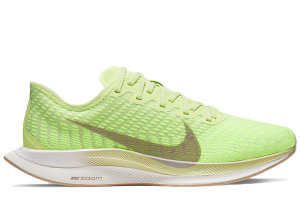
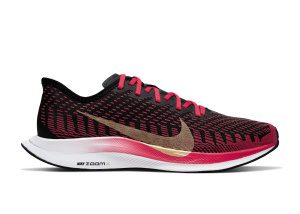
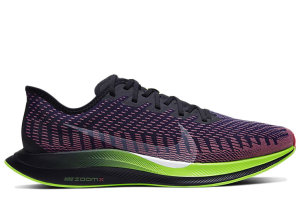
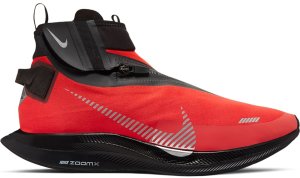
Which Nike Zoom Pegasus gives off the strongest hype signal?
The Hypescore reads the signal strength of every Nike Zoom Pegasus colorway. Community votes, resale movement, search demand and scarcity together decide how much hype a sneaker gives off, expressed in GSv. On the left the strongest hype signals, on the right the colorways just being picked up and rising fast.
About Nike Zoom Pegasus
The Nike Zoom Pegasus debuted in 1983 and immediately set a new standard for daily running training. The model originated within Nike’s running division with a clear focus on durability and cushioning for daily training pace. Designers wanted a shoe that could handle training miles and tempo workouts without becoming fragile. The inspiration came directly from the practice of marathon and tempo training, not from fashion shows or runway egos. Bill Bowerman and the early Nike team set functional requirements, such as grip, responsiveness and a wear-resistant outsole. Those requirements laid the foundation for the characteristic combination of responsive air cushions and durable outsole profiles. Over the years the execution evolved, but the core objective remained clear: a reliable daily trainer for a wide range of runners. You recognize this model by a slim, athletic last and a forefoot that has a bit more spring than average. The forefoot typically contains a Zoom Air unit that delivers direct ground feel and responsiveness at toe-off. Midsole materials have alternated between Cushlon and React, depending on the year and the desired feel. Designers optimize the foam combination each time for more energy return at low to medium speeds. The outsole uses a rubber compound with a wear-resistant tread for miles on asphalt and light gravel. Many versions feature a grooved pattern that helps push-off by providing lateral traction in corners. The upper often uses engineered mesh or modern knit for ventilation and lightweight support. This keeps the fit snug without squeezing the foot unnecessarily during longer runs. A slightly raised heel cup stabilizes the Achilles tendon at higher cadence and prevents unwanted slipping. The heel construction provides just enough padding to reduce blisters, even during longer PRs. This type of shoe usually has a drop between eight and ten millimeters, suited to neutral runners. That drop balances propulsion and cushioning and suits runners who do not want to run fully minimalist. You can expect a consistent fit profile across different releases, with small updates to the last. Interchangeable materials in the upper increase breathability and reduce weight without losing support. Many editions integrate reflective details for visibility during twilight runs and evening training. The lacing construction typically uses extra eyelets at the midfoot for lockdown during fast intervals. That lockdown prevents the foot from slipping during powerful toe-off. Designers added strategic overlays for structural support without extra mass. Those overlays sit mainly around the midfoot and ankle for stability on varying surfaces. Footbeds remain removable and compatible with orthotics for runners who use custom insoles. The combination of a responsive forefoot and a soft midsole makes the shoe suitable for daily long runs and tempo workouts. You get enough cushioning for recovery runs and sufficient responsiveness in tempo blocks. Runners looking for fast trainers often choose the same model because of its proven reliability. Styling remains soberly sporty, with clean lines and colorways that connect street and track seamlessly. On the street this sneaker pairs well with casual jeans and technical jackets for urban training looks. Maintenance remains simple: brush off dirt and use a sponge with mild detergent for stubborn stains. Avoid machine washing; that shortens the lifespan of foam and adhesive tape on the soles more quickly. Where many competitors jump on trends, this design sticks to efficient details that actually perform. Compare it with other trainers and you’ll notice this model appears more often in test wins for reliability. In terms of sizing the model generally sticks to standard EU size, sometimes with a slightly roomier toe box. I advise runners to choose their normal running size, or half a size up if you have a wider forefoot. In short: the shoe delivers a neutral, stable ride with responsive push-off and solid durability. This makes it popular for daily miles, tempo training and long run blocks. Designers continue to smartly tweak the foam and upper without losing the DNA of the original trainer. Men’s and women’s versions often receive subtle adjustments in fit and midsole tuning. Those adjustments take into account biomechanical differences and average foot shapes. Performance-wise you’ll notice that the forefoot Zoom mainly makes the difference during tempo blocks. Hybrid runners appreciate the combination of comfort and speed this shoe offers. If you’re looking for an all-round daily trainer, this design scores high on consistency and versatility. Main features: Responsive Zoom Air unit in the forefoot for direct toe-off and feedback.React or Cushlon foam in the midsole for energy return and comfort.Engineered mesh upper for ventilation and a snug fit.Durable rubber outsole with wear-resistant tread for asphalt and light gravel.Raised heel cup and strategic overlays for stability and lockdown.Removable footbed, compatible with insoles. Want to compare different colors, recent releases or competitive prices? Use Solezilla.nl, the sneaker search engine that has gathered and compares over 100,000 sneakers from more than 130 webshops by price and available sizes.