

Adidas Gazelle Sneaker
1000 sneakers were found
About
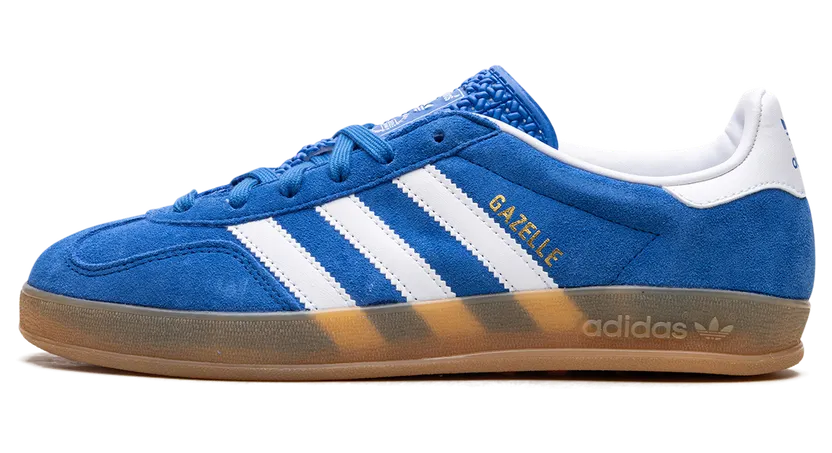
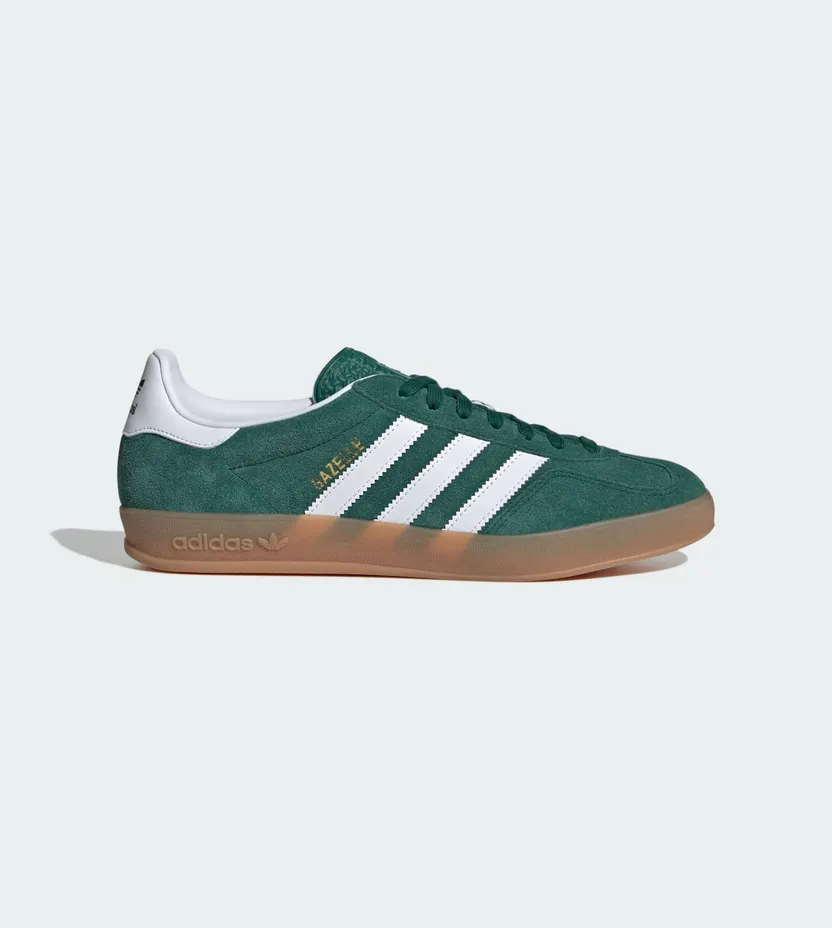
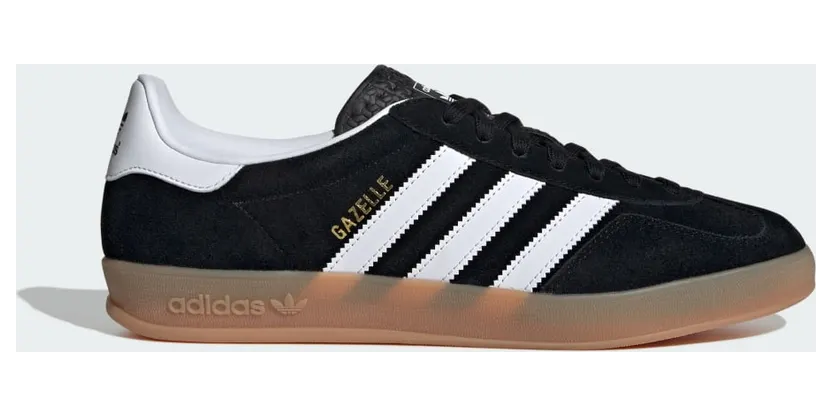
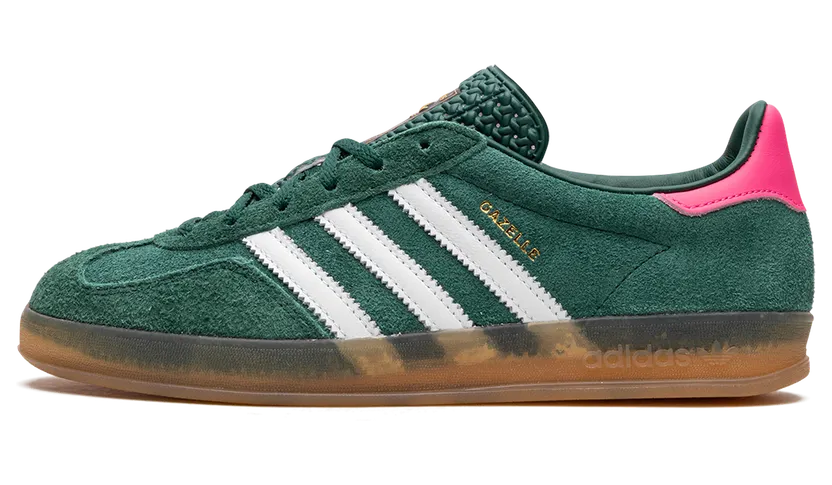
adidas Gazelle
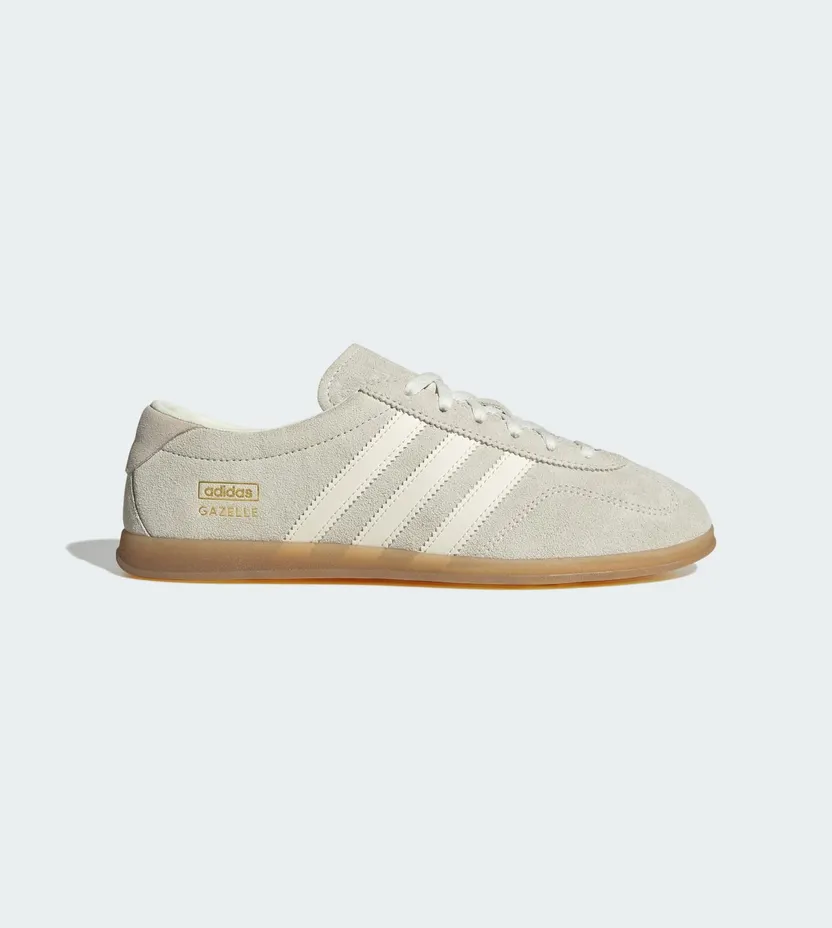
In 1966 adidas released a shoe that was not intended for a single sport. Where the brand had until then designed by discipline, the Gazelle was a general training shoe: good enough for the track, the indoor court and the road to get there.
Suede as main material
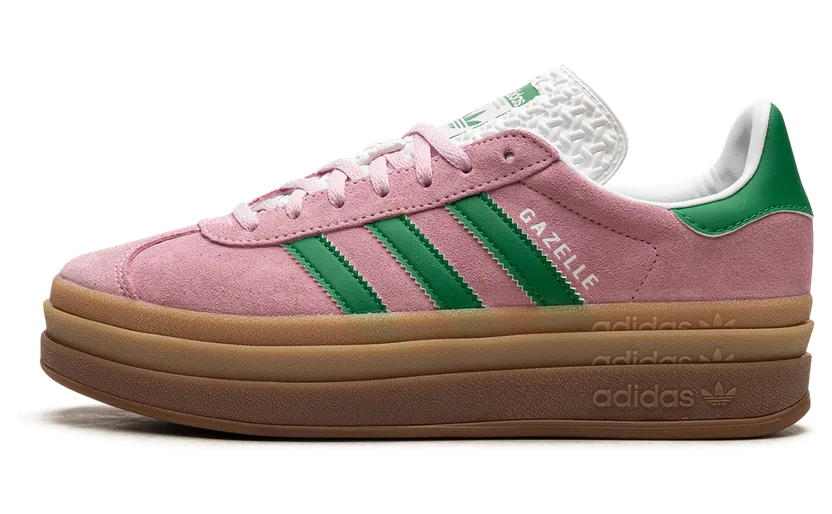
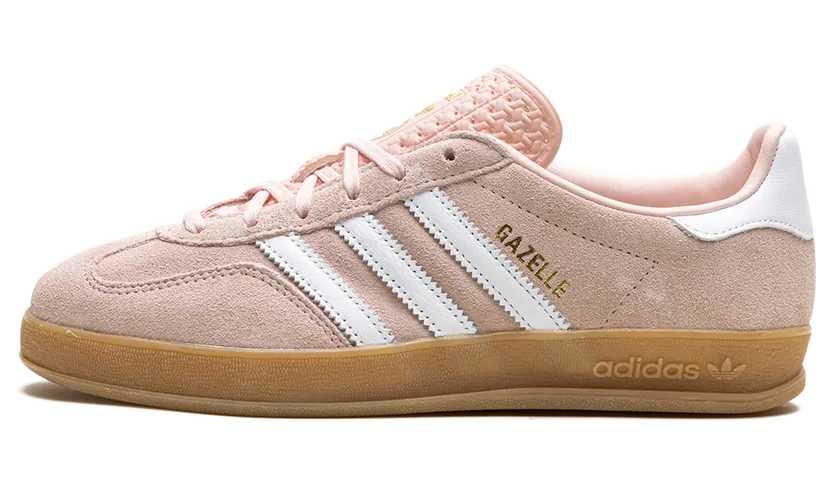
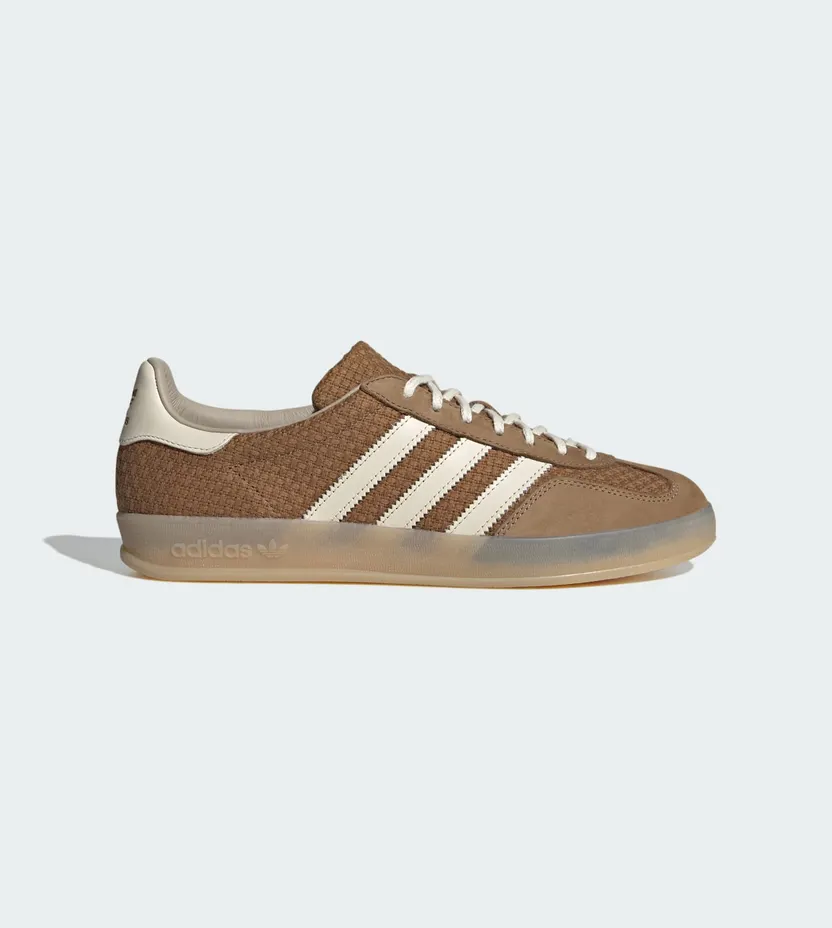
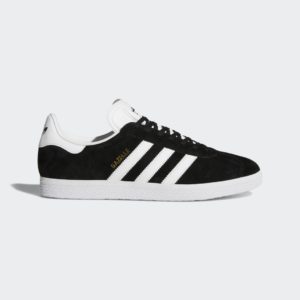
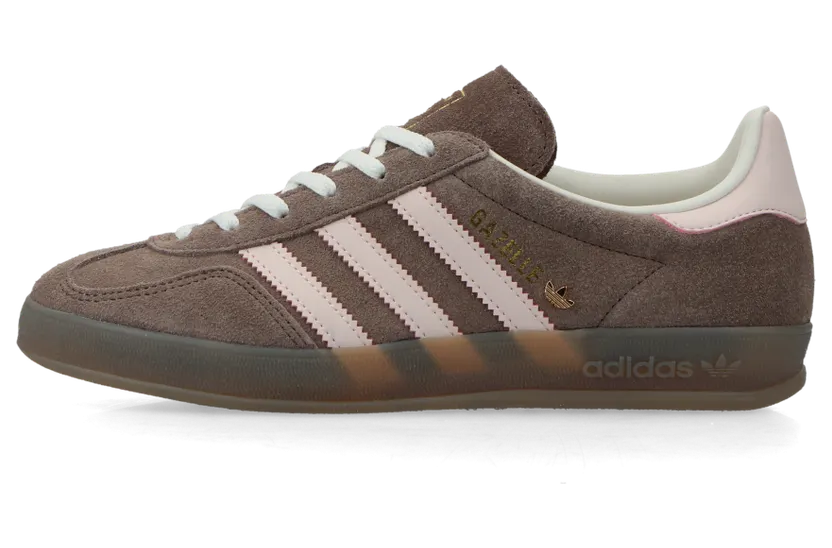
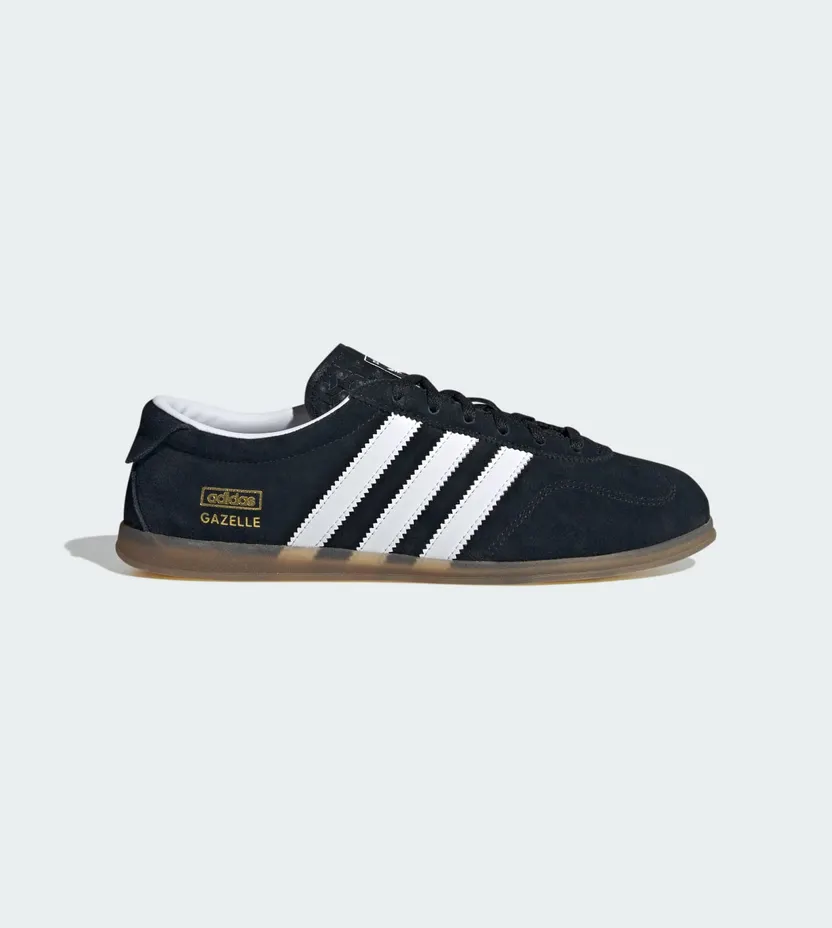
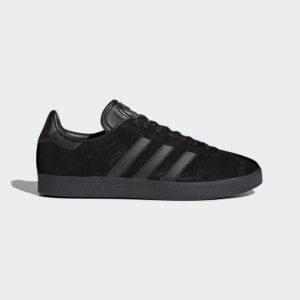
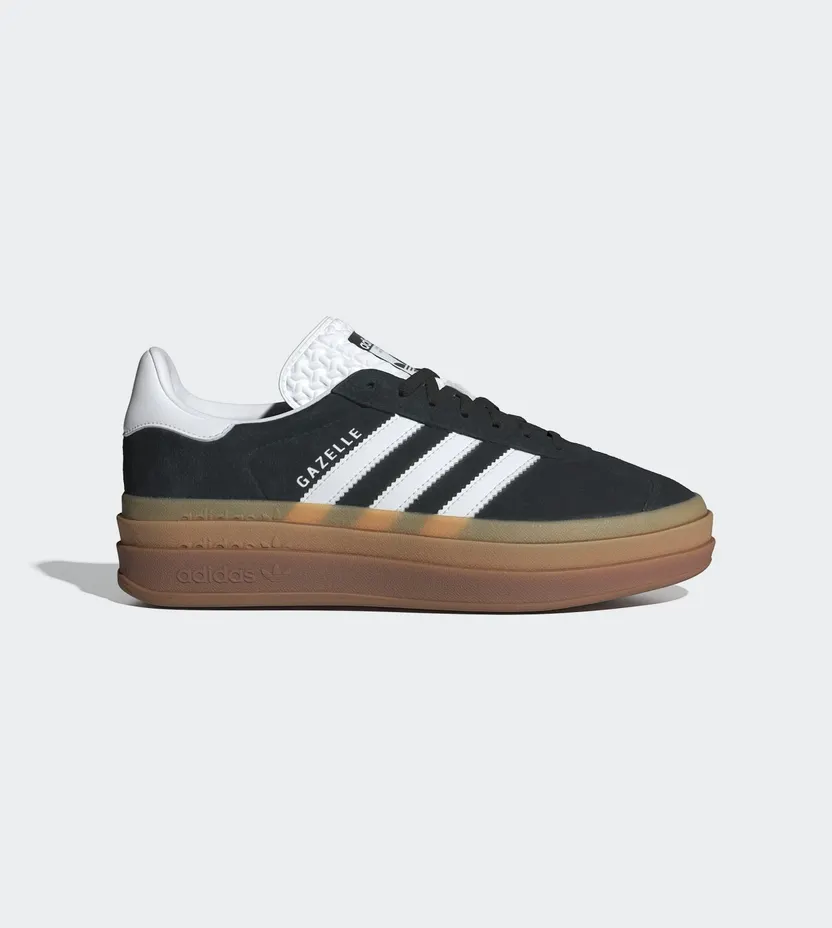
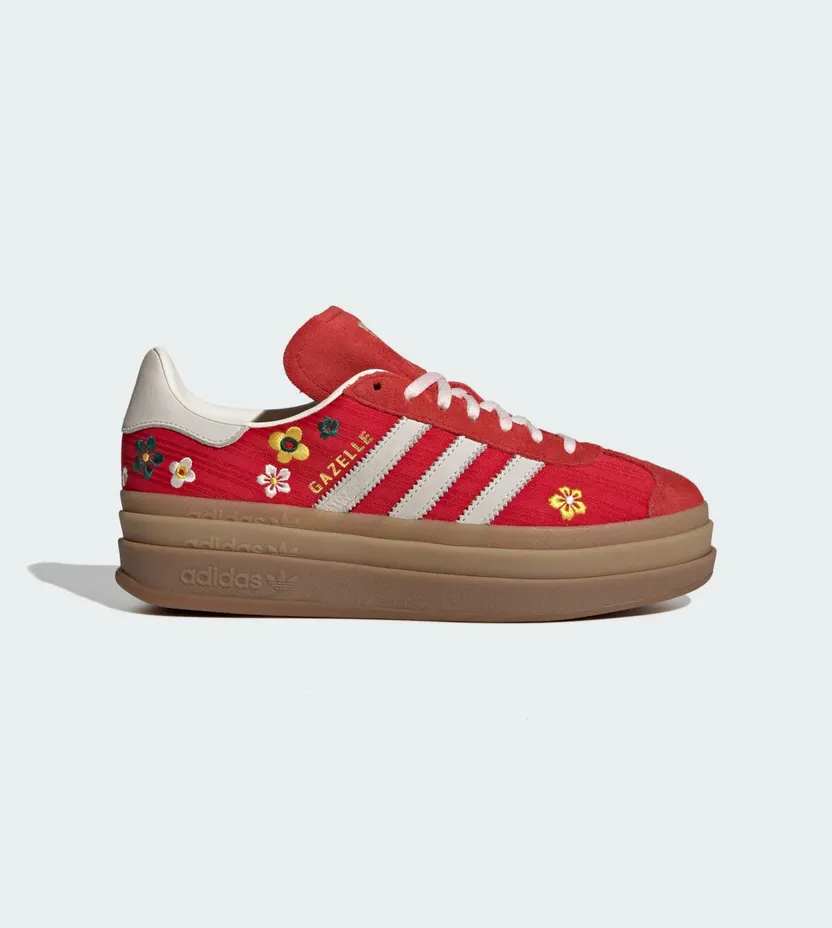
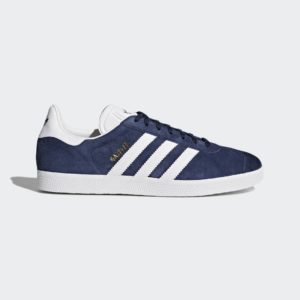
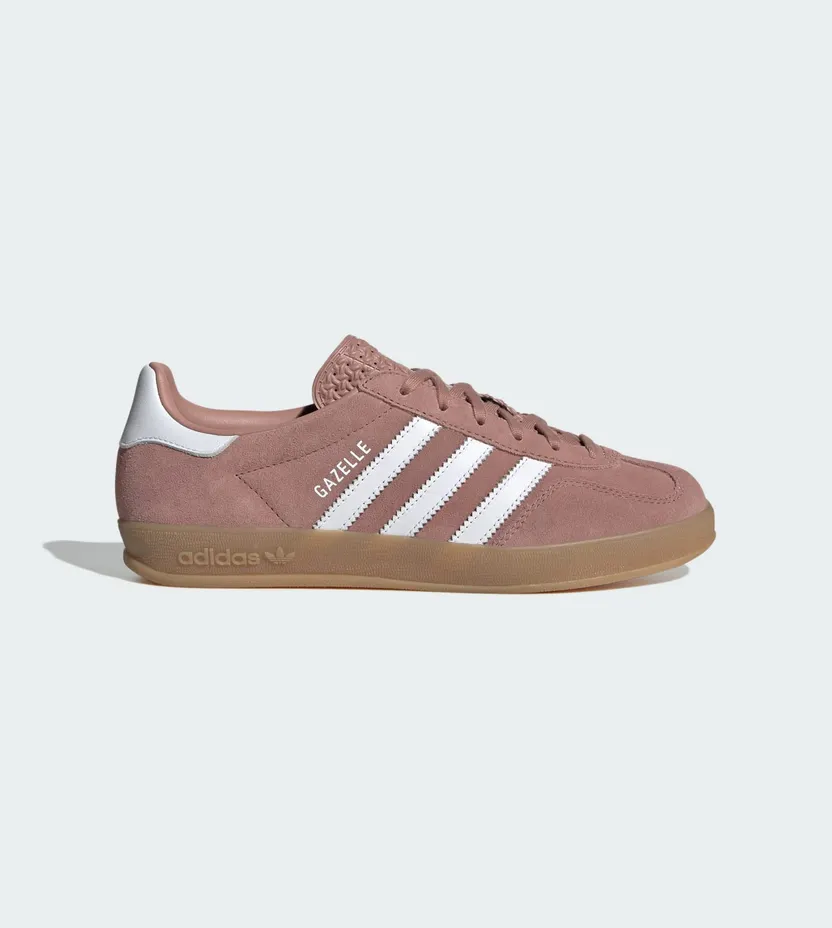
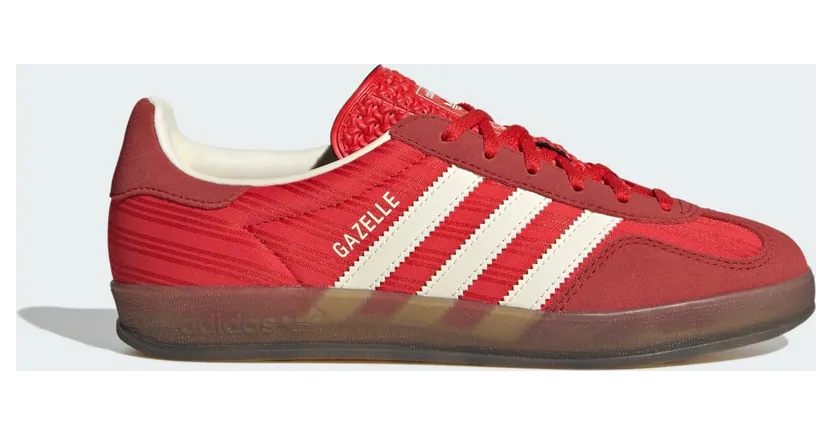
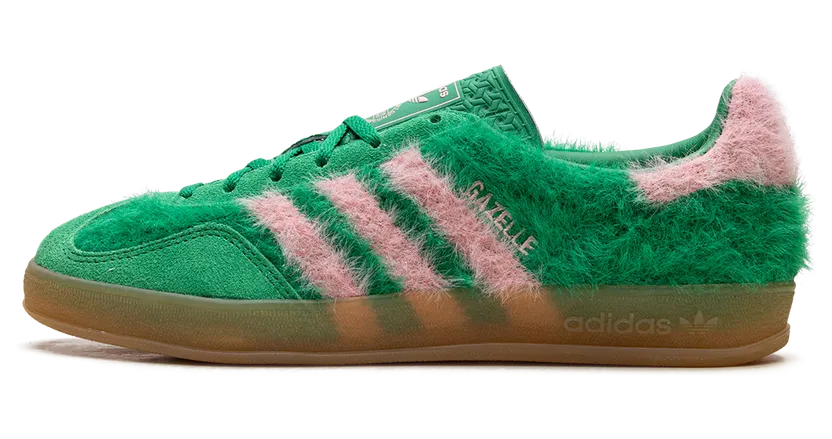
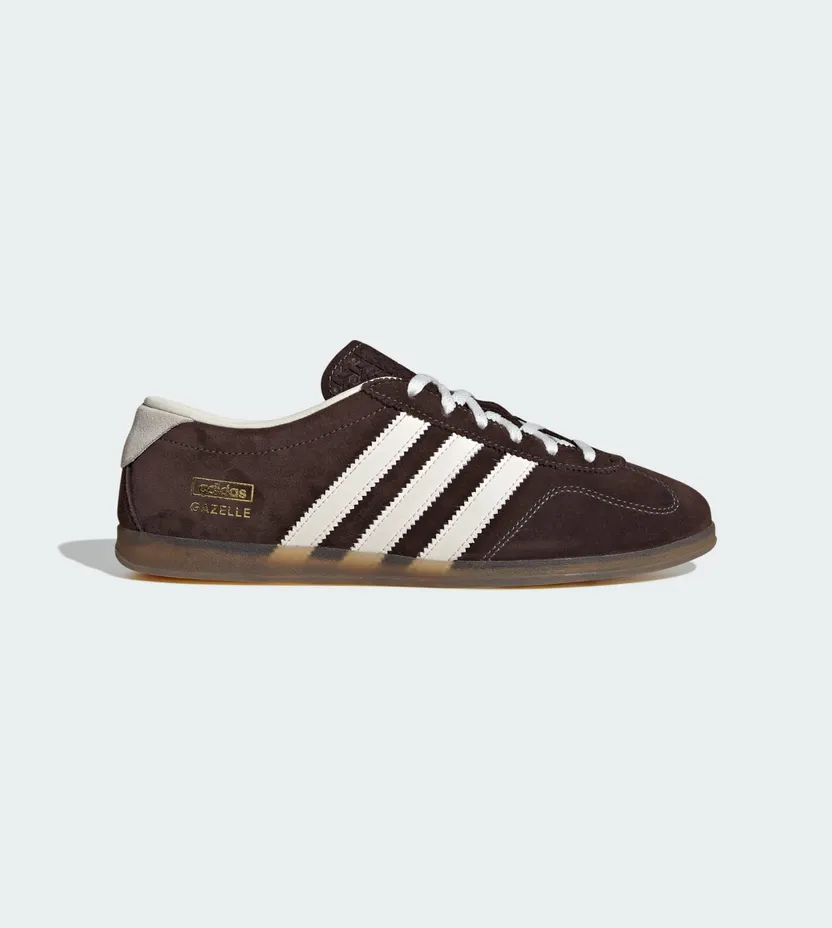
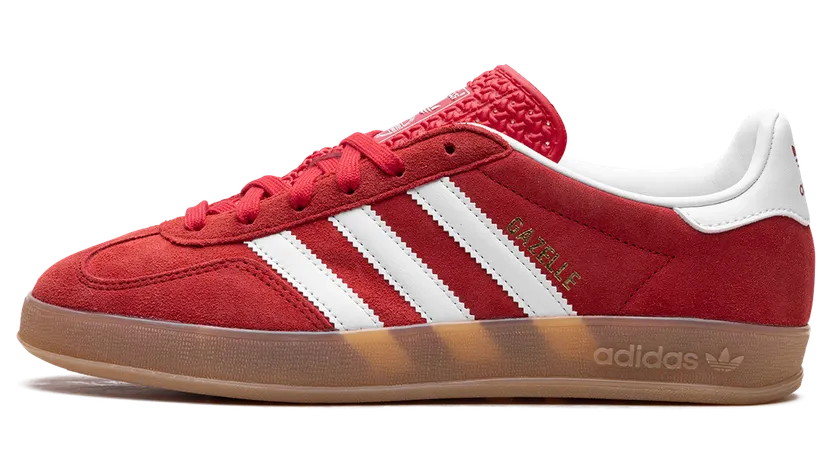
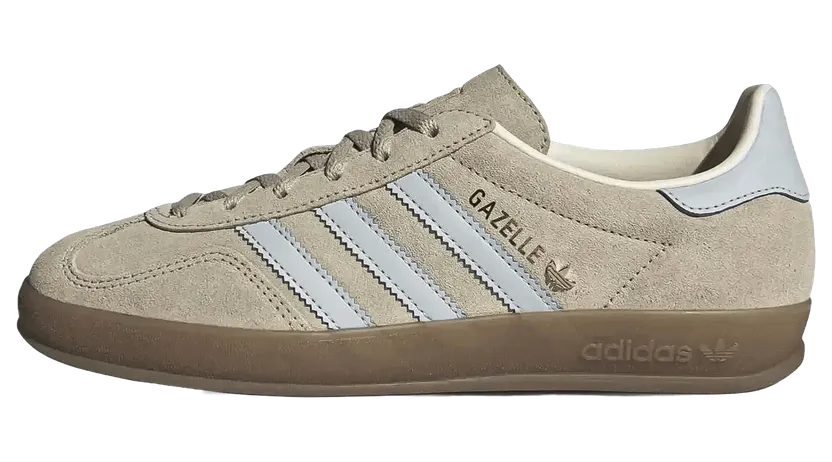
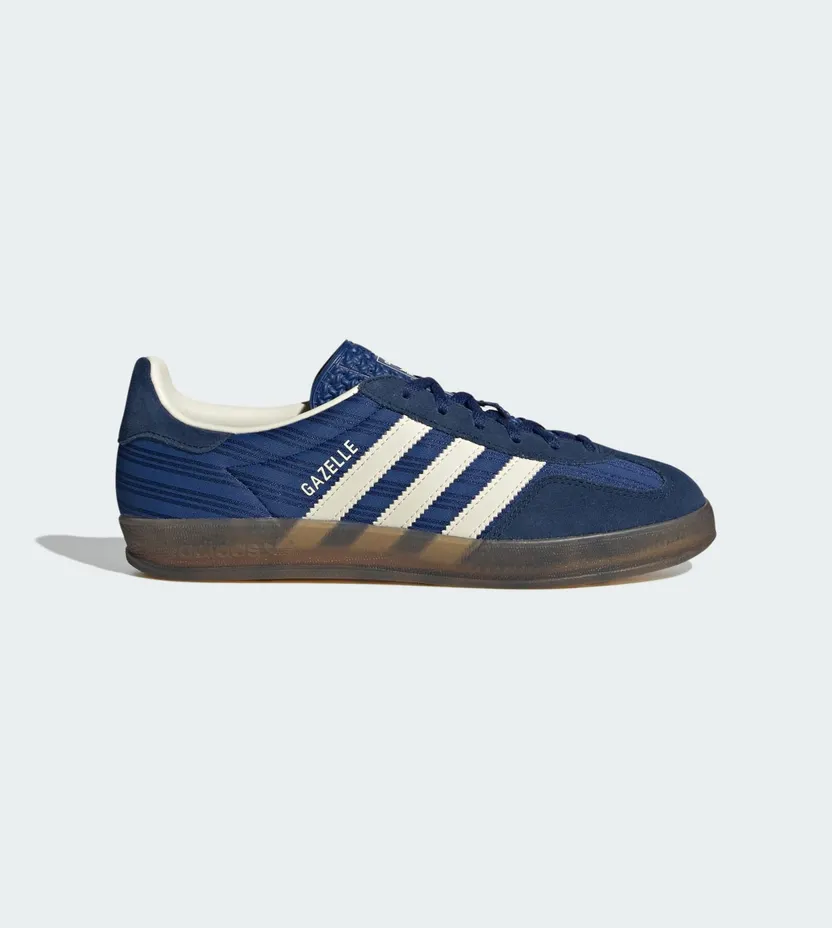
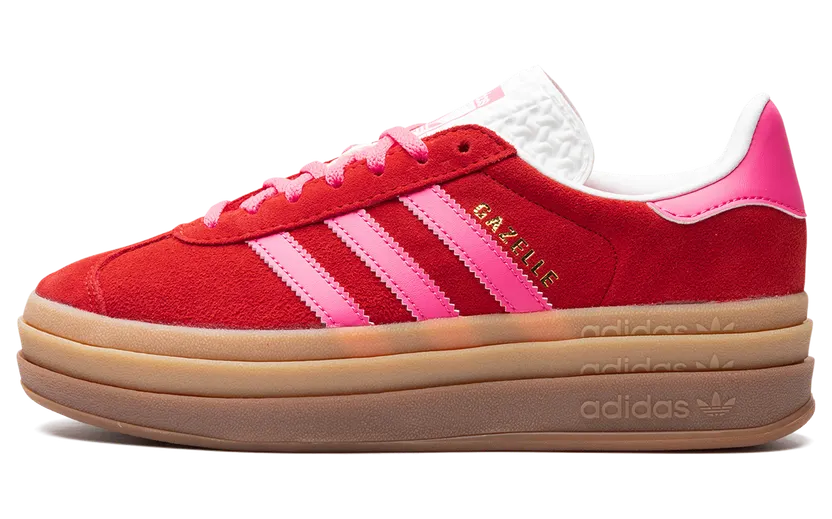
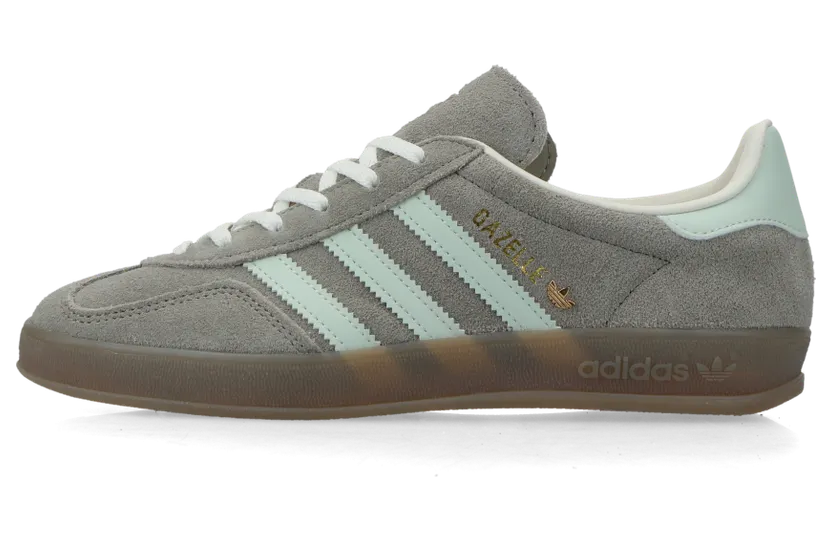
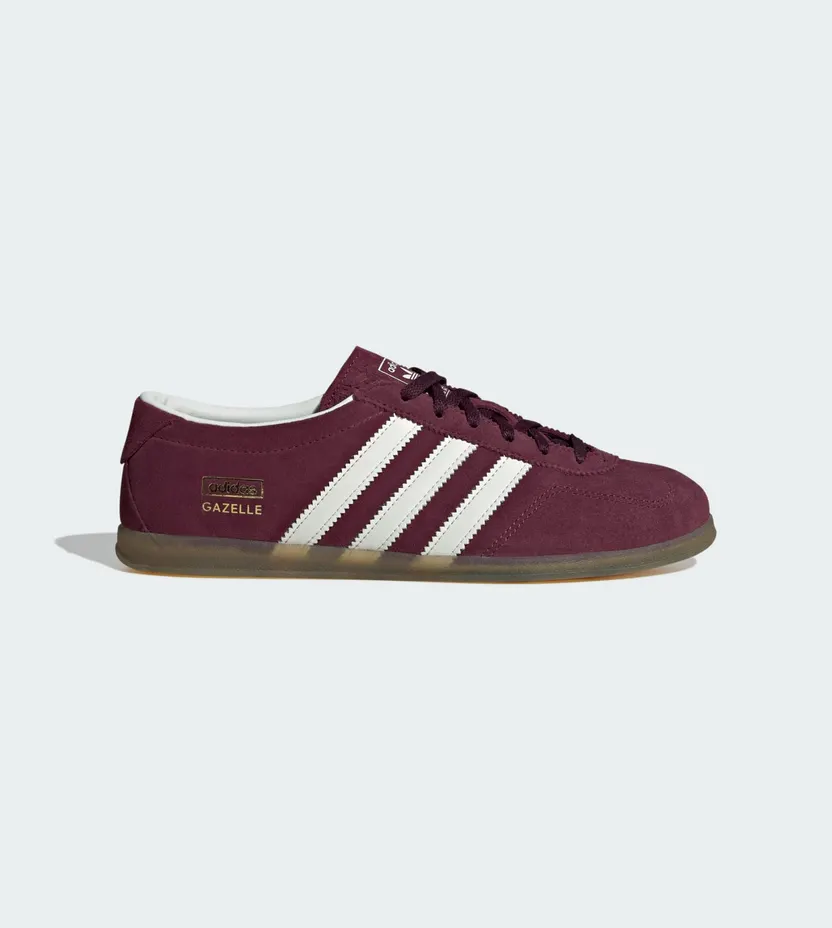
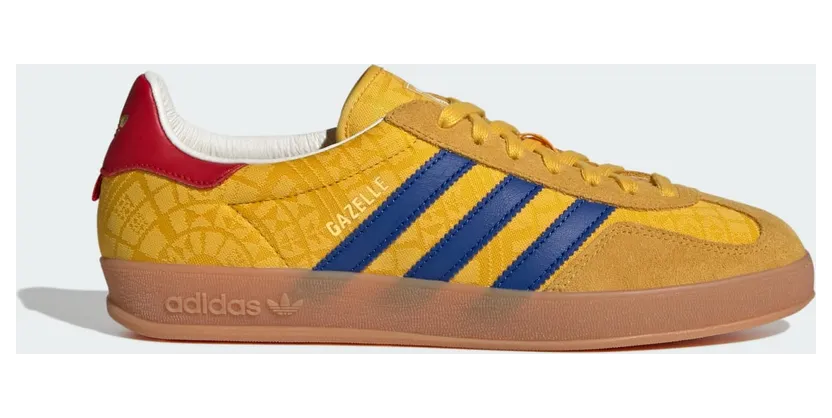
The most important choice was the upper. Where leather was stiff and heavy, suede produced a light shoe that immediately molded to the foot. That made it pleasant to train in, but it also gave it its matte, soft appearance — and that is ultimately the reason it found its way far outside sport. The three stripes sit as separate bands on the panel, with the name beside them.
How it differs from the Samba
This is the question most people have, and the answer lies in the toe. The Samba has a T-shaped reinforcement over the toe because a ball hits it there; the Gazelle does not. Its silhouette is therefore smoother and narrower, and the tread under the sole is simpler. Two models from the same mindset, with a difference that entirely follows from their function.
Why it survived
The Gazelle survived because it never looked overly like anything. It is neither overtly sporty nor explicitly smart, and precisely that neutrality made it usable again in every decade. Within adidas it stands next to the Superstar as the quiet family member: no shell toe, no armor, just form. A beast that keeps itself subdued.
On this page you can see which versions of the adidas Gazelle are currently hottest according to the Hypescore, from what price they’re available and in how many shops they’re in stock.
Which Adidas Gazelle gives off the strongest hype signal?
The Hypescore reads the signal strength of every Adidas Gazelle colorway. Community votes, resale movement, search demand and scarcity together decide how much hype a sneaker gives off, expressed in GSv. On the left the strongest hype signals, on the right the colorways just being picked up and rising fast.
Strongest hype signal
- 1
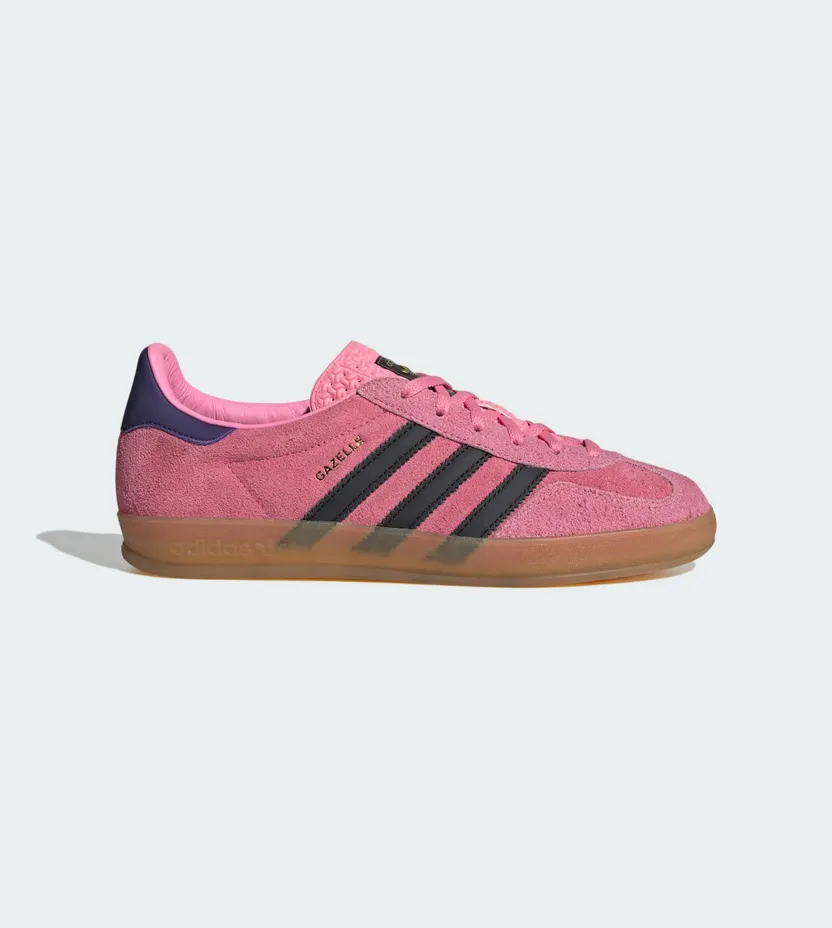 adidas Gazelle Indoor W (pink / core black / collegiate purple) – IE7002ATOMICAdidas Gazelle · from £50 · 4 shops73GSv
 - 2
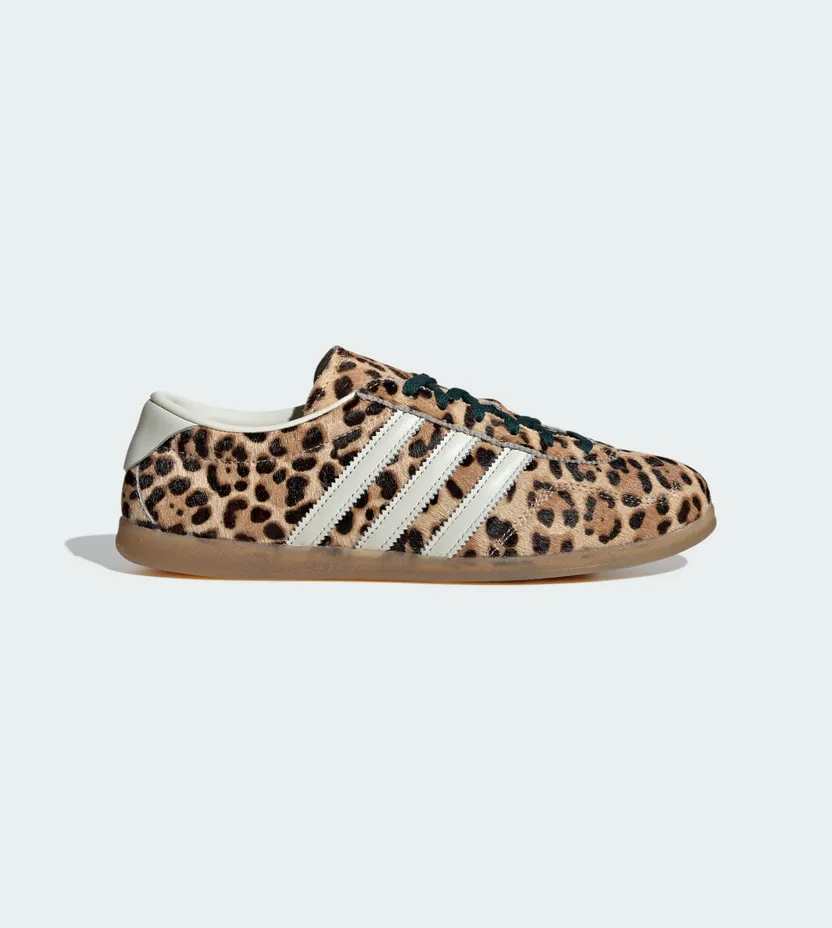
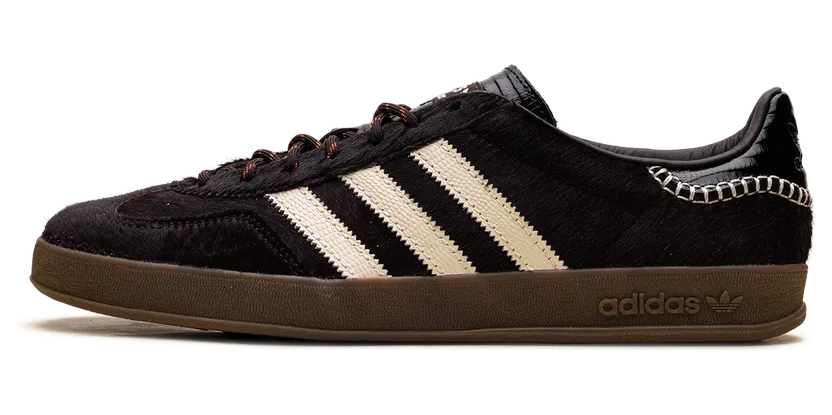 Adidas Gazelle Indoor “Wales Bonner – Pony Hair” (KK3640)RADIATINGAdidas Gazelle · from £90 · 3 shops63GSv
 - 3
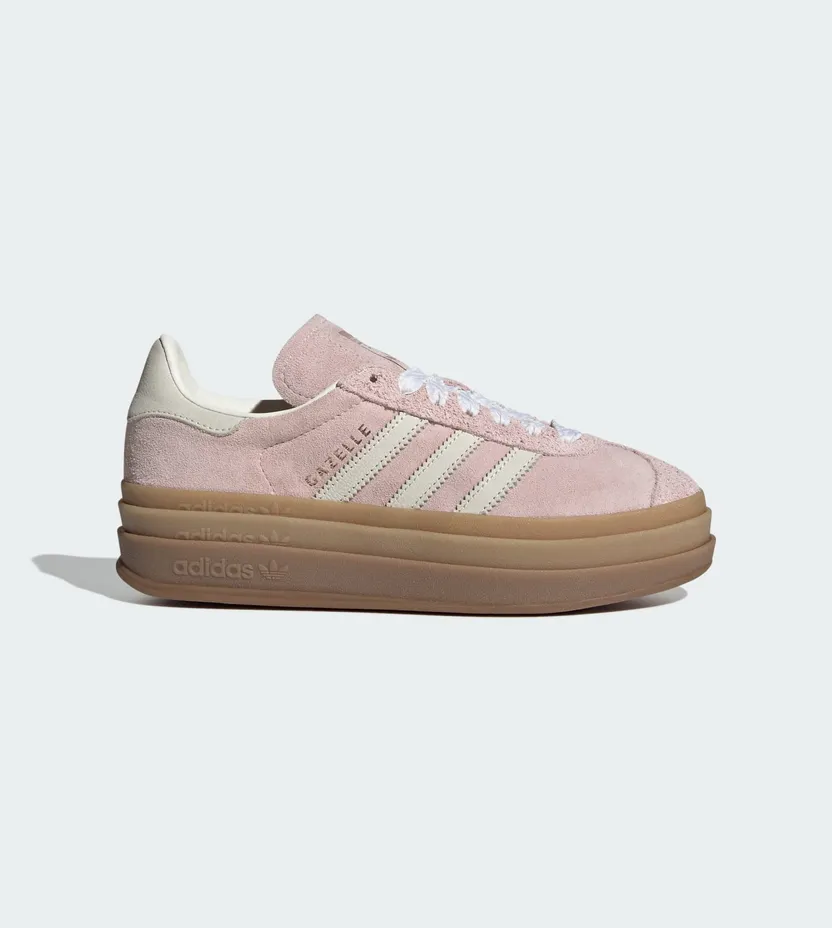
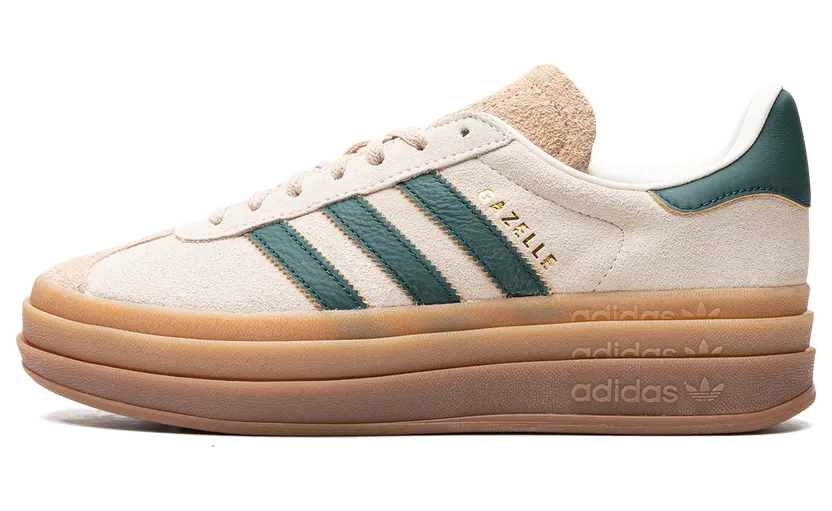 adidas Gazelle Bold W (cream white / collegiate green) – ID7056RADIATINGAdidas Gazelle · from £77 · 4 shops62GSv
 - 4
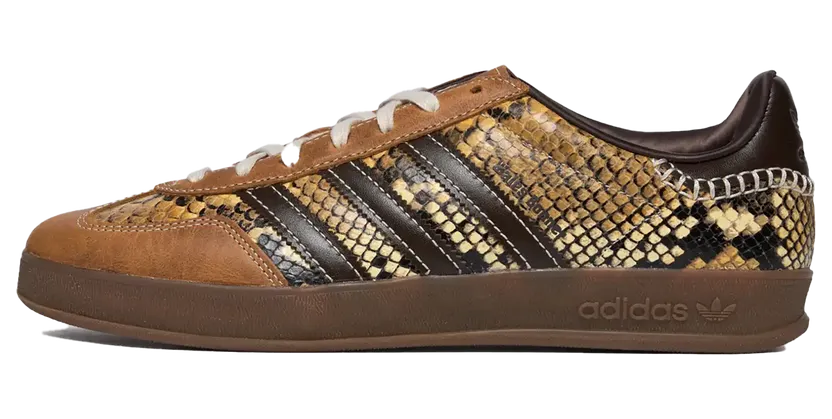 Adidas Gazelle Indoor “Wales Bonner – Snakeskin” (KK3641)SEISMICAdidas Gazelle · from £91 · 4 shops53GSv
 - 5
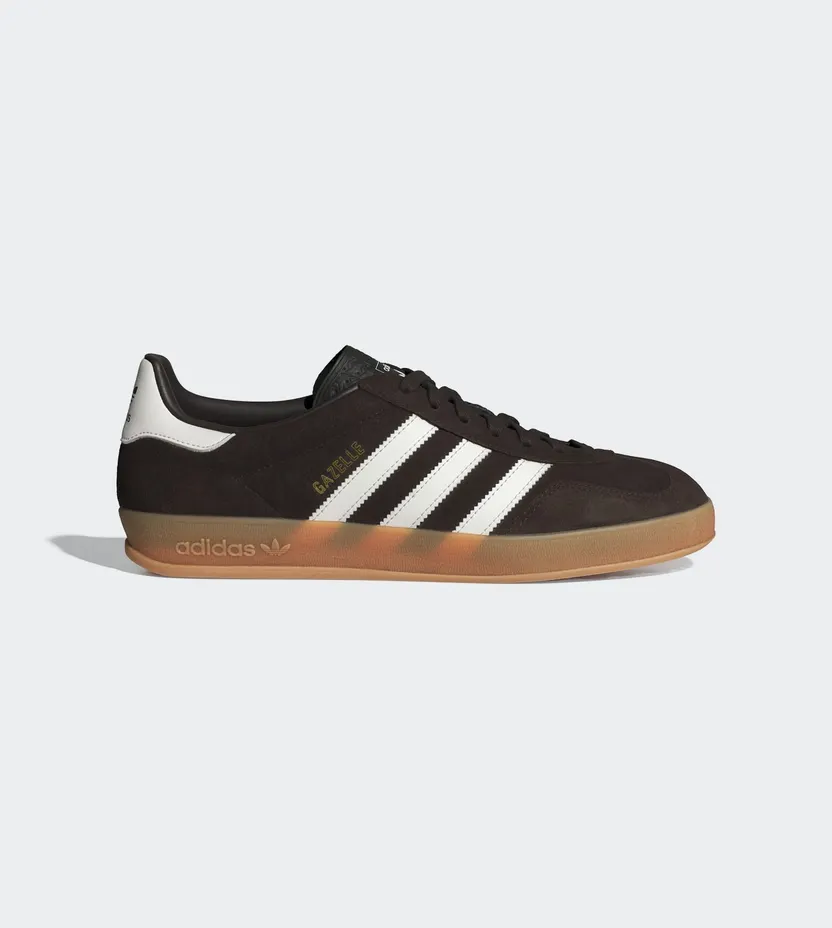 Adidas Gazelle Indoor Aurora Coffee / Core White / Gum (HQ5152)SEISMICAdidas Gazelle · from £82 · 3 shops51GSv
Just in, rising
- 1
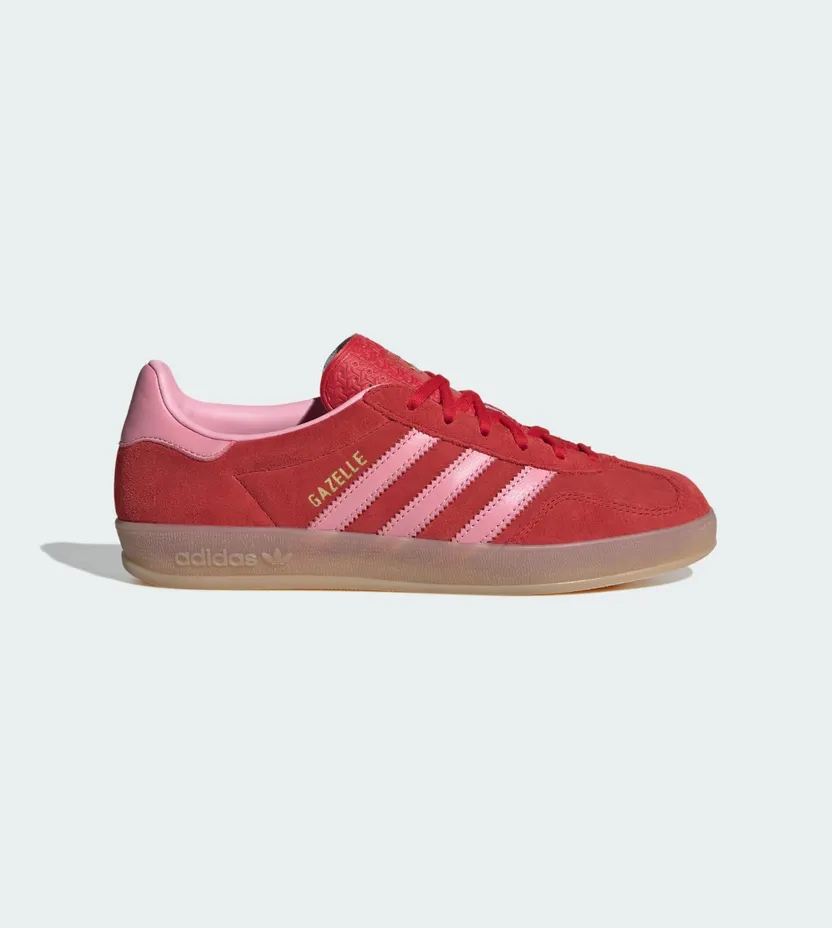 Adidas Gazelle Indoor “Better Scarlet Light Pink” (IH6797)CHARGINGAdidas Gazelle · from £82 · 3 shops47GSv
 - 2Adidas Gazelle Indoor “Wales Bonner – Pony Hair” (KK3640)RADIATINGAdidas Gazelle · from £90 · 3 shops63GSv
- 3Adidas Gazelle Indoor “Wales Bonner – Snakeskin” (KK3641)SEISMICAdidas Gazelle · from £91 · 4 shops53GSv
- 4
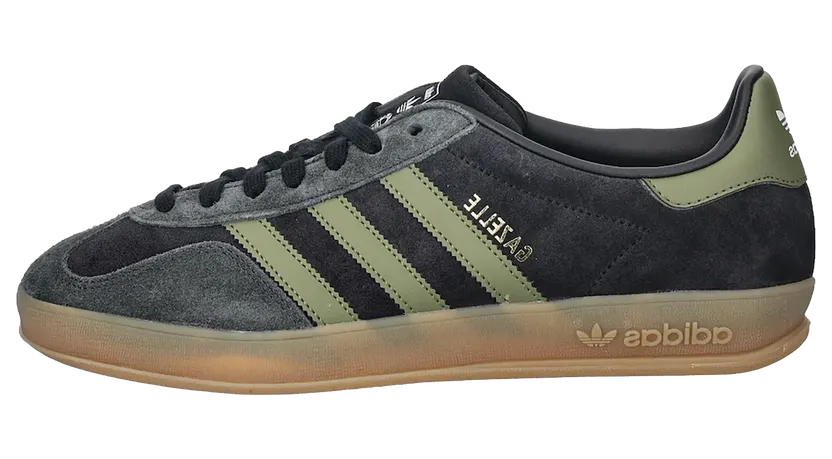 adidas Gazelle Indoor Focus Olive (JQ8399)CHARGINGAdidas Gazelle · from £66 · 3 shops47GSv
 - 5
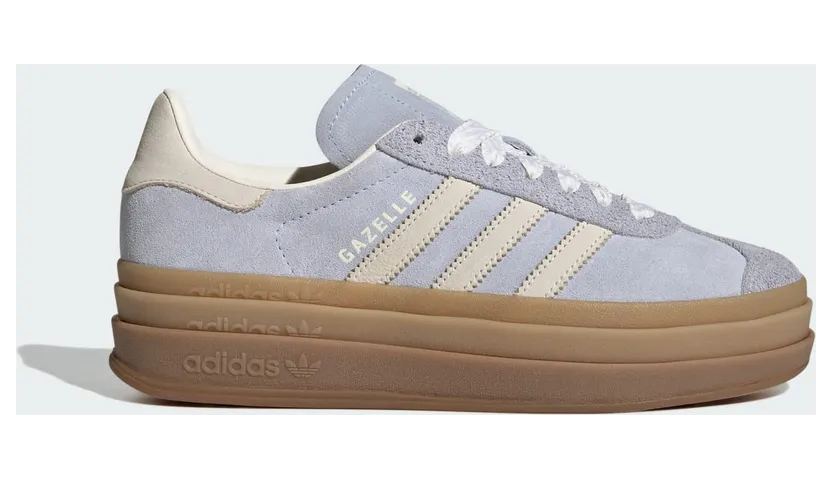 Adidas Gazelle Bold “Crystal Sky Chalk Pearl” (IH4210)CHARGINGAdidas Gazelle · from £71 · 3 shops40GSv