

Nike Romaleos Sneaker

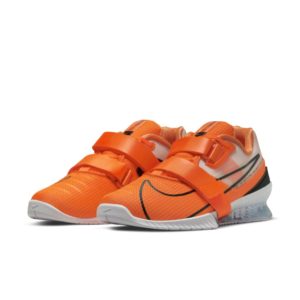
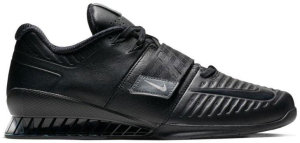
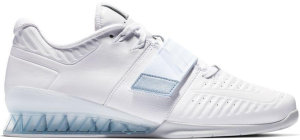

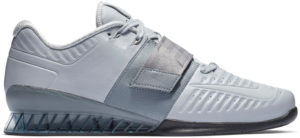
Which Nike Romaleos gives off the strongest hype signal?
The Hypescore reads the signal strength of every Nike Romaleos colorway. Community votes, resale movement, search demand and scarcity together decide how much hype a sneaker gives off, expressed in GSv. On the left the strongest hype signals, on the right the colorways just being picked up and rising fast.
About Nike Romaleos
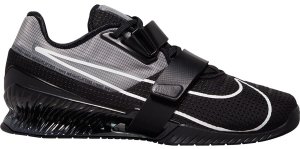
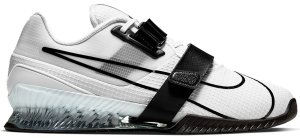
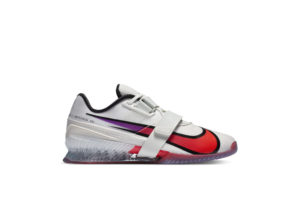
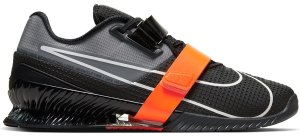
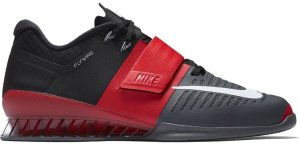
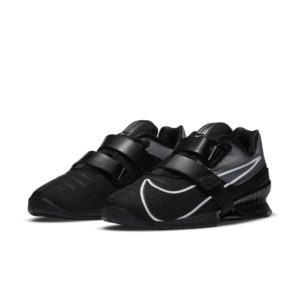
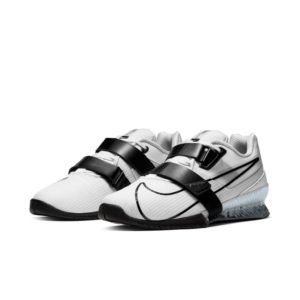
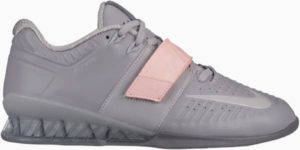
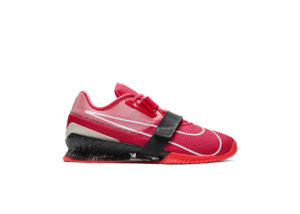
Step in and immediately feel how serious stability presents itself; this weightlifting shoe sets the bar for direct power transfer without frills. Nike’s design team created the Nike Romaleos in response to the needs of weightlifters and powerlifters. They looked to classic Olympic lifting shoes for inspiration, with their short, stiff soles and elevated heels. They added modern materials and multiple closures to combine lockdown and durability. You recognize the style by a low, firm toe, a pronounced heel cup and wide Velcro straps. Athletic shoes like these target one thing: efficient force from foot to floor. The shoes have a stiff, non-stretch sole plate that keeps your line of force tight during the pull and drive. A TPU heel plate reinforces the heel and prevents sagging under heavy lifts. The heel has a noticeable elevation, which allows your knee to move forward over the foot more easily during squats and snatches. That raised profile changes your ground angle and helps with a more upright torso position during upward movements. The upper combines synthetic leather with reinforced overlays for structural support without thick padding. A slim profile around the midfoot provides direct foot control and prevents sliding inside the shoe. The double-strap configuration acts like an extra set of handbrakes that pull the foot into the sole. One strap sits low on the instep for midfoot fixation. The second strap secures the forefoot and reduces internal movement during explosive lifts. Underfoot, thin cushioning provides minimal compression so your force isn’t absorbed by the material. The outsole uses high-density rubber and offers grip on platforms and Olympic floors. Heel movement remains minimal, creating a feeling of direct contact with the floor. The lining uses breathable mesh panels to wick heat and moisture away during longer sessions. Seams and joins are placed where they need to be functional, not as aesthetic decoration. Roll or torsion points remain low due to the rigid midfoot construction, which increases stability during the clean and jerk. The shape of the toe supports a natural toe splay for balance without tightness. Width sizes remain classically narrow to medium; lifters with wide feet often fit better by choosing a full size up. The sole is non-marking; you won’t leave rubber marks in the gym. There are models with one strap and others with two; choose according to taste and need. Recovery between sets is faster because the material deforms little under heavy load. Maintenance is simple; wipe off dirt and let the shoes air dry. Laces provide the primary fit; the straps finalize the lockdown in one motion. The profile fits on both platforms and loose bumper plates without risk of slipping. The shoe’s weight remains relatively low for this type of shoe, which doesn’t impede rotation and quick foot changes. The heel cup wraps the Achilles and prevents unwanted lateral movement during explosive movements. The arch support is clearly present, so you won’t suffer from excessive pronation during lifts. The combination of a rigid plate and limited compression provides immediate feedback as you break the bar from the floor. Some versions use nuanced rubber blends for extra durability on rough concrete and tiles. Aesthetically, these training shoes remain recognizable by their clean lines and functional details. They often opt for contrasting straps and subtle branding instead of bold prints. Various colorways exist, from sober black to striking red or white with accents. Athletes who combine power and precision benefit from the shoe’s responsive base. Coach feedback usually emphasizes the stable heel and the improved ankle triangle during squats. Technically, the rigid sole reduces energy losses caused by flex in the midsole. Compared to traditional training sneakers, these shoes offer a much more direct feel during heavy lifts. They work best for lifts where foot position and angle are decisive for the outcome. Recreational lifters who want to refine technique will find a reliable tool in these shoes. Competitive athletes appreciate the consistent fit from competition to competition. The combination of materials keeps dirt and sweat buildup under control. The quality of the stitching and finish determines the lifespan with daily use. Many variants use a reinforced toe to limit wear from kettlebells and barbells. Accessories such as replacement straps and extra insoles improve the custom fit. If you want a shoe that positions you for lifts and doesn’t absorb energy, this is suitable. Consider accurate sizing: measure your foot length and compare with the webshop’s size chart. Try shoes with the socks you wear during lifts, so the fit matches training reality. When in doubt between two sizes, many lifters choose the larger size because feet spread under load. Main featuresRigid TPU midplate for direct power transfer and minimal deflection.Elevated heel cup that improves ankle position during squats and snatches.Double straps for quick lockdown and extra stability during explosive movements.Synthetic leather and overlays that provide structural support without unnecessary padding.Non-marking rubber outsole with a grip profile suitable for platform and floor.Breathable lining that wicks moisture and heat during longer sessions. Try them in-store or order via a webshop with a reliable return policy if you have doubts about fit. Don’t skip a training session because your shoes don’t support you; good shoes improve technique faster than extra hours on the clock. Compare prices and available sizes on Solezilla.nl, the sneaker search engine that has curated more than 100,000 sneakers from over 130 webshops.