

Nike Free Flyknit Sneaker
The Nike Free Flyknit feels like running in socks, but with more style. The Flyknit upper wraps around your foot like a sock and breathes constantly. The sole has deep flex grooves that enhance natural movement without excessive cushioning. This is an ultra-light runner with a low profile and a responsive feel with every step. Perfect for those who want speed and sensation without bulky blocks underfoot. The design remains minimalistic, but looks sharp and modern.
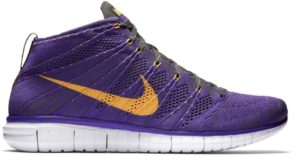
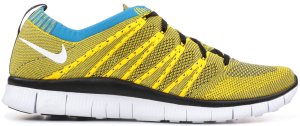
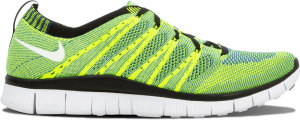
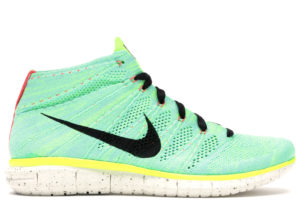
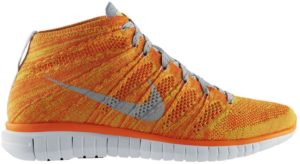
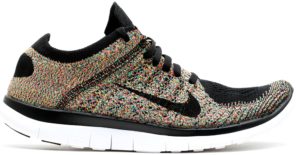
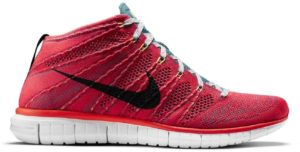
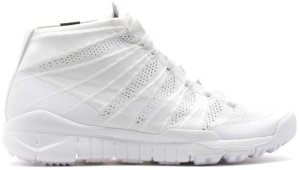
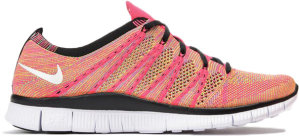
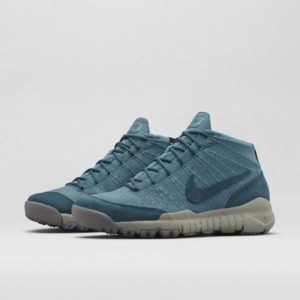
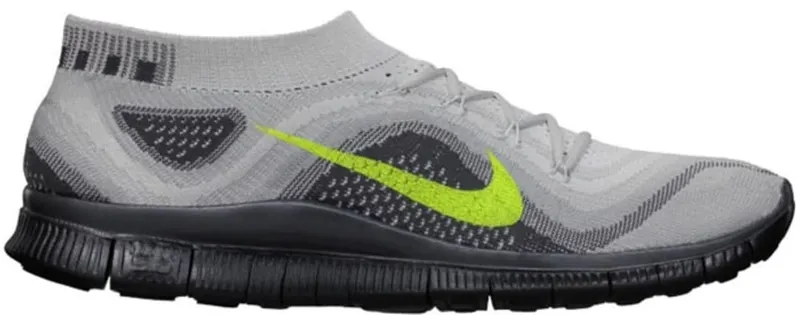
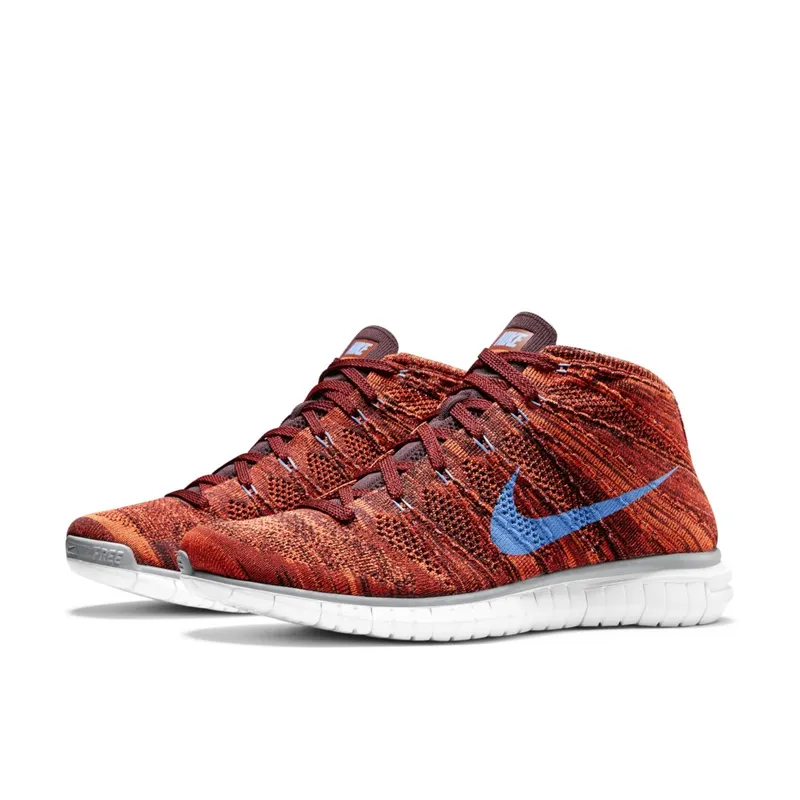
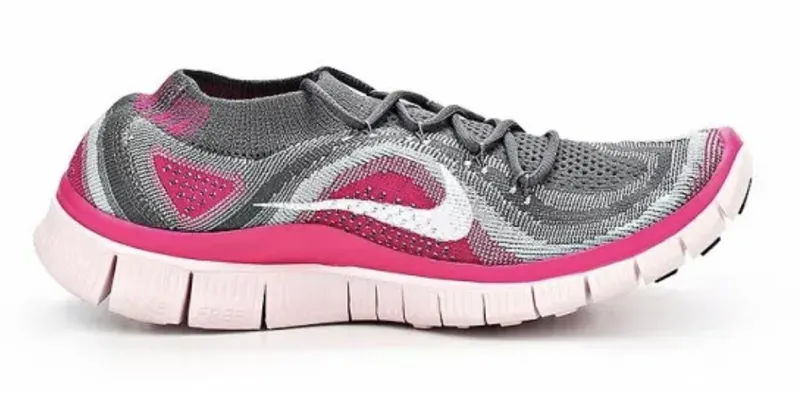
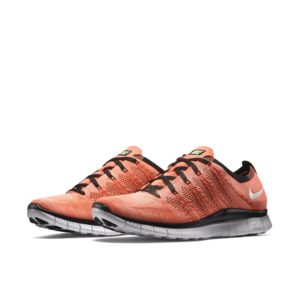
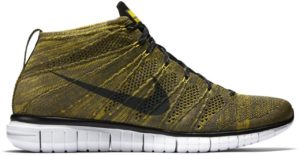
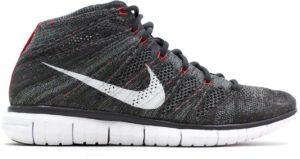
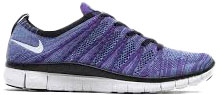
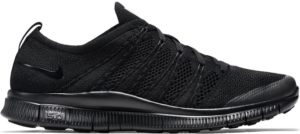
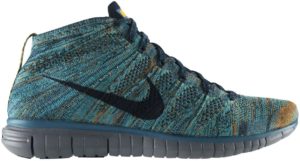
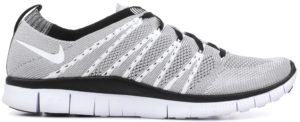
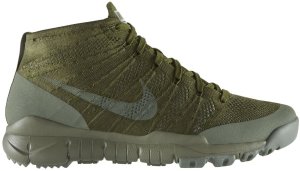
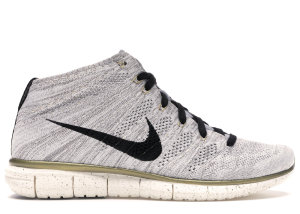
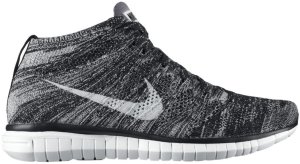
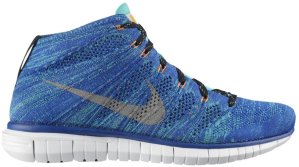
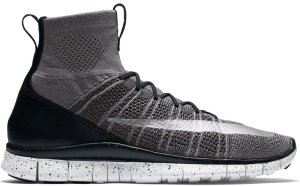

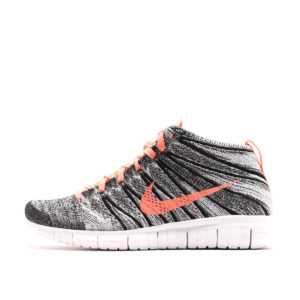
Which Nike Free Flyknit gives off the strongest hype signal?
The Hypescore reads the signal strength of every Nike Free Flyknit colorway. Community votes, resale movement, search demand and scarcity together decide how much hype a sneaker gives off, expressed in GSv. On the left the strongest hype signals, on the right the colorways just being picked up and rising fast.
About Nike Free Flyknit
Nike Free Flyknit combines an ultra-supple Free sole with a seamless Flyknit upper. The shoes feel extremely light and flexible. The sole allows your foot to bend naturally. The Flyknit upper follows your foot shape like a sock. Breathable yarn prevents excessive sweating during intense use. Nike developed Free in 2004 from barefoot-running ideas. Designers wanted to simulate natural foot movement with flex grooves in the sole. Flyknit debuted in 2012 with advanced industrial knitting machines. Engineers produced uppers that saved weight and fit seamlessly. Nike combined both technologies to make this hybrid. Fit runs narrow but the stretch provides extra comfort. Around the ankle there is a soft collar that reduces friction. The lacing system lets you fine-tune fit without creating pressure points. Sole construction uses flex grooves for multi-directional movement. Cushioning feels direct and low to the ground for better feedback. Rubber pods on the outsole increase grip on urban surfaces. Weights vary by size, but are generally under 250 grams per shoe. Use is logical for short runs and all-day casual wear. Some runners combine them with insoles for extra cushioning. The upper is easy to clean with a soft brush and mild detergent. Avoid machine washing; hand washing preserves the knit and extends lifespan. Colorways range from neutral to bright accent colors for bolder looks.Upper: one-piece Flyknit, strategic ventilation zones and reinforced toe cap.Sole: Free-inspired laser-cut grooves for natural flexibility.Cushioning: low-profile foam for direct feedback and light impact absorption.Weight: race-worthy lightness, generally around 200-250 grams per shoe.Fit: narrow at the midfoot, stretchable in the forefoot due to the knit structure.Grip: strategic rubber pods for urban surfaces and durable contact. Materials consist of nylon and polyester yarns with TPU reinforcements. The sole uses EVA or Phylon depending on the release and year. Reflective details appear on certain colorways for better visibility. Some versions include extra insoles for cushioning and platform variations. Production chains vary between Nike factories in Vietnam and China per batch. Retail prices fluctuate with collabs and limited drops. Collabs sometimes add extra details, like unique knit patterns or premium labels. Care: let them air dry and stuff the shoe with newspaper to retain shape. Sizing advice: order your normal size or go up half a size for wide feet. Some pairs show toe wear with intensive street use. Replacing the laces can improve the lockdown feel in loose fits. Technical reviews praise the balance between flexibility and functional feedback. Streetstyle editors often wore them with shorts and a sockless look. Pair neutral colorways with denim or bold colorways with technical joggers. Those who are fans of the barefoot feel appreciate the direct ground feedback. Runners who seek a lot of cushioning often choose other Nike lines. Different drops have subtle differences in foam formulations and rubber compounds. Check the product code on the tongue or insole for authenticity checks. Replicas often lack the precise knit structure and the correct sole flex. Retailers often list ‘Flyknit’ in the product title; always read material descriptions. Colors and construction details differ by season and limited edition. In any case: these sneakers mark Nike’s pursuit of natural foot movement and lightweight performance. Check prices and sizes on Solezilla.nl: sneaker search engine with 100,000+ sneakers from 130+ webshops to compare prices and sizes.