

Nike Air Zoom Structure Sneaker
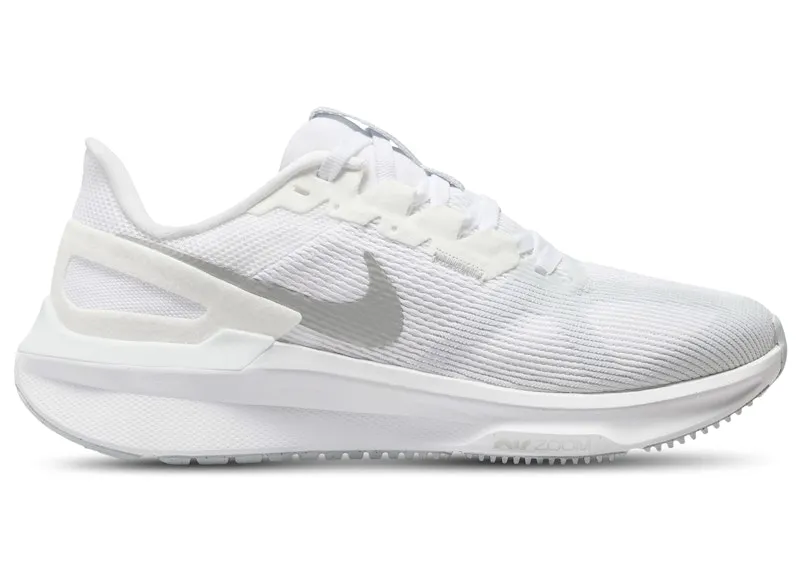
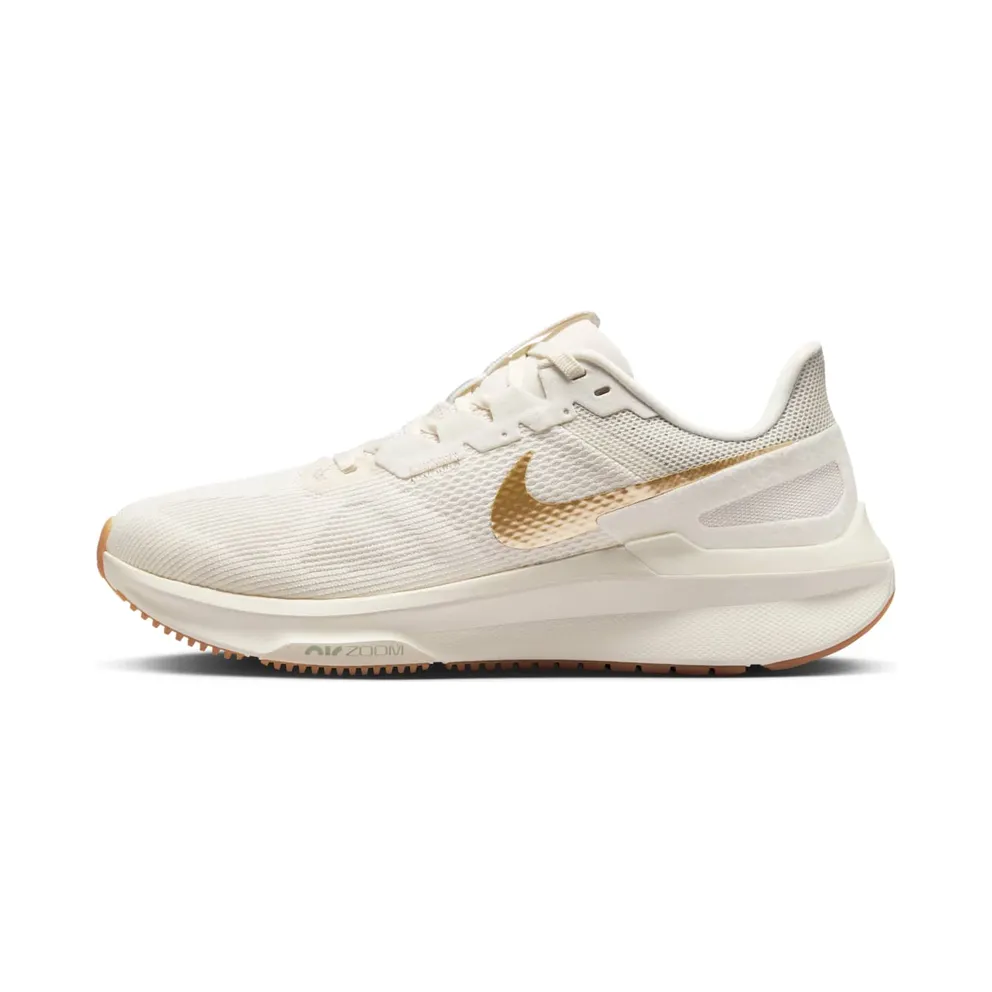
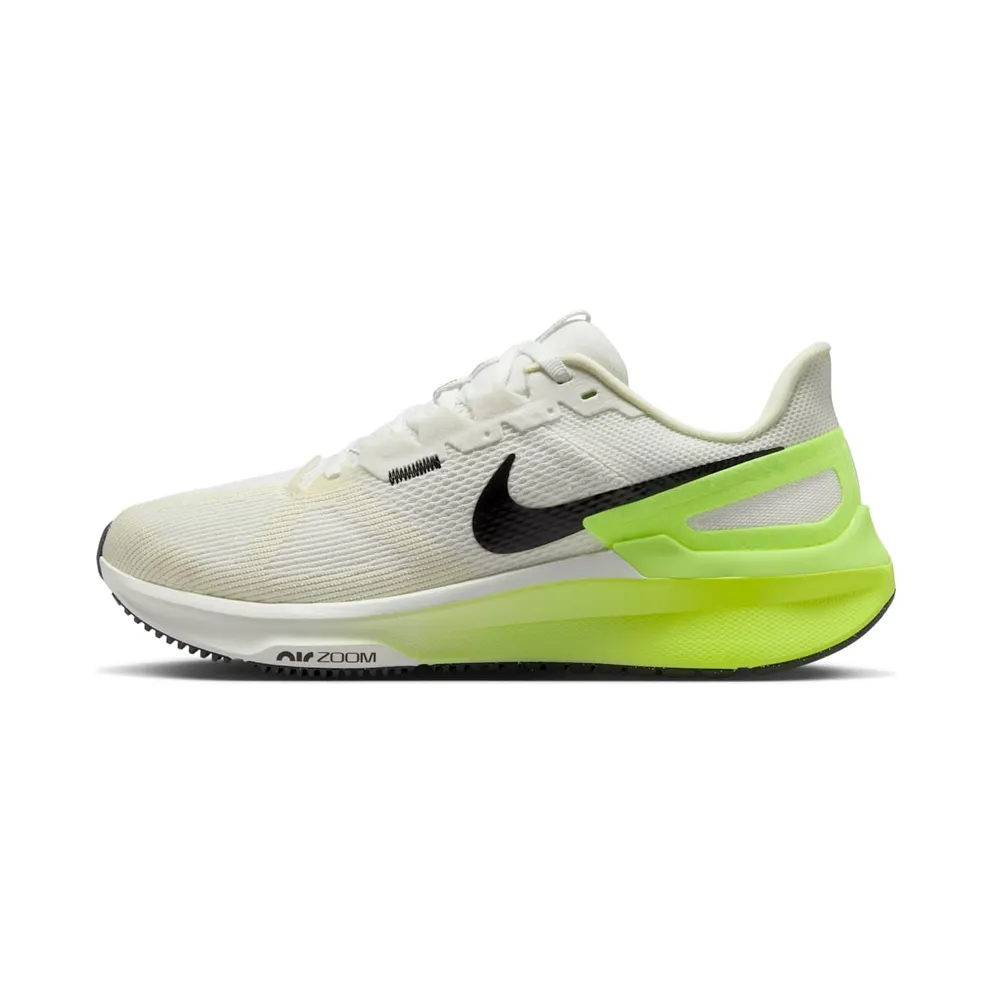
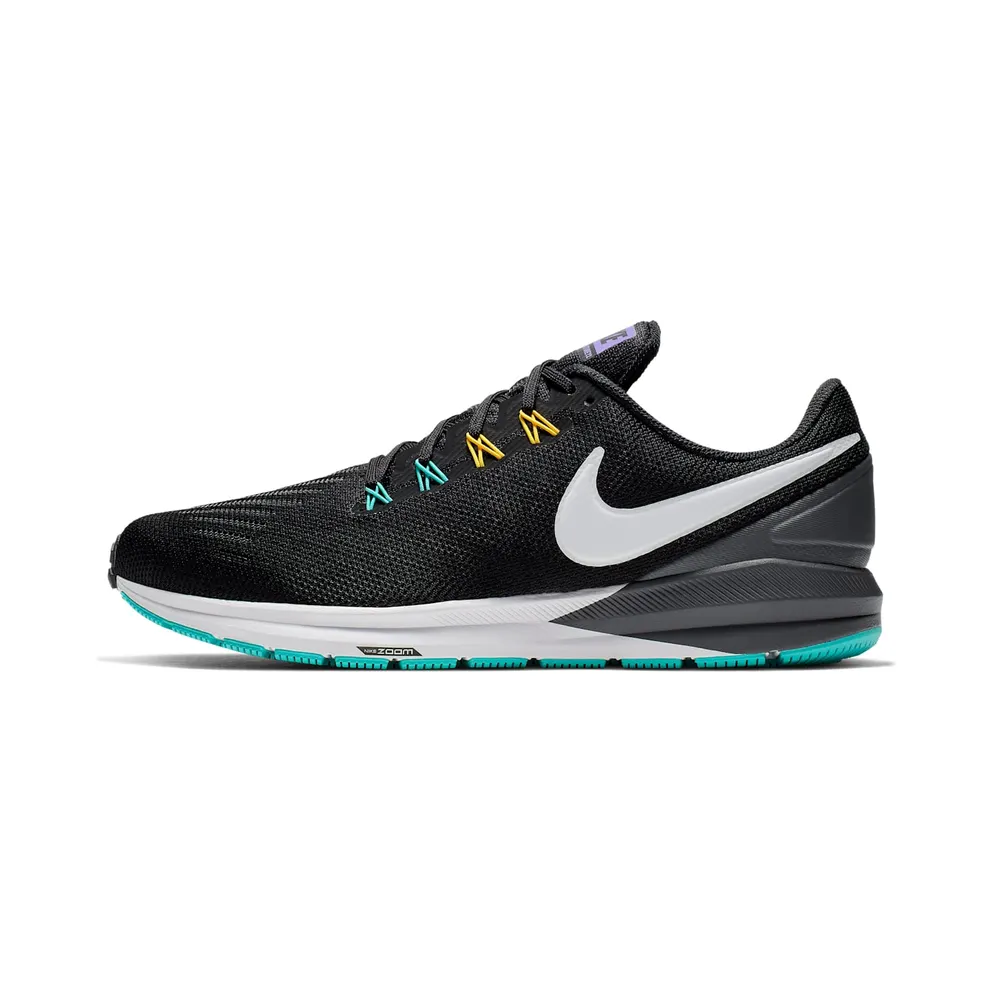
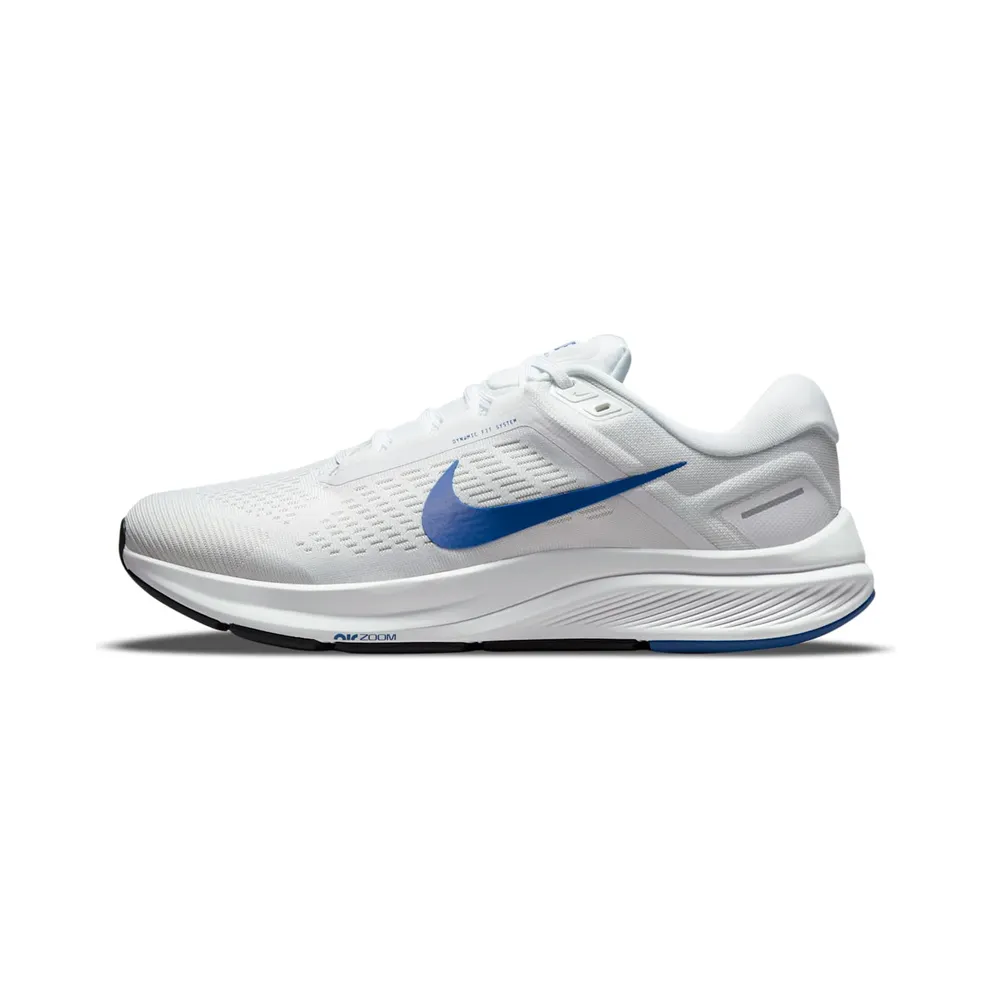
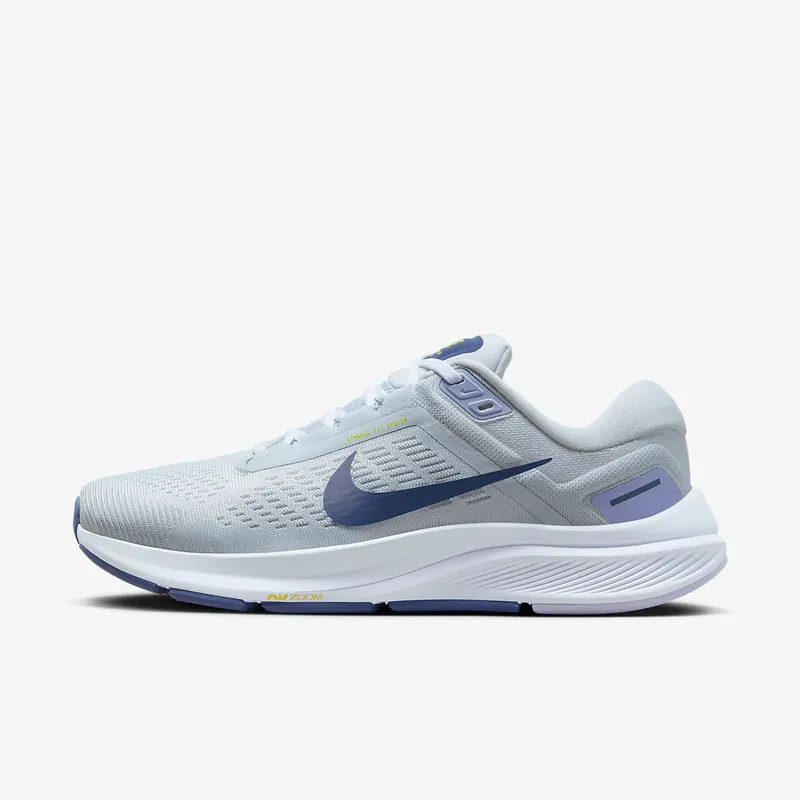
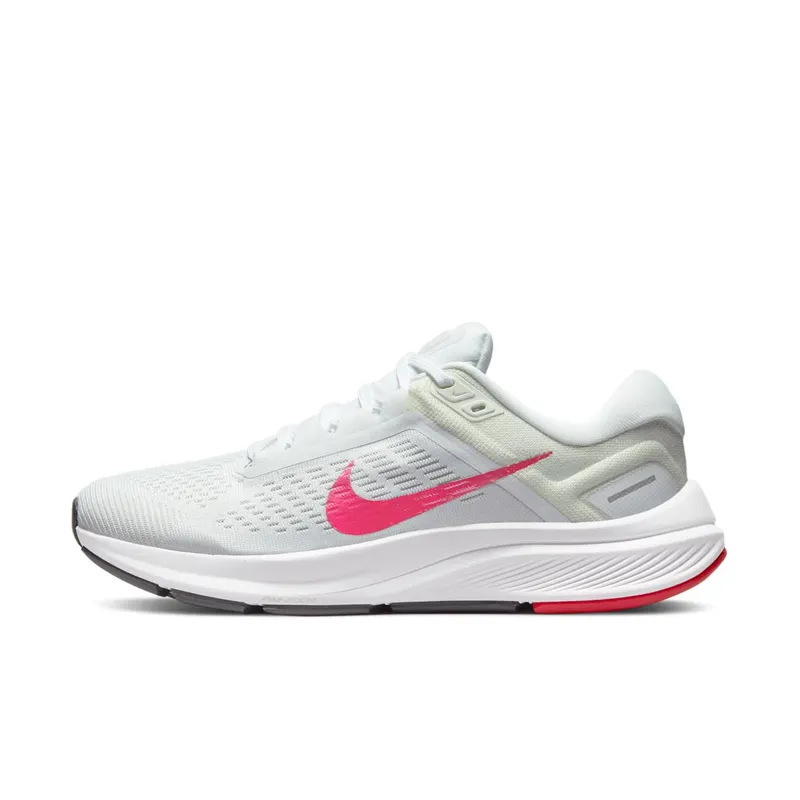
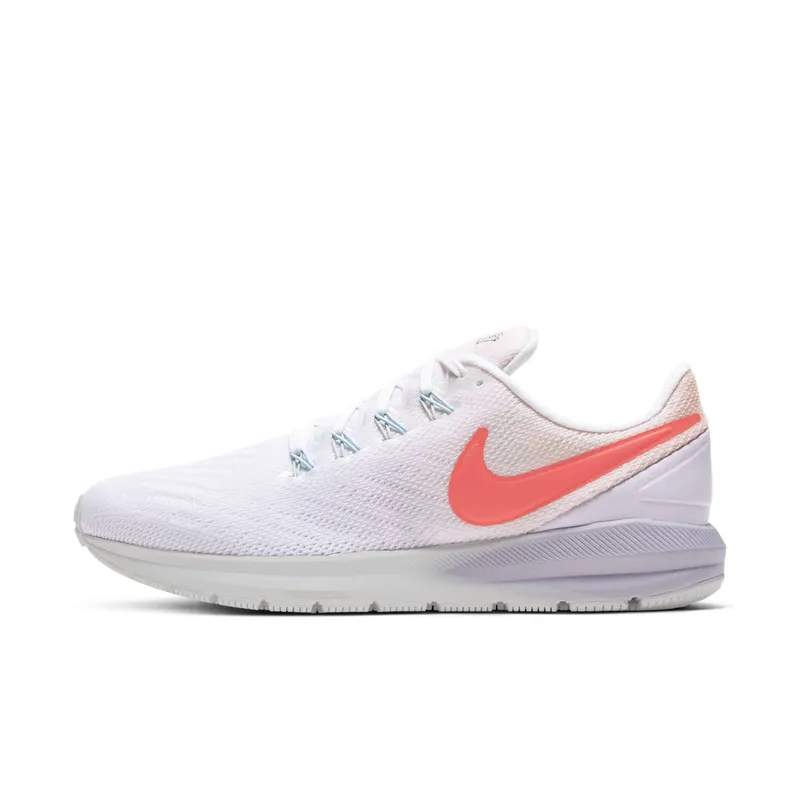
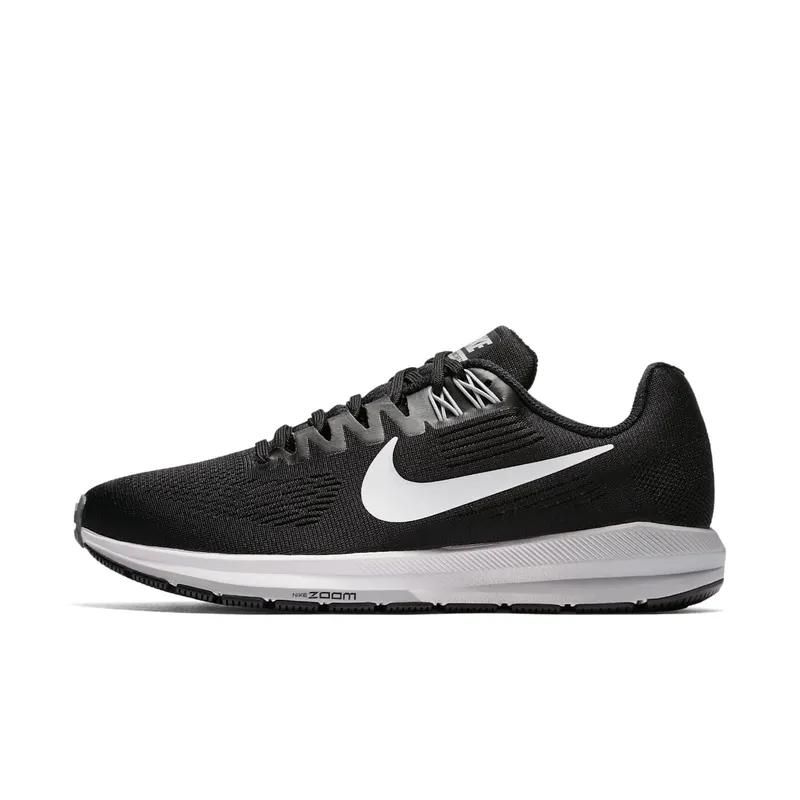
The Nike Air Zoom Structure offers stability without stiffness, designed for runners who want to tame overpronation. A responsive Zoom Air unit in the forefoot delivers immediate cushioning with each toe-off. The reinforced midsole with a medial post corrects smoothly without compromising your running form. Breathable engineered mesh upper keeps feet cool on long runs. A firm heel counter provides solar-plexus support during quick turns. Durable rubber outsole provides traction on wet and dry surfaces. Modern design disguises technical specifications as an everyday comfort shoe. Scroll down to view the available variants and sizes.
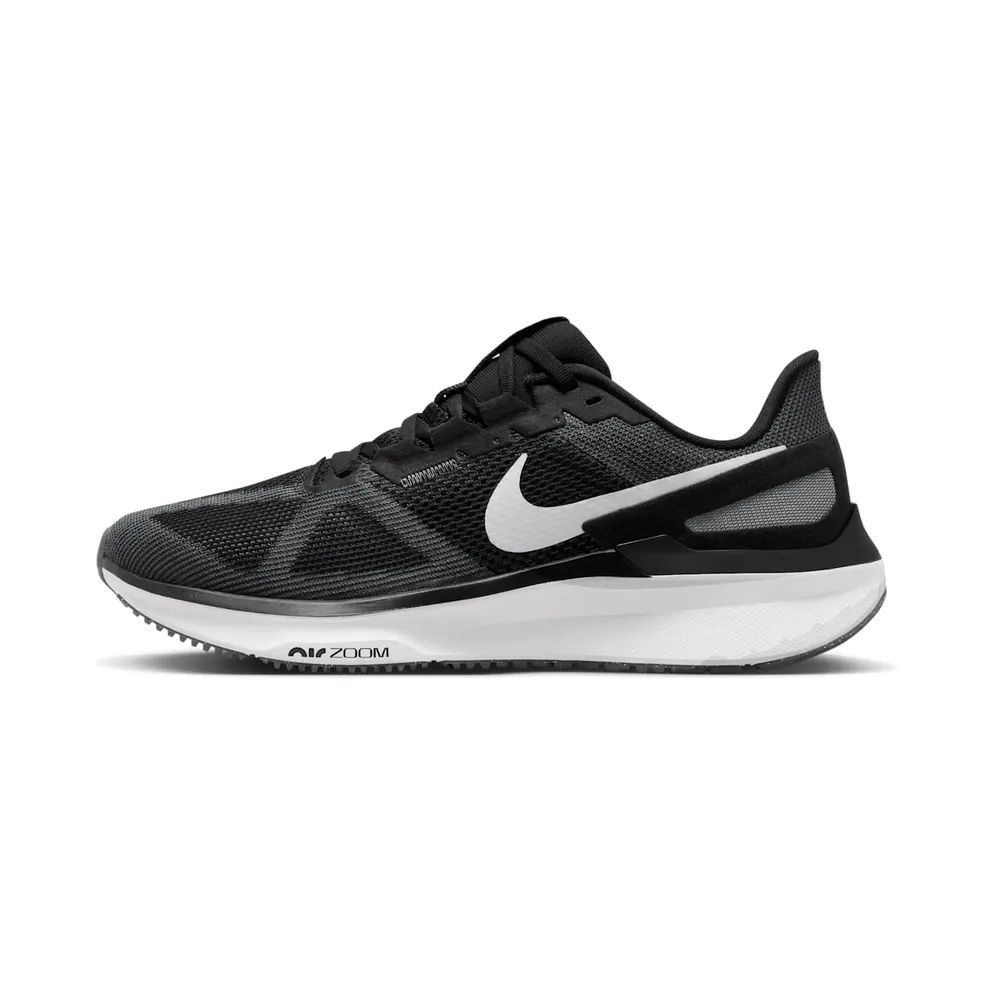
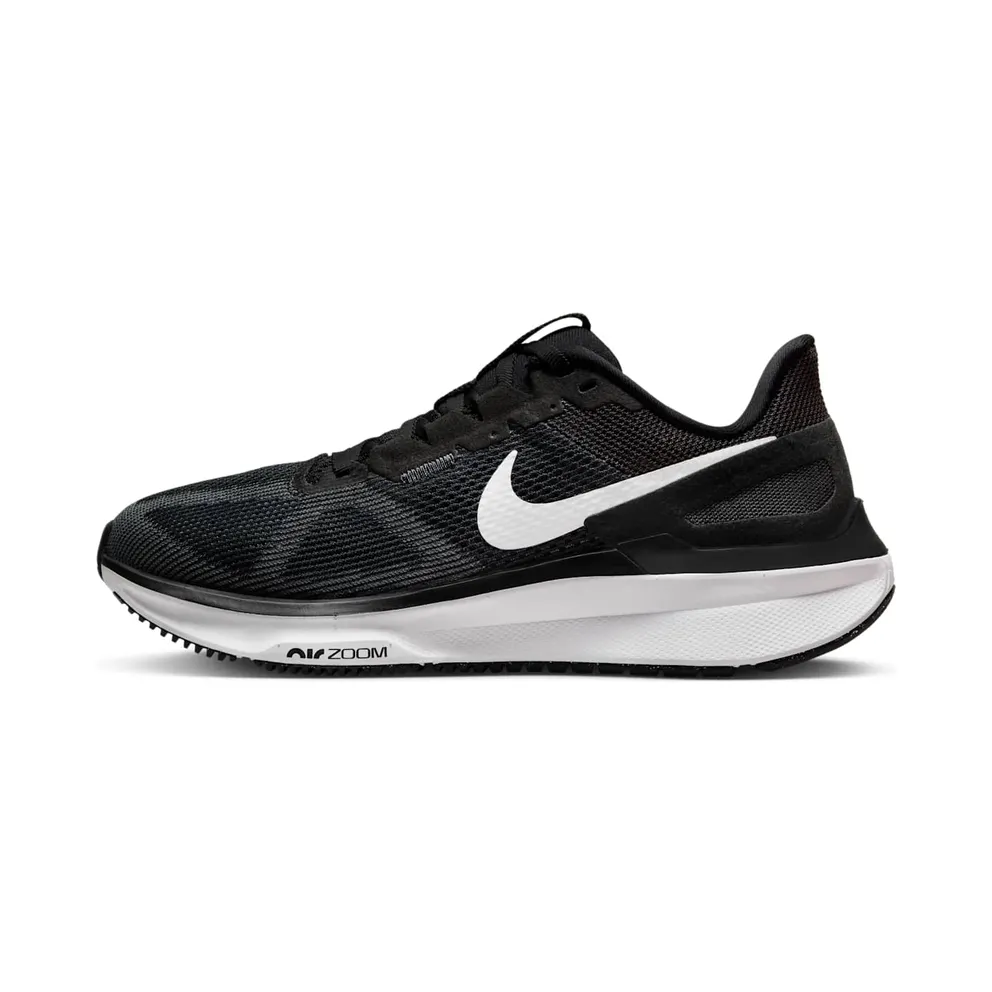
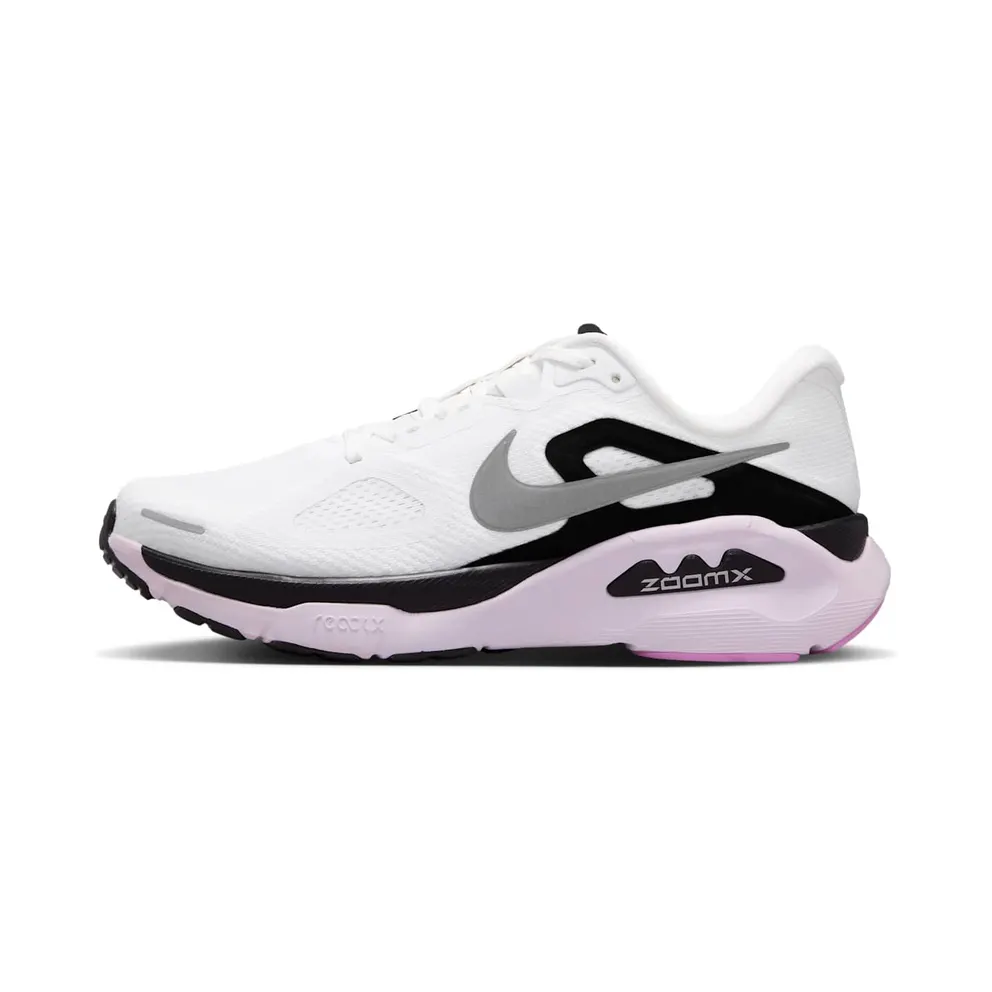

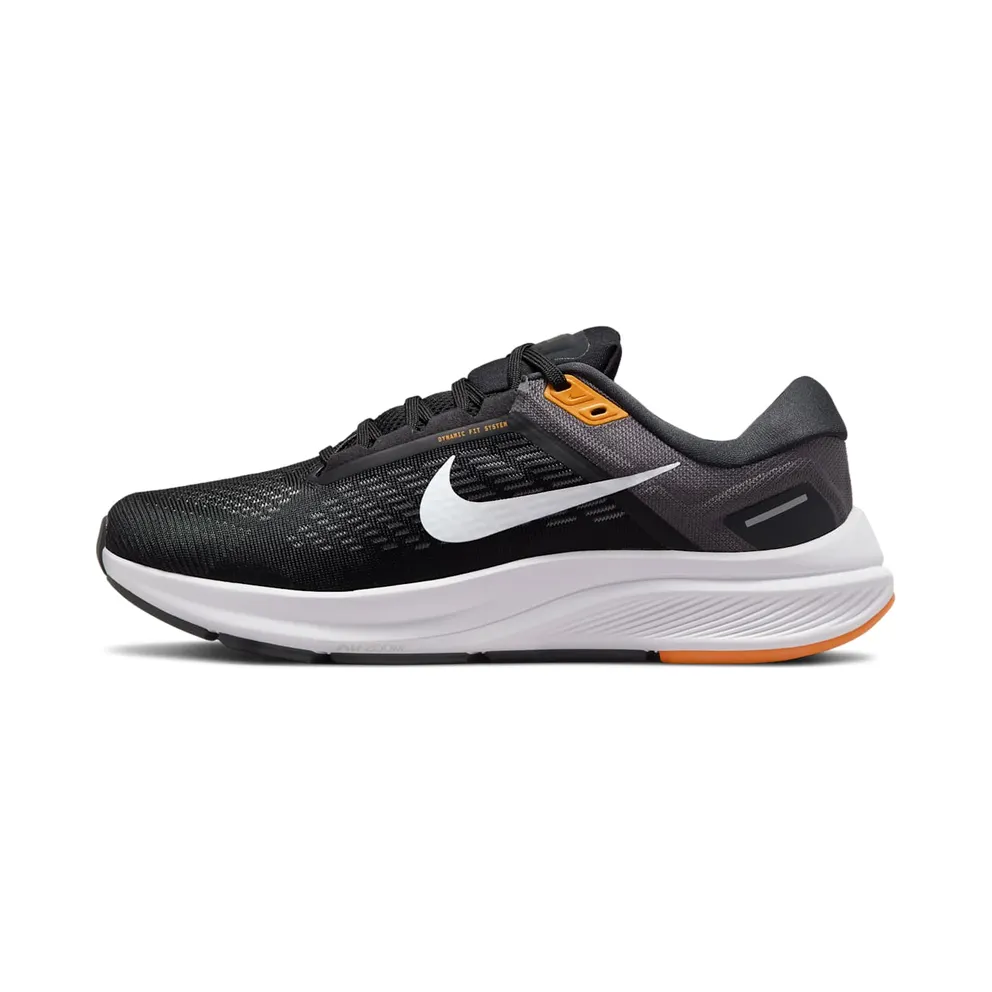



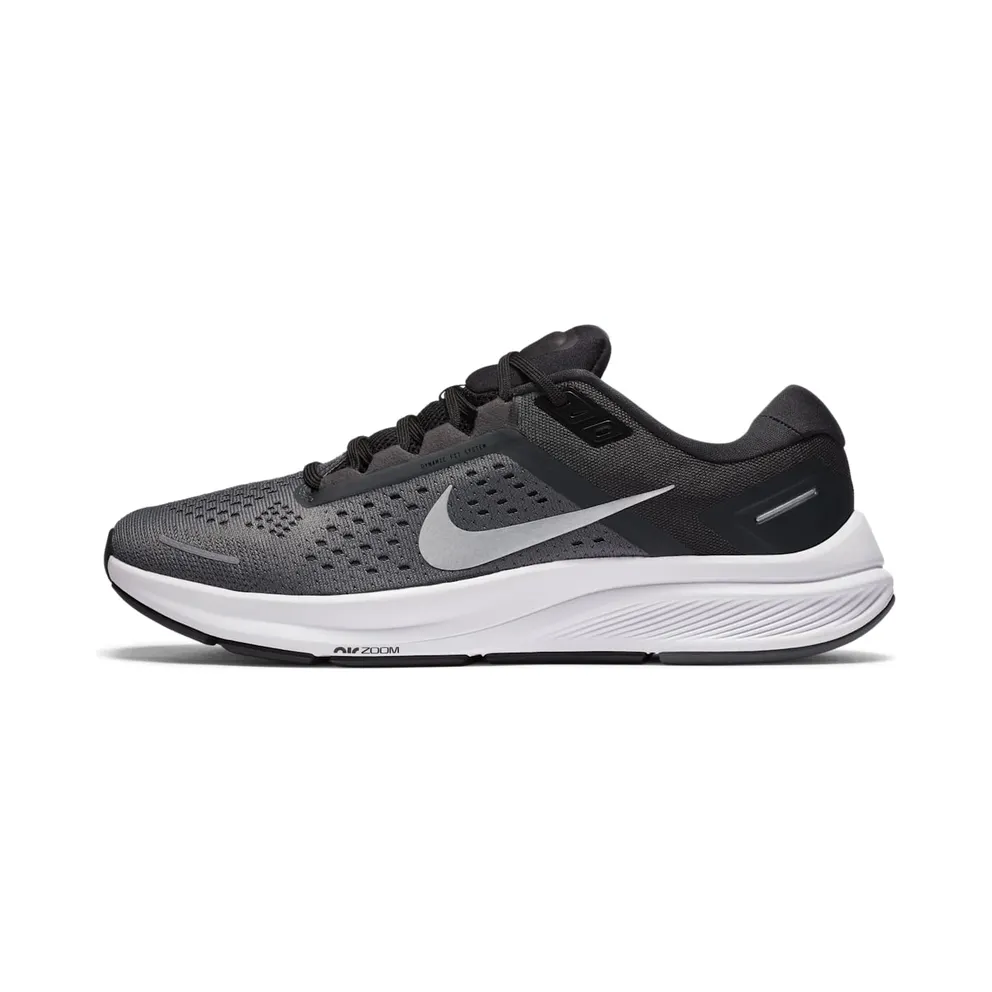
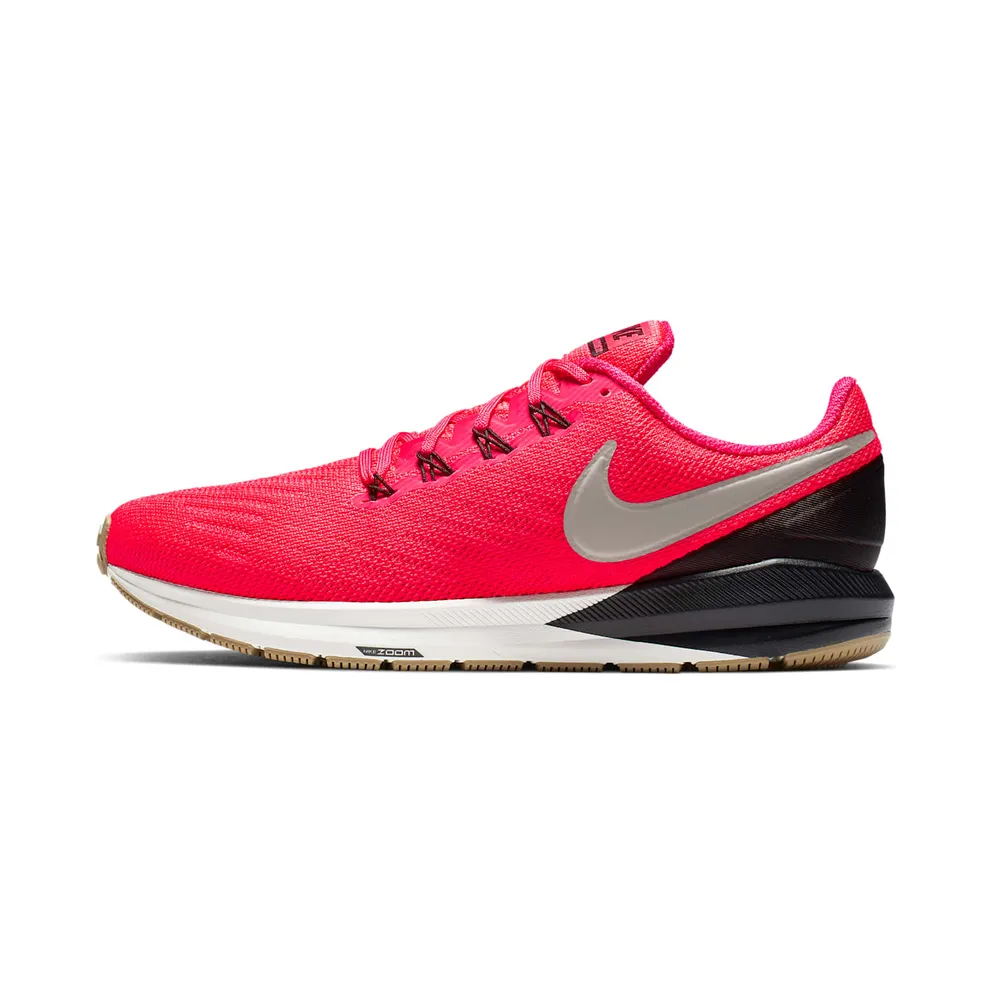
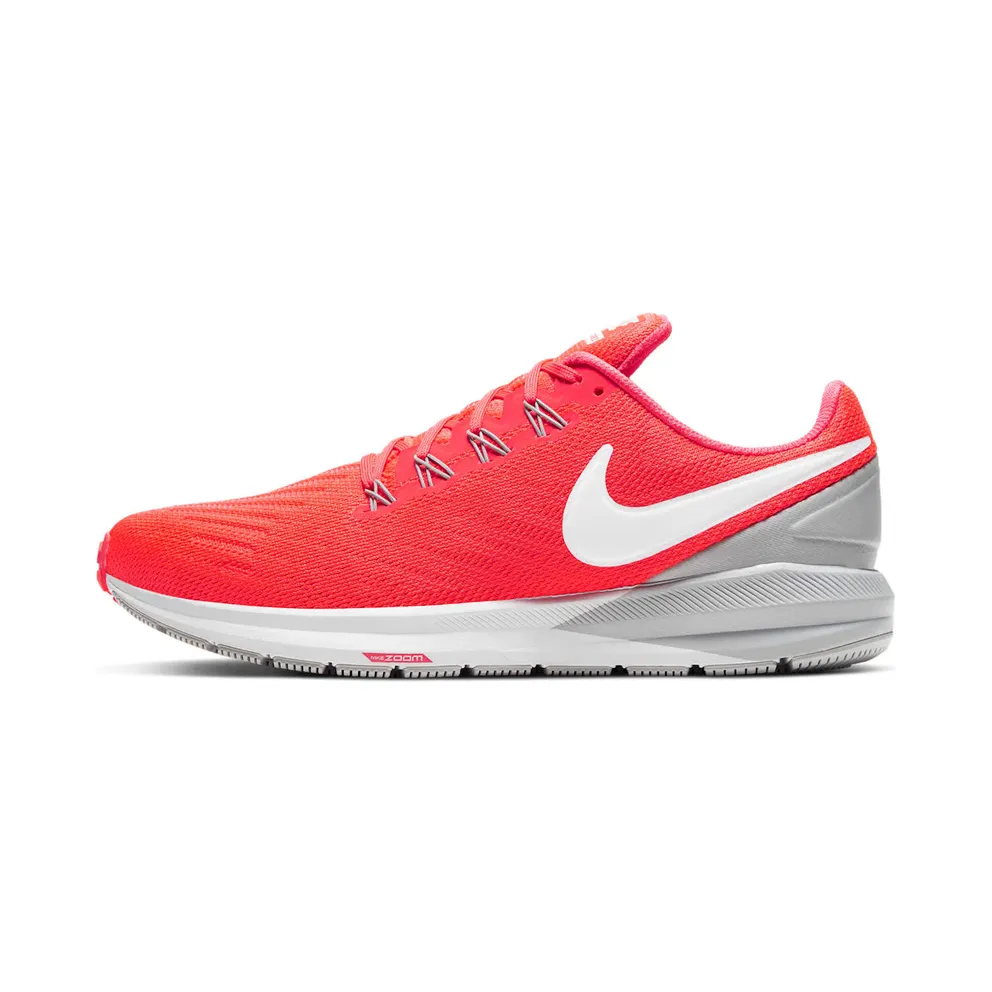
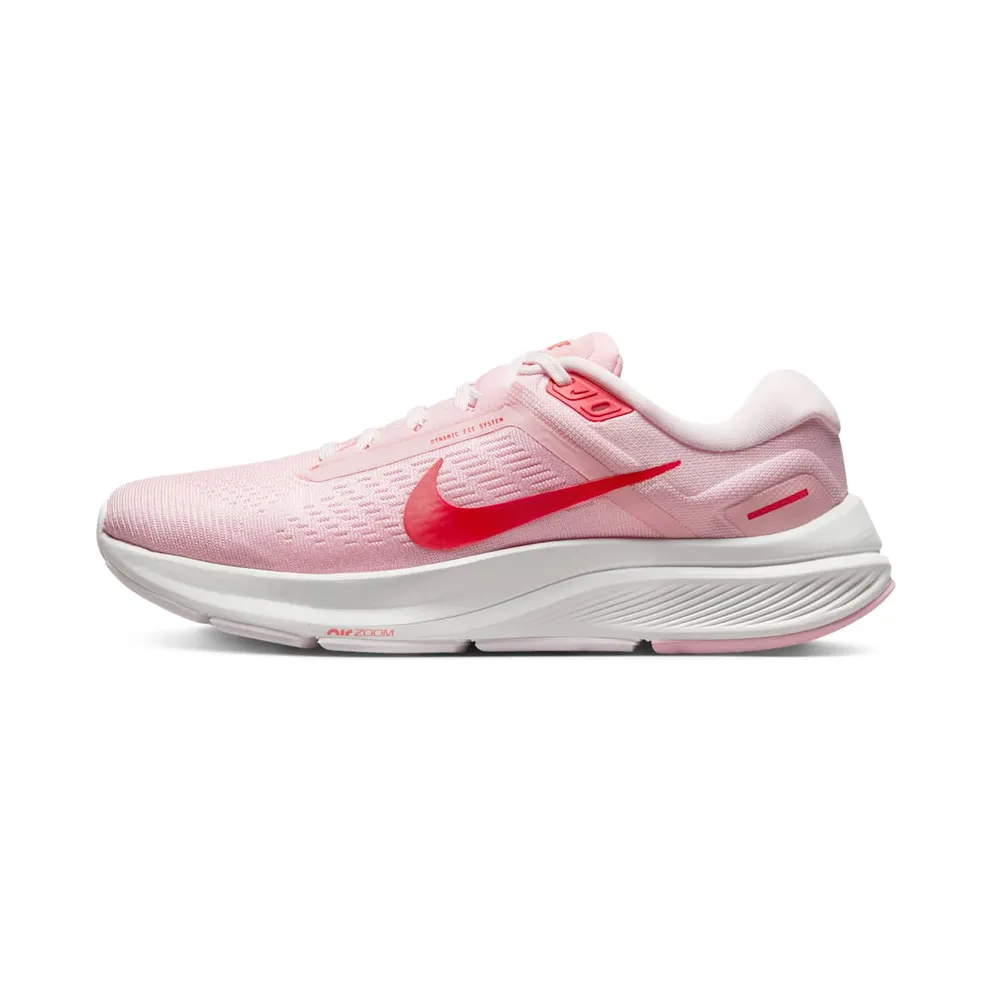
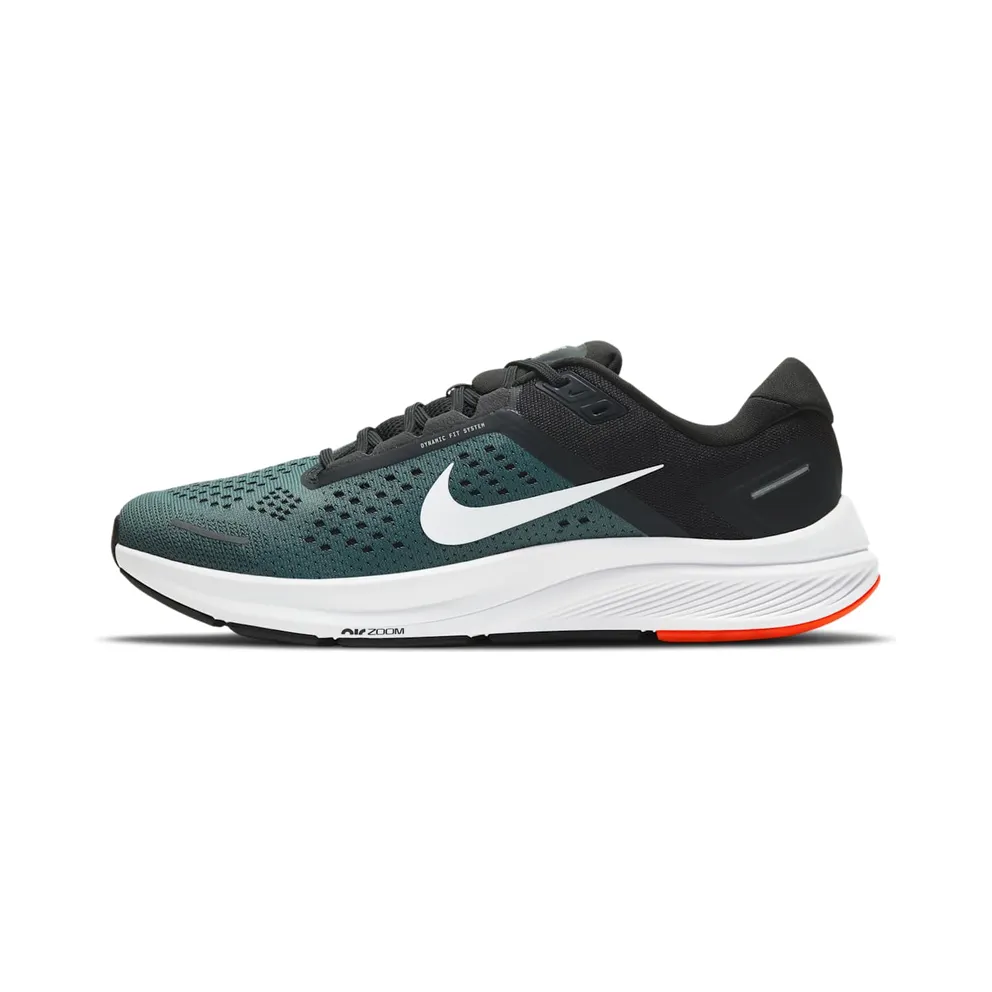
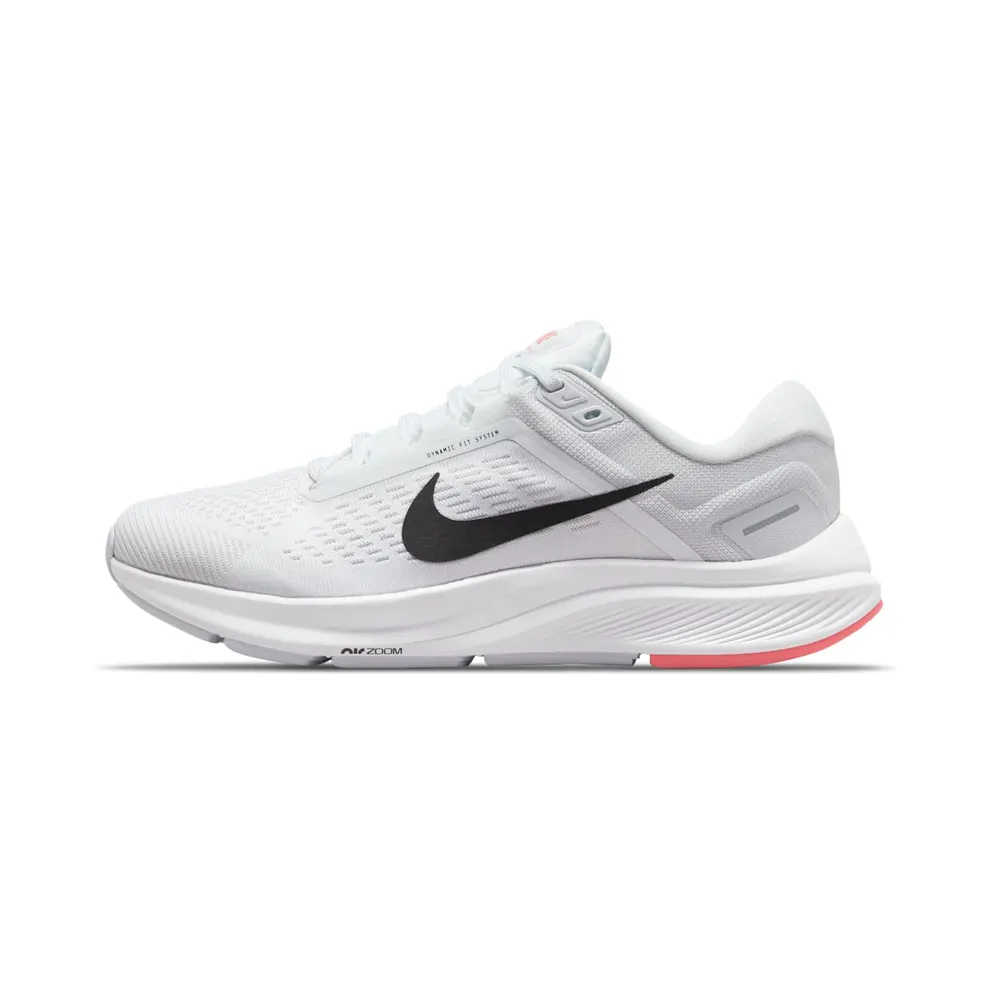
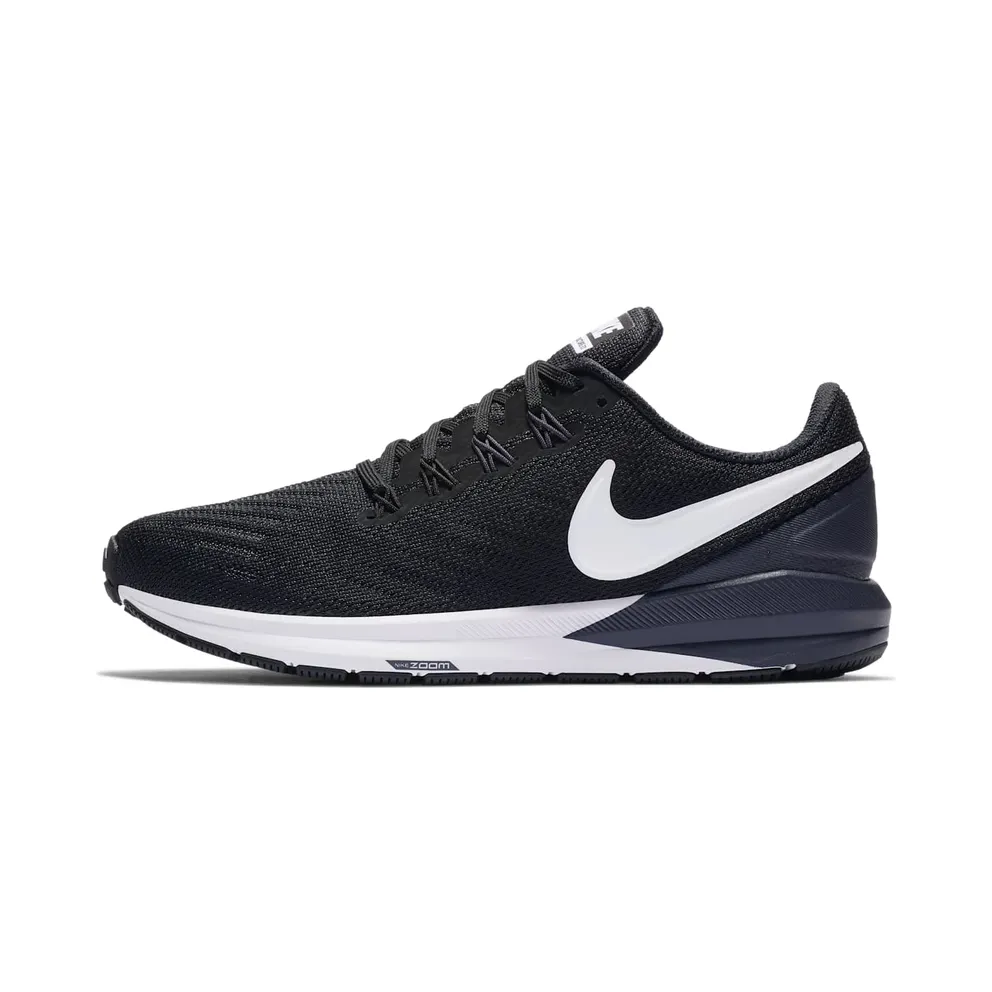
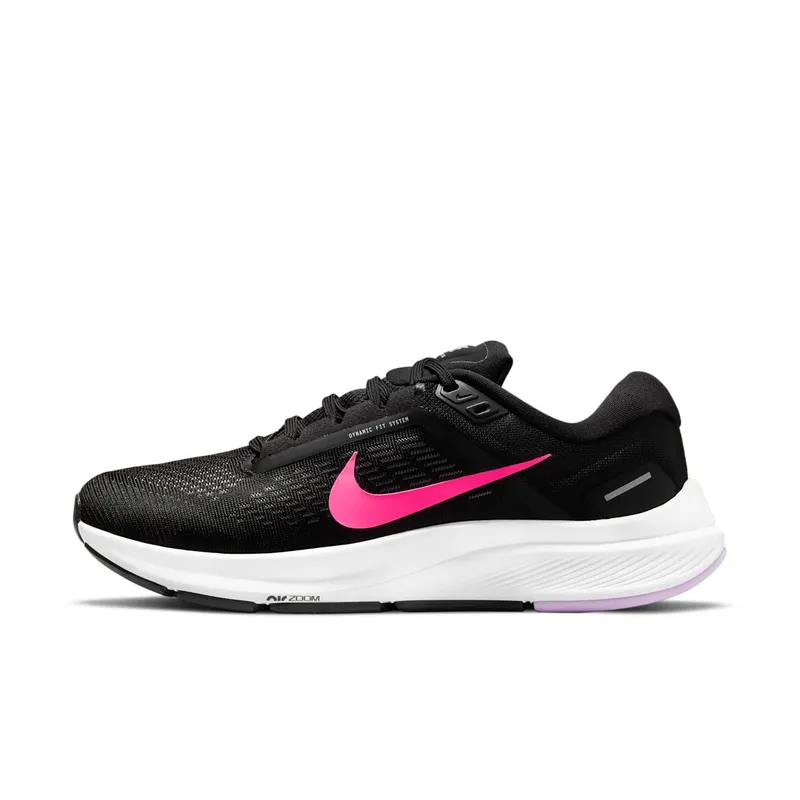
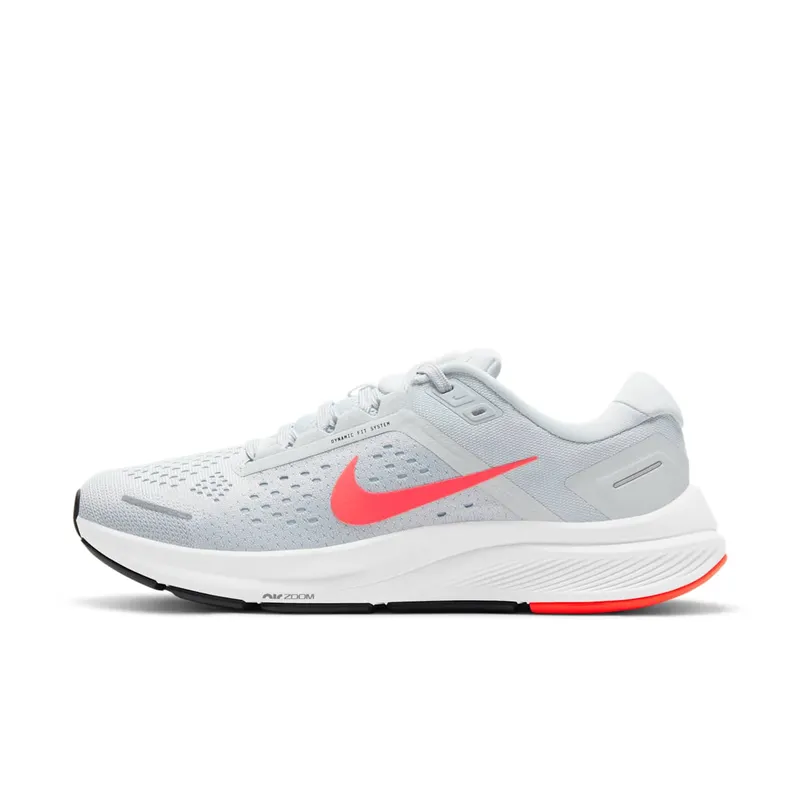
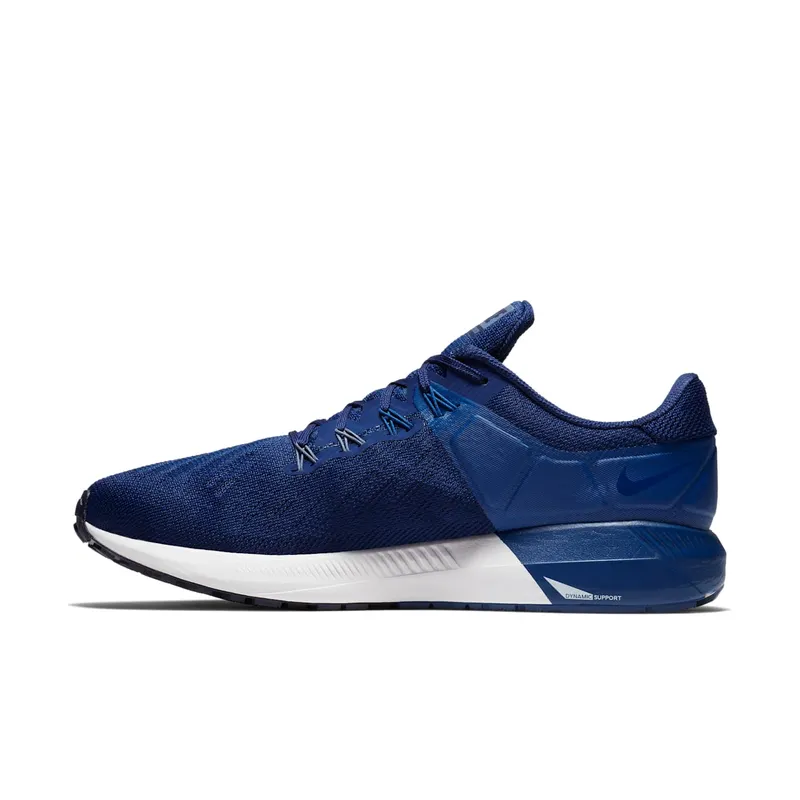
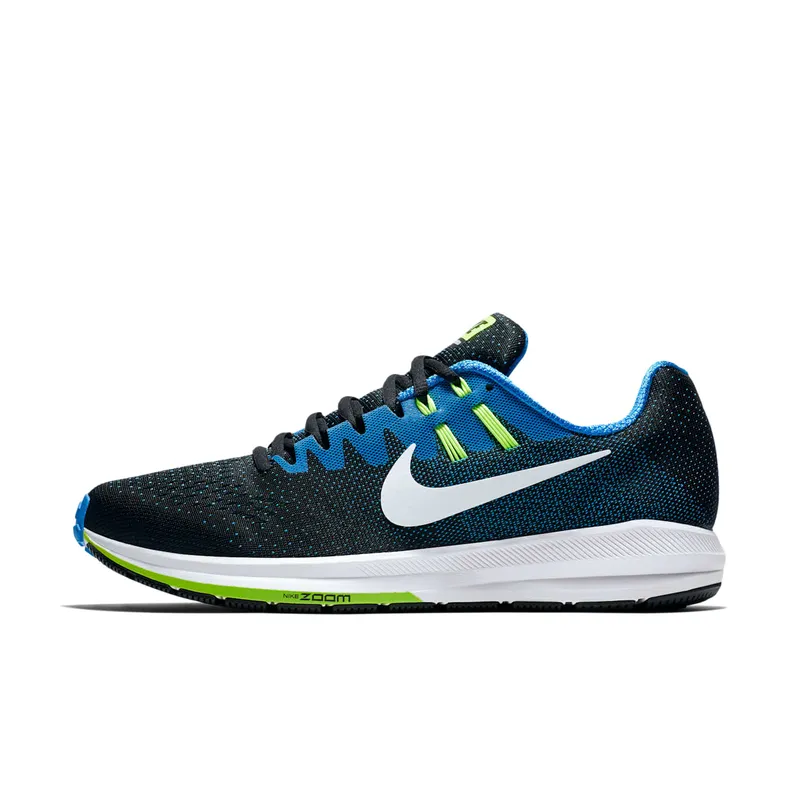
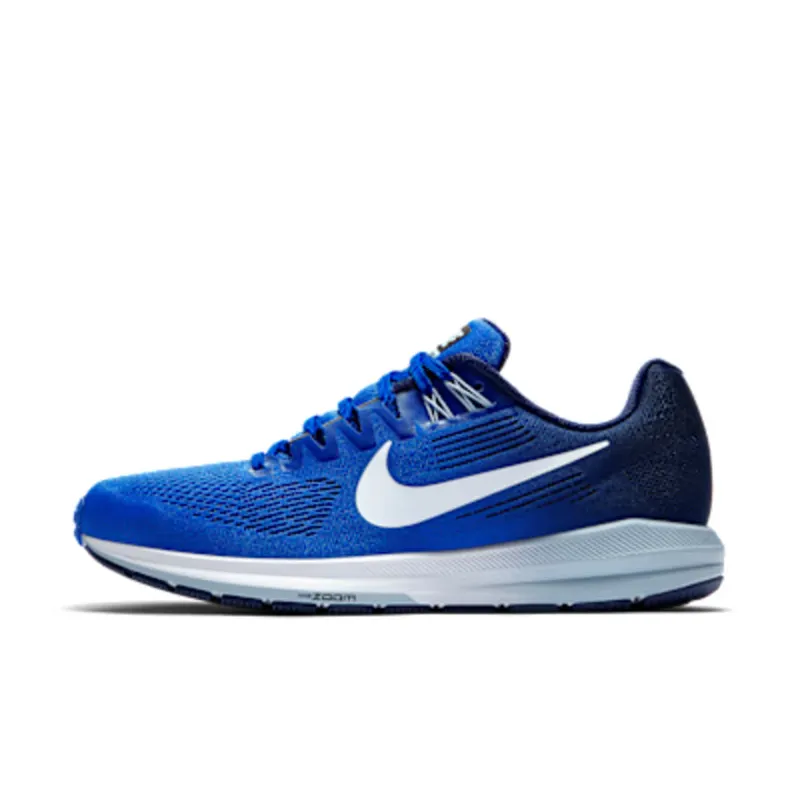
Which Nike Air Zoom Structure gives off the strongest hype signal?
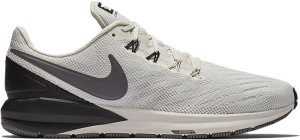
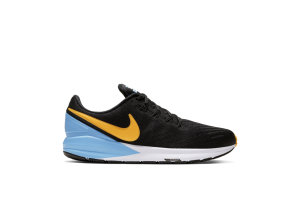
The Hypescore reads the signal strength of every Nike Air Zoom Structure colorway. Community votes, resale movement, search demand and scarcity together decide how much hype a sneaker gives off, expressed in GSv. On the left the strongest hype signals, on the right the colorways just being picked up and rising fast.
About Nike Air Zoom Structure
Nike Air Zoom Structure combines targeted stability with direct responsiveness for runners who value control above all, and shows that support can also look fresh. This model originated with Nike’s running design team in response to clear questions from runners and coaches about overpronation and consistent cushioning over long distances. The team based the concepts on biomechanical tests and gait analysis, and implemented technical solutions that united stability and the attenuating Zoom Air response. The name Structure refers to the philosophy: build parts that do their job without ornamentation. The latest versions stick to that core and modernize fit and materials without losing the focus on stability. You feel the intent as soon as you pick up the shoe; the construction feels purposeful, not fashionable. The fit follows a classic running profile with a slightly roomier toe box for natural toe-off during longer runs. The upper often uses engineered mesh that breathes while still providing enough structural support around the midfoot. Many iterations combine mesh with synthetic overlays that limit hotspots and secure the footbed without pinching. The lacing system works directly and holds the foot in place, and some versions integrate a subtle midfoot saddle for extra lock-down. In the midsole you see a combination of responsive foam and a visible or strategically placed Zoom Air unit under the forefoot. The Zoom Air unit provides low-profile flex and gives direct feedback at each toe-off. In addition, there is a dense foam construction against the inside of the midsole that corrects overpronation by making the medial side slightly firmer. Nike often calls this system Dynamic Support, but the core remains: variable density to manage roll and control. The outsole uses rubber zones on wear areas to improve grip on asphalt and wet roads. Some editions integrate flex grooves for smoother transitions and less resistance during toe-off. Heel stability comes from a lightly reinforced heel counter that guides the Achilles and ankle during landing. Weight varies by version, but the hierarchy stays practical: enough cushioning without unnecessary bulk. The drop usually ranges between 8 and 10 millimeters, a daily standard for runners who seek stability with a natural cadence. The sole construction provides predictable transitions and a solid platform feel during quick pace changes. Designers add subtle reflective details for visibility during early or late runs. Colorways range from quiet neutral tones to bold, contrasting combinations for those who want to stand out during interval sessions. Durability is good for daily use; wear concentrates mainly on the forefoot with intensive miles. Maintenance remains simple: remove stains with a soft brush and lukewarm soapy water, and avoid machine washing to preserve fit and cushioning.
Feature overview:Upper: engineered mesh with synthetic overlays for ventilation and midfoot lock.Midsole: combination of responsive foam and strategic Zoom Air unit for direct rebound.Stability: Dynamic Support/medial density differences correct overpronation without feeling stiff.Outsole: rubber with wear zones and flex grooves for grip and smooth transitions.Fit: roomy toe box with precise midfoot lock; suitable for wider feet that still want control.Drop and weight: around 8–10 mm drop; light enough for daily miles.Durability: solid for asphalt and long training weeks, retention of cushioning under normal use.
Who is it for?
Runners who want to curb overpronation without excessive stiffness choose this model for the combination of control and responsiveness. Daily trainers also find stability here without the firm feel of traditional corrective shoes. Those who seek faster paces will appreciate the Zoom Air response once you pick up the tempo and shorten the stride. Fit advice: choose your usual running size; if you’re between sizes, consider a half size up for wide forefeet. Style tip: pair with slim running tights or casual jeans; the shoes retain their athletic look and work surprisingly well with streetwear. Technical comparisons with competitors emphasize that this model feels more controllable and predictable, rather than bounce-oriented and soft like some maximal-cushioning models. The Structure focuses on pragmatism: functional details you notice during miles, not just in photos. If you train a lot outdoors in variable weather, pay attention to the rubber compound and choose editions with extra grip. For speed work, pair the sneaker with lighter, more responsive models for race or tempo days. History in one sentence: the concept arose from Nike’s running design team, inspired by gait analysis and the desire for stable cushioning for overpronating runners. Design philosophy explanation: the team built layers of function, not layers of marketing. Conclusion without sales pitch: this is a solid, technical running shoe for those who want stability without sacrificing turnover. Interested? Search and compare this shoe on Solezilla.nl, the sneaker search engine with more than 100,000 sneakers from over 140 stores, to find the best price and available sizes.