

Nike Air Zoom Structure 22 Sneaker
The Nike Air Zoom Structure 22 is a stability runner with a clear mission: controlled pace, no fuss. The integrated Zoom Air unit in the forefoot provides responsive toe-off without overly soft cushioning. A dual-density midsole with a medial post corrects overpronation over long distances. The engineered mesh upper is breathable and secures the foot with subtle Flywire reinforcement. The sturdy heel counter and durable rubber outsole keep you on track across wet pavements and cobblestones. For those who want a precise stride while staying comfortable, this is a smart choice.
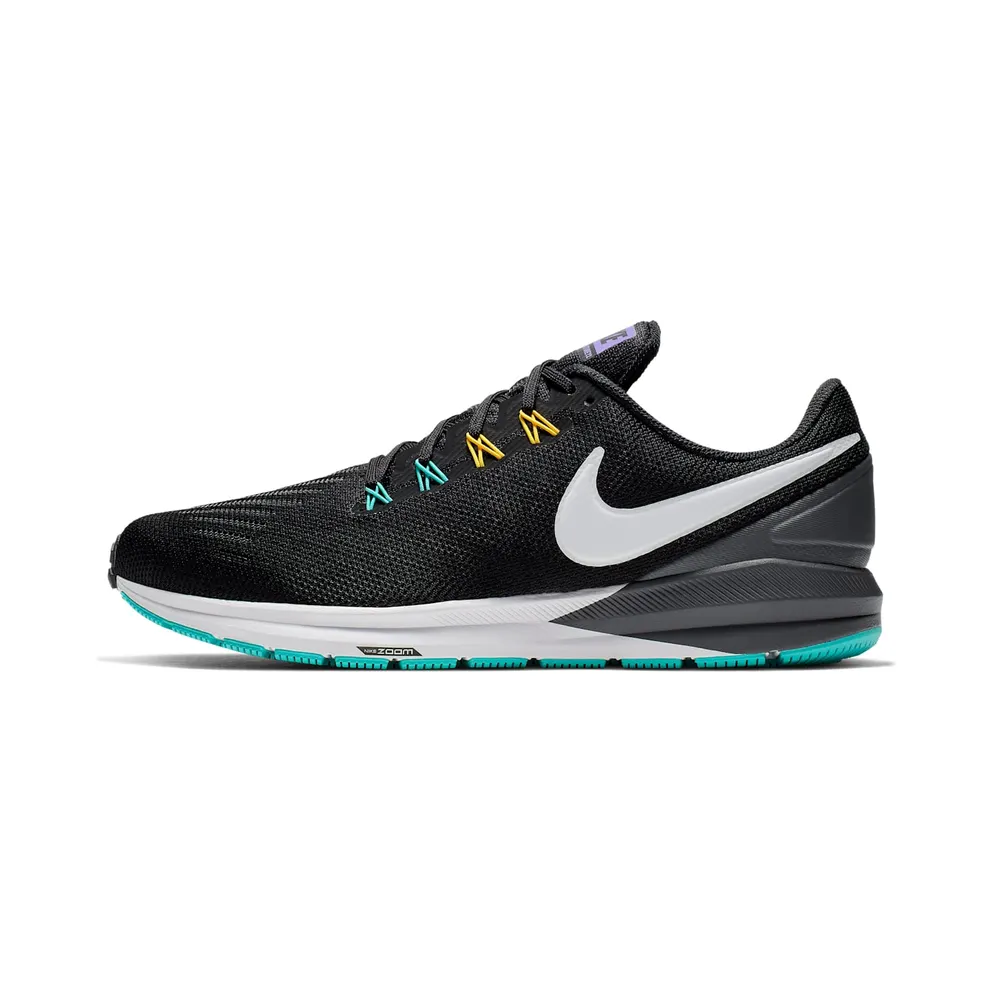
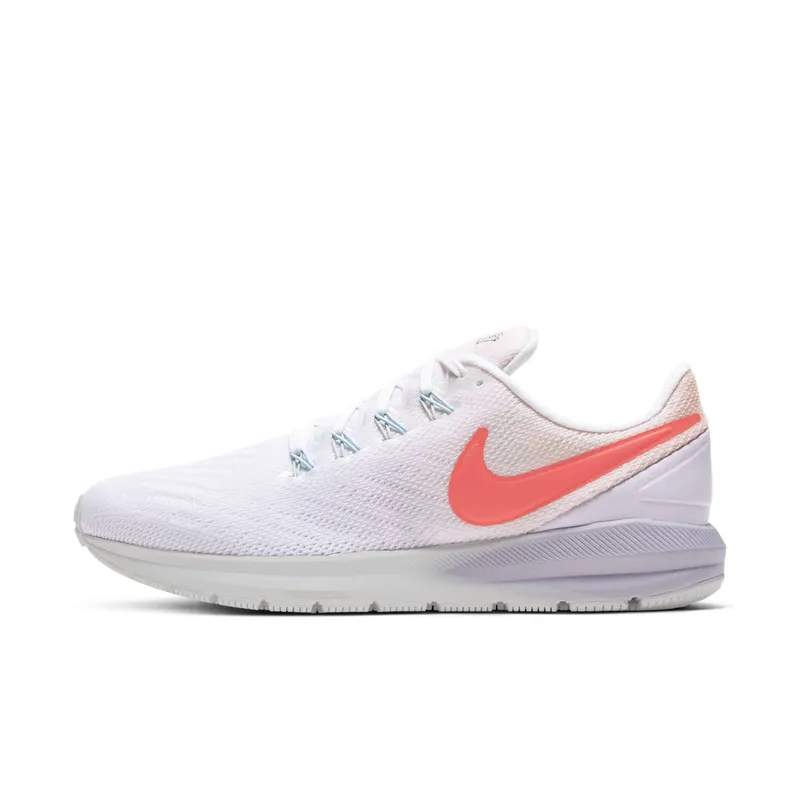
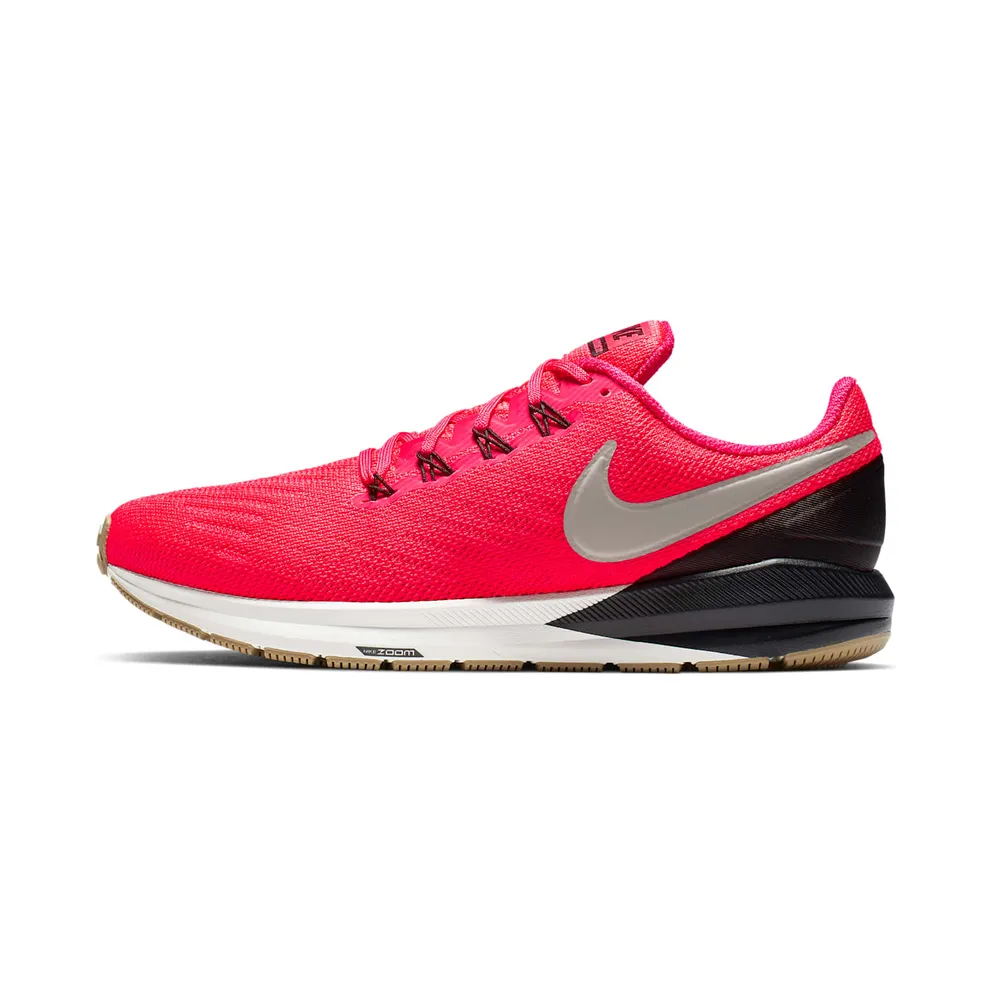
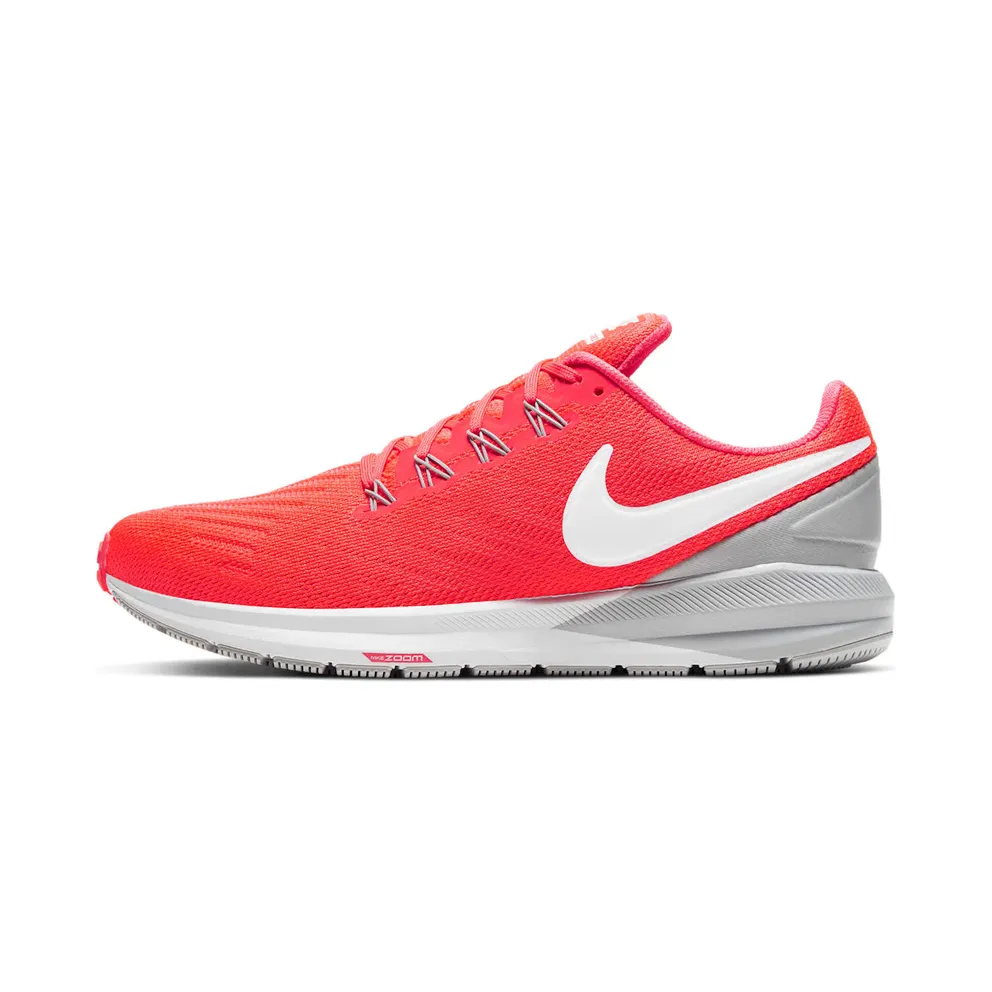
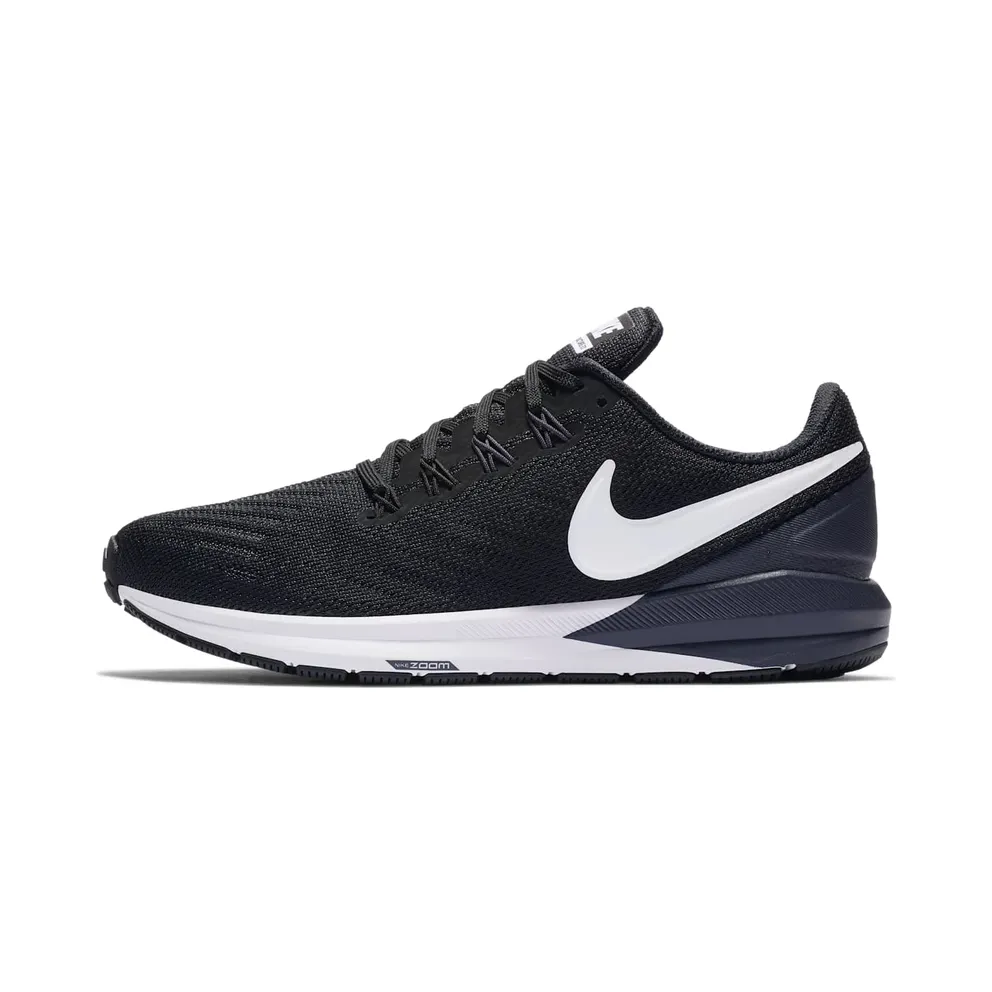
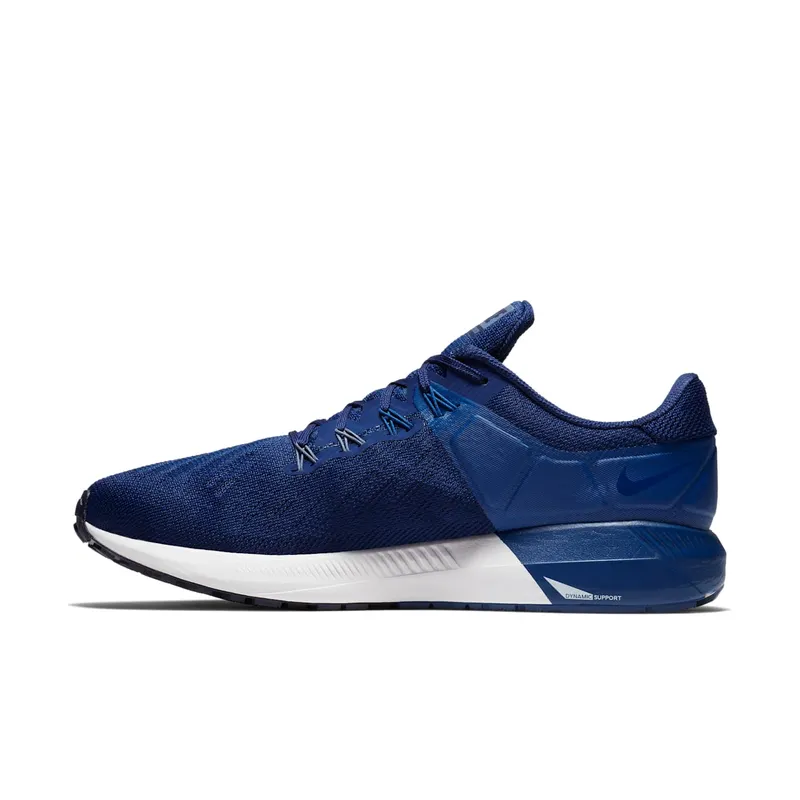
Which Nike Air Zoom Structure 22 gives off the strongest hype signal?
The Hypescore reads the signal strength of every Nike Air Zoom Structure 22 colorway. Community votes, resale movement, search demand and scarcity together decide how much hype a sneaker gives off, expressed in GSv. On the left the strongest hype signals, on the right the colorways just being picked up and rising fast.
About Nike Air Zoom Structure 22
Stability and responsiveness are at the core of the Nike Air Zoom Structure 22, a running shoe that appeals to runners with overpronation. Nike’s running design team originally created the Structure line in response to demand for stable road runners. The line evolved in stages, focusing on cushioning, torsional stability and a precise fit. The current design combines Zoom-cushioning material with a firm medial support zone for a controlled roll. Through iterations the series gained a slimmer upper and more direct feedback underfoot.Features and technologyUpper: engineered mesh combines ventilation with structure, providing targeted breathability and a snug fit.Lacing system: reinforced laces and an asymmetrical tongue lock the midfoot without slippage.Cushioning: Zoom Air energy combined with responsive foam delivers immediate feedback and sufficient impact protection.Stability: a denser medial foam zone resists excessive pronation and keeps the stride precisely on course.Side support and heel: a wider heel base and firm heel counter increase lateral stability during push-off.Outsole: abrasion-resistant rubber with targeted grip zones provides traction on wet and dry asphalt.Fit and sizing: traditionally narrow in the toe, so I recommend trying half a size up if you have wide feet.Drop: the drop of around 10 millimeters supports a neutral running style with a slight forefoot emphasis at push-off. On the road the shoe feels direct and controlled, with a firm midfoot presence. Faster tempo runs get good response; long steady runs benefit from consistent cushioning. For race pace I choose lighter racing shoes; this training shoe excels in stability during daily workouts. The construction keeps the foot aligned when tired, which reduces injuries from excessive rolling. Colorways range from safe neutrals to bold options with reflective details for evening runs. The shoe’s weight is mid-level, offering a solid balance between comfort and energy efficiency. Maintenance is simple: wiping with a damp cloth works well, and keep them out of direct sunlight. The upper uses synthetic overlays on high-wear areas for extra durability without adding weight. The midfoot section guides the roll smoothly toward the forefoot, keeping the push-off controlled. Ventilation is provided via large mesh panels and targeted perforations at the toes. The tongue is semi-structured and deforms less during longer runs. The insole has a removable insert that preserves cushioning and limits odor. With regular use the sole typically lasts months; intensive runners notice wear sooner at the forefoot. Avoid machine washing; heat and spin cycles damage the cushioning and glue bonds. For wide feet I recommend a half size up. Always try them in-store or use the return policy when buying online. Pair with thin synthetic socks for direct contact and less friction. Use them for tempo runs, daily mileage and steady marathon sessions when pronation correction is important. Those chasing fast PBs should choose lighter carbon- or nylon-plate racers. The midsole displaces energy efficiently and feels responsive during shorter intervals. When alternating shoes, allow your feet time to adapt to the stability. You notice the difference quickly with tired legs on long repeats. The aesthetic profile balances performance and street style, making them easy to wear daily. Reflective accents increase visibility without dominating the design. Available in multiple widths and colorways depending on the retailer. The sole follows the landing curve and supports roll-off toward the toes. During quick torsional movements the side allows enough tilt without instability. You recognize the Nike Air Zoom Structure 22 by the medial foam bridge and the Zoom-cushioning element in the sole. Coaches often use this model as a stable workhorse in training rotations. Physiotherapists sometimes recommend this shoe for measured pronation correction together with gait analysis. Don’t forget to break them in; build up over two to three weeks with varied distances. Regularly check the wear of the outsole and the compression of the midsole. You’ll see real benefits during longer training blocks with consistent mileage. Compare prices and sizes on Solezilla.nl, searching more than 100,000 sneakers from over 140 stores. Click, compare and find your size and best price without hassle.