

Eric Avar: the designer behind Foamposite, Kobe and Shox
Of all Nike designers, Eric Avar is the one who reinvented himself most often. The Air Foamposite replaced the usual paneled upper with a single molded shell, Shox replaced foam with rubber columns, and the Kobe line went against the entire basketball category by going low where everyone else was high. On this page you can read who he is, which design principles tie his work together, and which models can be demonstrably credited to him. Below the text you can compare prices, sizes and availability from multiple webshops side by side for each model.

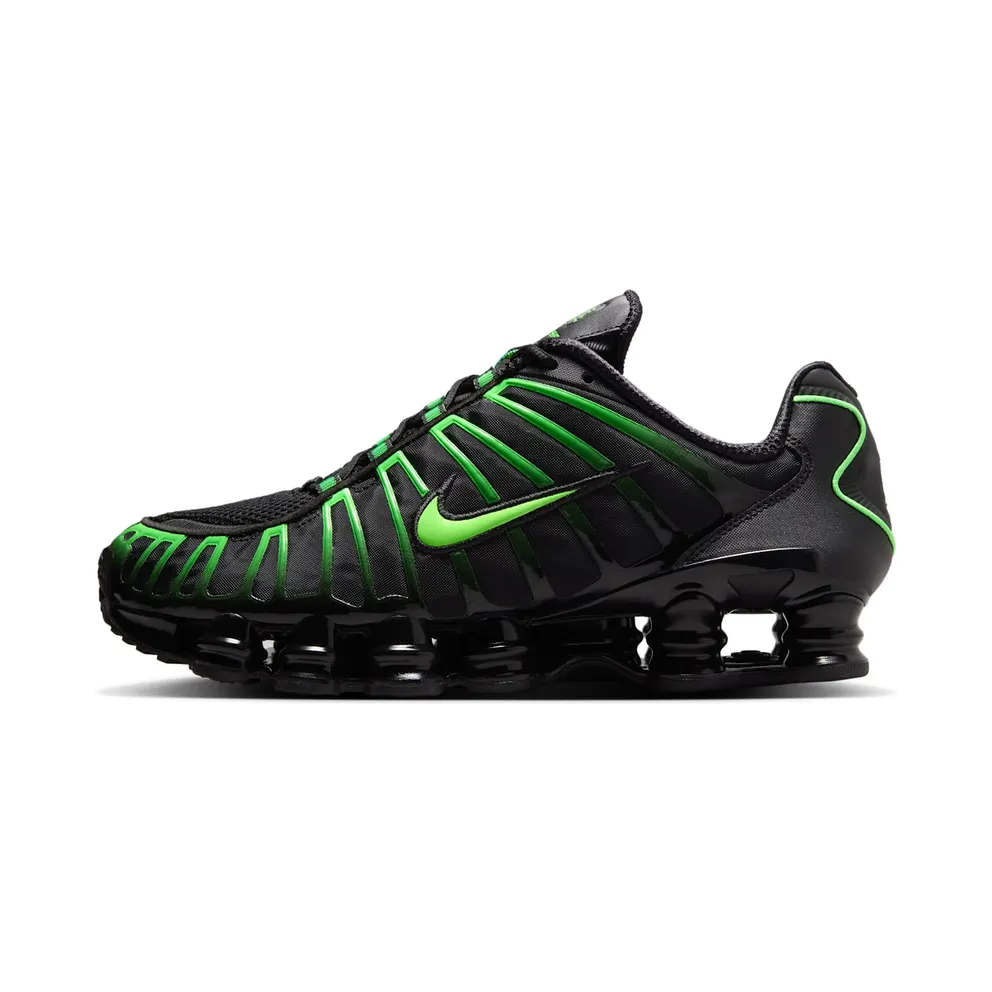
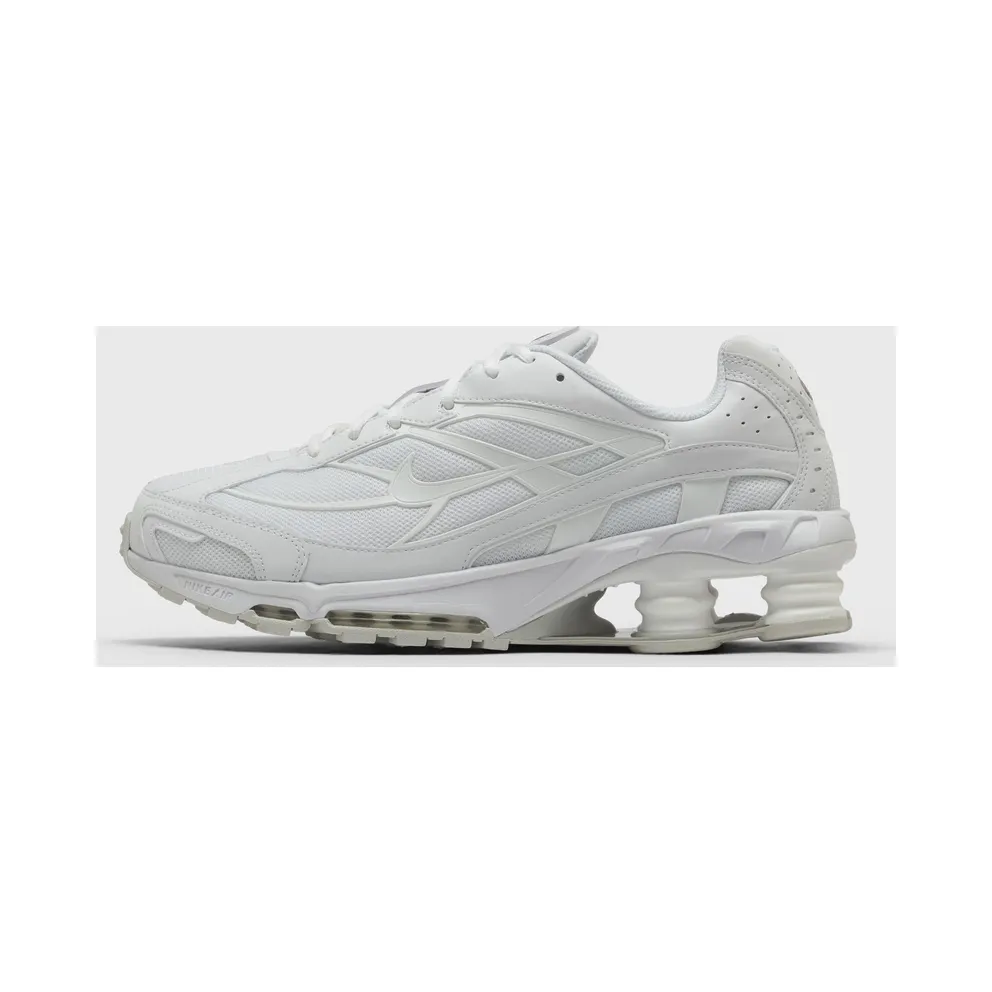
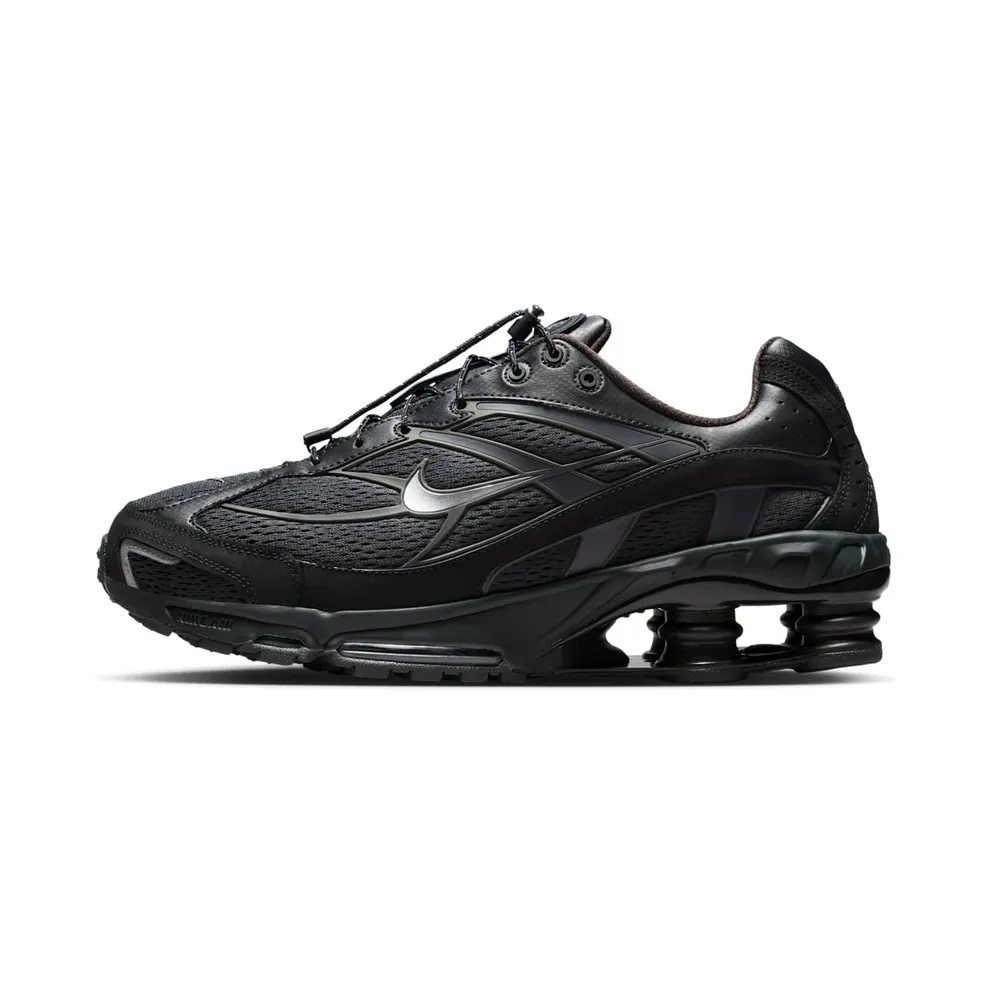
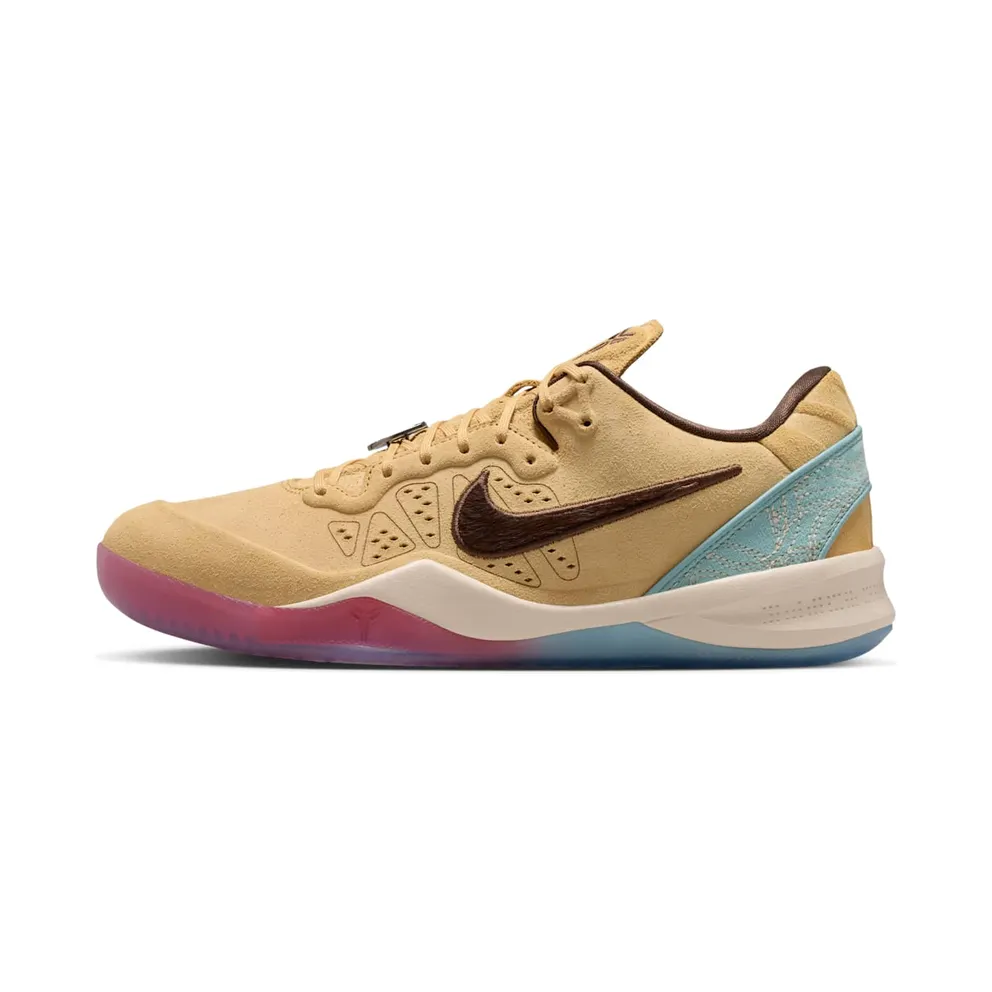

Who is Eric Avar?
Avar worked for decades at Nike and grew into one of the most experienced designers in basketball. He is responsible for a series of models that, at the time of their release, repeatedly struck the public as awkward and were only later seen as self-evident.
His approach is characterized by direct collaboration with players. With the Kobe line this went further than usual: Kobe Bryant brought ideas about weight, height and fit that ran counter to prevailing views about basketball shoes. Avar built a line around those ideas that has permanently changed the category.
Why his designs changed the sneaker world
The common thread in his work is the removal of an assumption. With the Foamposite that assumption was that an upper consists of pieces: he had it cast in a single mold, creating a seamless shell that holds its shape on its own. That the production process was considered particularly costly at the time was part of the story — the model also looked like something from another category.
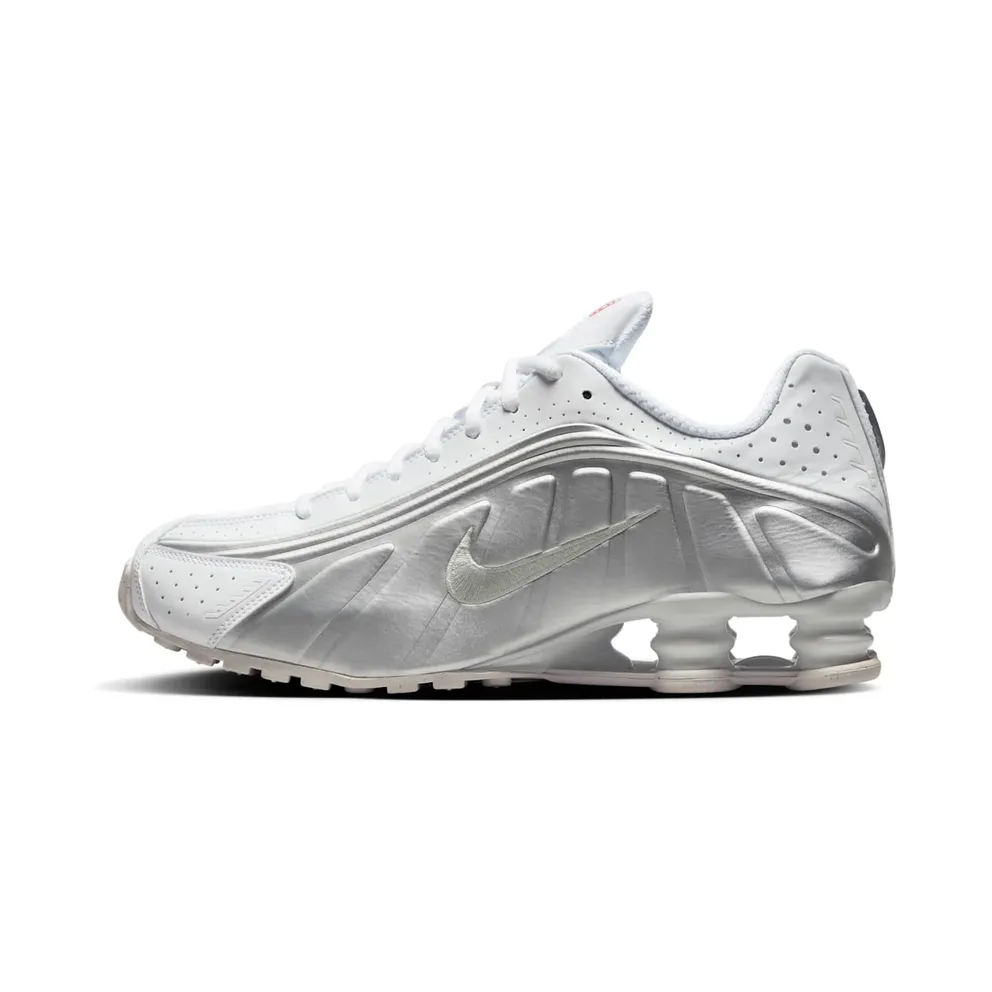
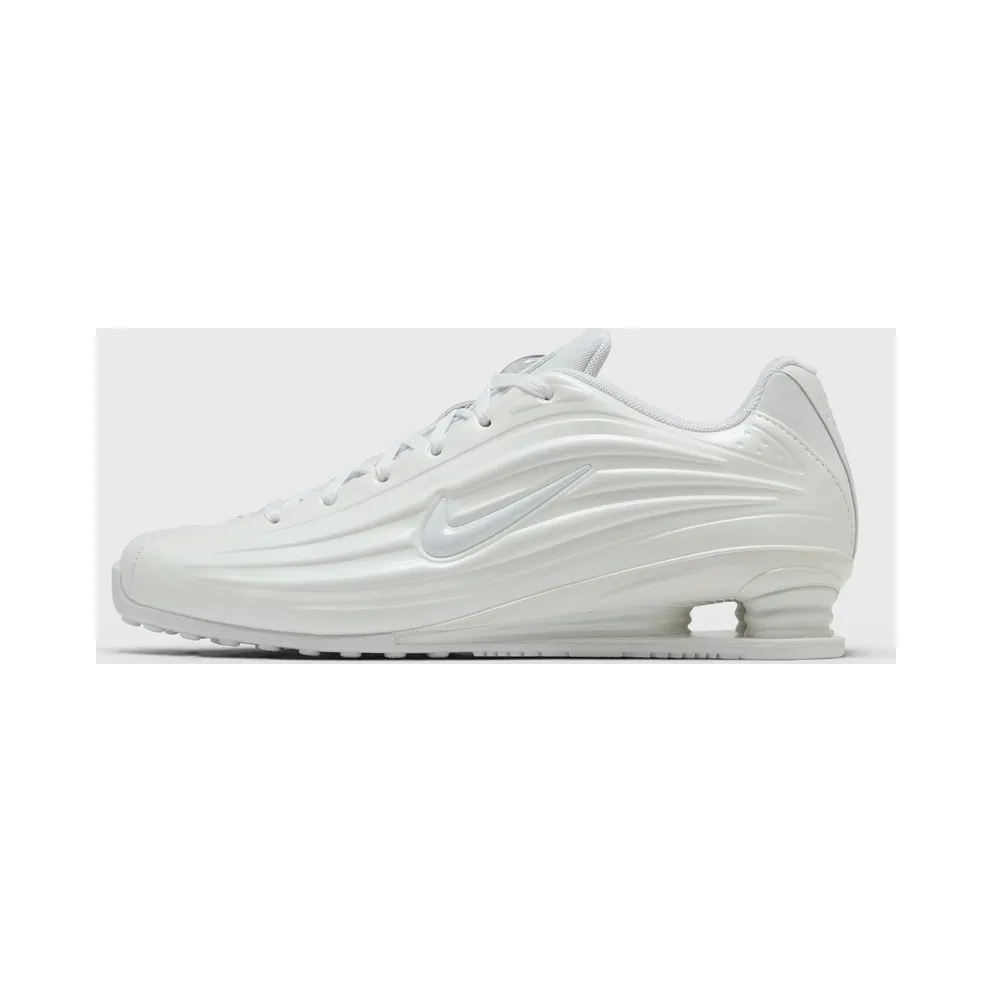
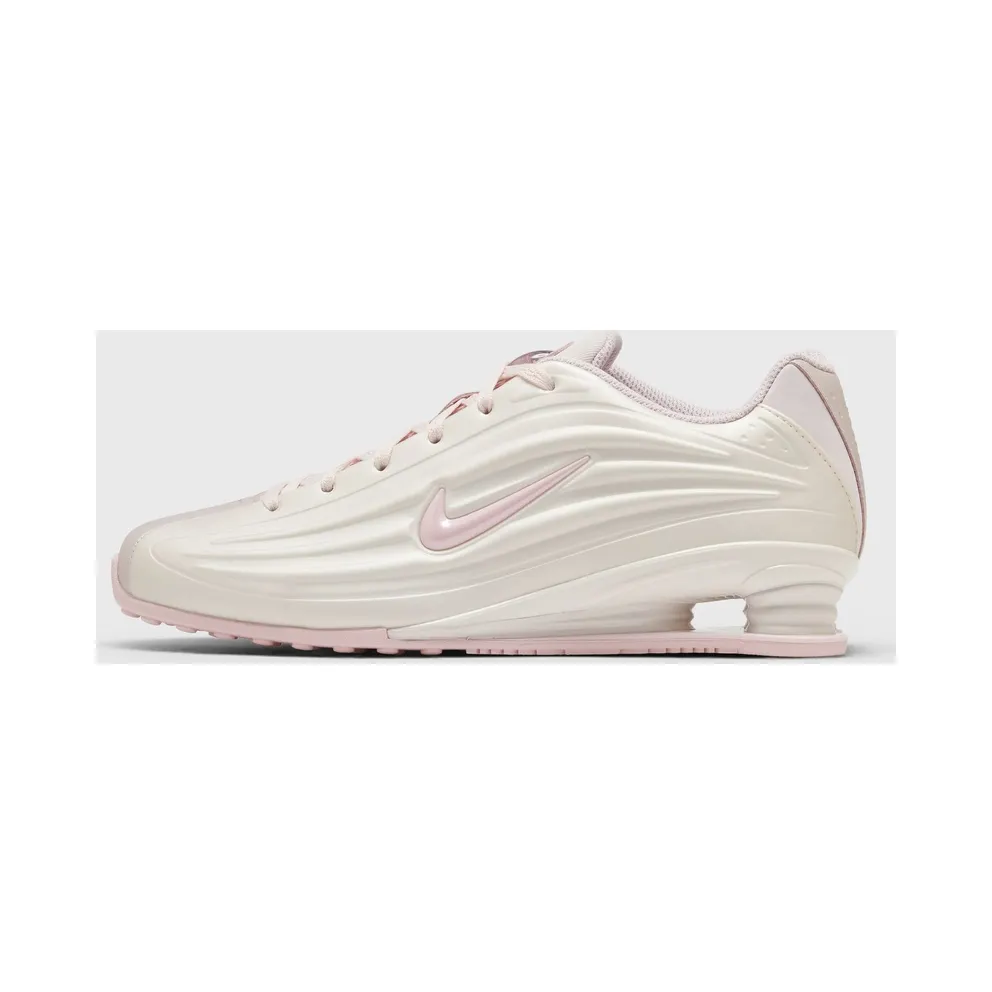
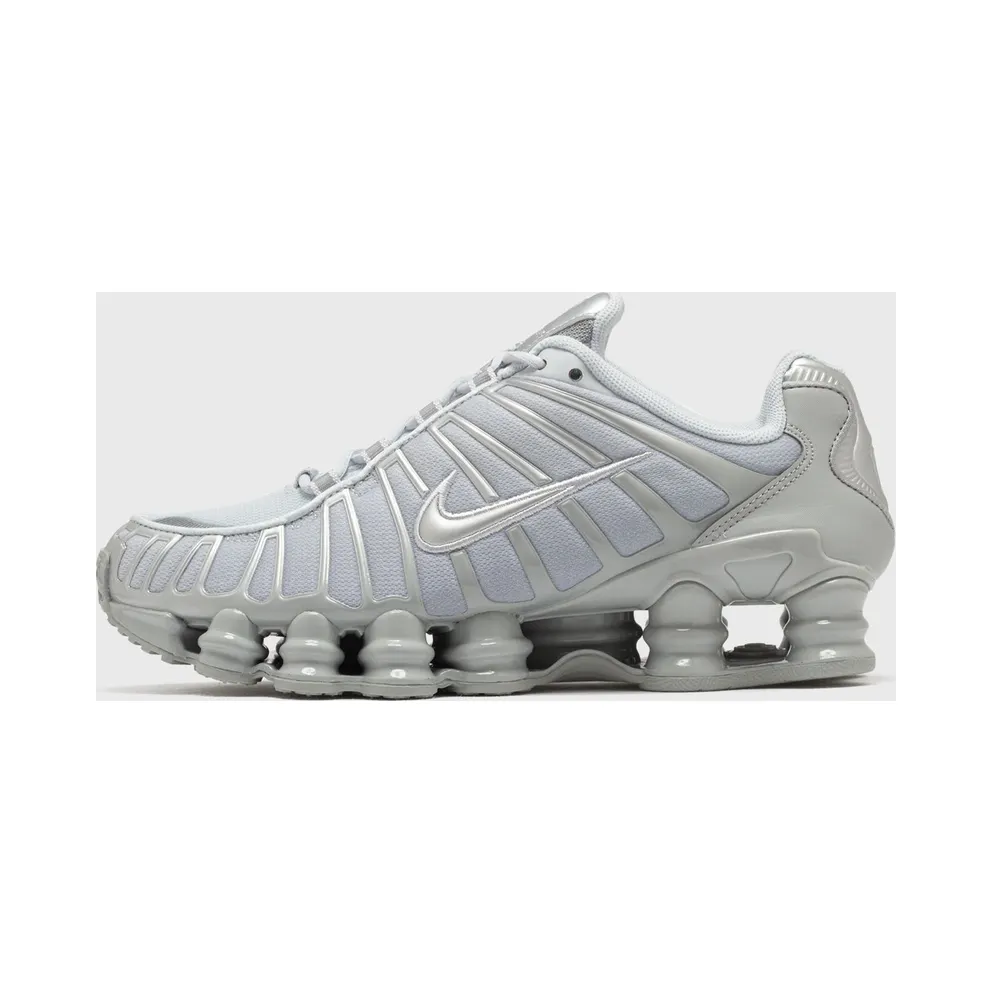
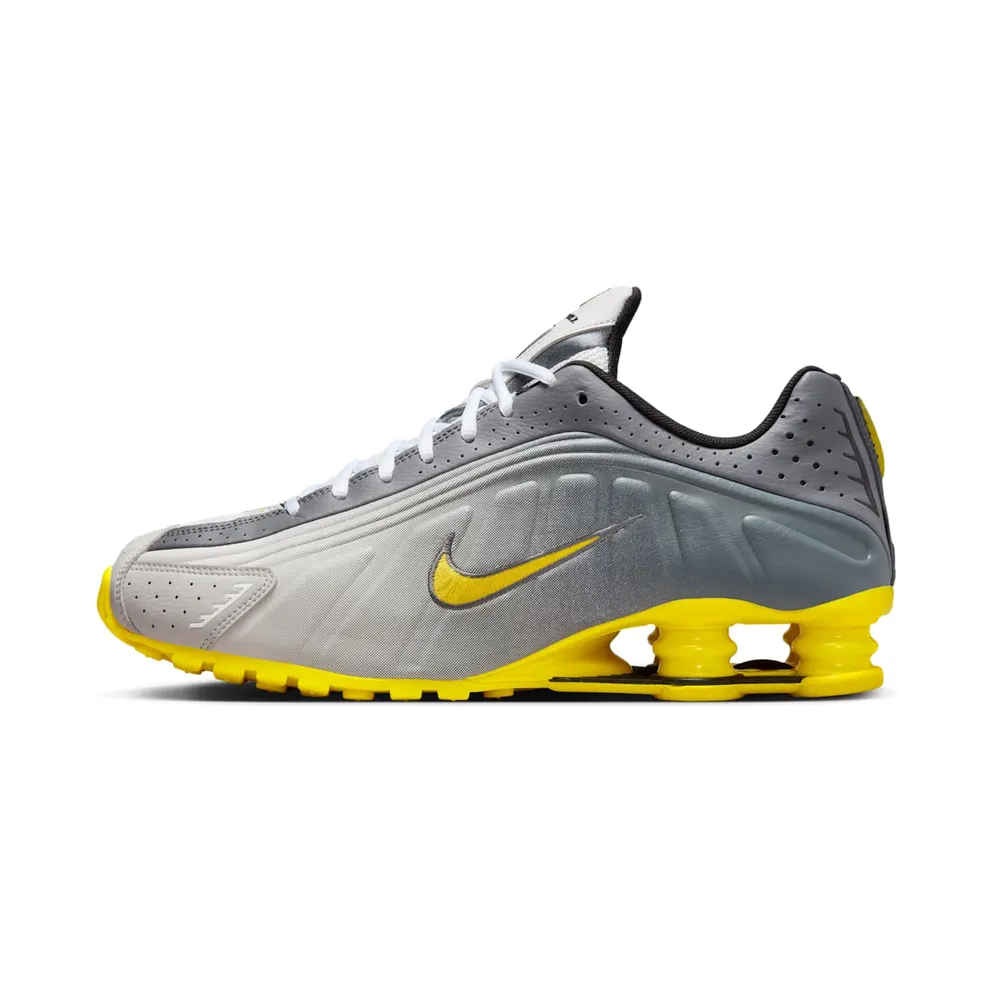
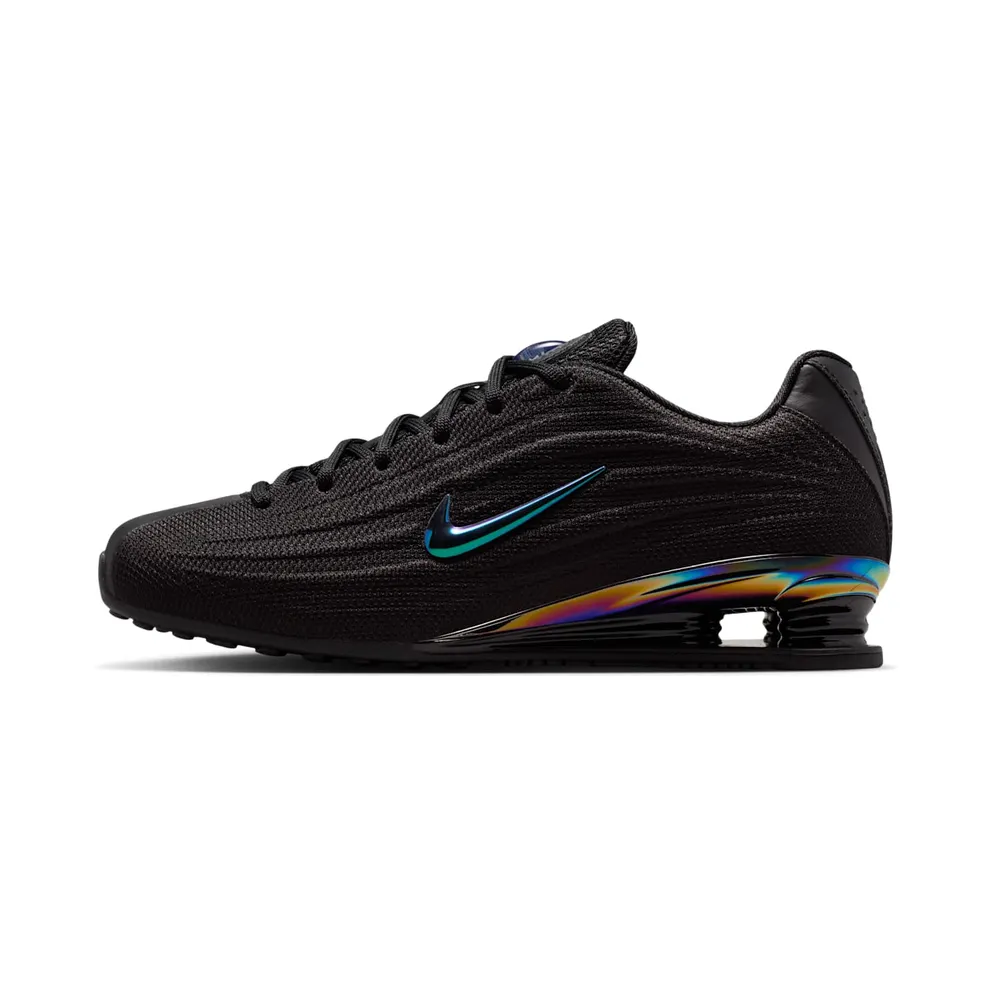
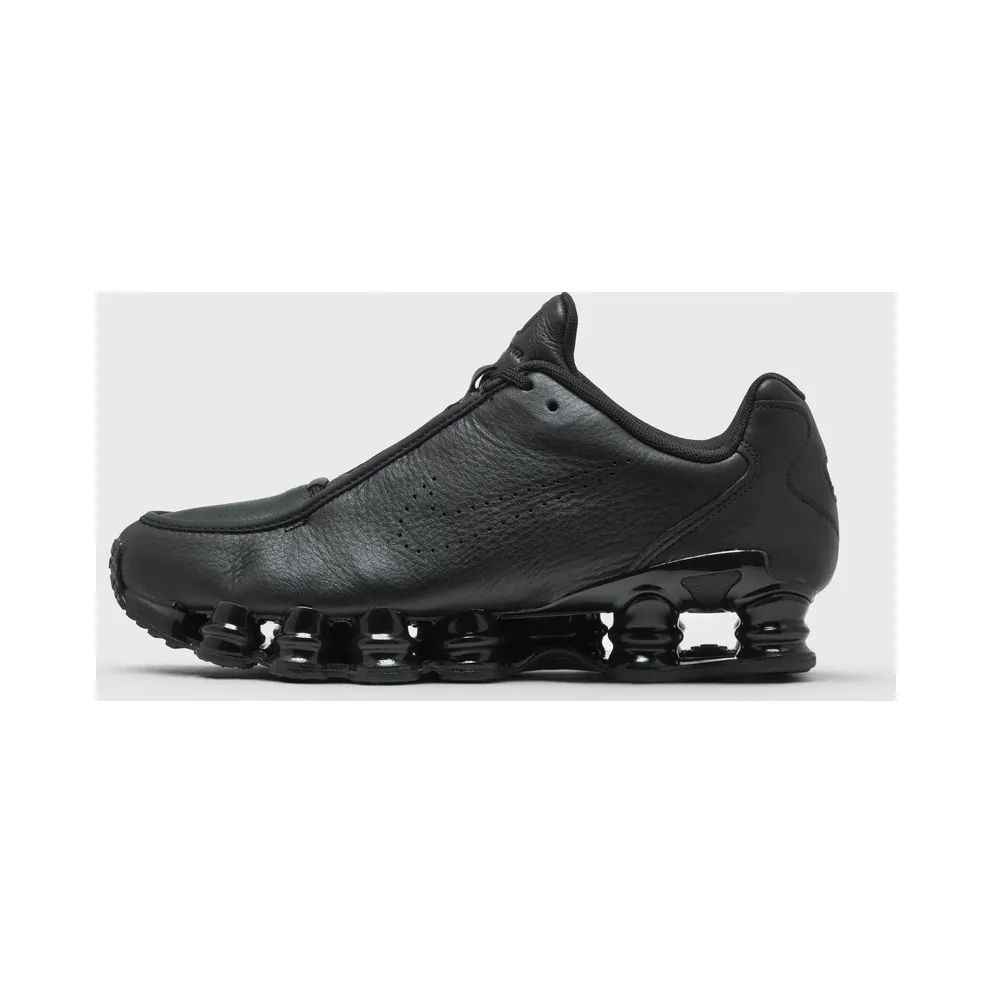
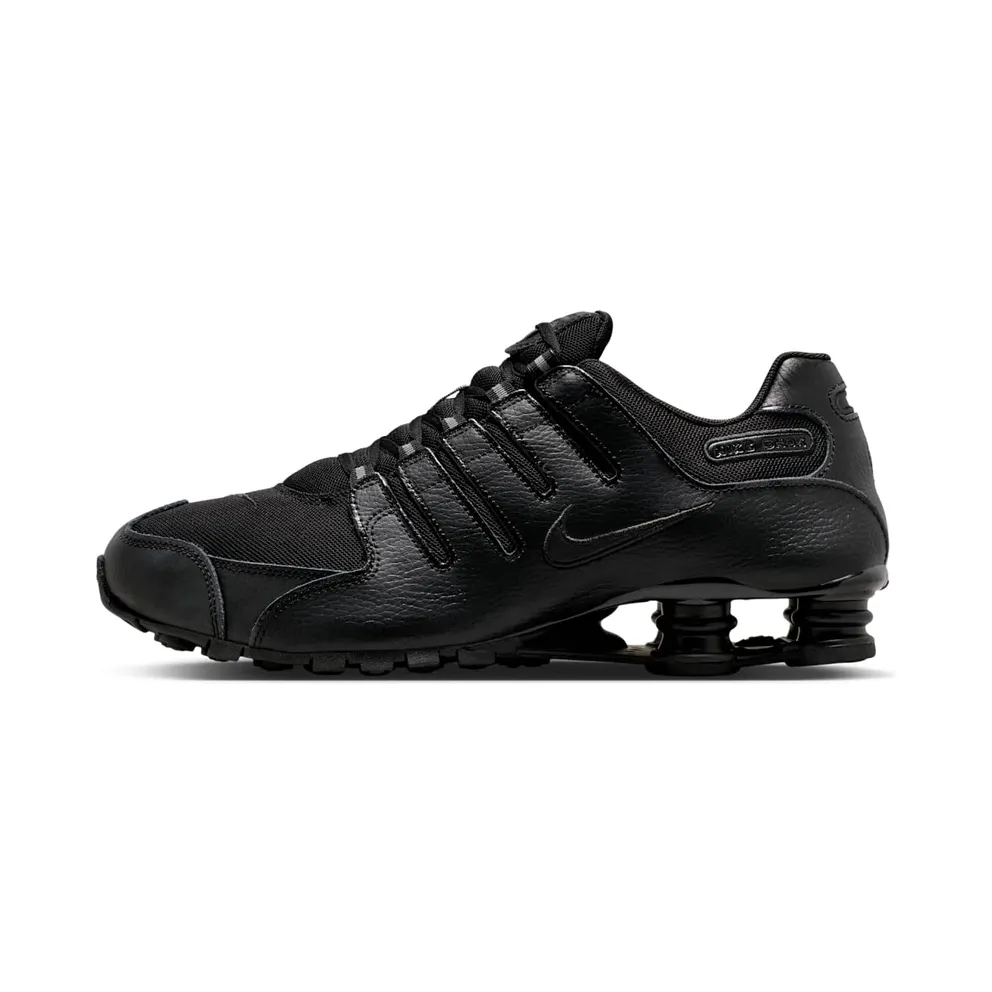
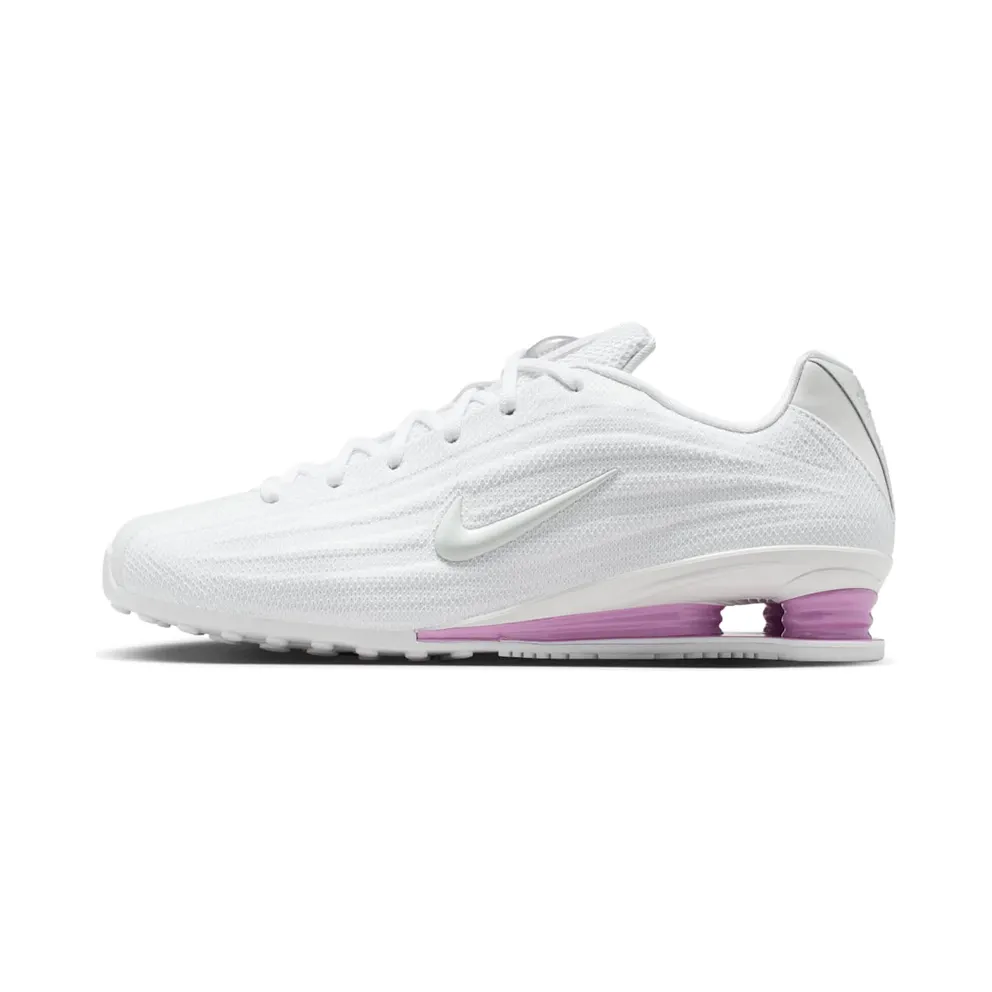
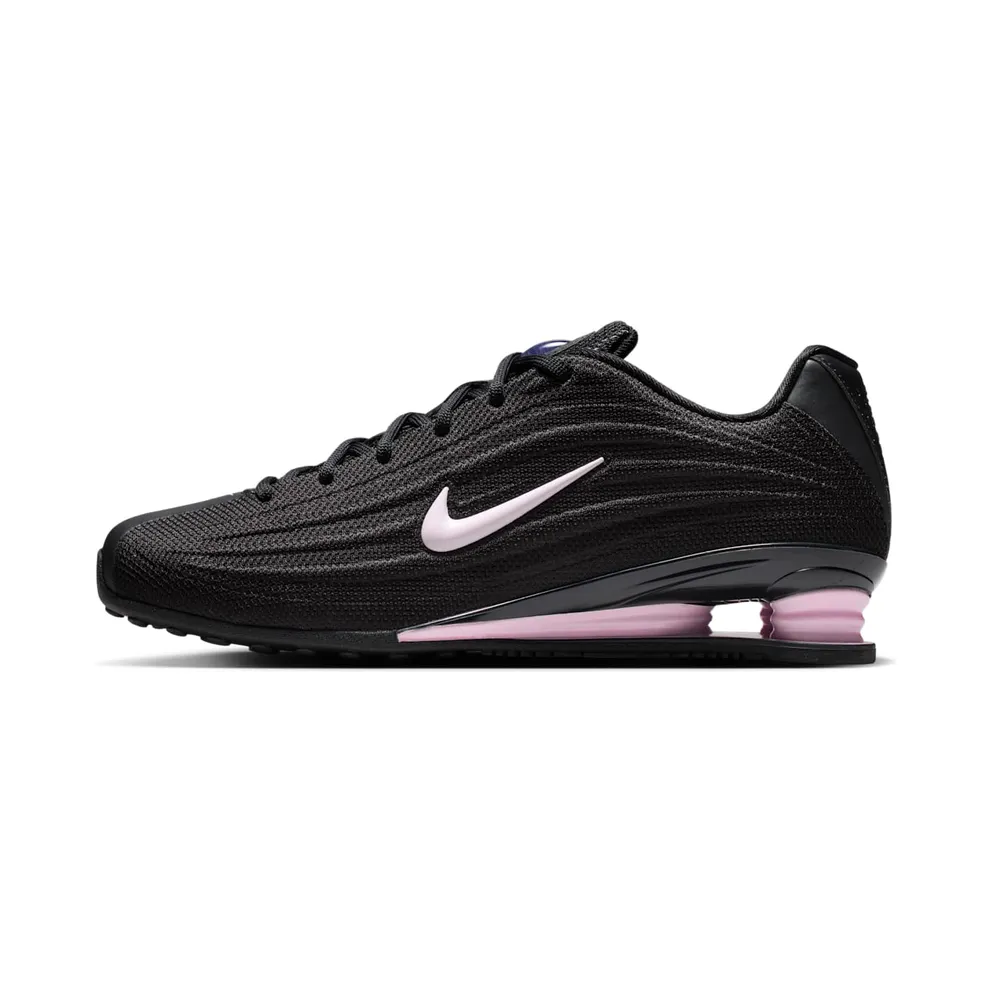
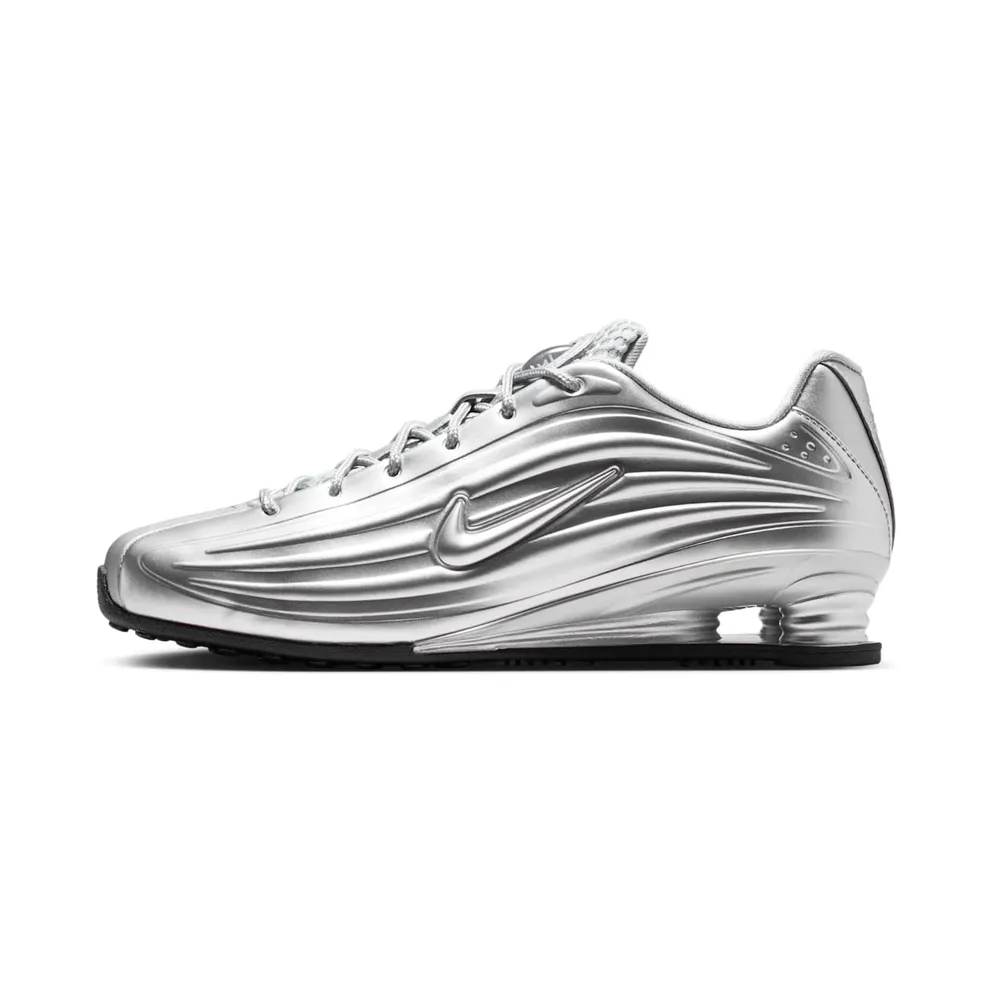
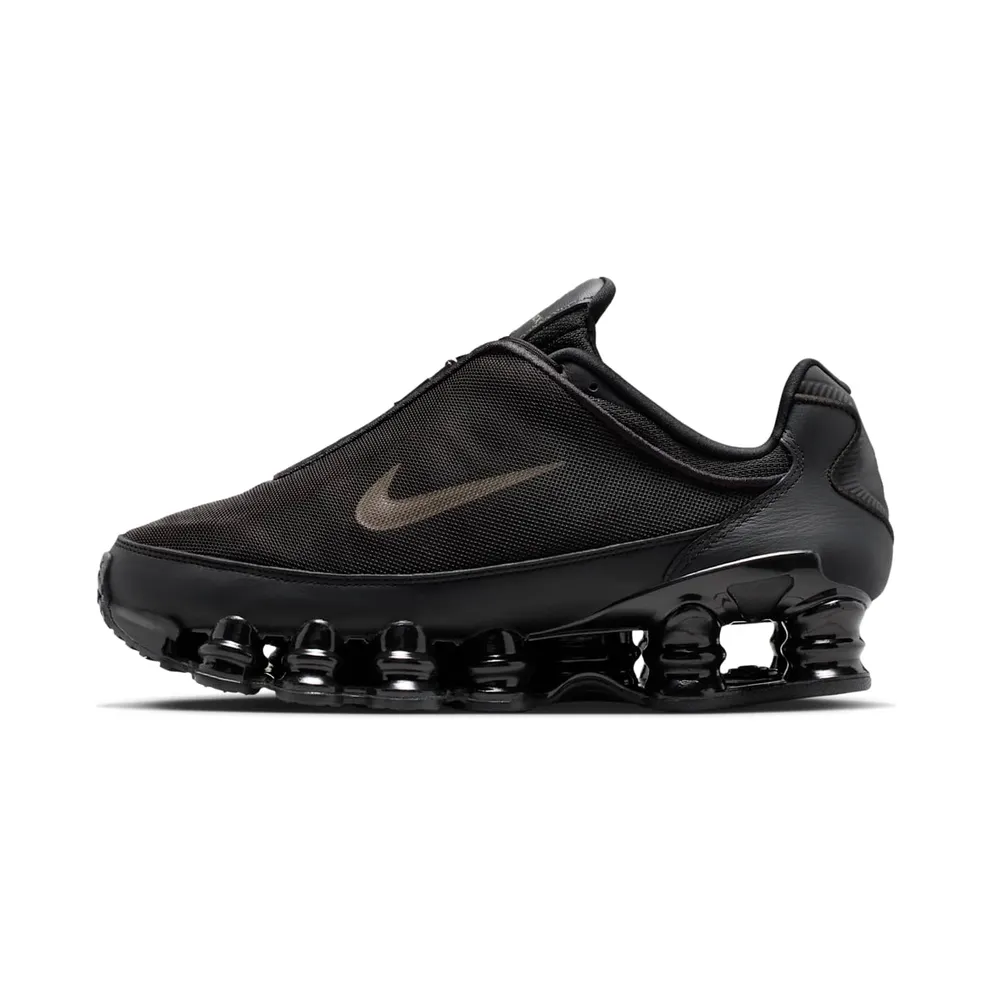
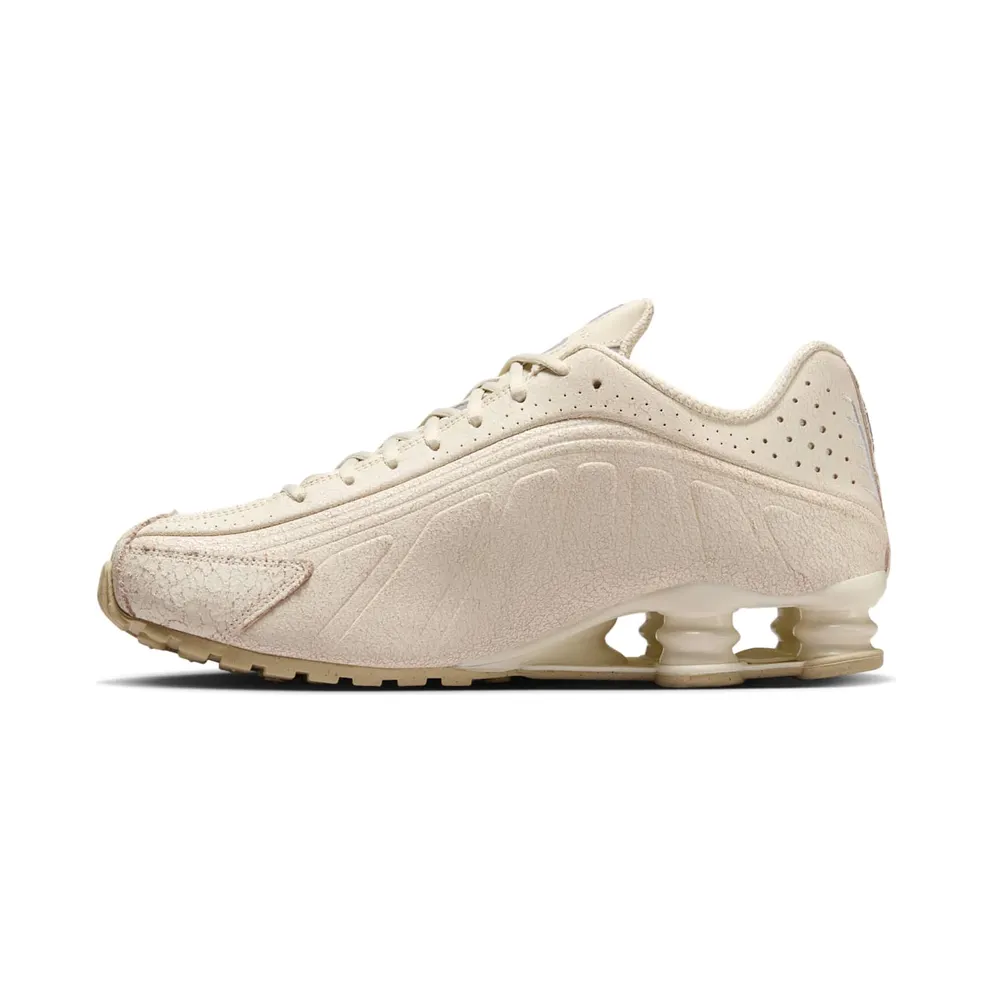
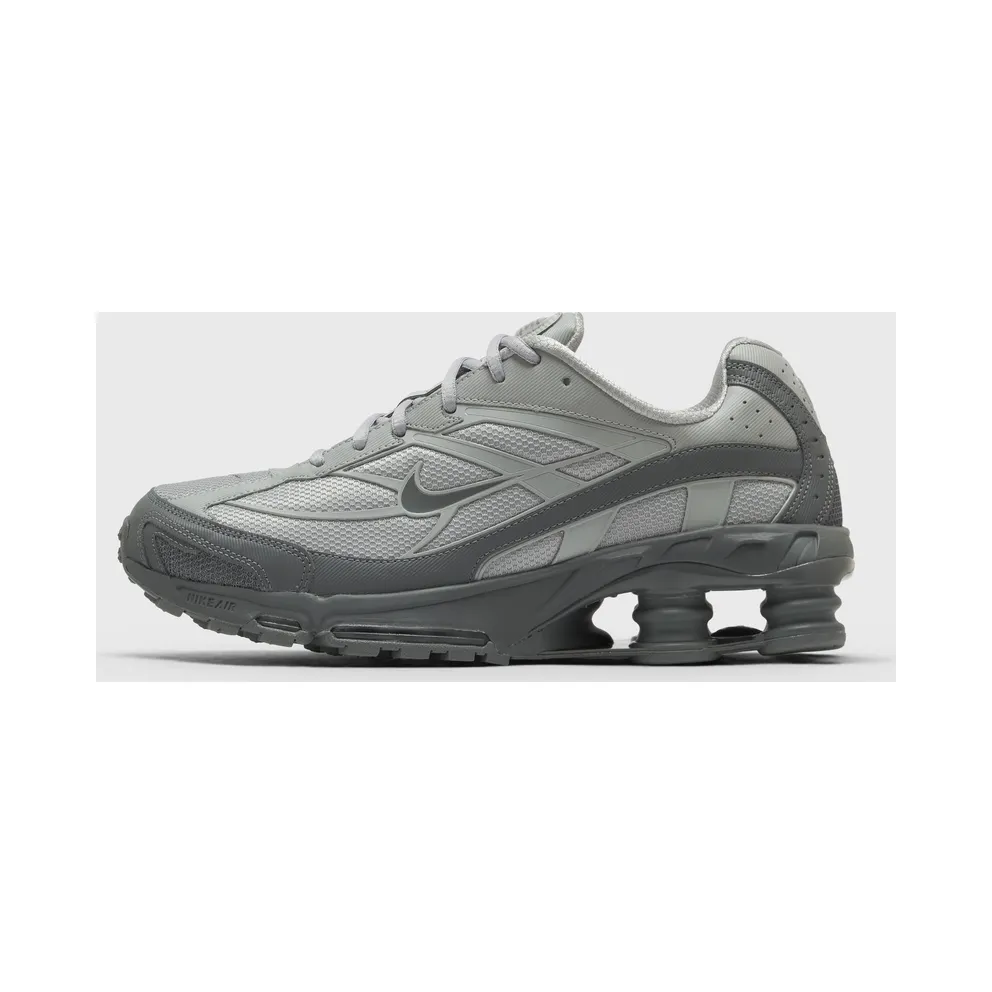
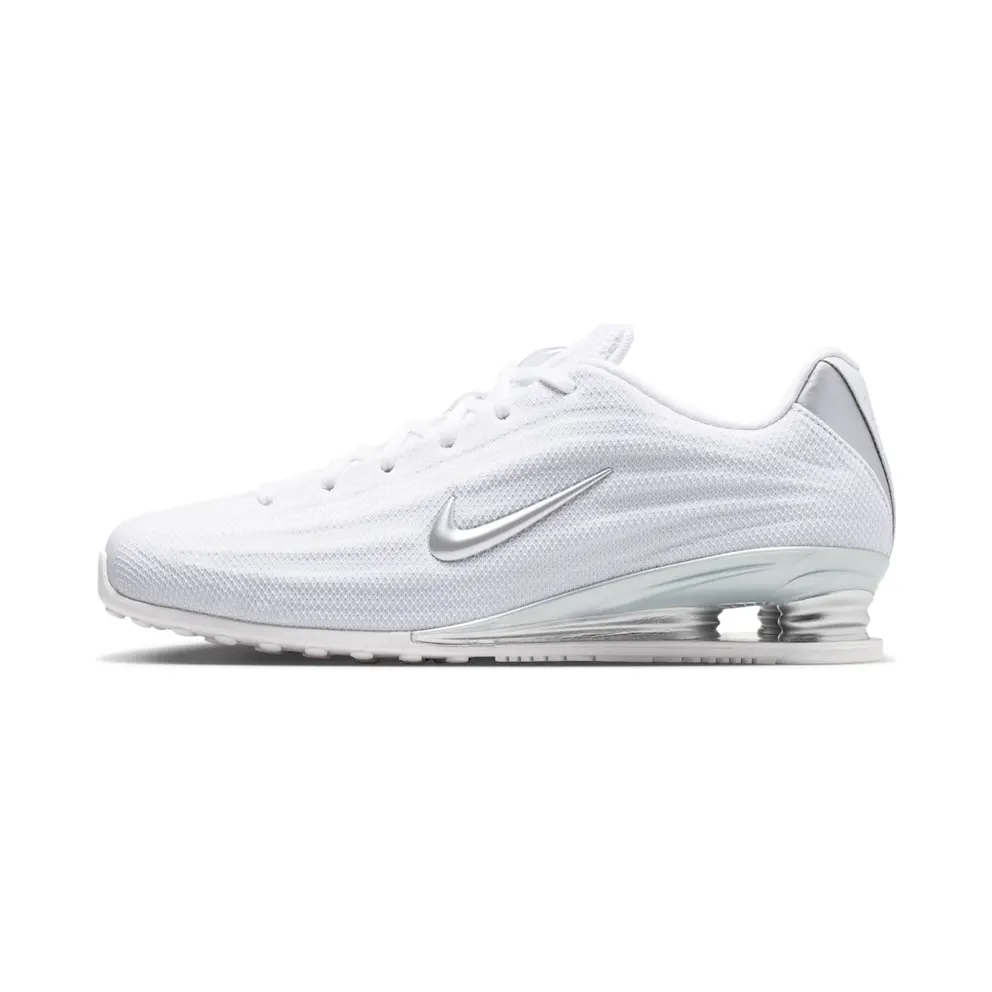
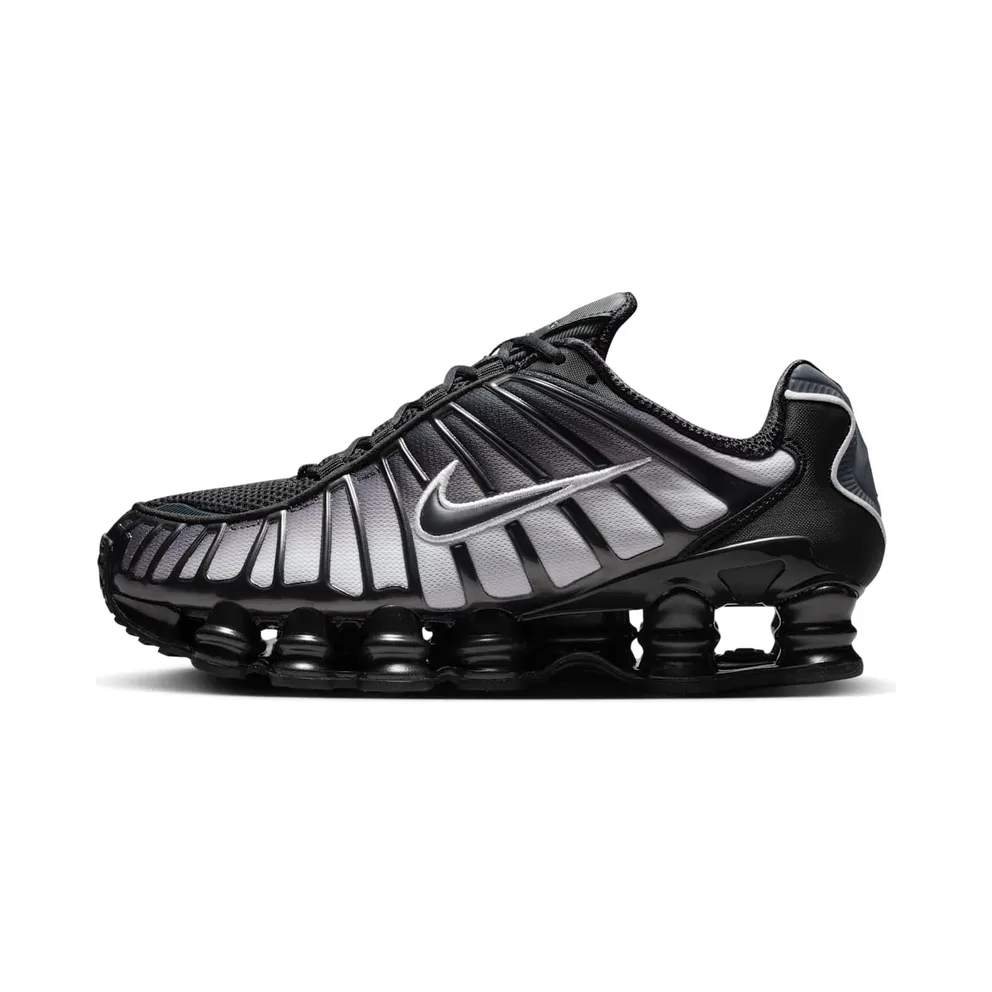
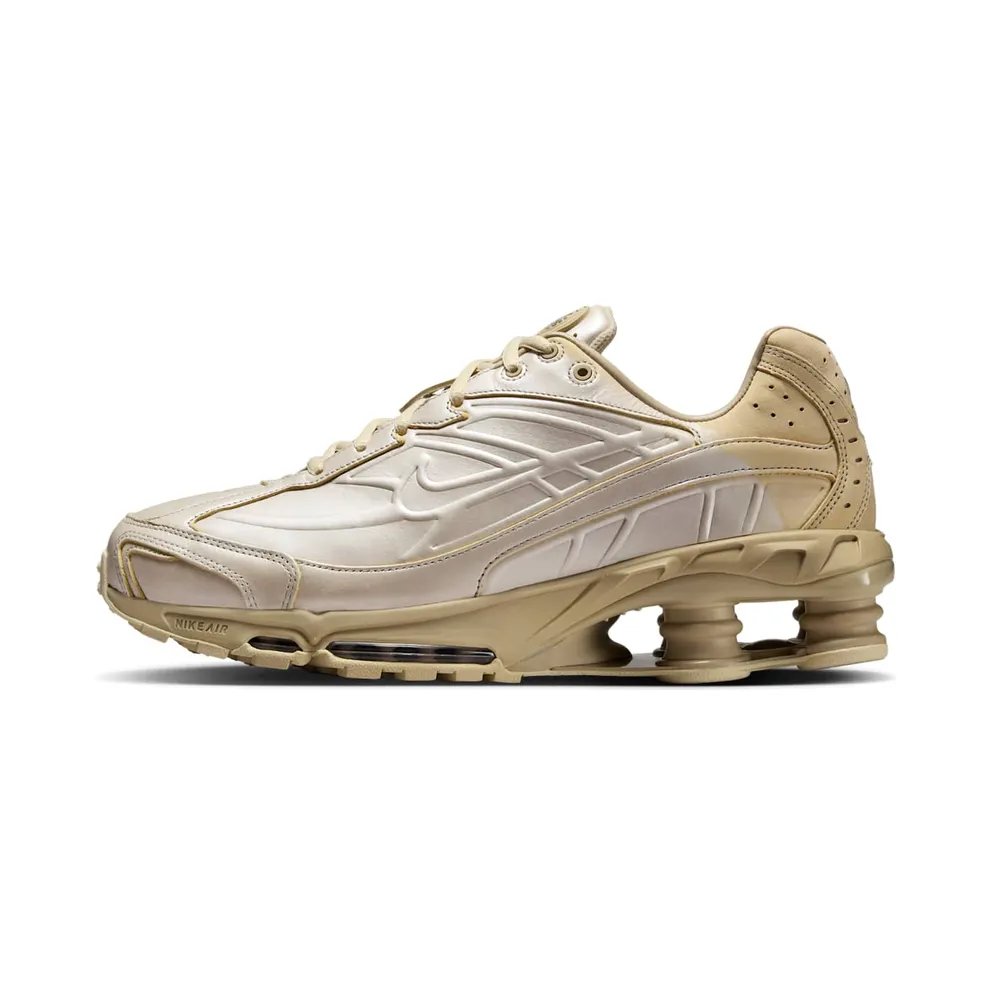
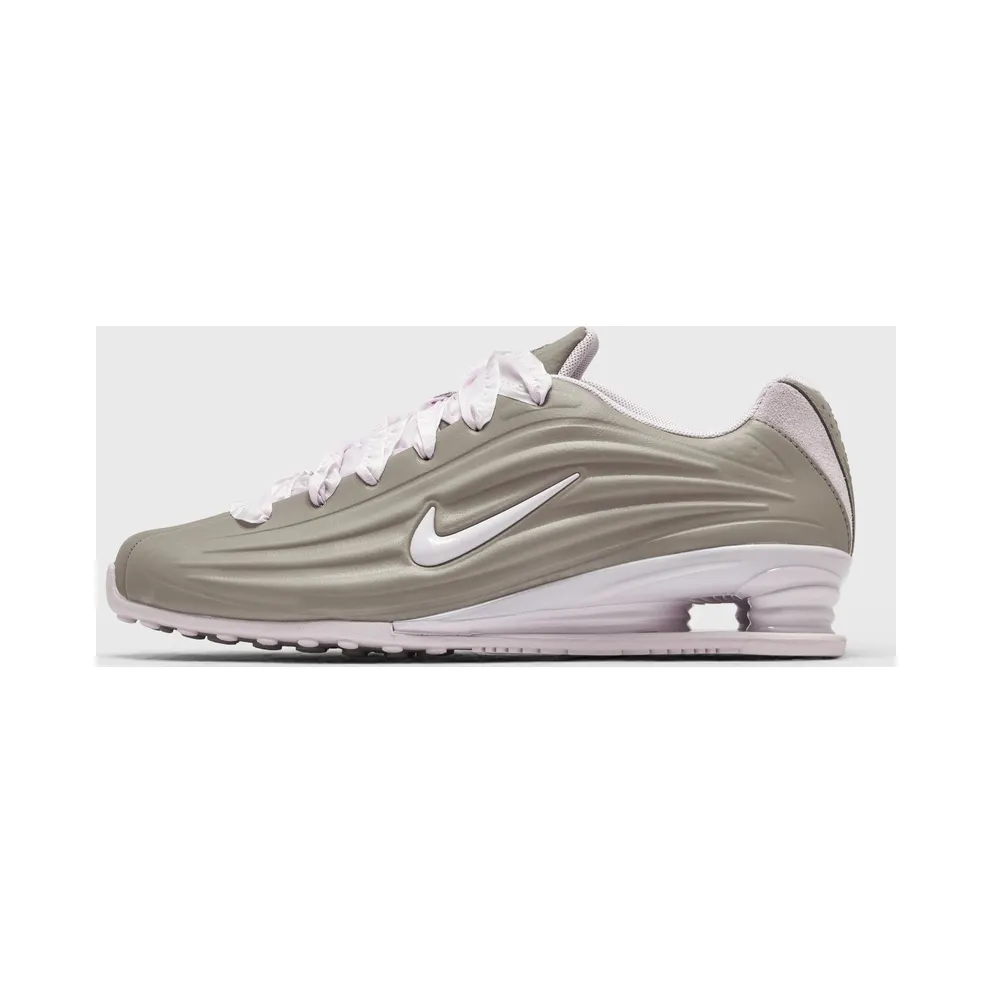
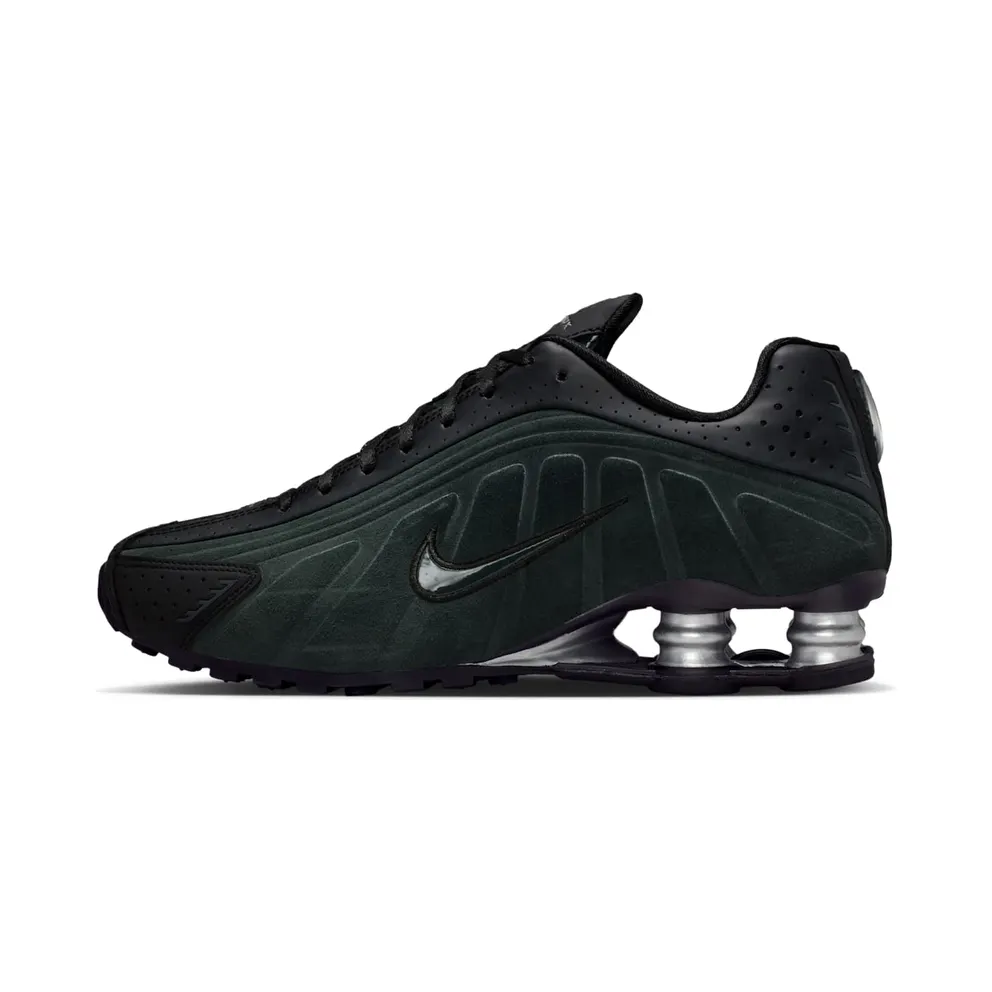
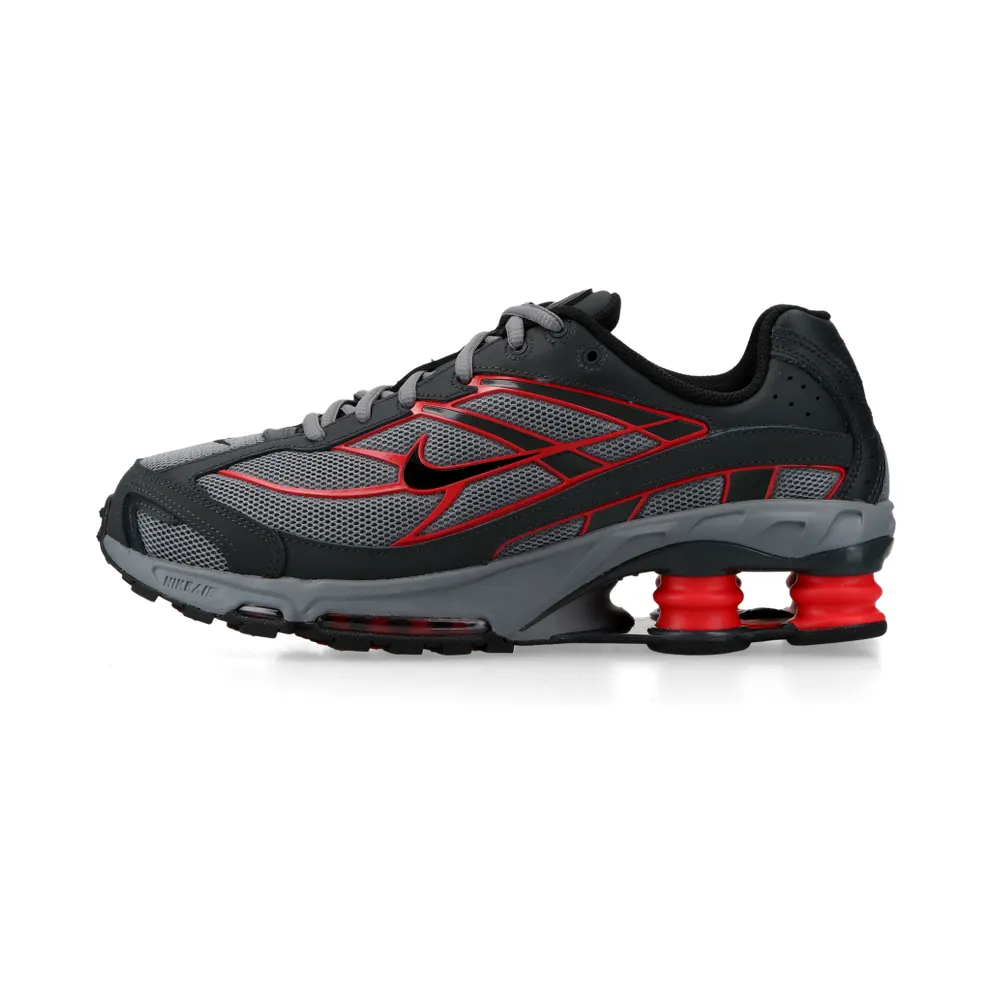
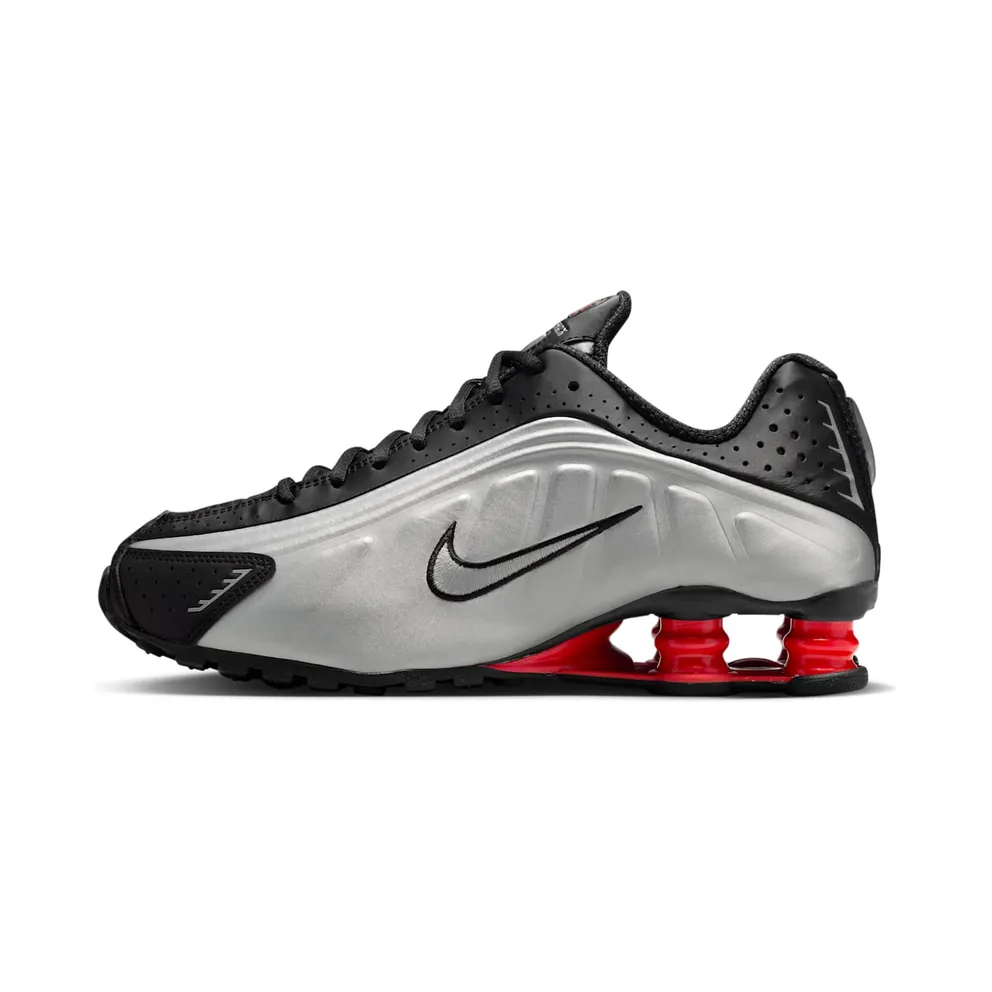
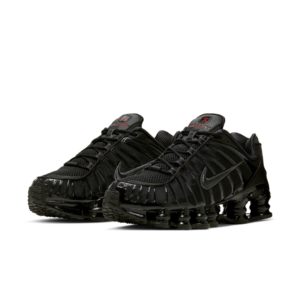
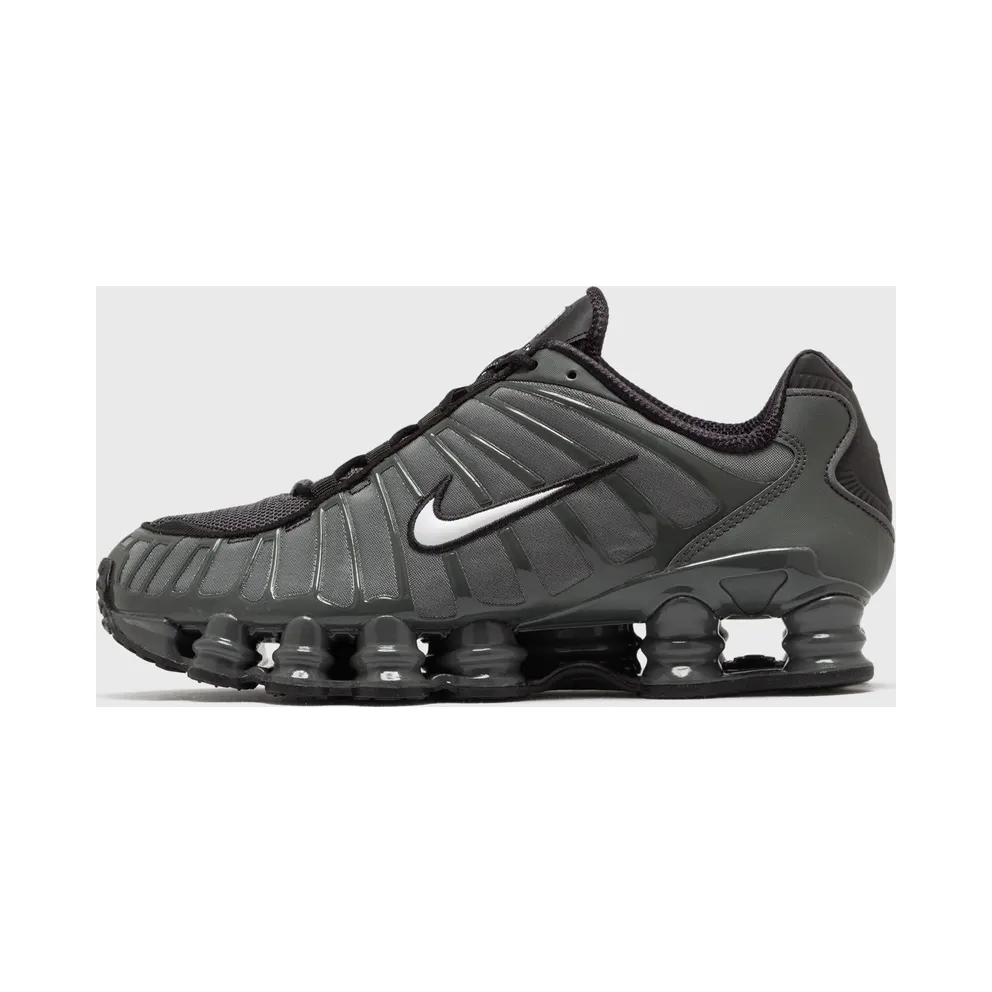
With Shox he replaced the foam under the heel with four hollow rubber columns that visibly compress. The promise was returning energy; what stuck most was the image, because a sole in which you could see the cushioning move had not been shown until then.
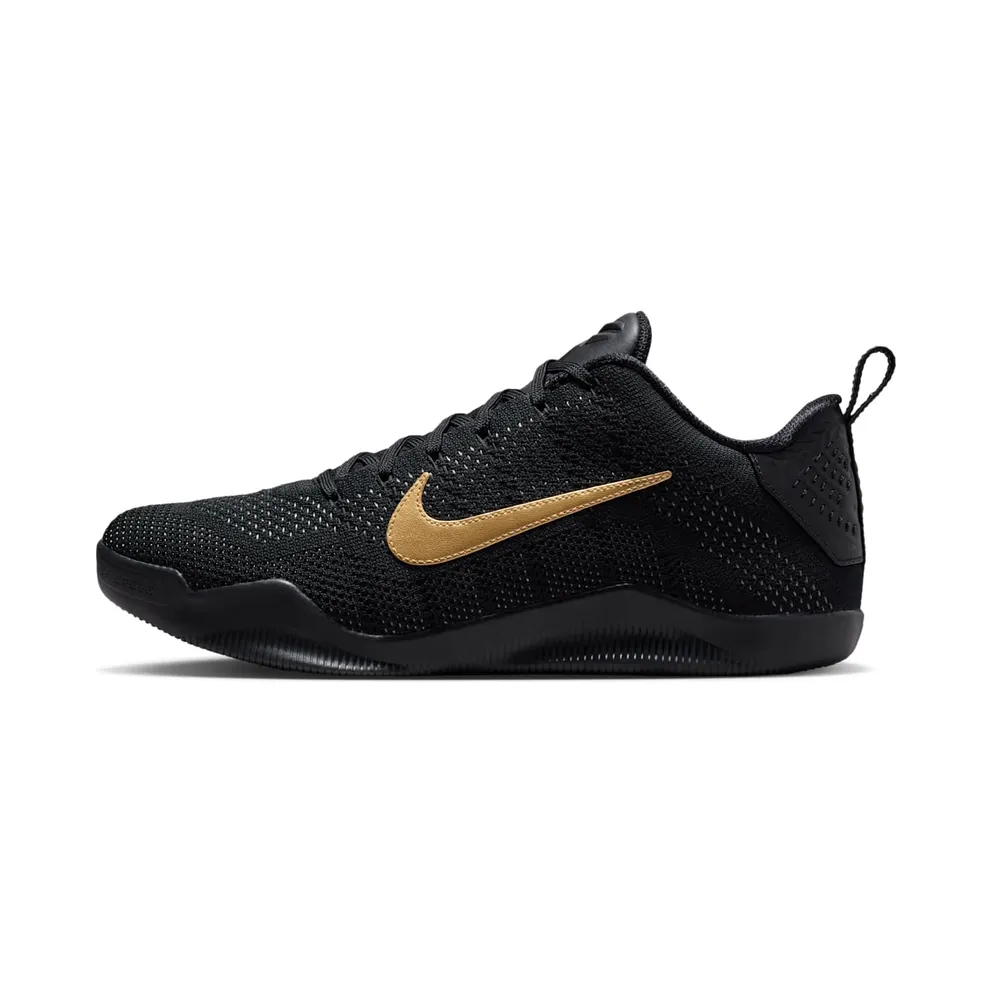
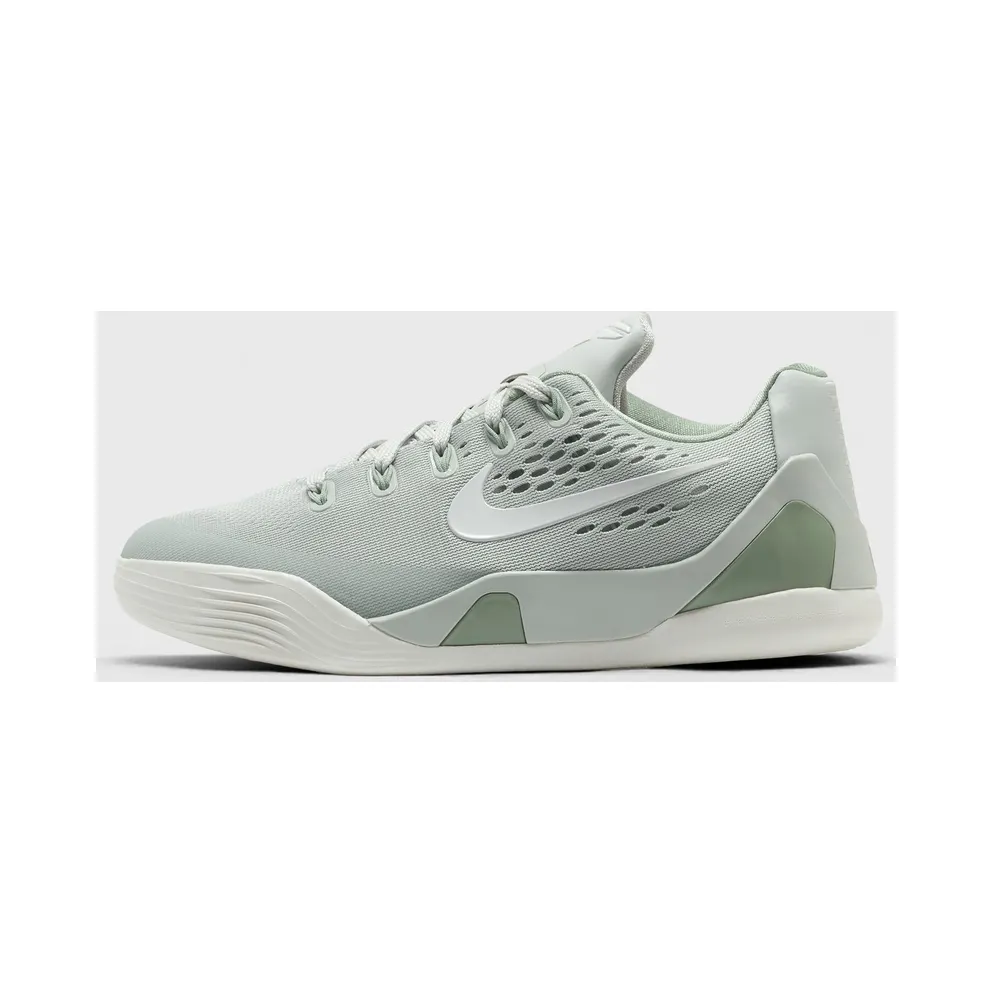
With the Kobe line the intervention was in what was removed. From the fourth generation the collar was low, which in the basketball world was considered irresponsible. The argument was that ankle support comes from the construction and the muscles, not from a high collar, and that less weight yields more than more material. Within a few years the rest of the market followed.
Eric Avar's most famous sneakers
Nike Air Foamposite One (1997)
The model with the cast shell, originally developed around Penny Hardaway. The Foamposite One and the later Pro differ in detailing, but share the striking, almost insect-like shape that makes the model immediately recognizable.
Nike Air Penny (1995 and later)
The signature line for Penny Hardaway, with the Air Penny II regarded as the best-known. The line's design language anticipates what happened with the Foamposite and is often seen as a precursor.
Nike Kobe line (from 2006)
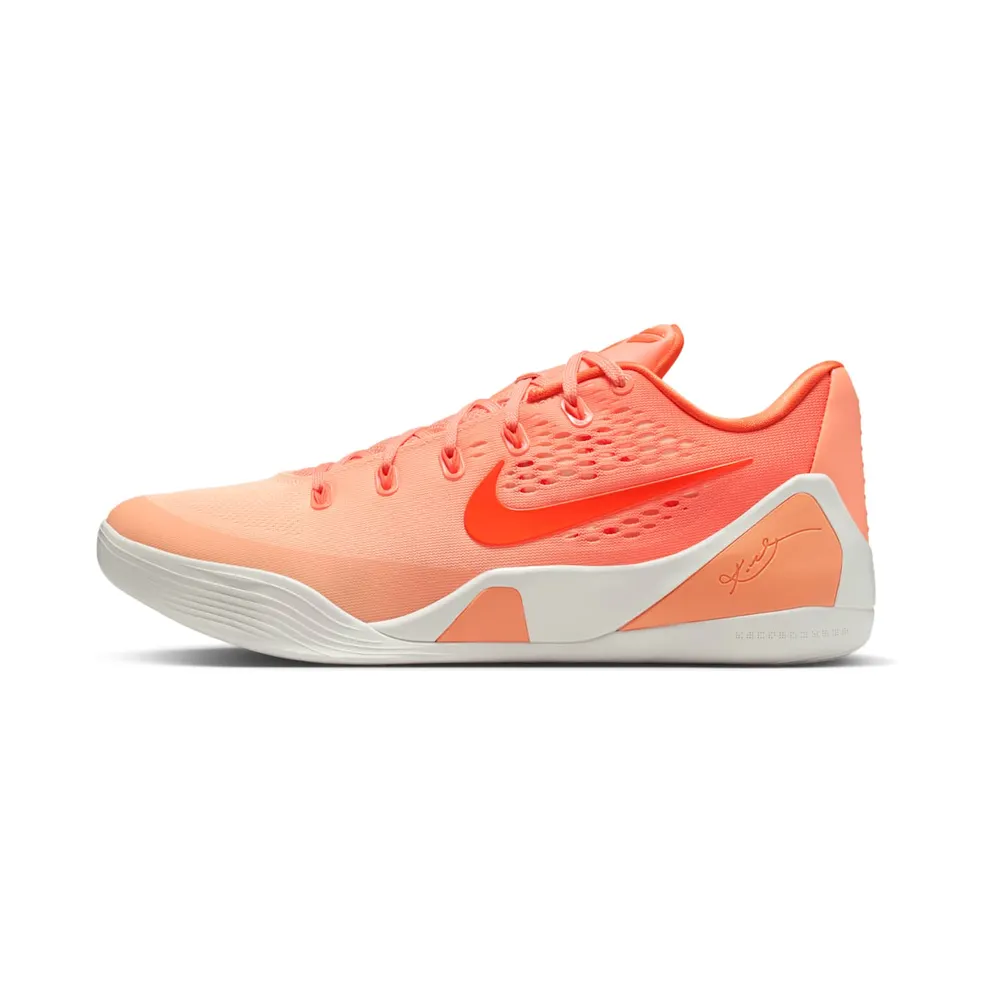
The signature models for Kobe Bryant, in which the low silhouette was introduced starting with the Kobe 4. The Kobe 5, Kobe 6 and Kobe 8 built on that with increasingly lighter constructions and pronounced textures.
Nike Shox (2000)
The cushioning system with visible columns under the heel, which was used across a series of models. The Shox NZ is the best-known street variant.
Eric Avar and the Kobe line
Of everything he made, the Kobe line has had the greatest lasting influence on how basketball shoes look. The switch to a low collar with the fourth generation was controversial at the time, and the argument behind it — that a high collar does not protect the ankle but mainly adds weight — ran counter to decades of habit.
That it worked changed the whole category. Within a few seasons all the major brands released low basketball models, and it is now the norm. The later models in the line went further in reducing material and exploring different textures, with a recurring theme being the snakeskin that refers to Bryant's nickname.
Which Eric Avar gives off the strongest hype signal?
The Hypescore reads the signal strength of every Eric Avar colorway. Community votes, resale movement, search demand and scarcity together decide how much hype a sneaker gives off, expressed in GSv. On the left the strongest hype signals, on the right the colorways just being picked up and rising fast.
Strongest hype signal
- 1
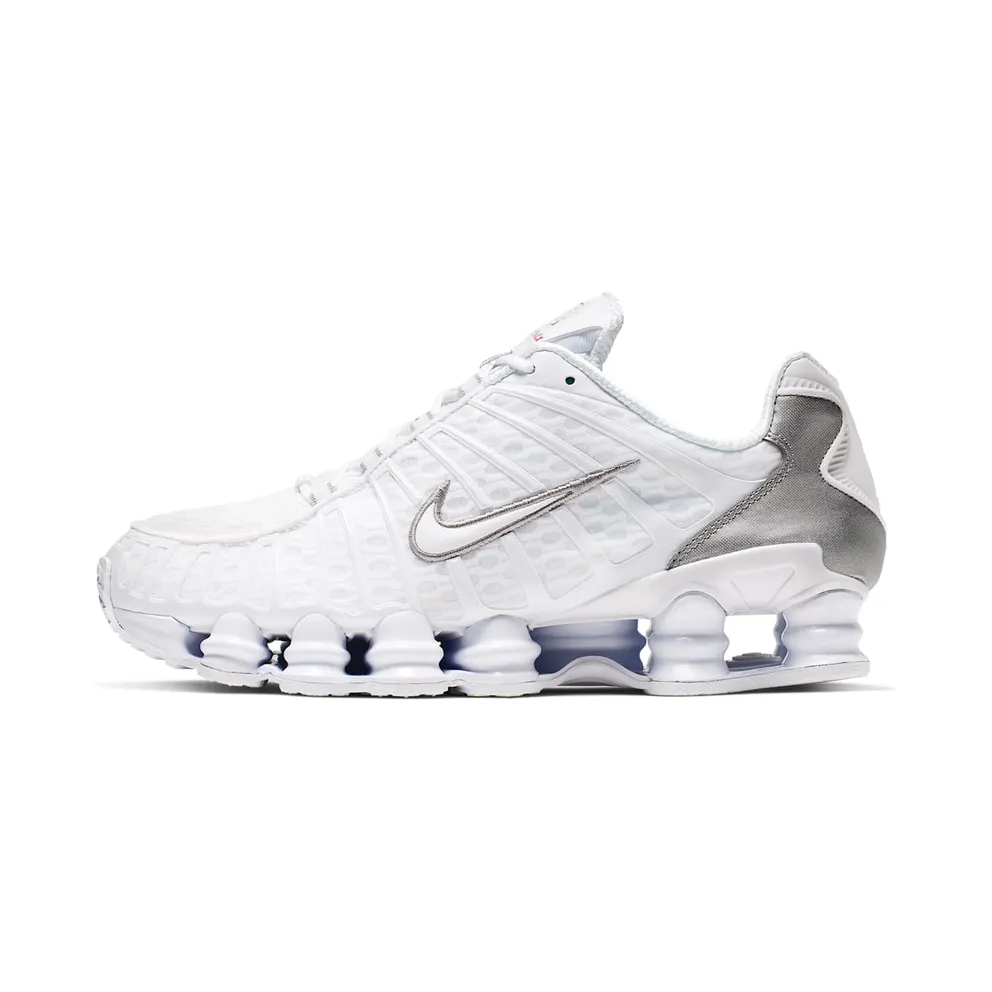
 Nike Shox TL White Metallic Silver White/Metallic Silver-Max Orange-White (AV3595-100)ATOMICNike Shox · from £85 · 3 shops74GSv
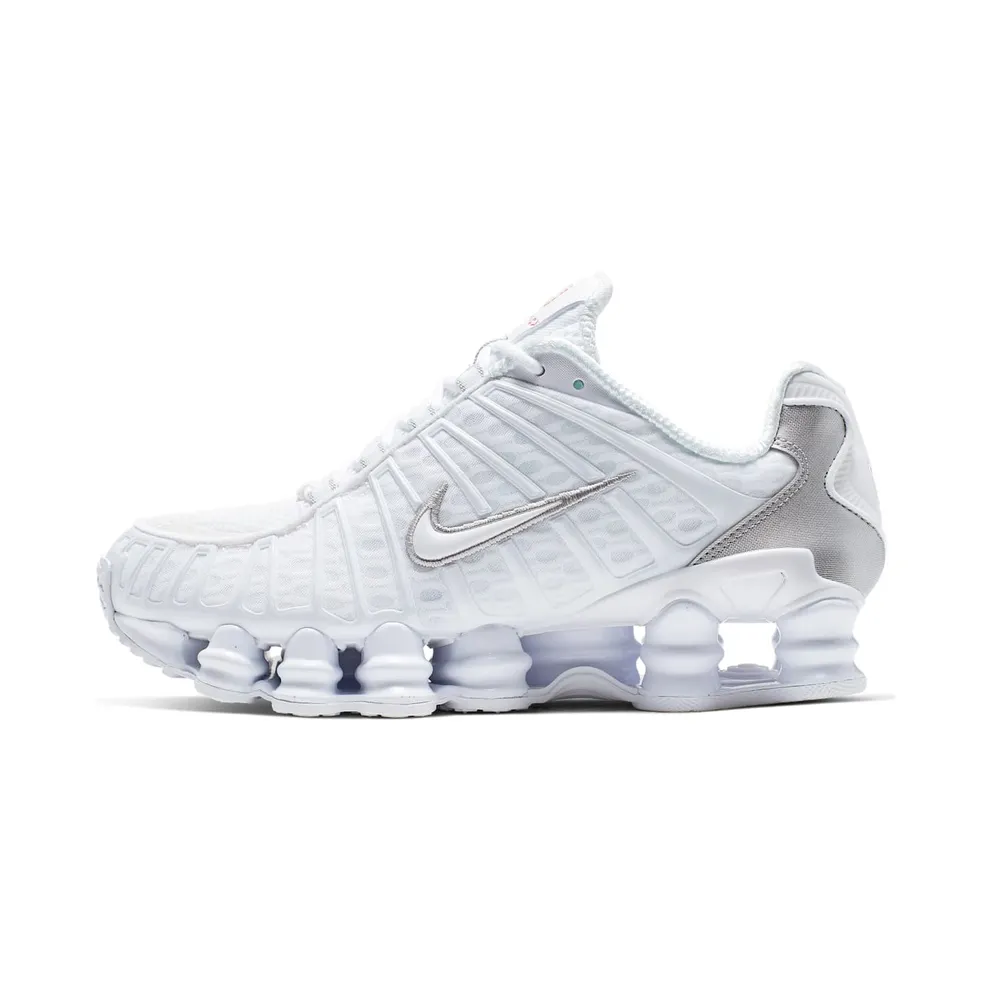
 - 2Nike Shox TL White Metallic Silver (W) White/Metallic Silver-Max Orange-White (AR3566-100)RADIATINGNike Shox · from £70 · 3 shops67GSv
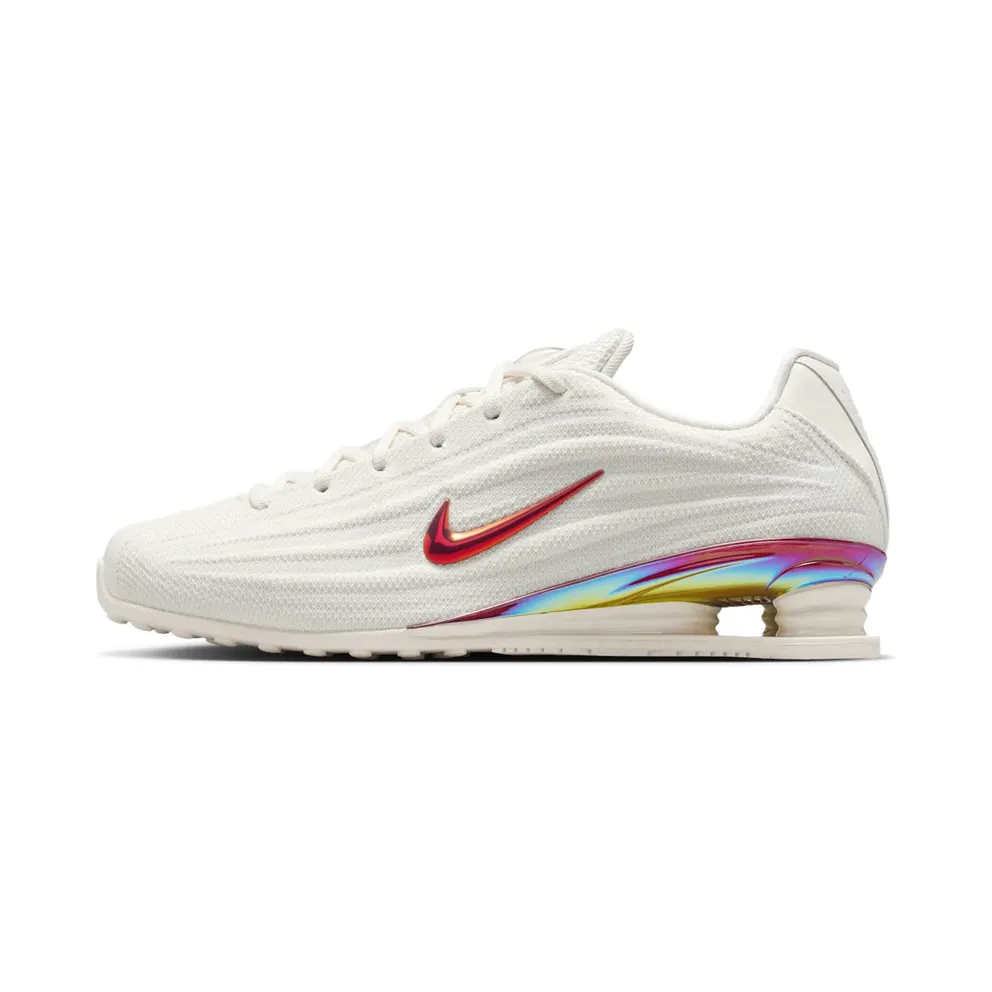
- 3Nike Shox Z SE “Iridescent” (IM6051-001)RADIATINGNike Shox Z · from £53 · 3 shops59GSv
- 4Nike Shox Z “Dark Team Red” (HQ7540-600)SEISMICNike Shox Z · from £60 · 3 shops52GSv
- 5Nike Shox Z SE “Phantom Iridescent” (IM6051-002)CHARGINGNike Shox Z · from £64 · 3 shops44GSv
Just in, rising
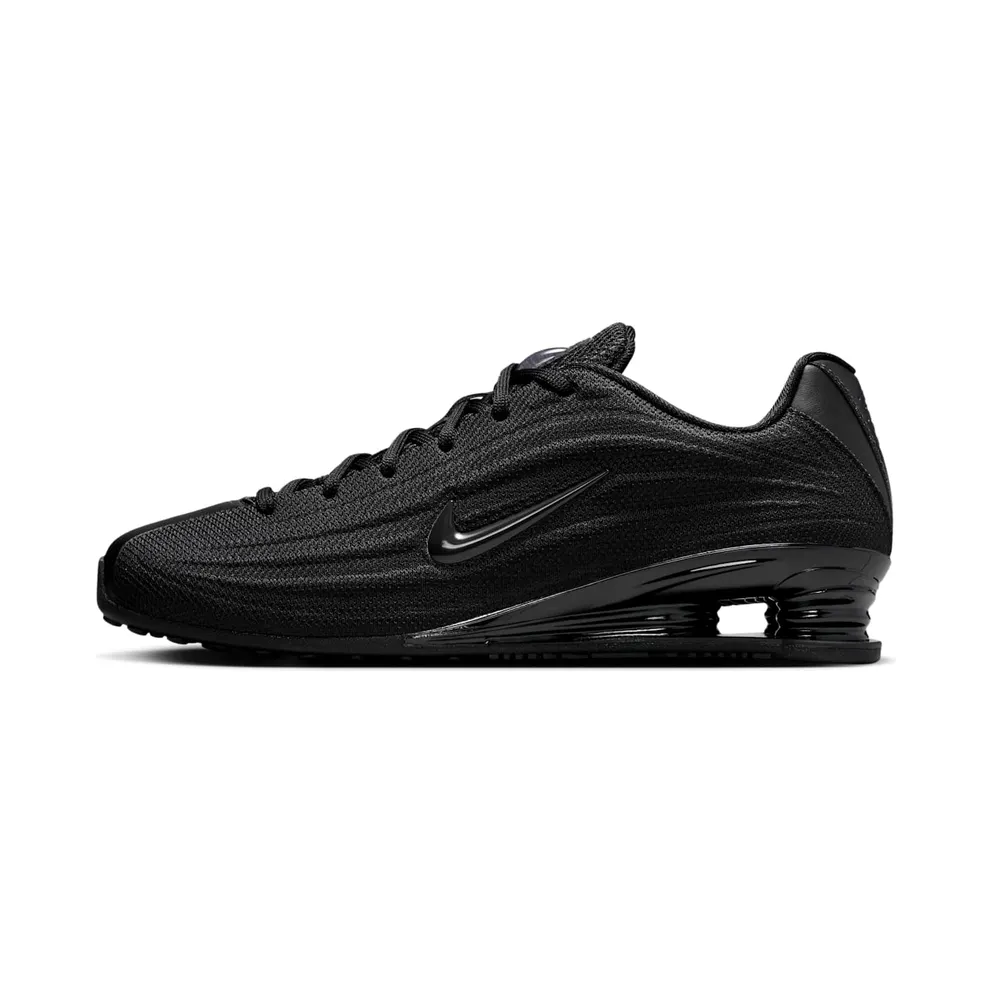
- 1Nike Shox Z “Black” (HQ7540-003)CHARGINGNike Shox Z · from £49 · 3 shops42GSv
- 2Nike Shox Z SE “Iridescent” (IM6051-001)RADIATINGNike Shox Z · from £53 · 3 shops59GSv
- 3Nike Shox Z “Dark Team Red” (HQ7540-600)SEISMICNike Shox Z · from £60 · 3 shops52GSv
- 4Nike Shox Z SE “Phantom Iridescent” (IM6051-002)CHARGINGNike Shox Z · from £64 · 3 shops44GSv
- 5Nike Shox TL White Metallic Silver (W) White/Metallic Silver-Max Orange-White (AR3566-100)RADIATINGNike Shox · from £70 · 3 shops67GSv