

Vans Checkerboard Sneaker
1000 sneakers were found






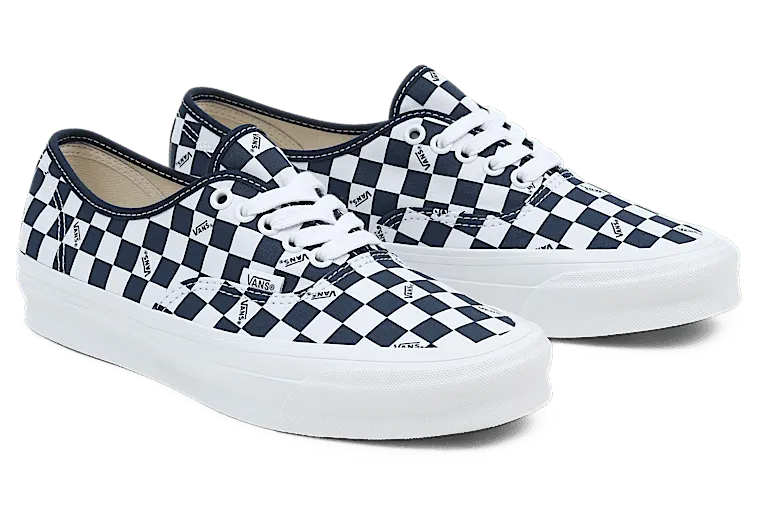
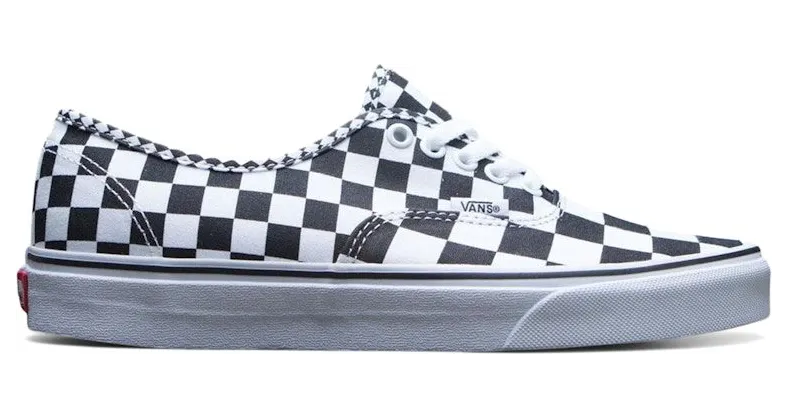
About
Vans Checkerboard
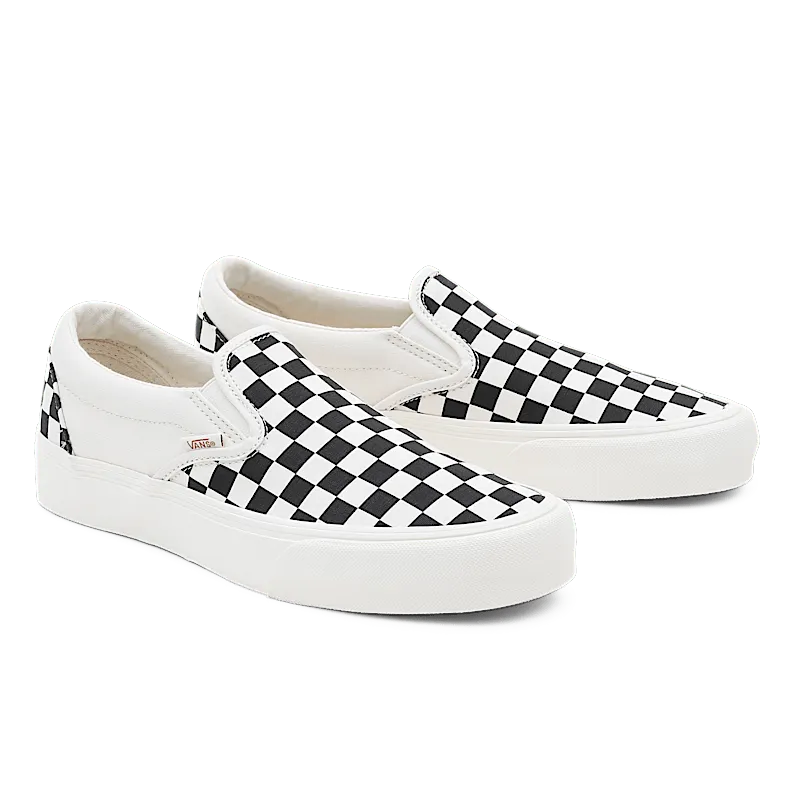
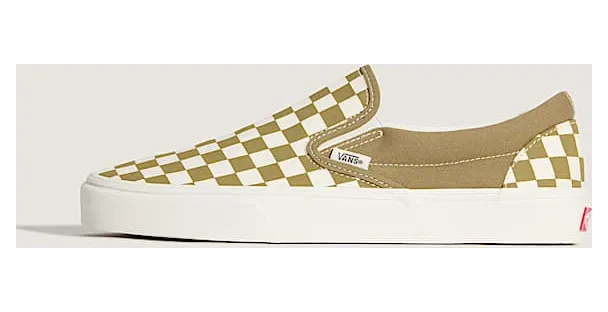
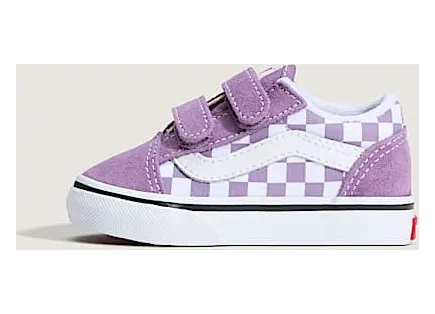
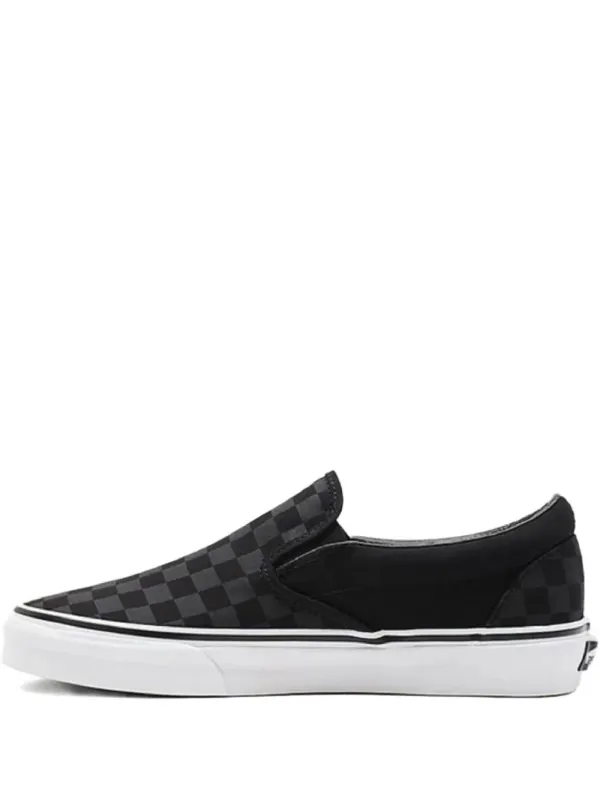
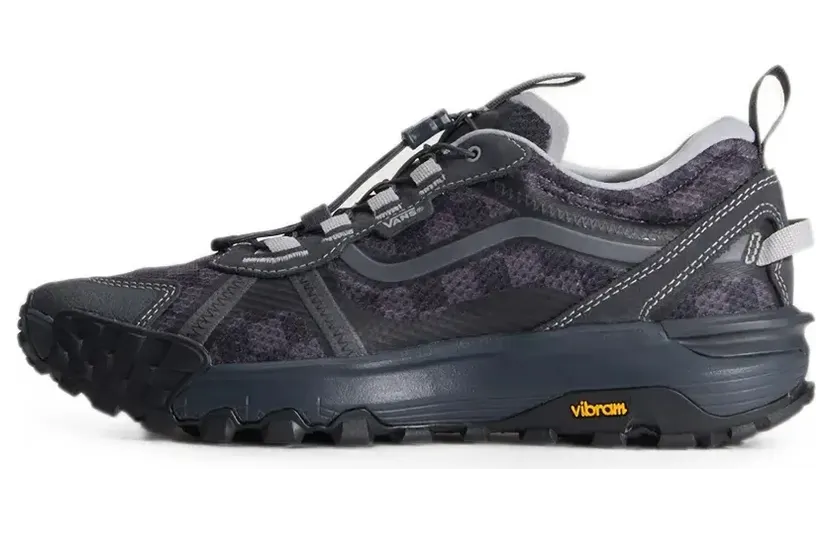
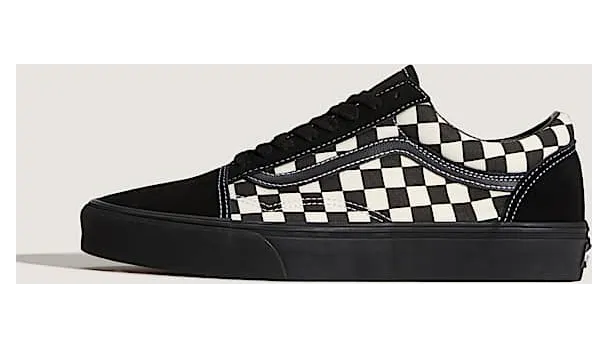
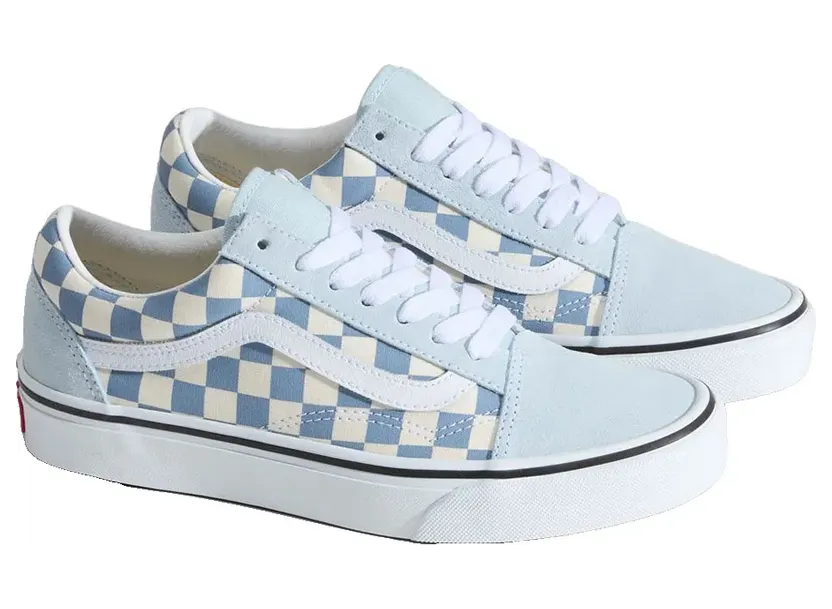
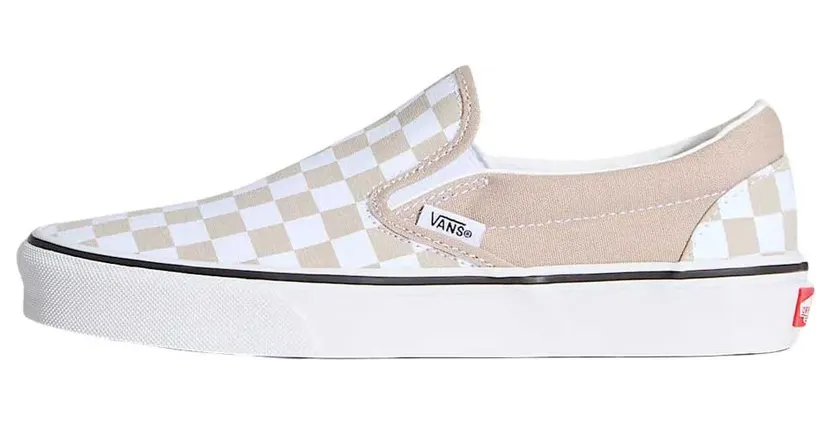
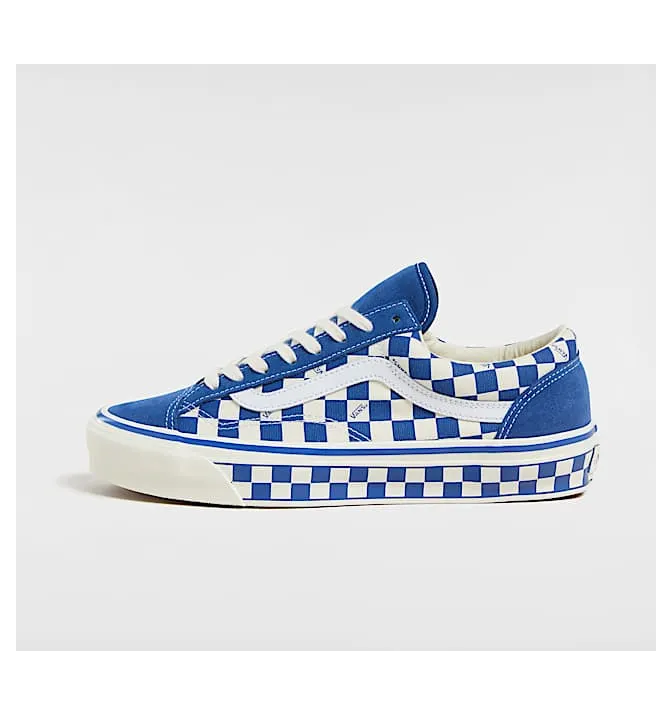
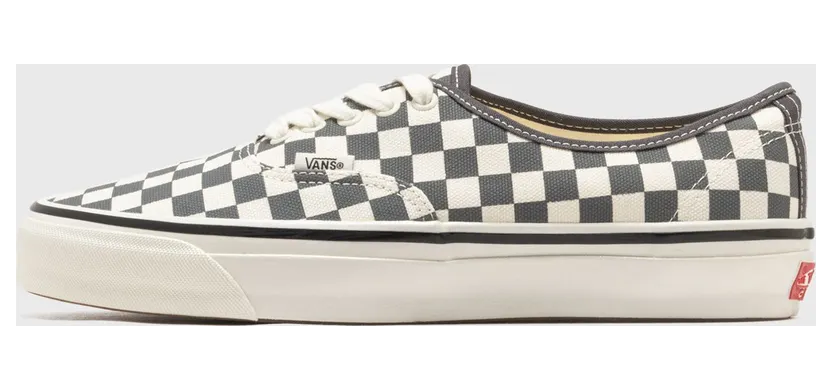
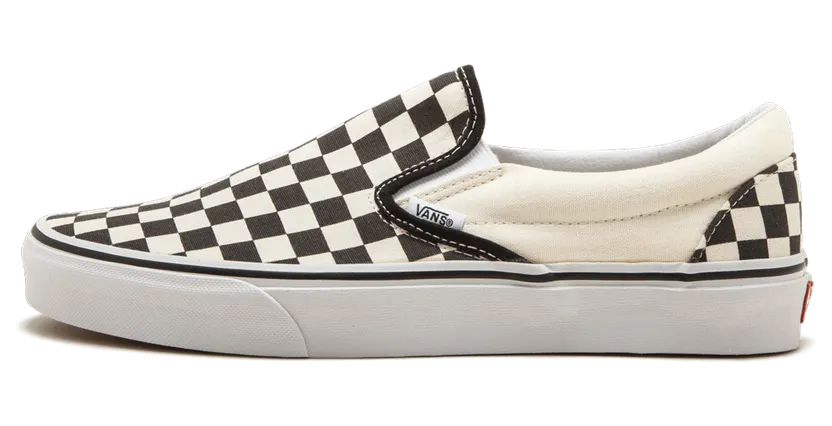
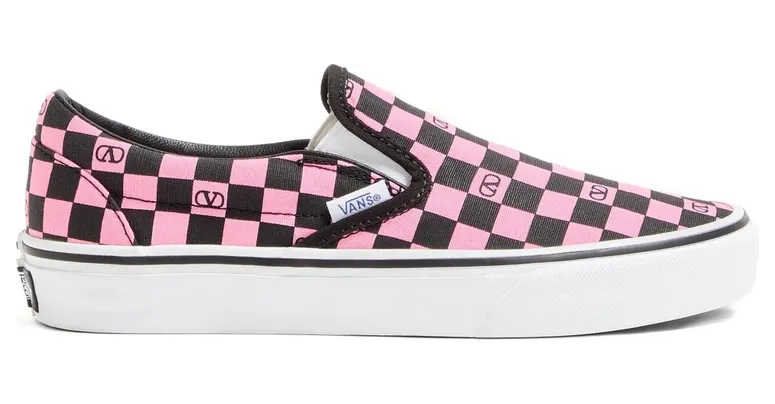
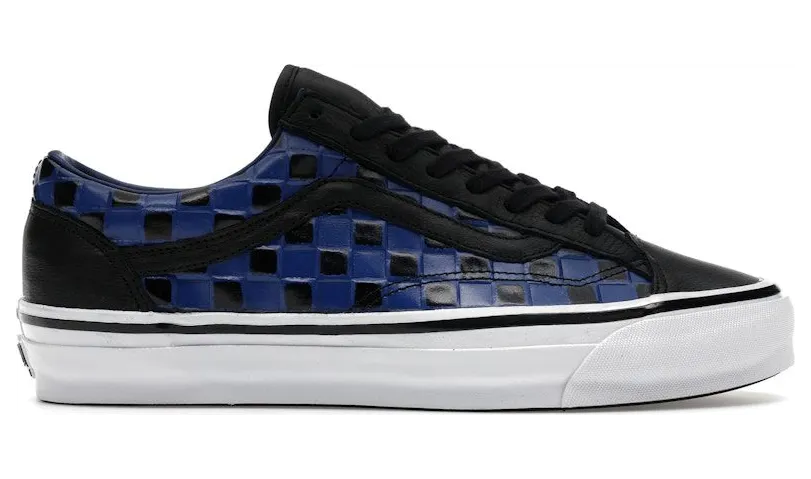
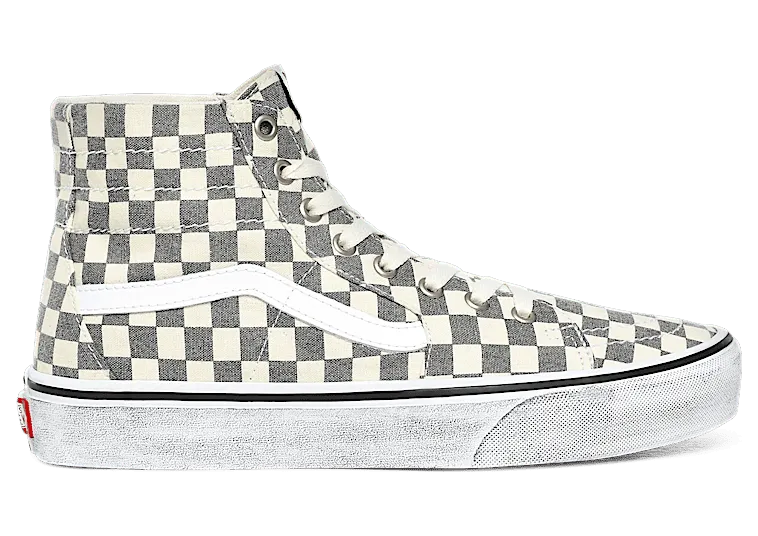
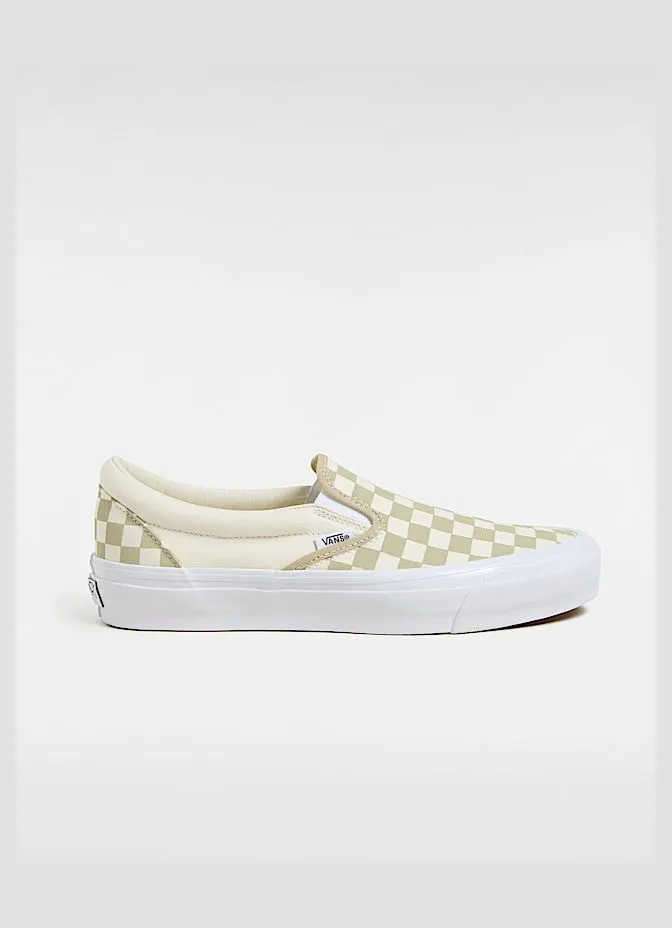
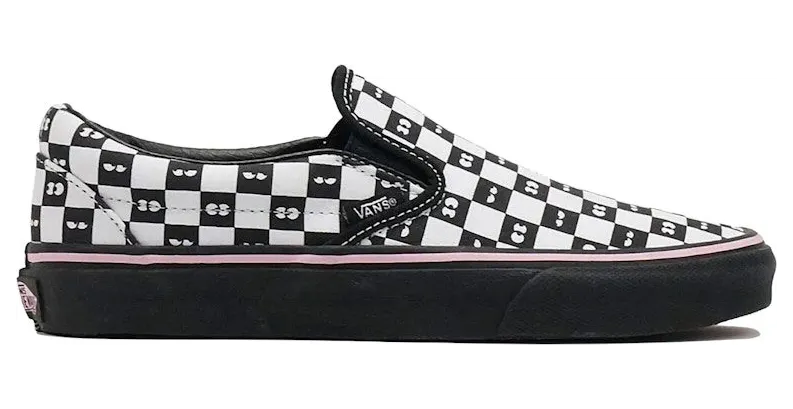
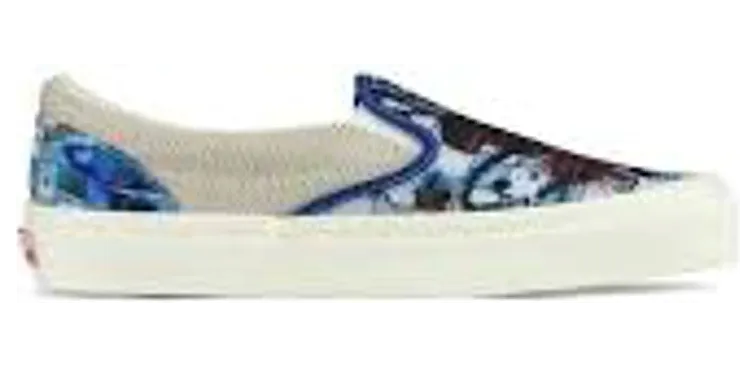
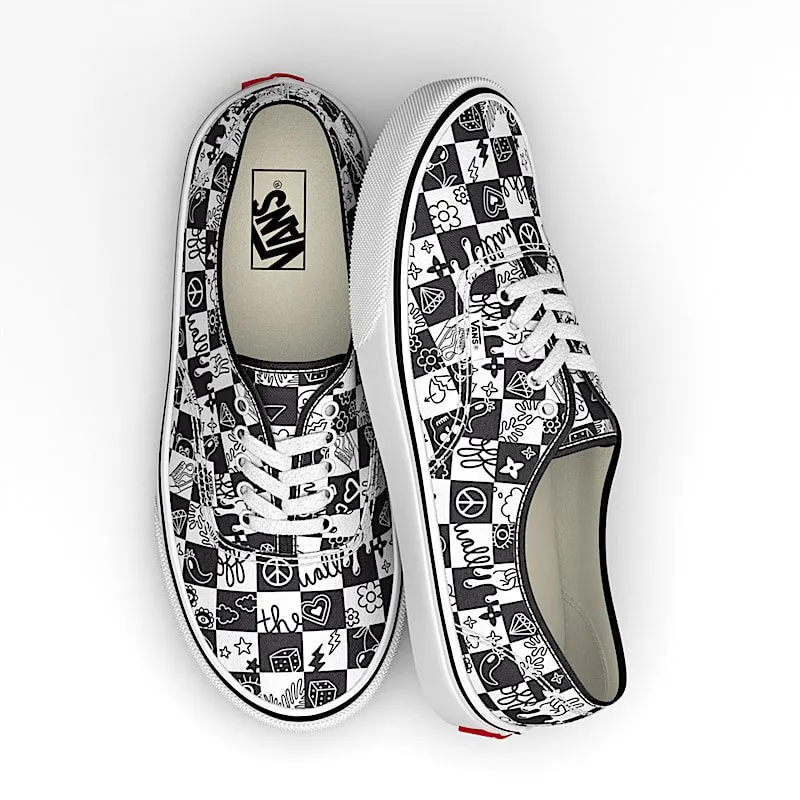
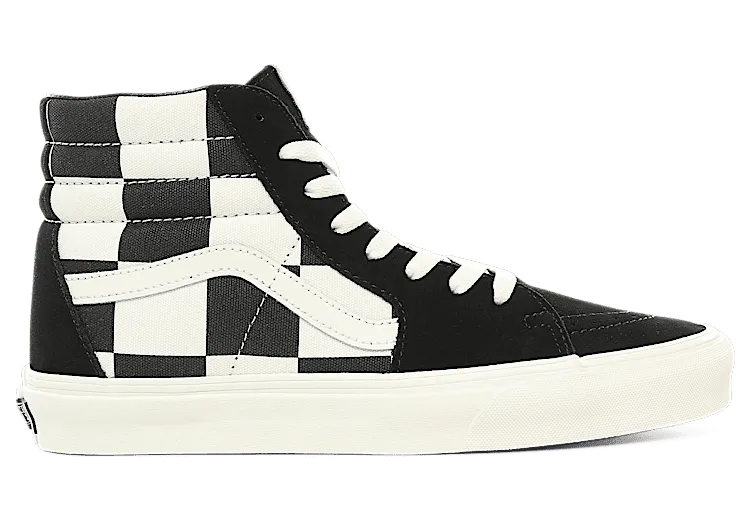
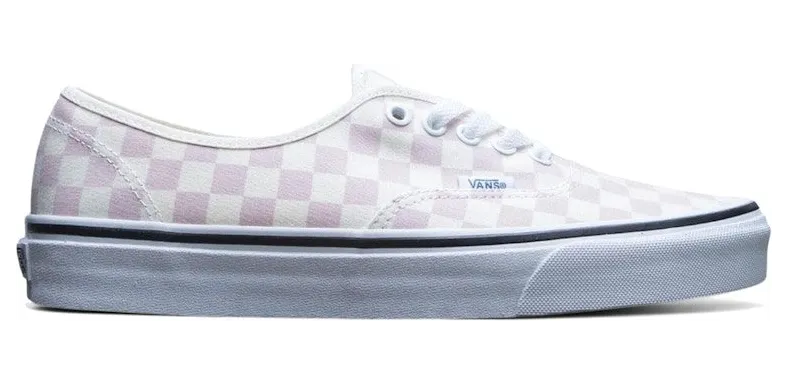
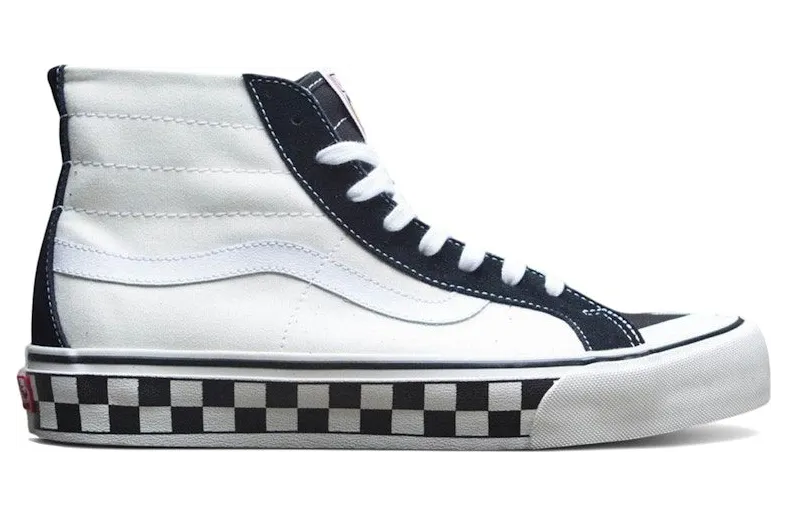
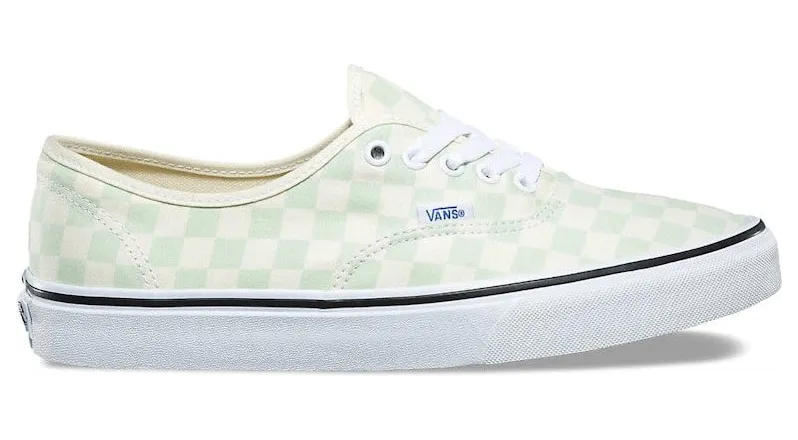
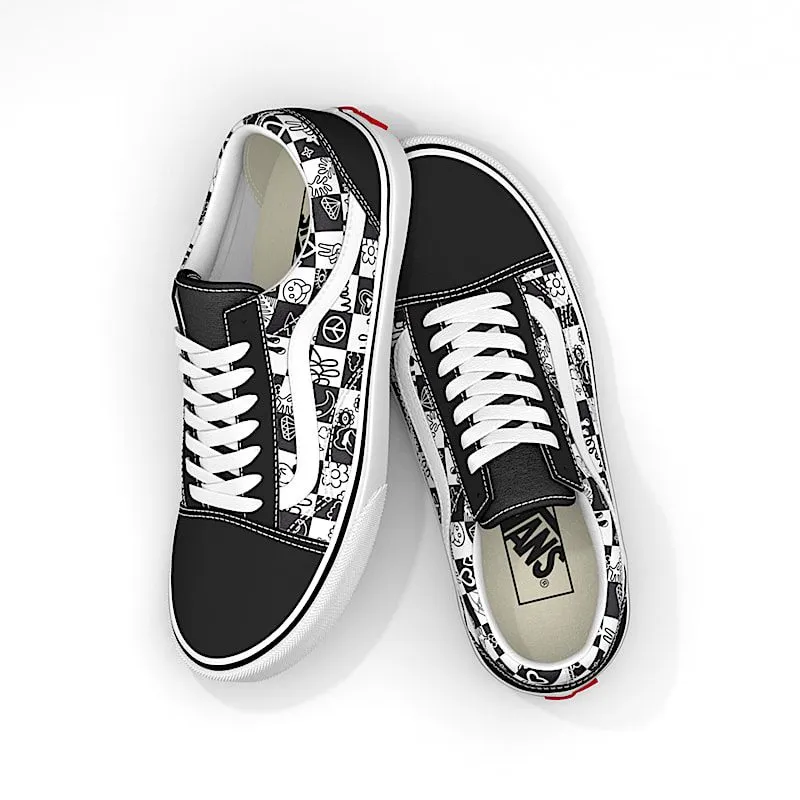
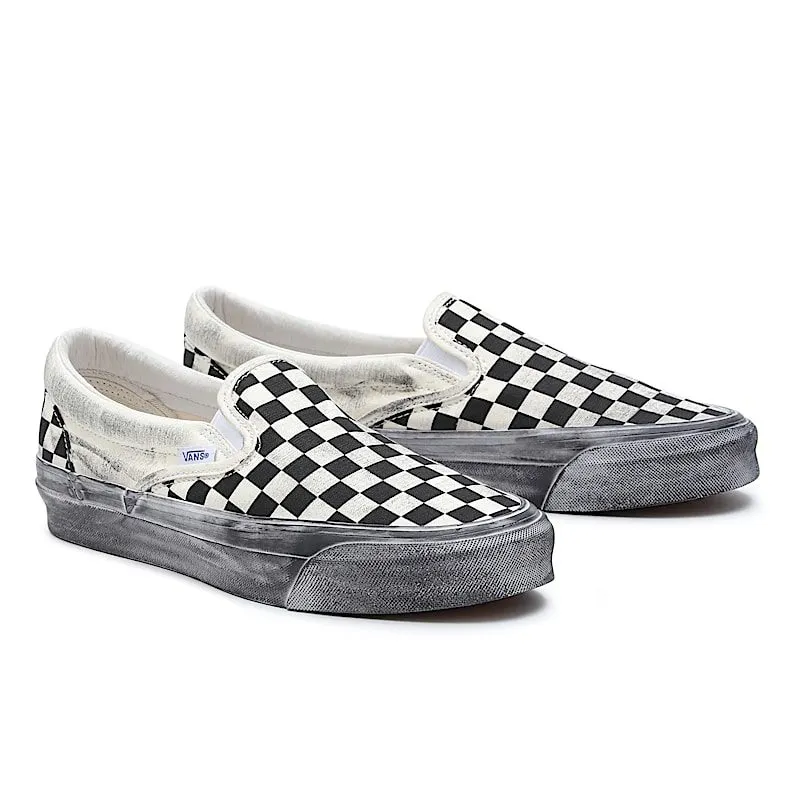
Checkerboard is not a model but a pattern: the black-and-white checkerboard pattern that Vans has been applying to its shoes since the late 1970s. On this page you’ll therefore find versions of various silhouettes together, from flip‑flops and slip‑ons to high‑tops and children’s shoes, connected by the same checkerboard motif.
The story begins with skaters who colored the blank white side panels of their shoes with markers. Vans adopted the idea and began factory-producing the pattern from 1977, after which the film Fast Times at Ridgemont High put it on a wide audience’s feet in 1982. Since then the pattern has never been out of production.
The execution differs by model. On the slip‑on the pattern fills the entire side, on the flip‑flops it appears only on the strap across the instep, and on children’s shoes it runs as an accent panel alongside a solid base. In all cases it sits on a white or black sole rim, preserving the contrast.
Besides the classic black-and-white the pattern appears in other color combinations and in distorted versions, where the squares stretch or transition into a flame motif. The best-known carrier model is on the page for the Vans Slip-On; the pattern also turns up on the Vans Knu Skool and the Vans Old Skool.
On this page you can see which versions with the Checkerboard pattern are currently hottest according to the Hypescore, from which price they’re available and how many shops have them in stock.
Which Vans Checkerboard gives off the strongest hype signal?
The Hypescore reads the signal strength of every Vans Checkerboard colorway. Community votes, resale movement, search demand and scarcity together decide how much hype a sneaker gives off, expressed in GSv. On the left the strongest hype signals, on the right the colorways just being picked up and rising fast.
Strongest hype signal
- 1
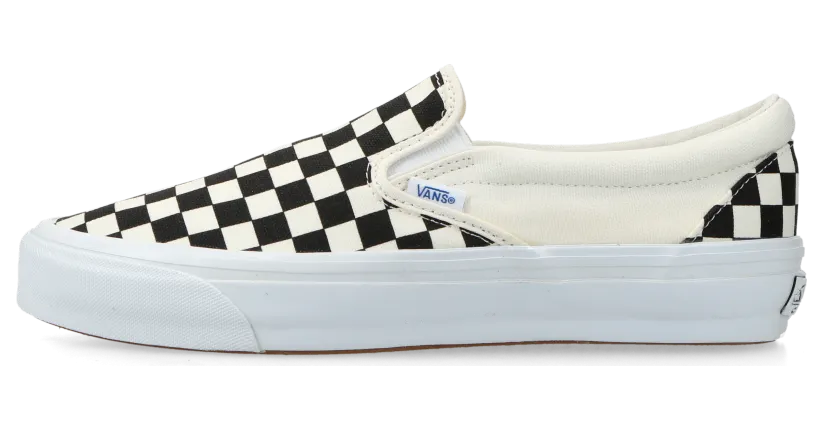 Vans Classic Slip-On LX (checkerboard black / off white) – VN000CSE2BO1CHARGINGVans Checkerboard · from €90 · 9 shops39GSv
 - 2
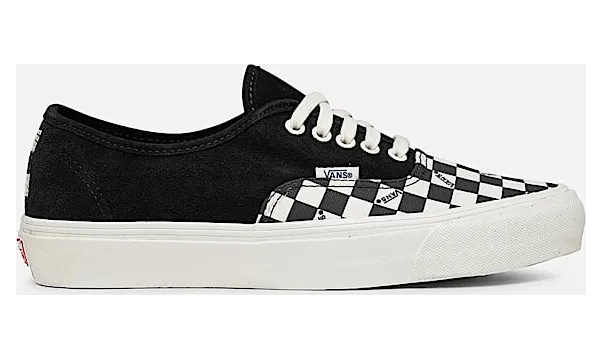
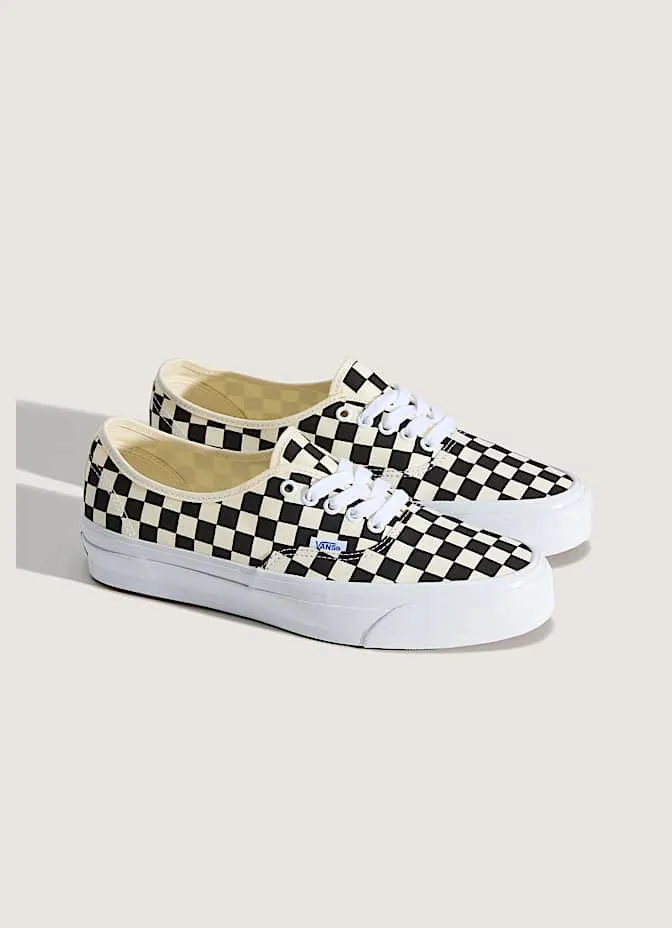 Vans LX Authentic Reissue 44 “Checkerboard” (VN000CQA2BO)CHARGINGVans Checkerboard · from €76 · 3 shops37GSv
 - 3
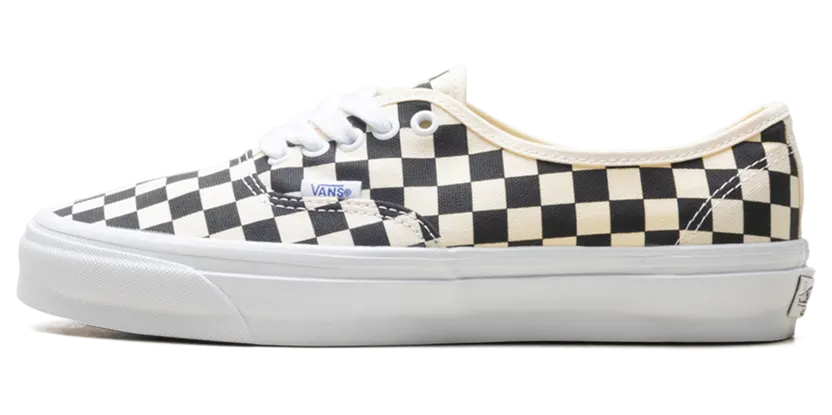 Vans Slip-On Reissue 98 LX “Checkerboard – Black” (VN000CSE2BO)INERTVans Checkerboard · from €78 · 7 shops31GSv
 - 4
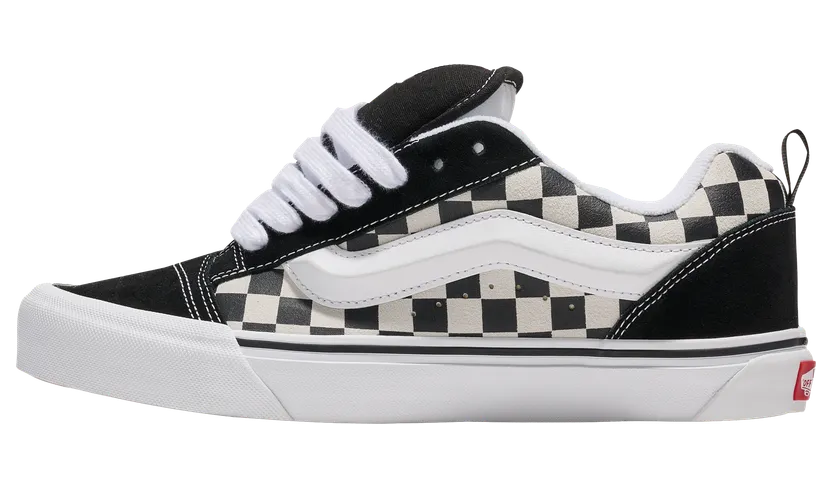 Vans Knu-Skool “Checkerboard – Black White” (VN000D22BPB)INERTVans Checkerboard · from €64 · 6 shops25GSv
 - 5
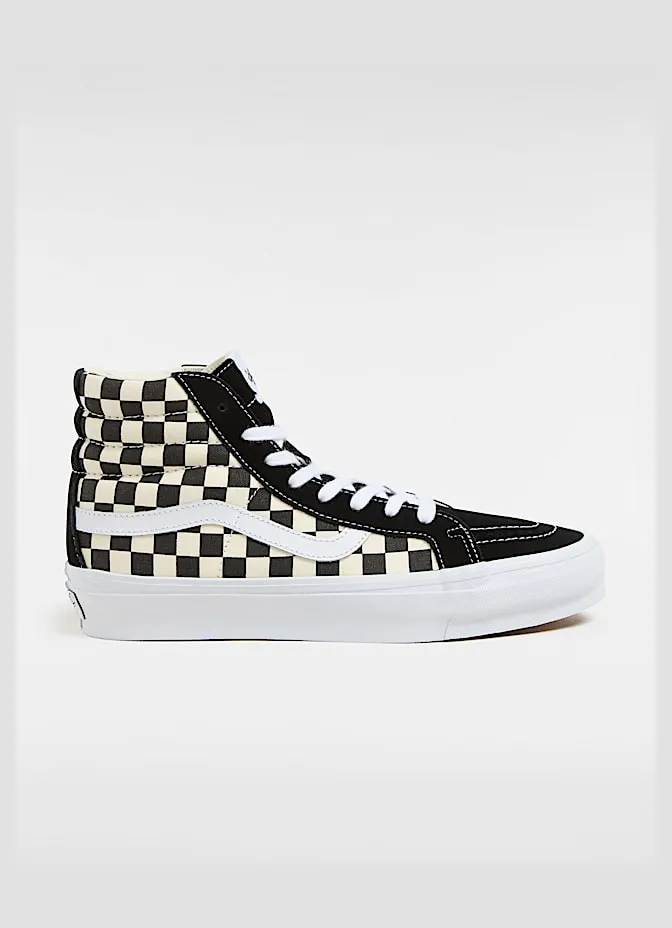
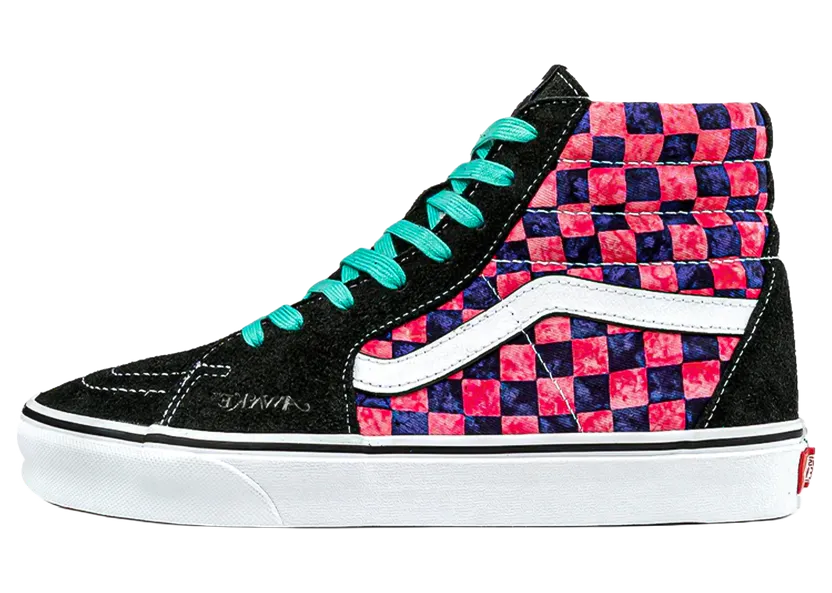 Vans SK8-HI “Awake NY – Blue Checkerboard” (VN0A5HXV7BO)INERTVans Checkerboard · from €161 · 4 shops23GSv
Just in, rising
- 1Vans LX Authentic Reissue 44 “Checkerboard” (VN000CQA2BO)CHARGINGVans Checkerboard · from €76 · 3 shops37GSv
- 2Vans Classic Slip-On LX (checkerboard black / off white) – VN000CSE2BO1CHARGINGVans Checkerboard · from €90 · 9 shops39GSv