

Nike Air Max Plus Sneaker
1000 sneakers were found
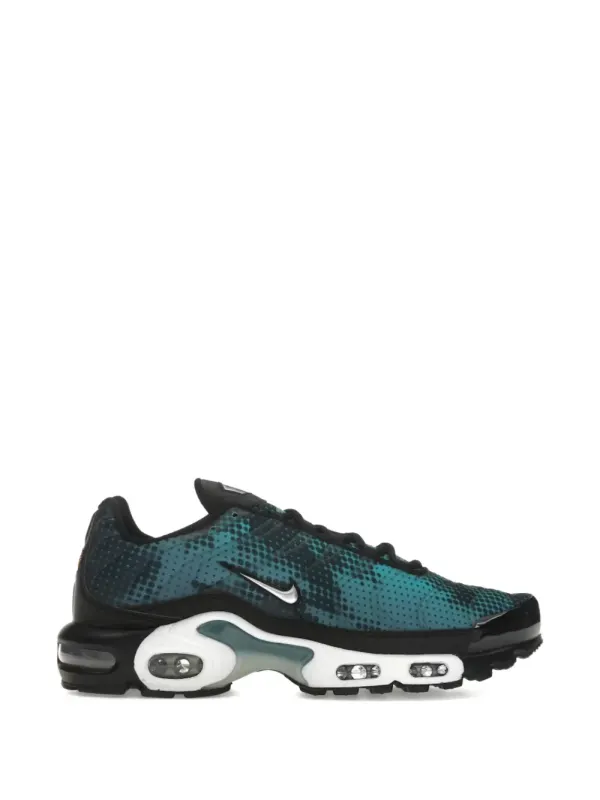
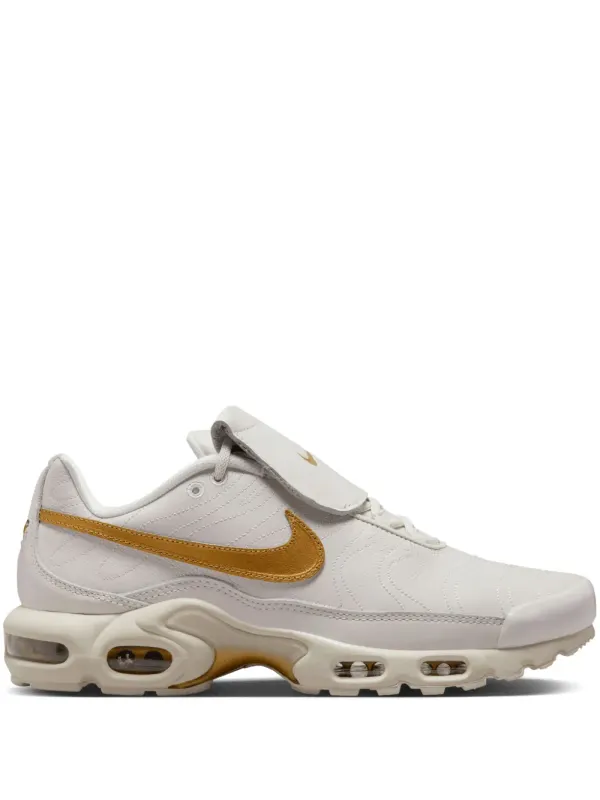
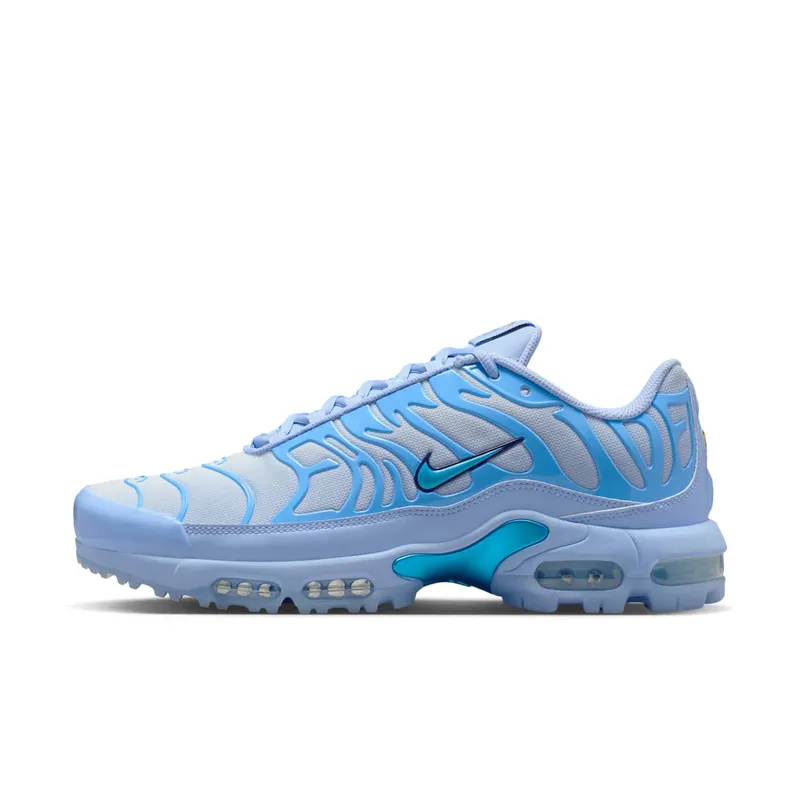
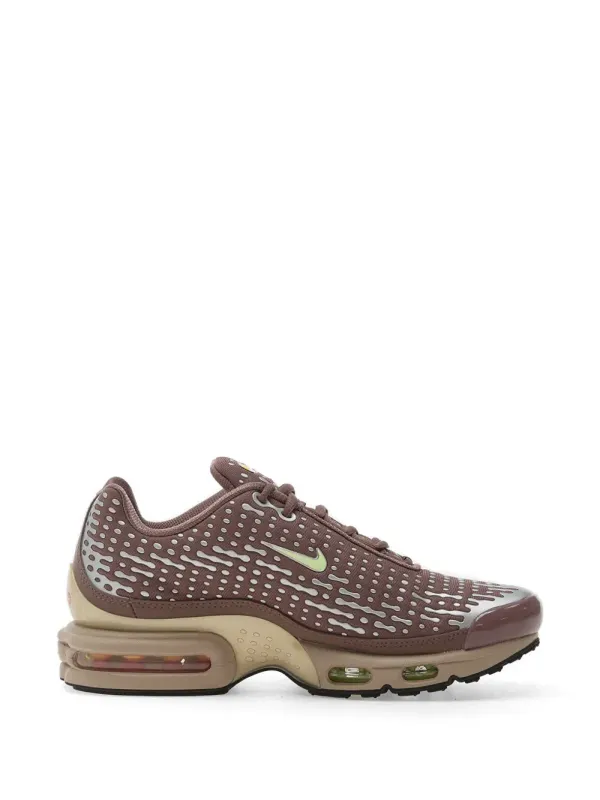
About
Nike Air Max Plus
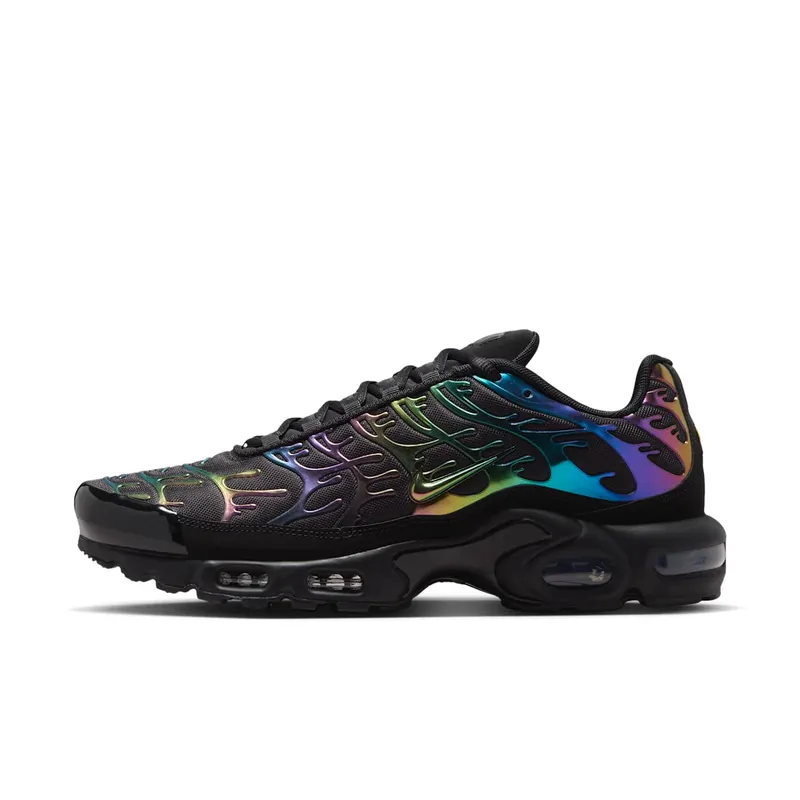
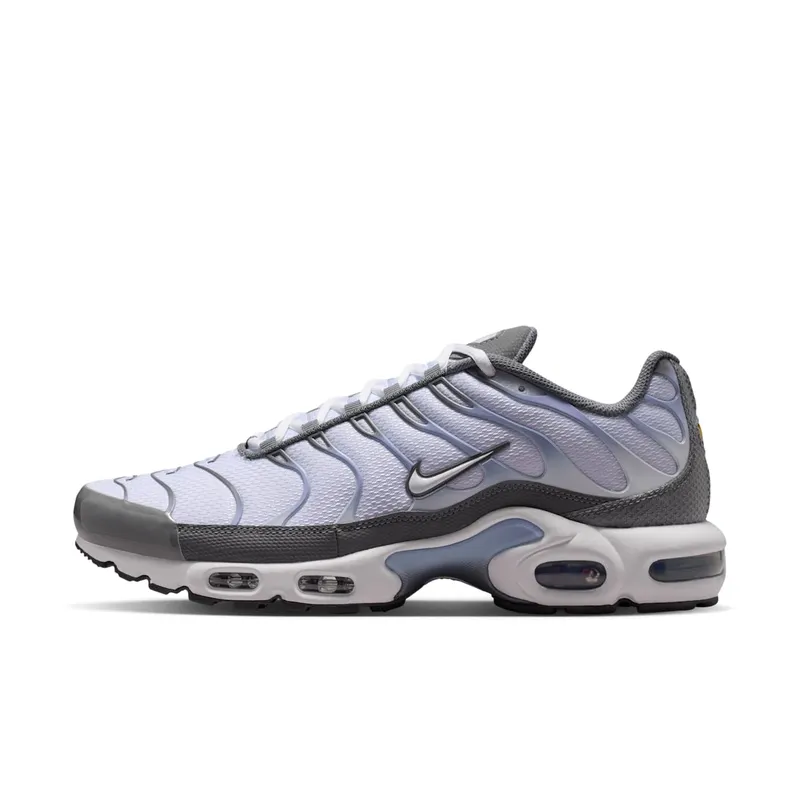
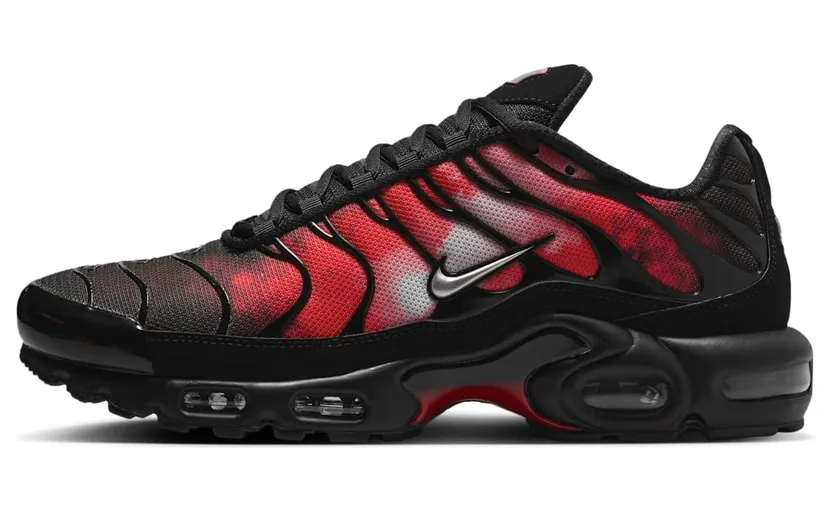
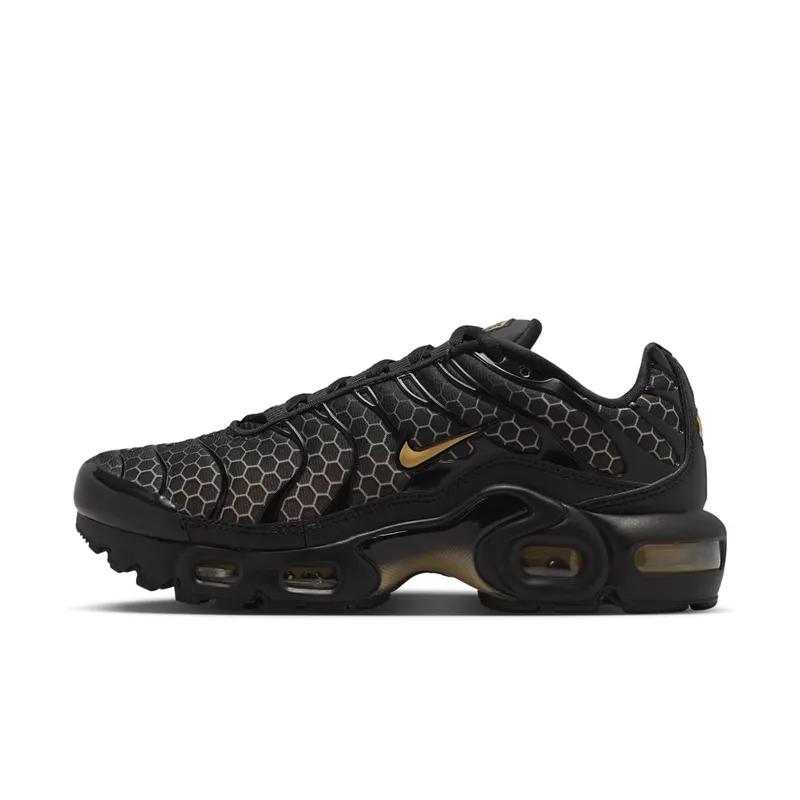
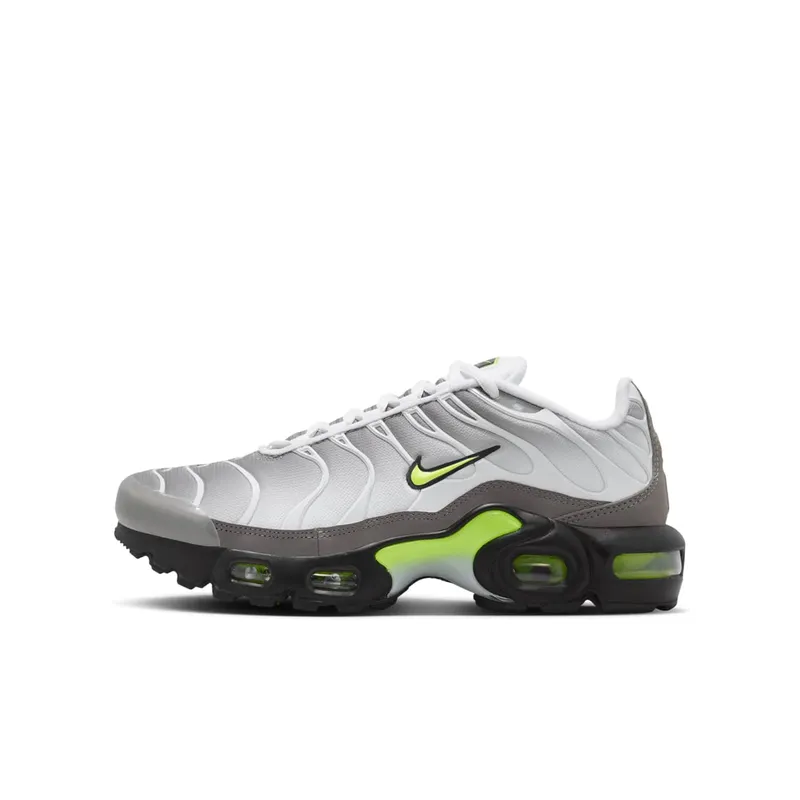
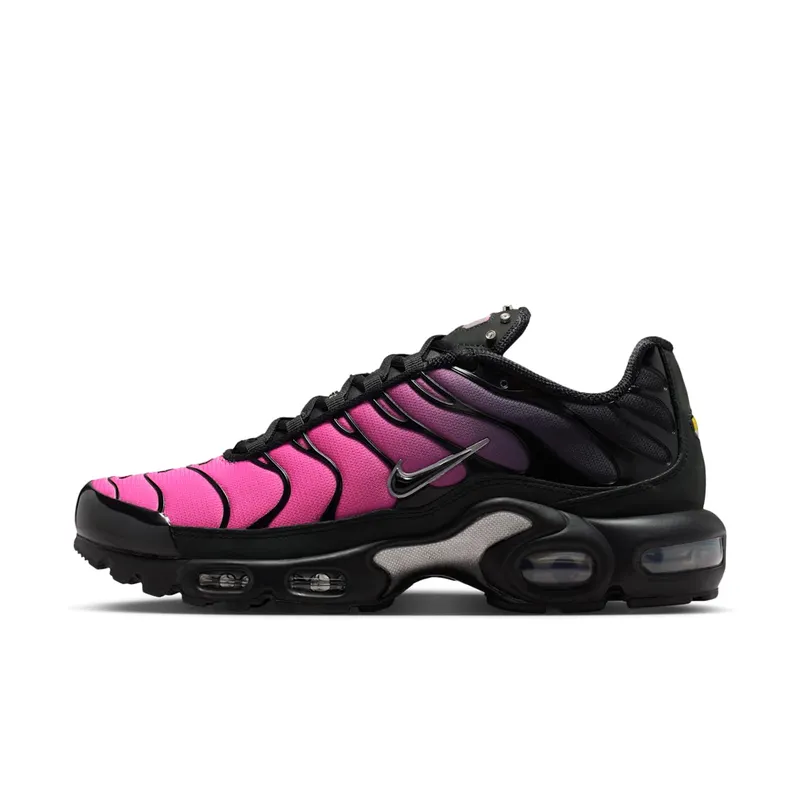
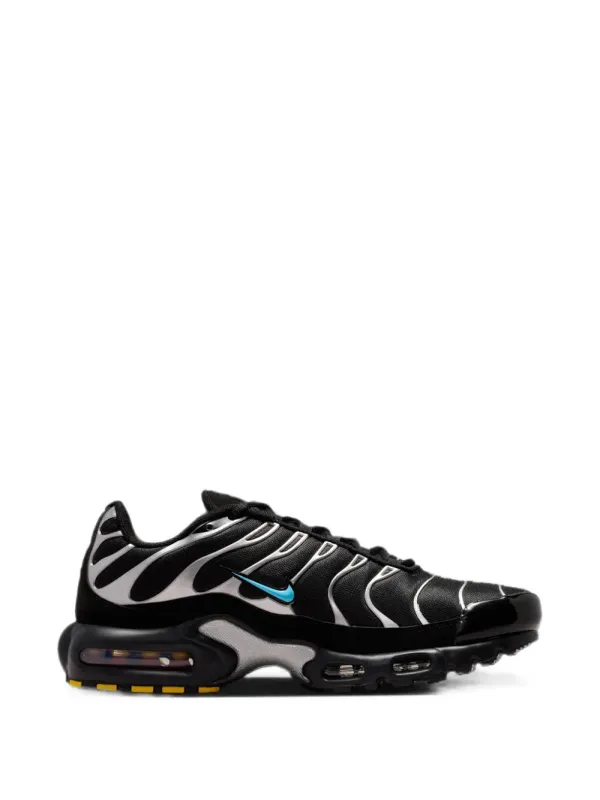
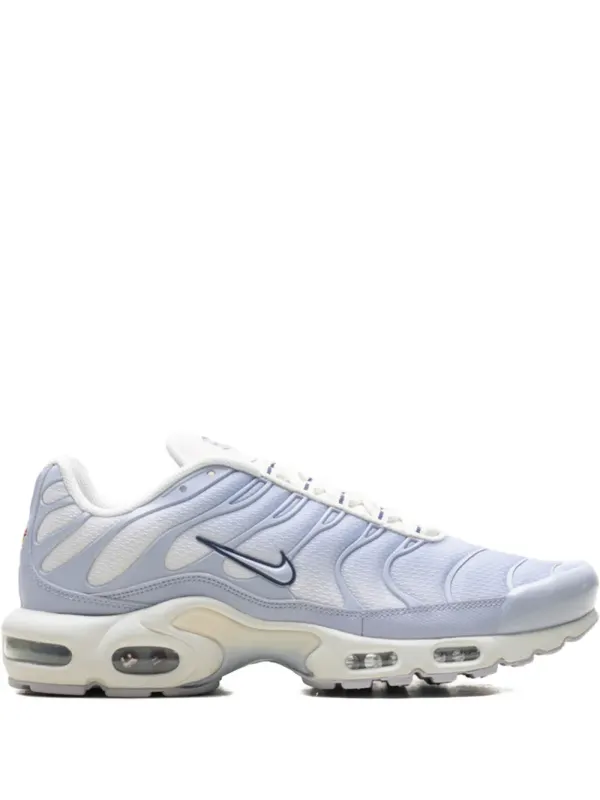
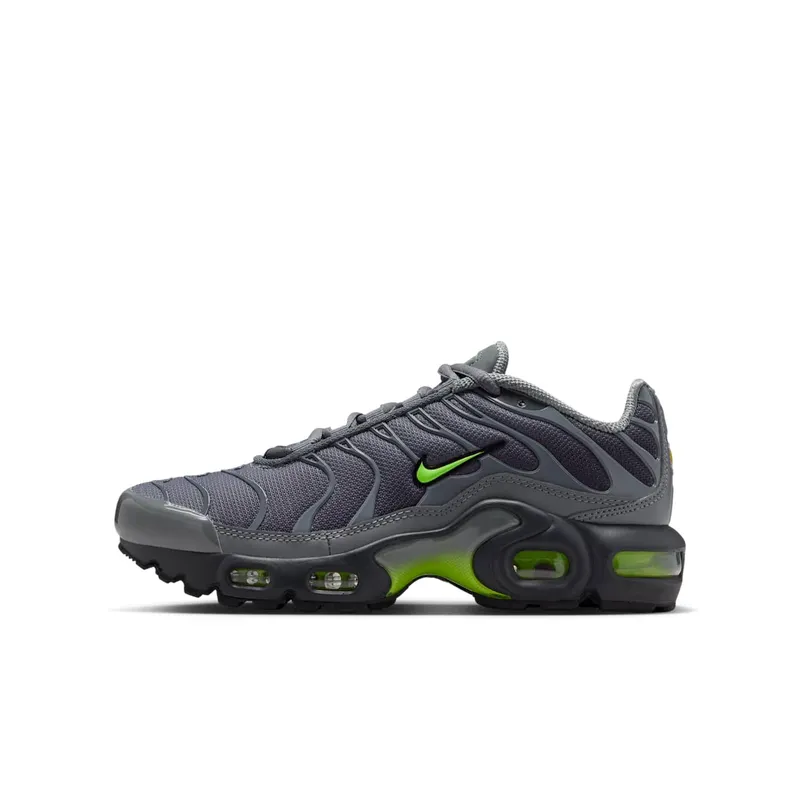
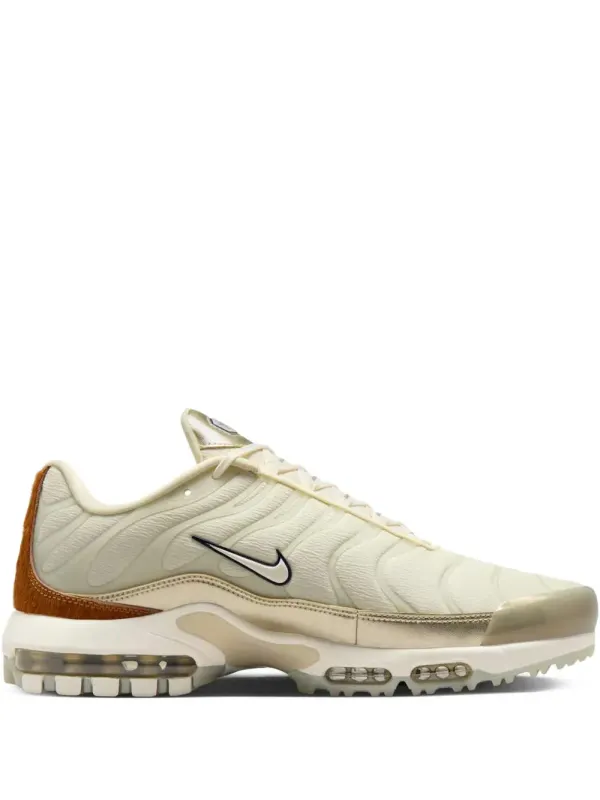
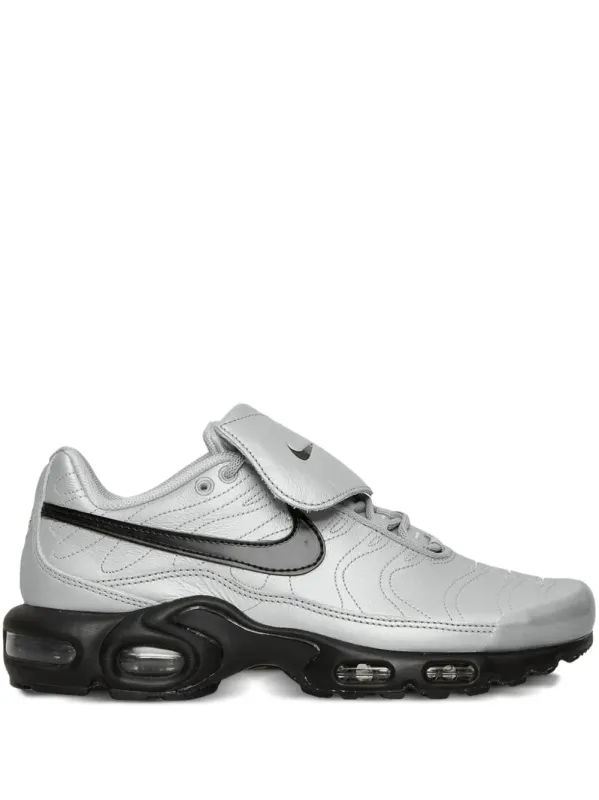
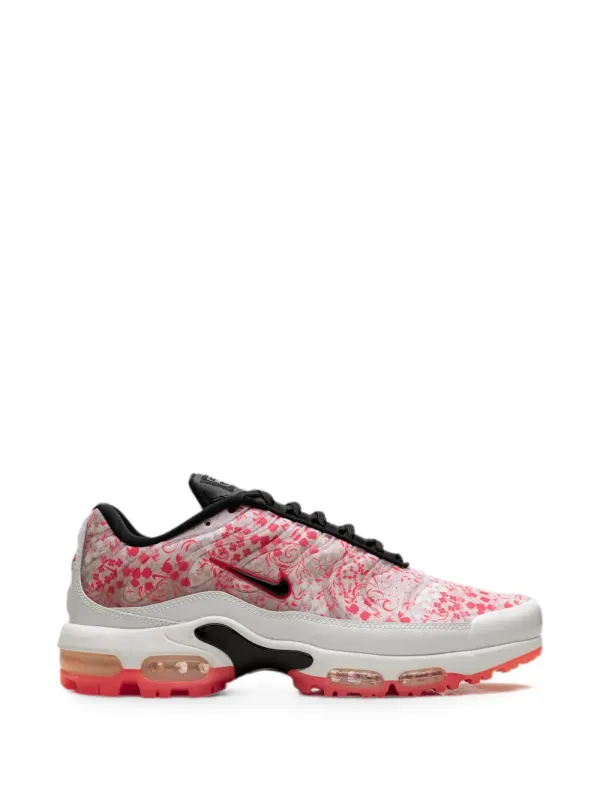
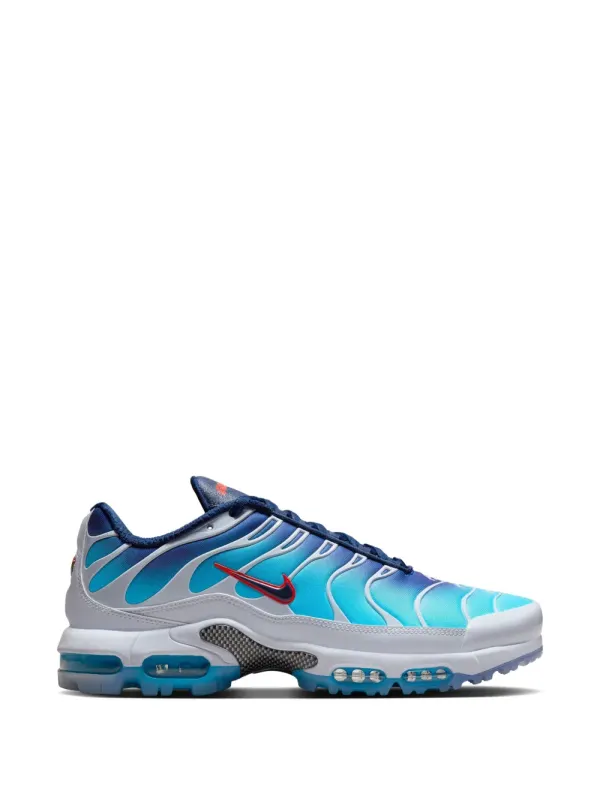
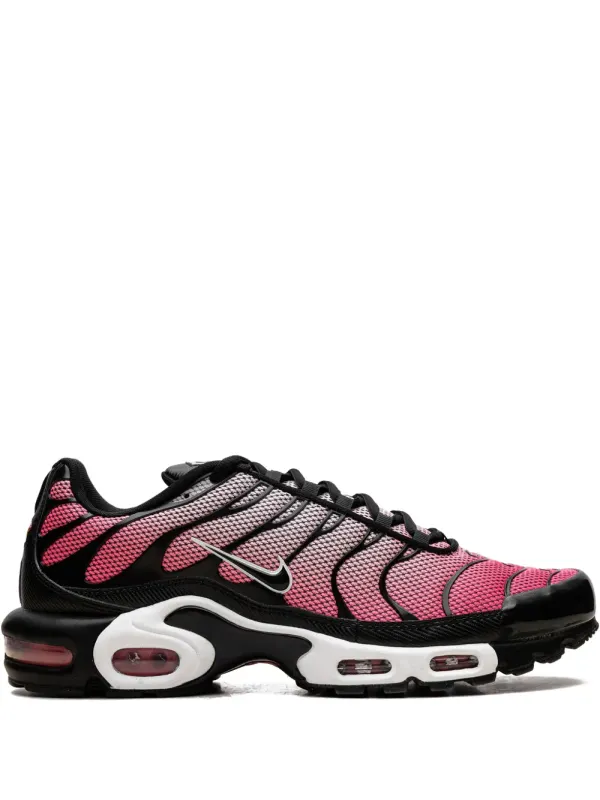
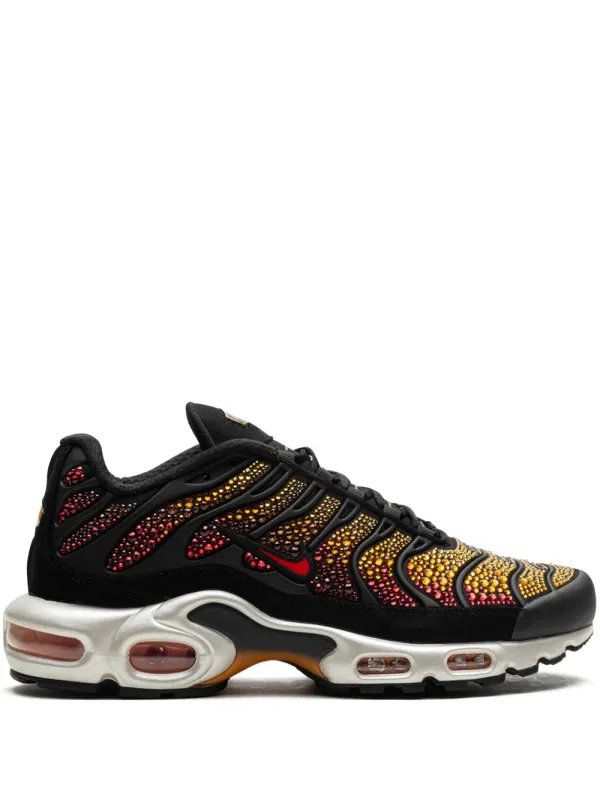
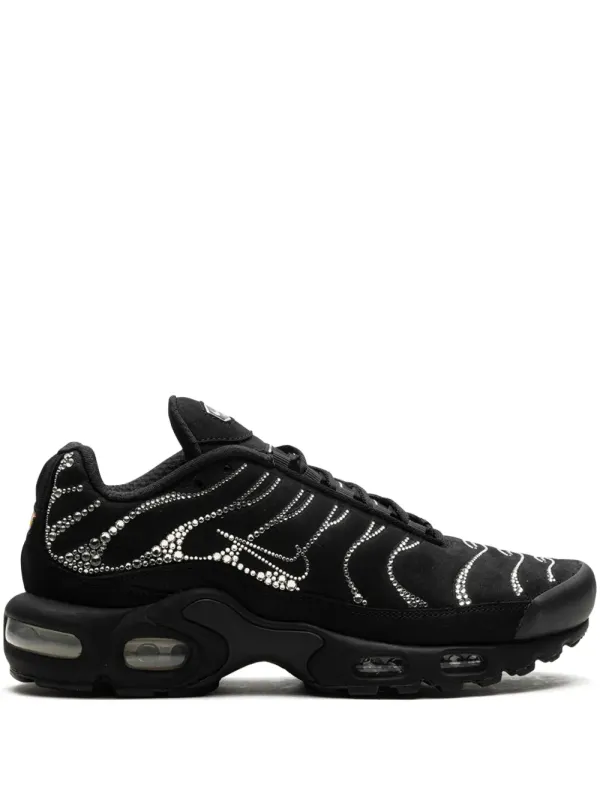
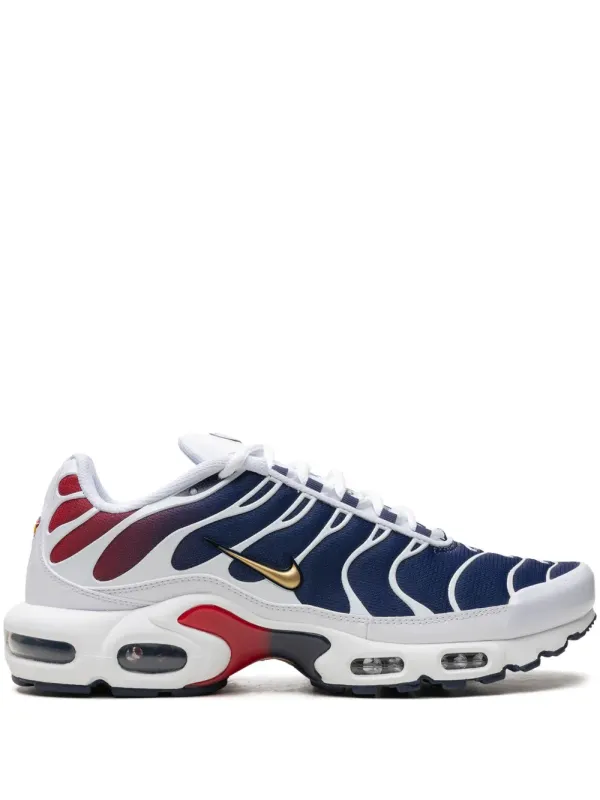
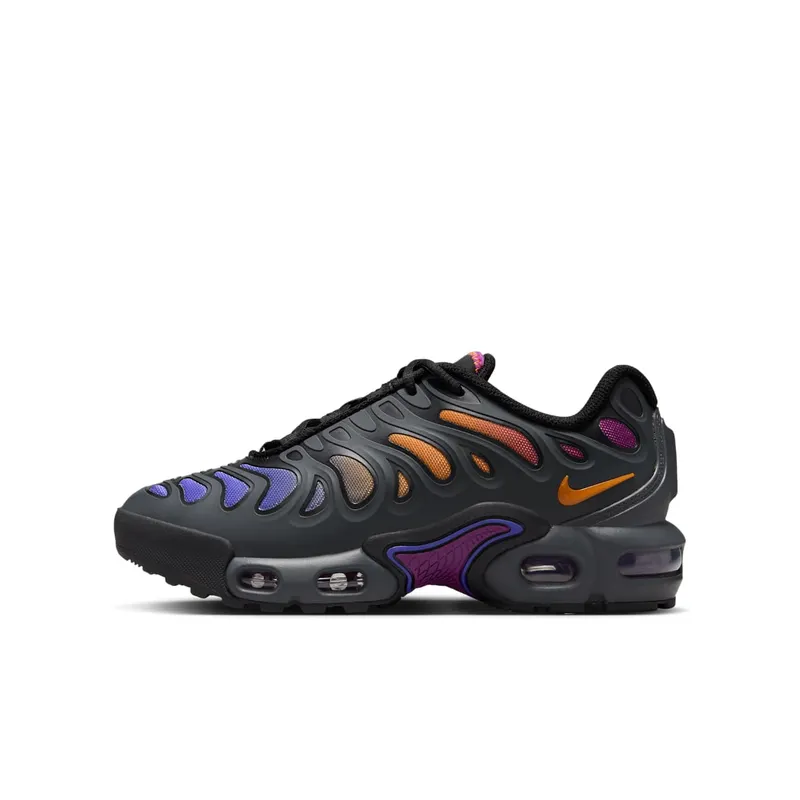
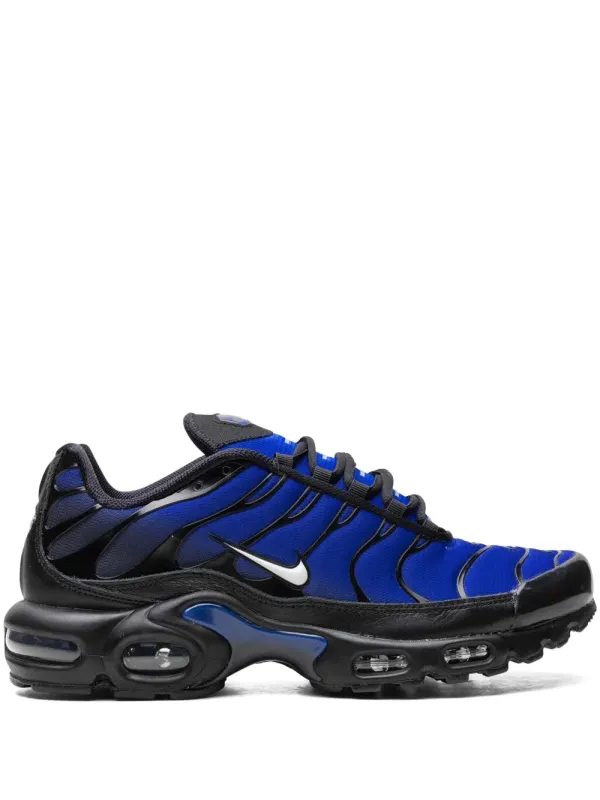
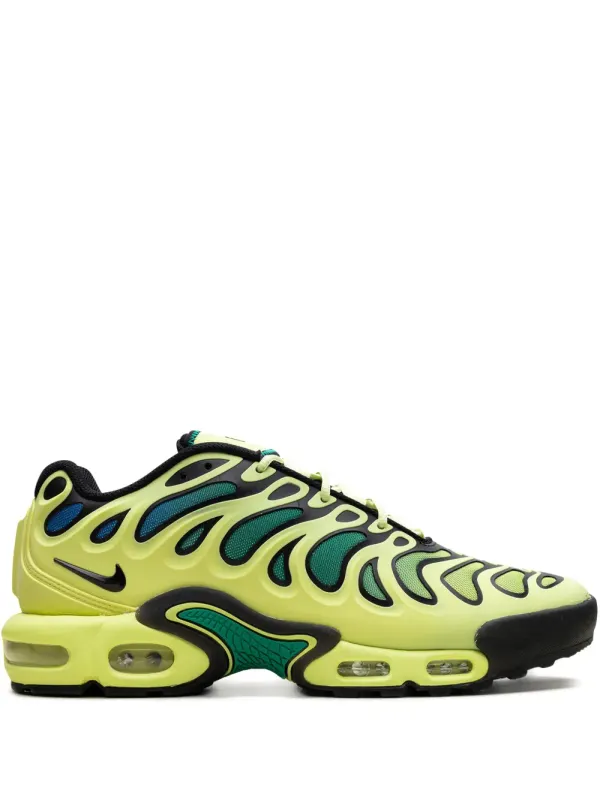
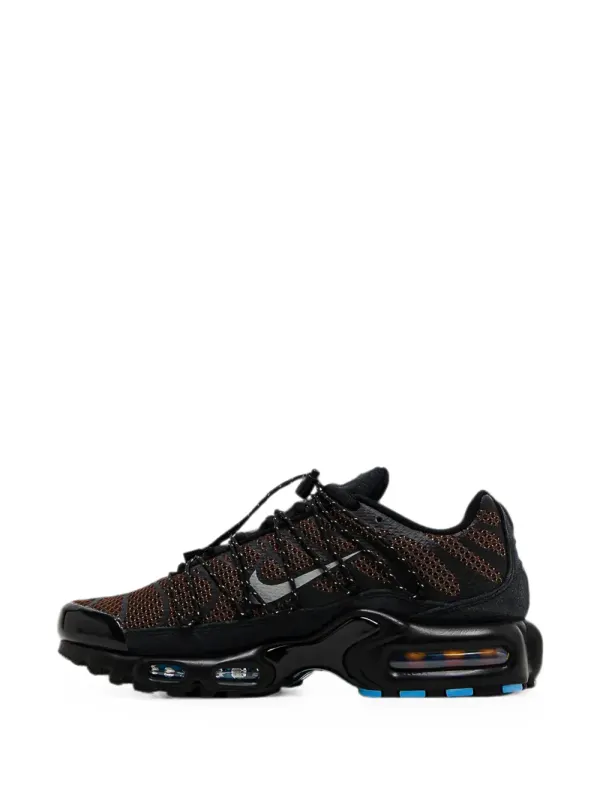
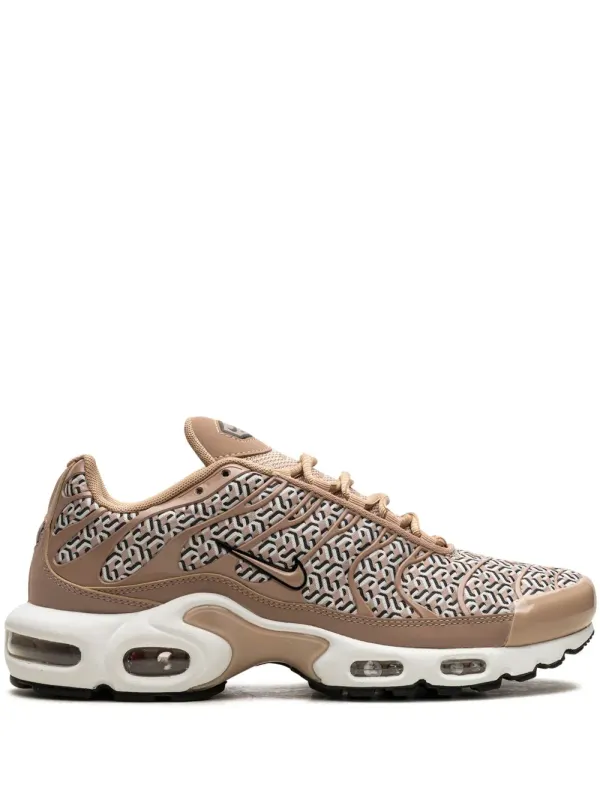
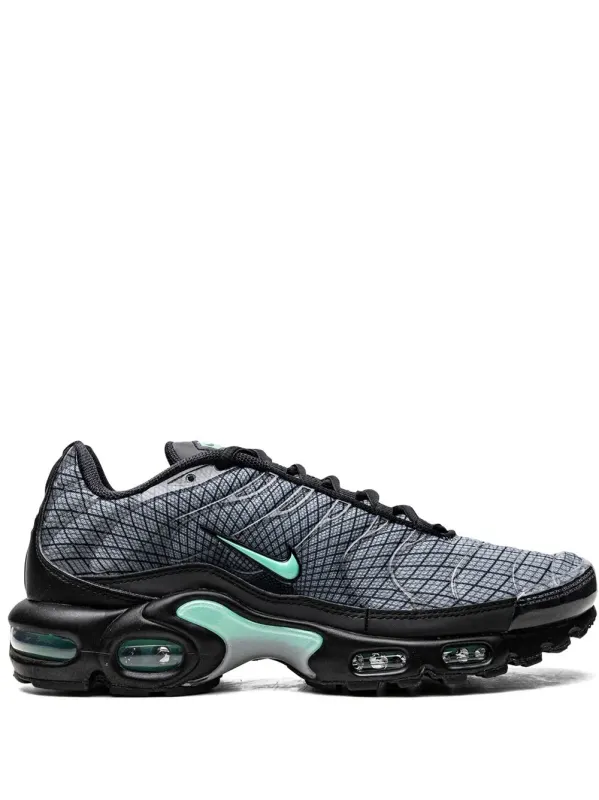
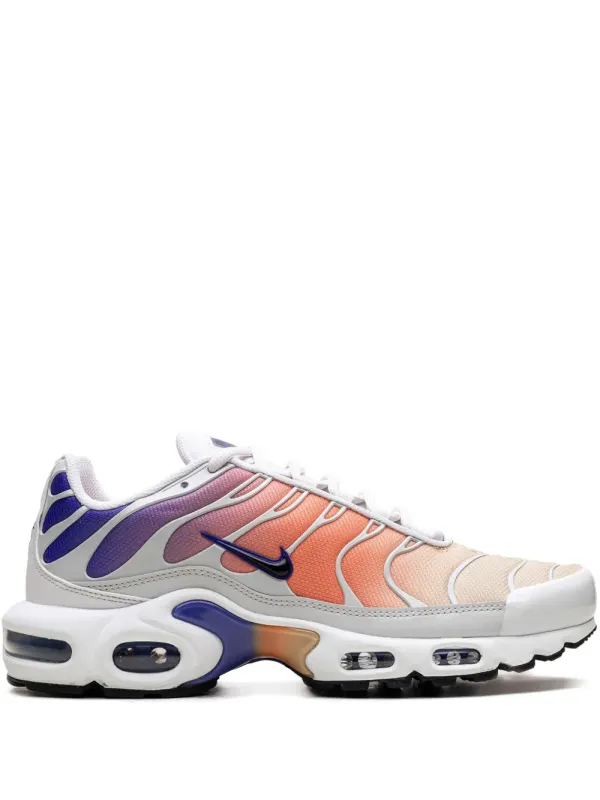
Sean McDowell designed the Air Max Plus in 1998 after a beach holiday in Florida. What he saw there is still in it: the row of palms against the sky became the fan of ribs across the side, and the sky above the water became the color gradient that runs from dark to light. The heel extended into a fin. That story is true, and it is told so often that it creates the impression the shape is merely an image. That is exactly what it is not.
Note the number
First a warning, because it is practical here. Later generations also fall under this name, and those are different shoes. The successors kept the ribs but changed the sole and the proportions; so anyone looking for the 1998 silhouette should look for a version without a number. The full overview of the line is on Nike Air Max, and in terms of production year the Air Max 95 and Air Max 97 are the closest.
The ribs are the skeleton
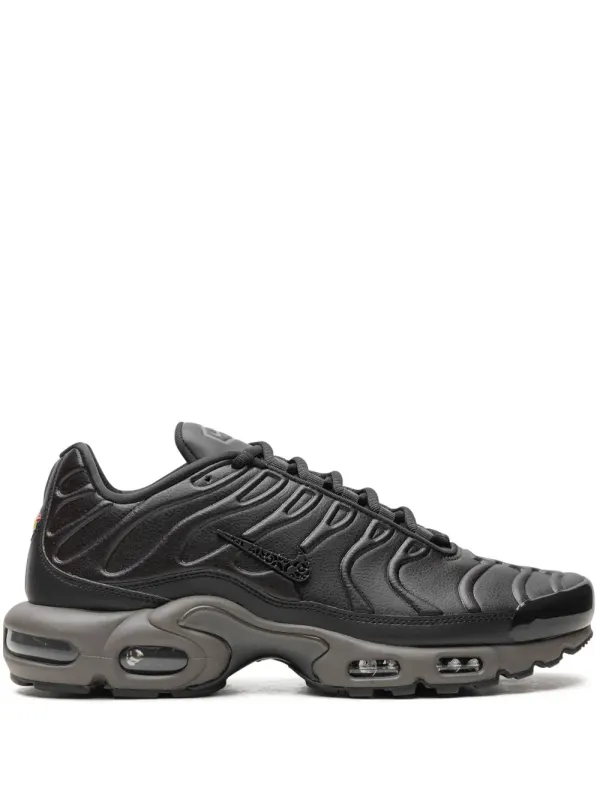
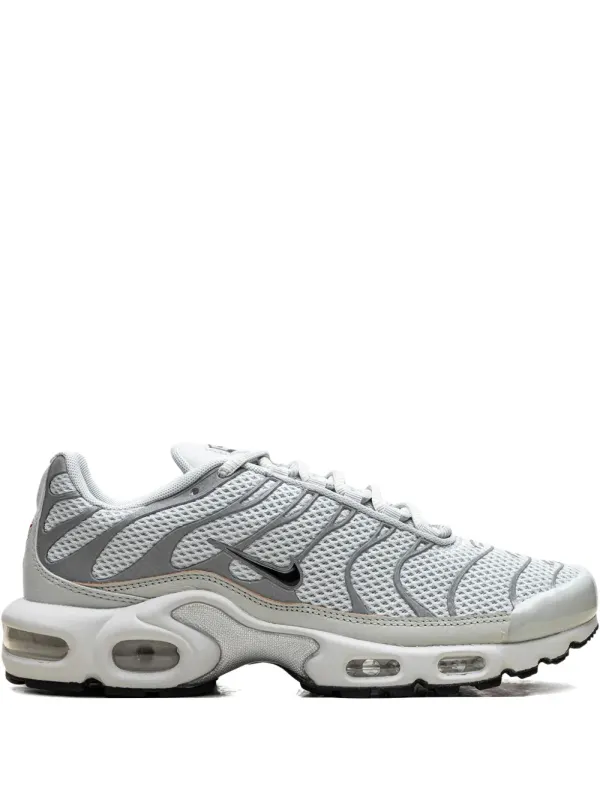
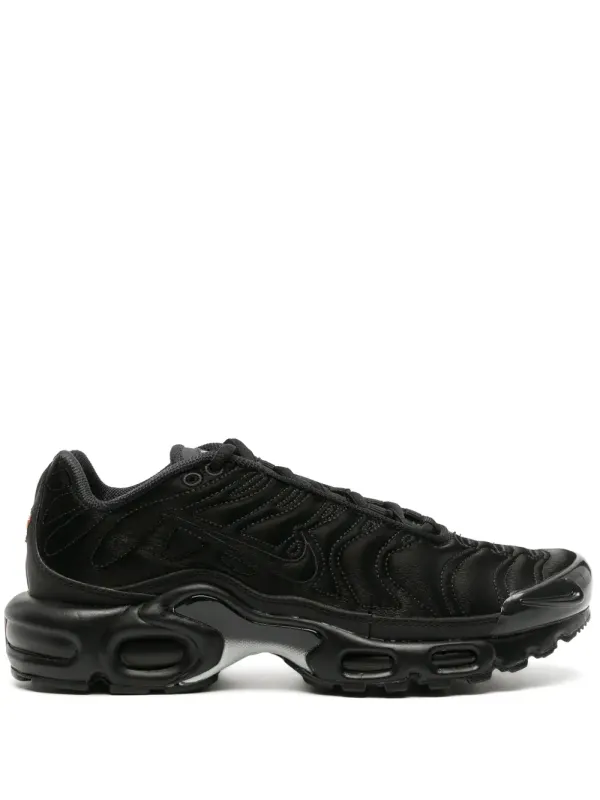
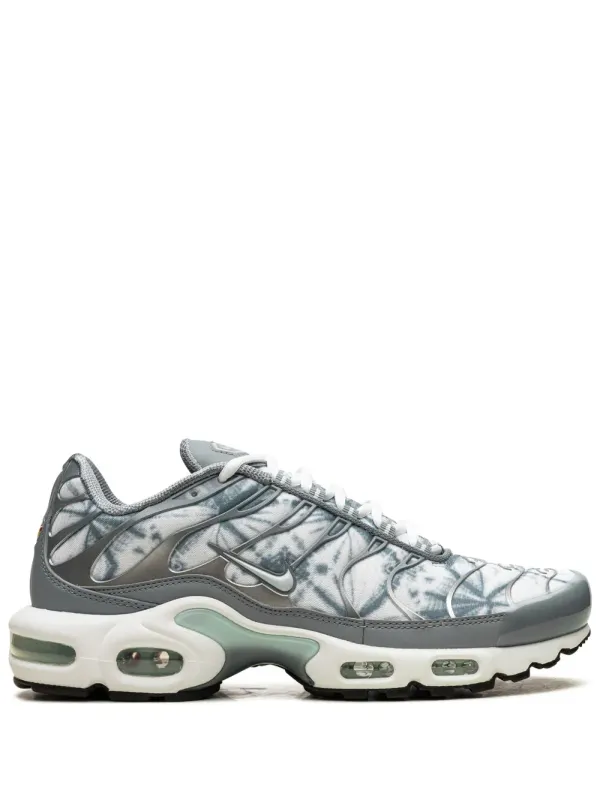
The upper is a thin, open weave that hardly holds its shape on its own. Over it lie glossy plastic ribs that fan up from the sole edge to the lacing area. They take the pulling force of the laces and keep the mesh taut. Remove them and all that’s left is a floppy sock. What therefore looks like decoration is the construction itself, and that is precisely why the silhouette is so difficult to copy.
Count the chambers
Here lies the real difference with the rest of the family. On the Air Max 1 you look through a single window cut out of the foam. Here you see separate, individual bubbles: two under the forefoot and two under the heel, each with its own casing. That’s what the Tuned designation indicates, and it’s the reason this sole feels different: the chambers are not equally firm, so heel and forefoot respond differently.
The rest of the understructure
Between the front and rear chambers runs a closed, cut-out middle section that acts as a bridge between the two groups and keeps the center of the sole stiff while the ends move. The outsole carries coarse lugs, heavier than you’d expect on a shoe from this series. A glossy plastic cap covers the toe, and on the outside of the heel there is a small emblem from which the model takes its nickname.
Why this shoe gained its own following
Few models have become so strongly tied to a place. In France the Air Max Plus grew into a fixed part of the streetscape around Paris, where it quickly came to be called requin, French for shark, after the fin shape that runs up from the heel. That nickname is more common there than the official name. It still swims through the streets there. In Australia, independently, its own following arose that simply calls the model TN. In both cases it’s a shoe that became popular not through an advertising campaign but through the people who wore it, and that explains why versions that go unnoticed elsewhere are immediately recognized there.
On this page you see which versions of the Nike Air Max Plus are currently hottest according to the Hypescore, from which price they can be found and in how many shops they are in stock.
Which Nike Air Max Plus gives off the strongest hype signal?
The Hypescore reads the signal strength of every Nike Air Max Plus colorway. Community votes, resale movement, search demand and scarcity together decide how much hype a sneaker gives off, expressed in GSv. On the left the strongest hype signals, on the right the colorways just being picked up and rising fast.
Strongest hype signal
- 1
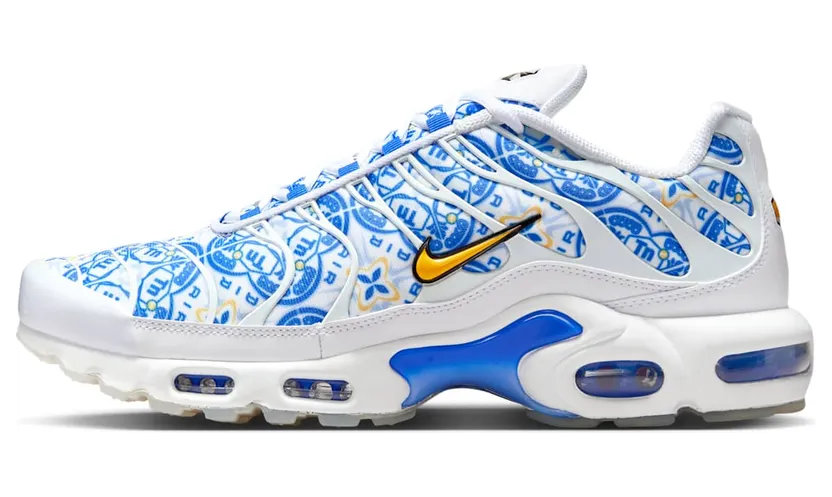 Nike Air Max Plus Lisboa (IM5982-100)ATOMICNike Air Max Plus · from €157 · 9 shops79GSv
 - 2
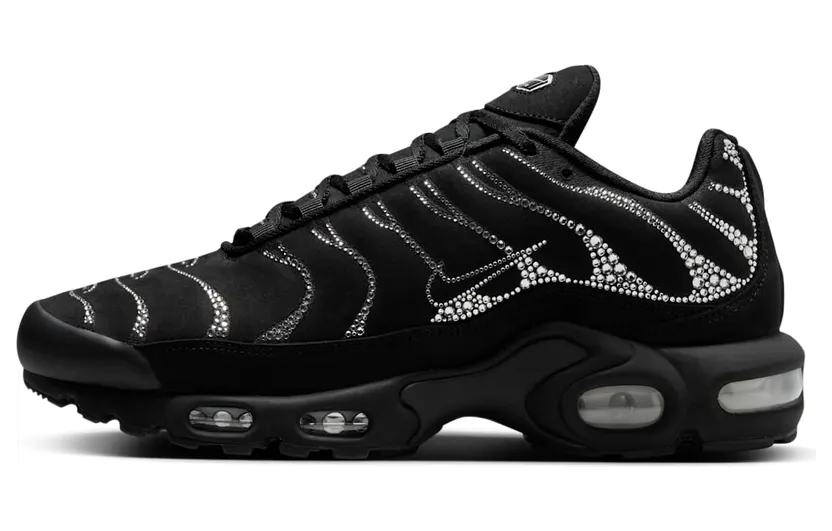 Nike Air Max Plus Swarovski “Swarovski Moonlight” (FZ4237-001)ATOMICNike Air Max Plus · from €508 · 7 shops77GSv
 - 3
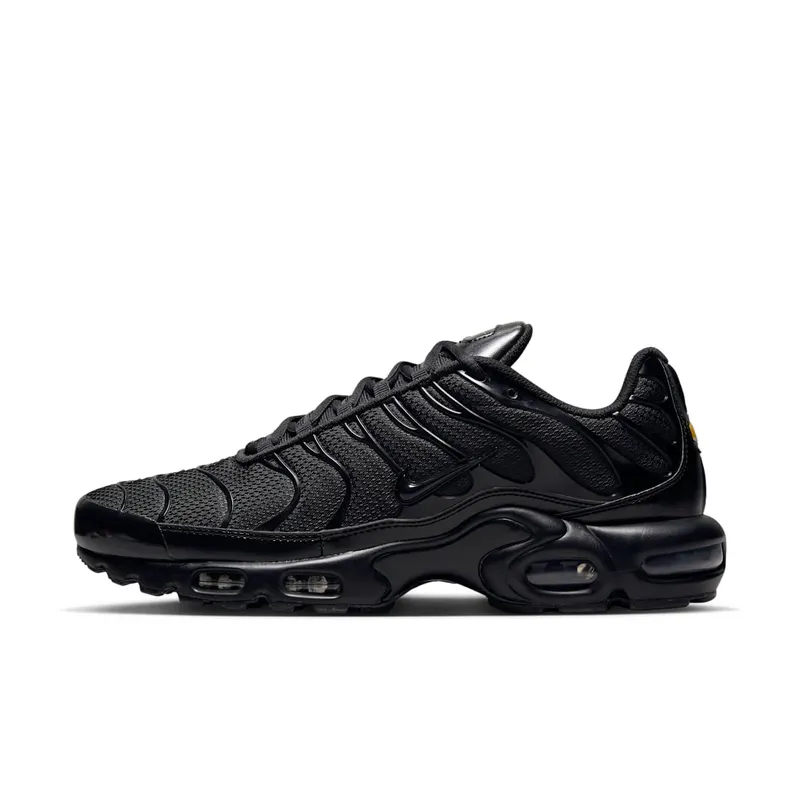 Nike Air Max Plus TN Triple Black (604133-050)ATOMICNike Air Max Plus · from €130 · 11 shops76GSv
 - 4
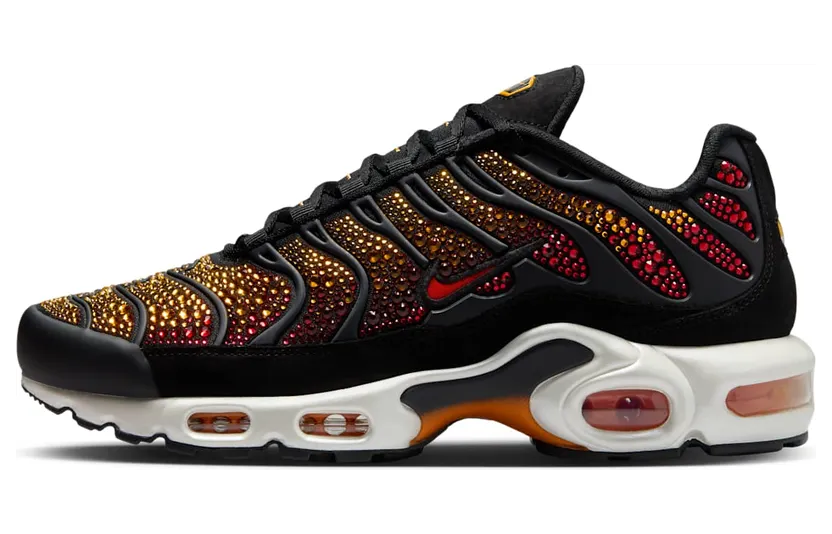 Nike Air Max Plus Swarovski “Swarovski – Sunset” (FZ9042-001)ATOMICNike Air Max Plus · from €301 · 7 shops75GSv
 - 5
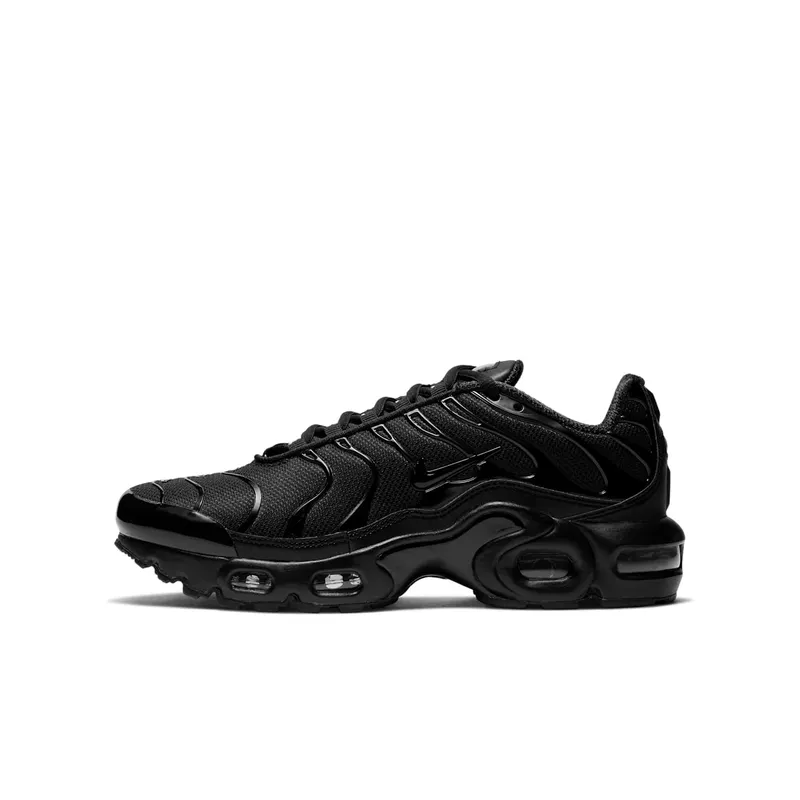 Nike Air Max Plus Triple Black (GS) Black/Black-Black (CD0609-001)ATOMICNike Air Max Plus · from €100 · 6 shops75GSv
Just in, rising
- 1
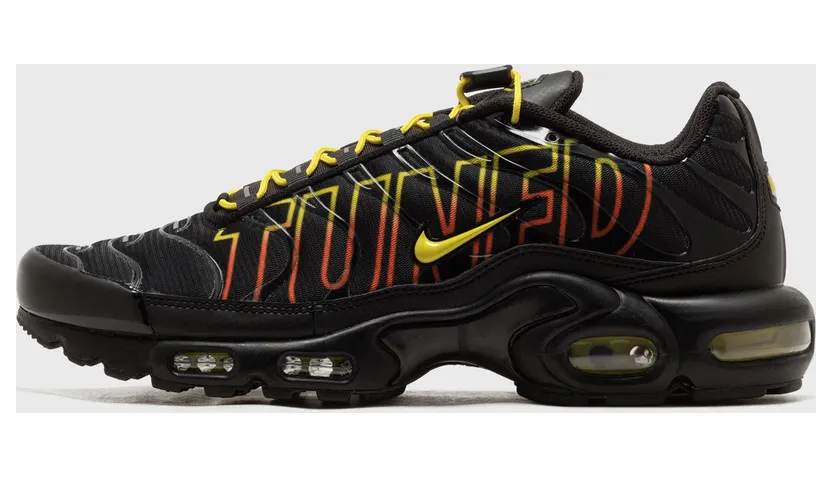 Nike Air Max Plus Tuned Air SunriseCHARGINGNike Air Max Plus · from €98 · 5 shops35GSv
 - 2
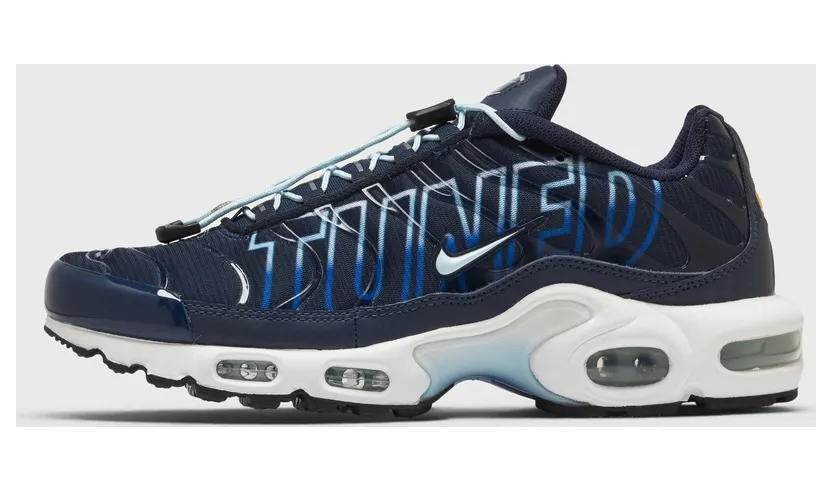 Nike Air Max Plus Tuned Air ObsidianCHARGINGNike Air Max Plus · from €96 · 7 shops36GSv
 - 3
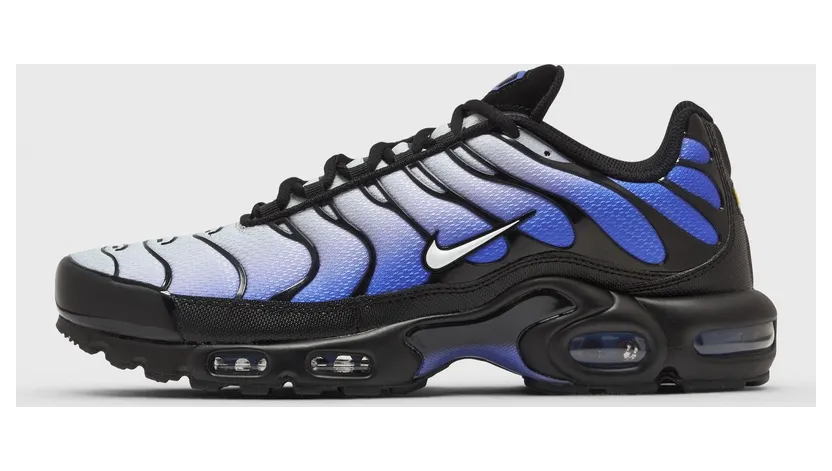 Nike Air Max Plus Black Sapphire WhiteCHARGINGNike Air Max Plus · from €104 · 8 shops44GSv
 - 4
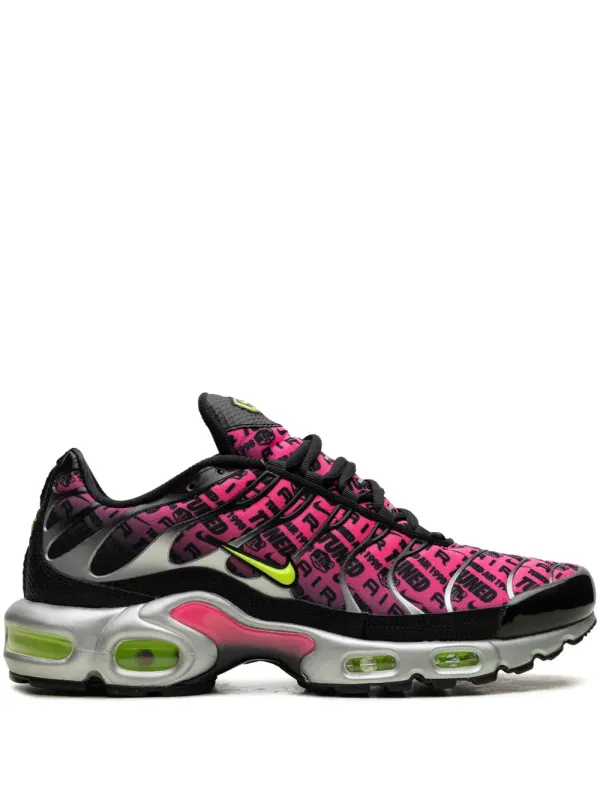
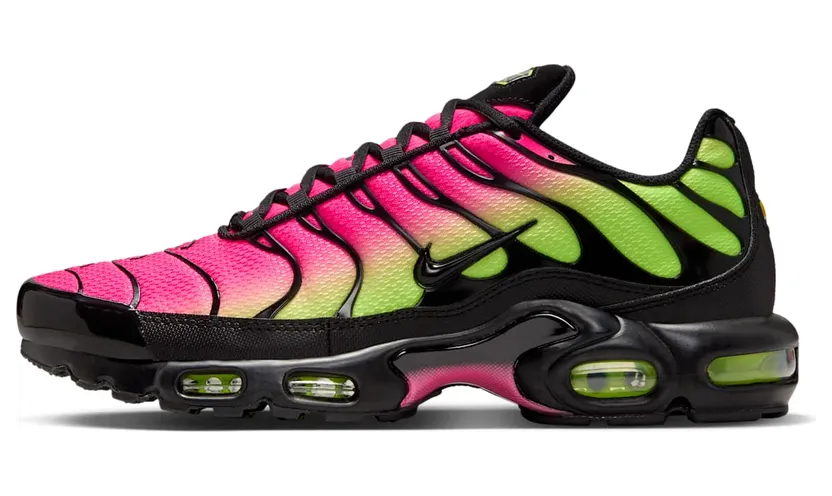 Nike Air Max Plus “Hyper Pink Volt Black” (DM0032-027)CHARGINGNike Air Max Plus · from €112 · 9 shops38GSv
 - 5
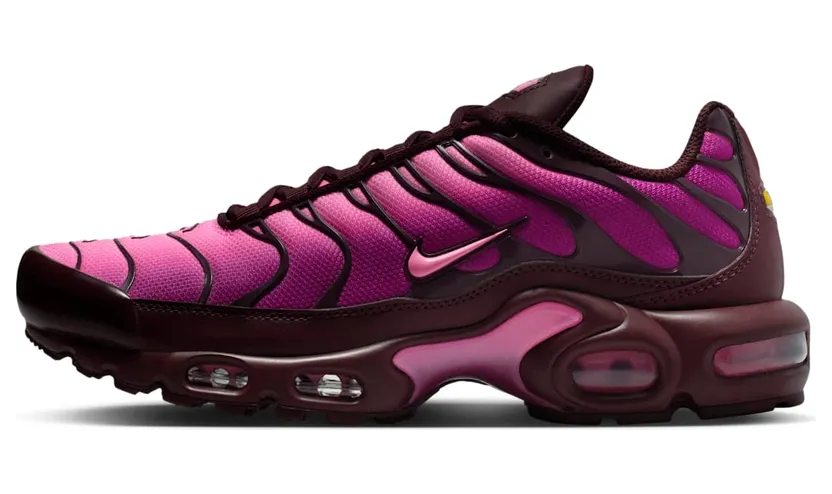 Nike TN Air Max Plus WMNS Burgundy Crush Cactus Flower (DZ3670-600)CHARGINGNike Air Max Plus · from €103 · 4 shops47GSv