

Nike Dunk High Sneaker
1000 sneakers were found
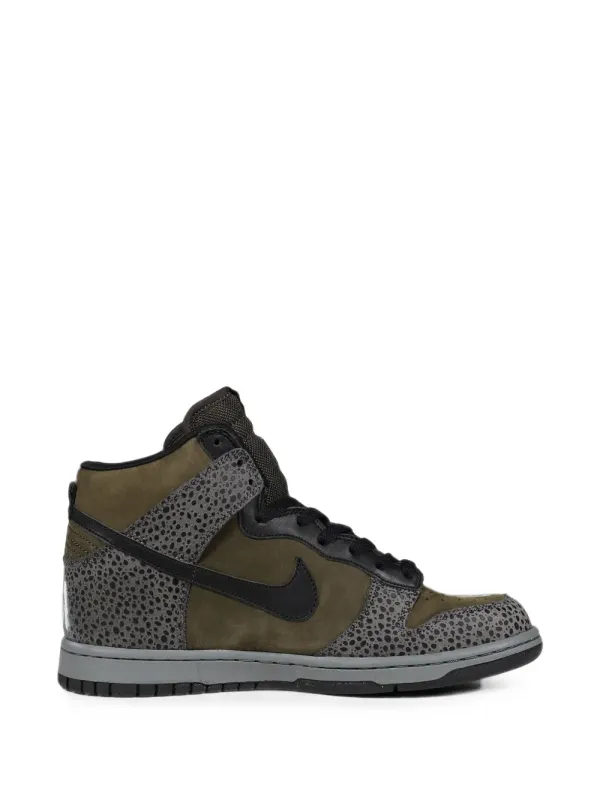
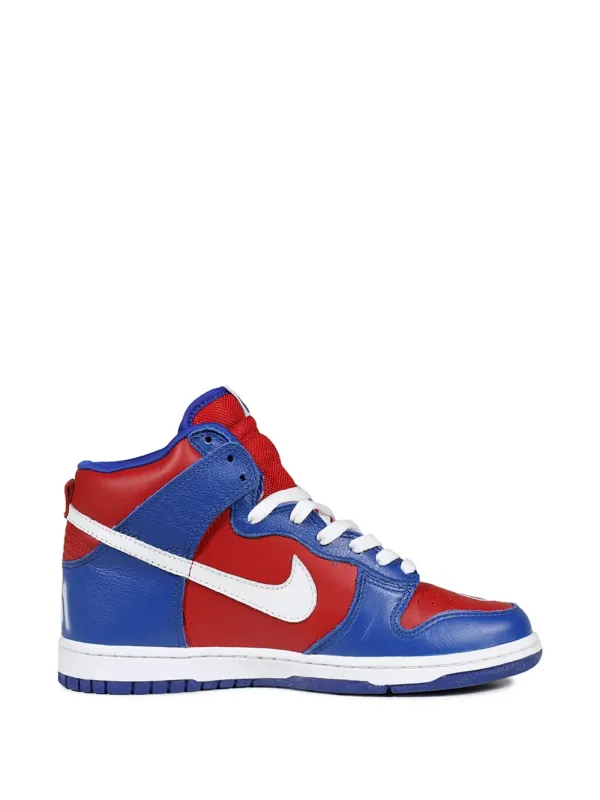
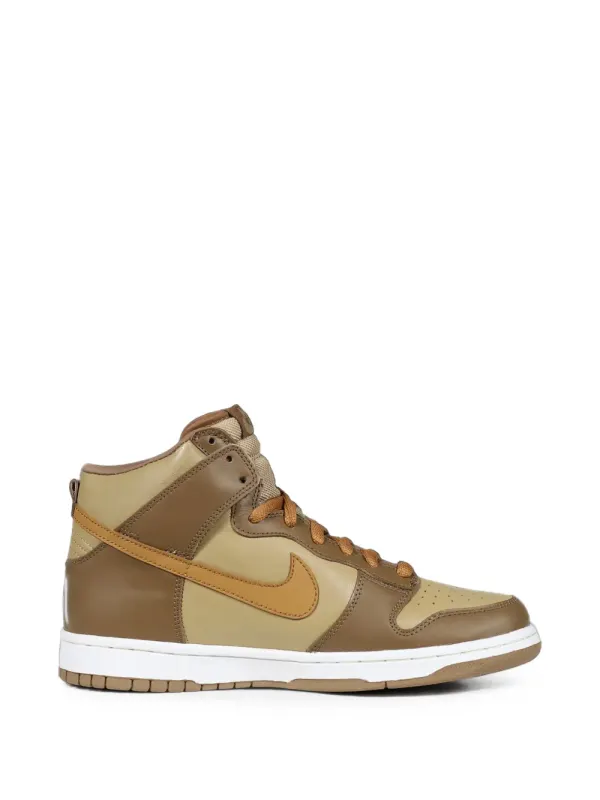
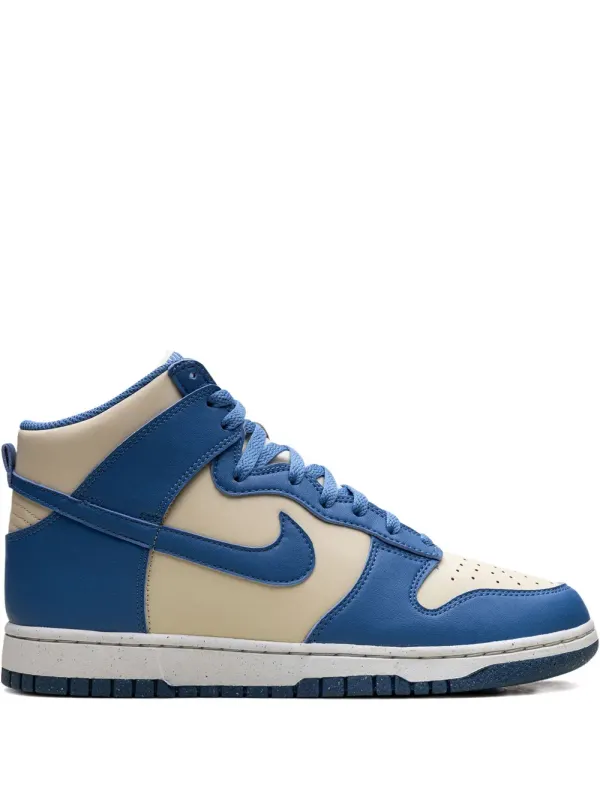
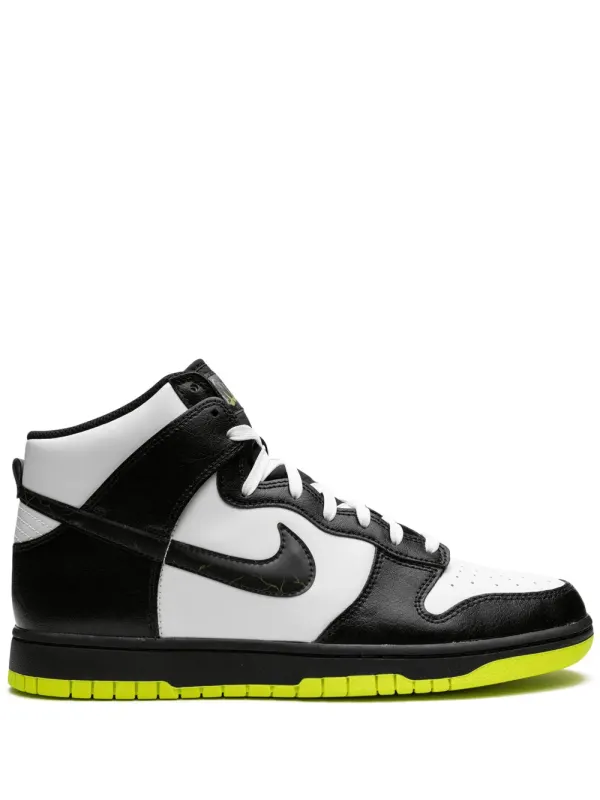
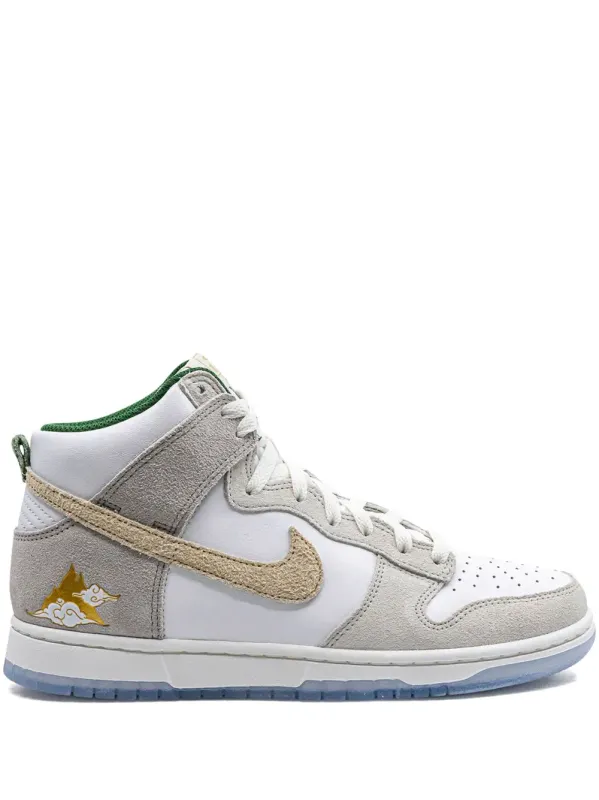
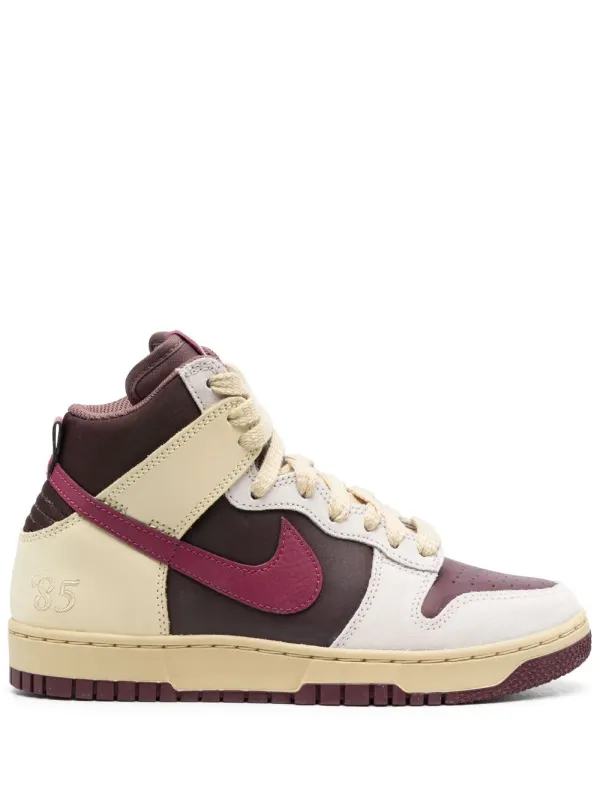
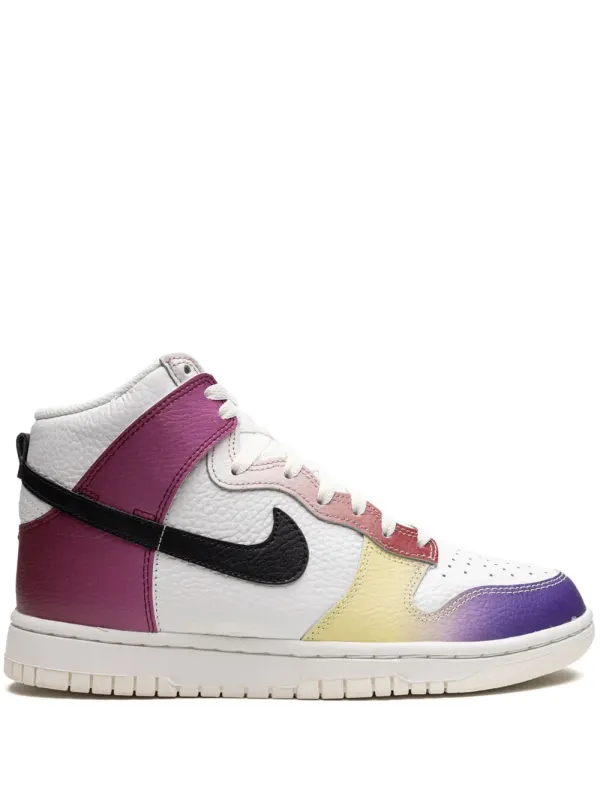
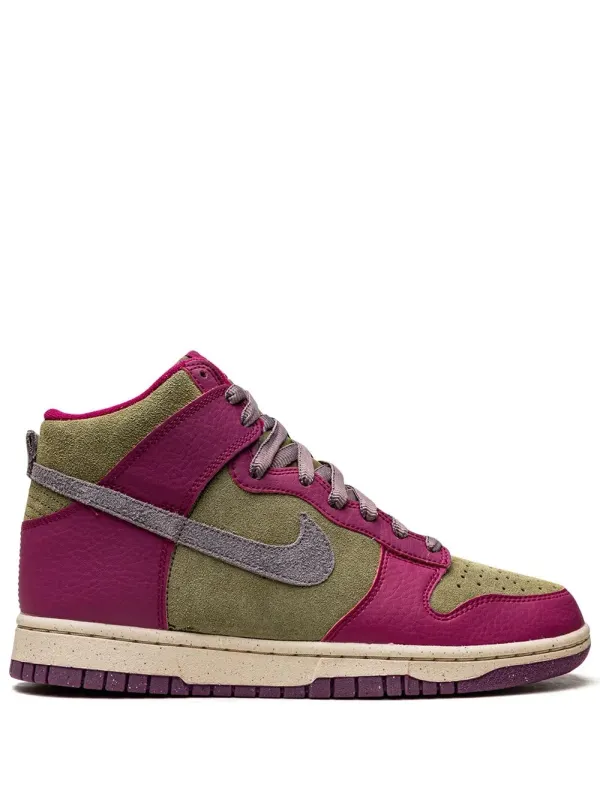
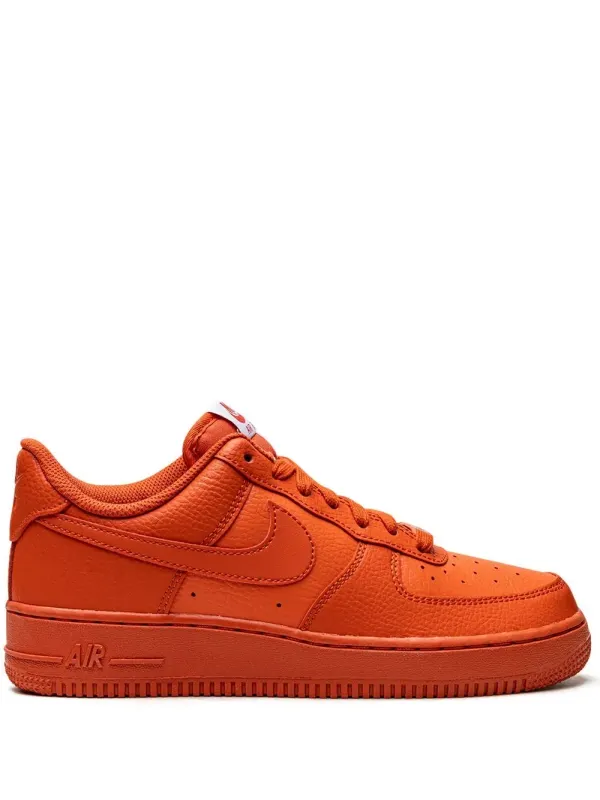
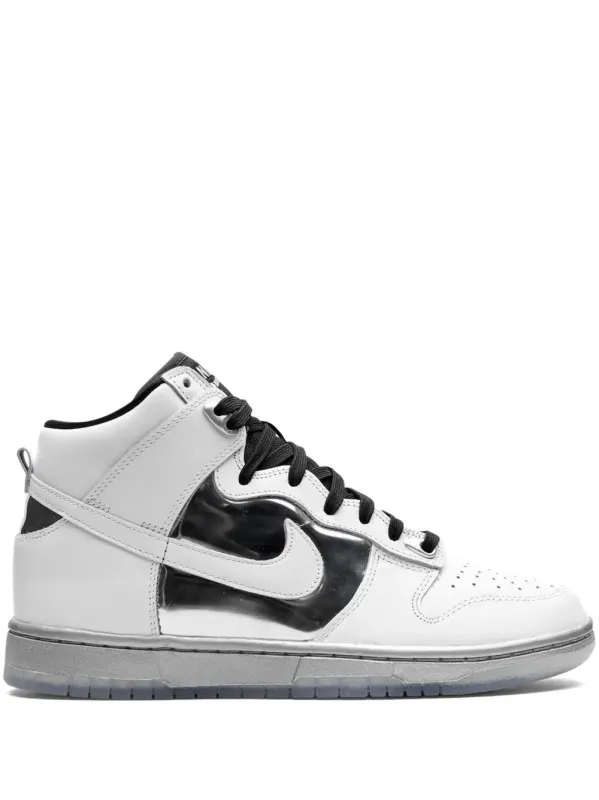
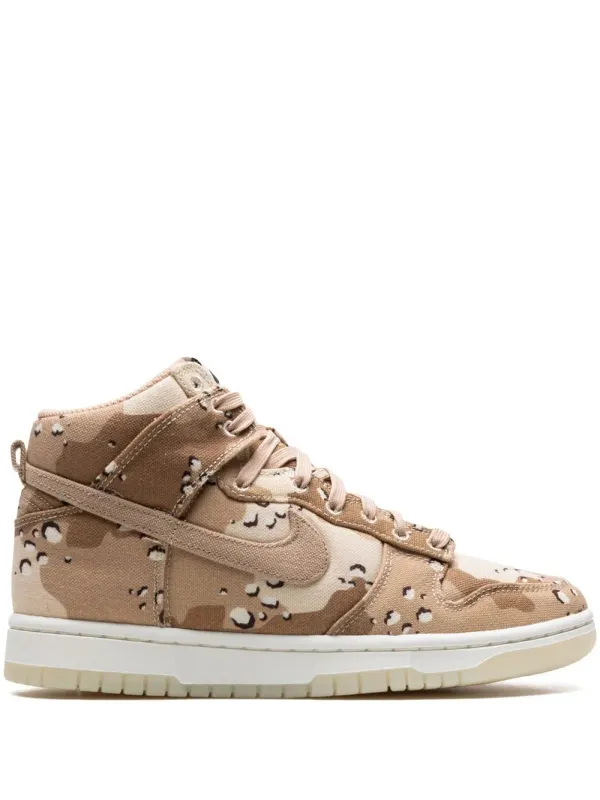
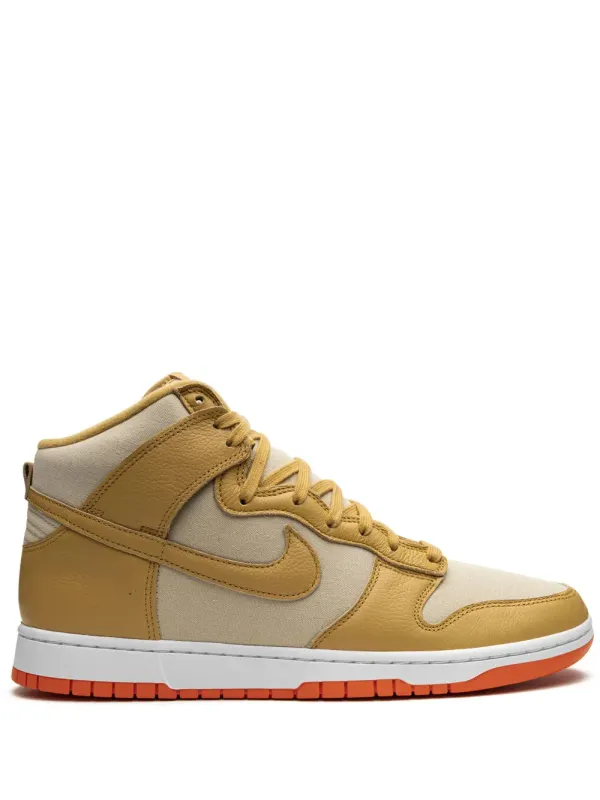
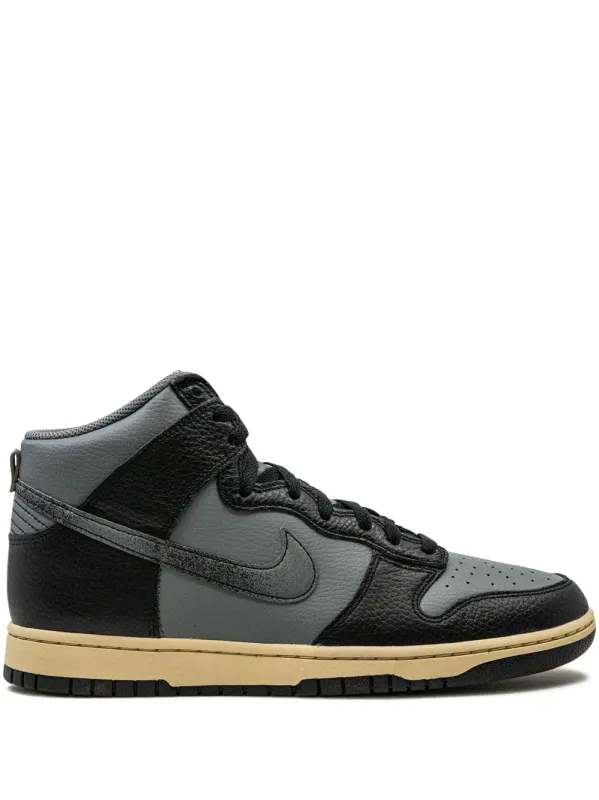
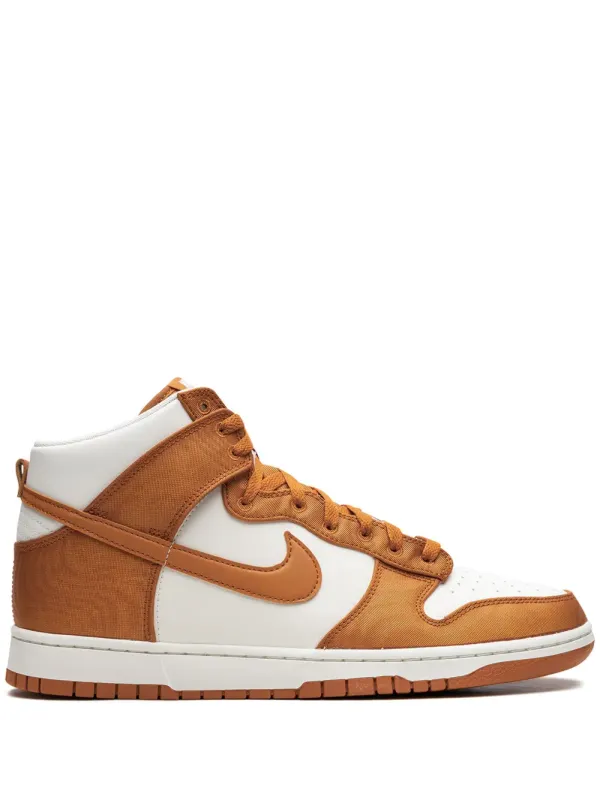
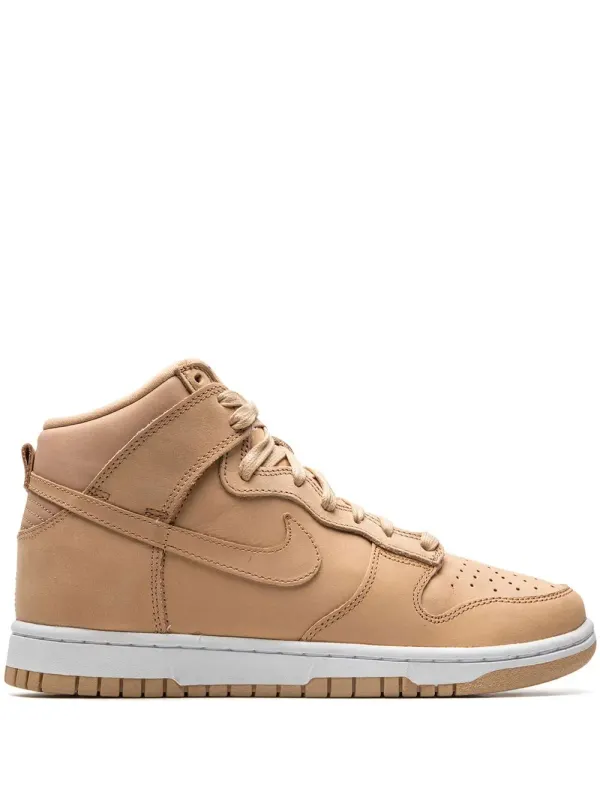
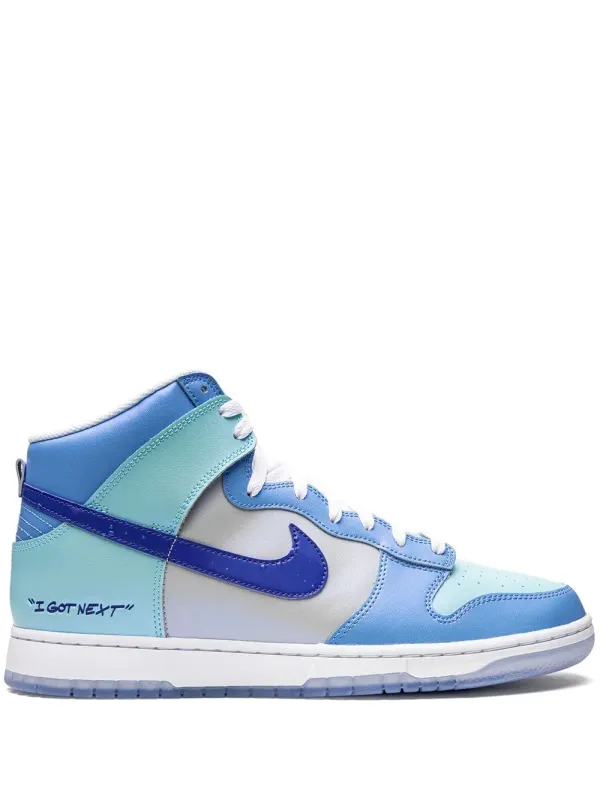
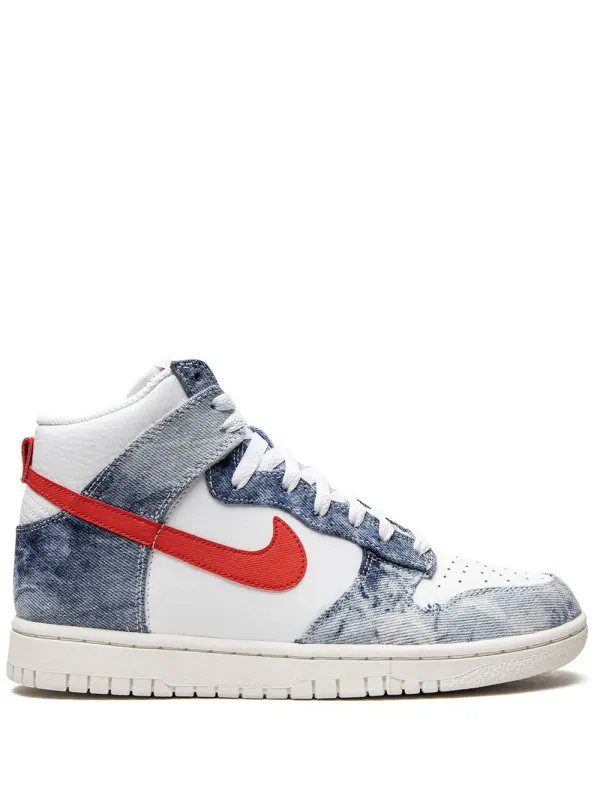
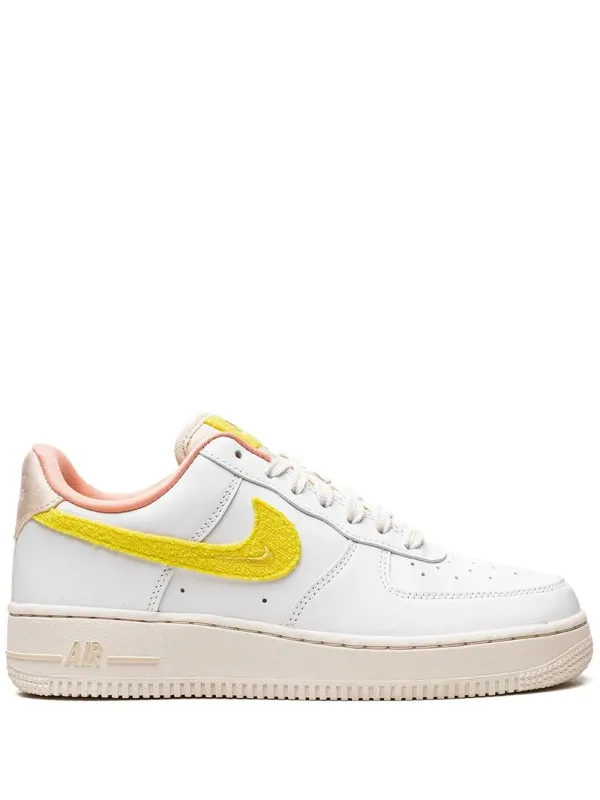
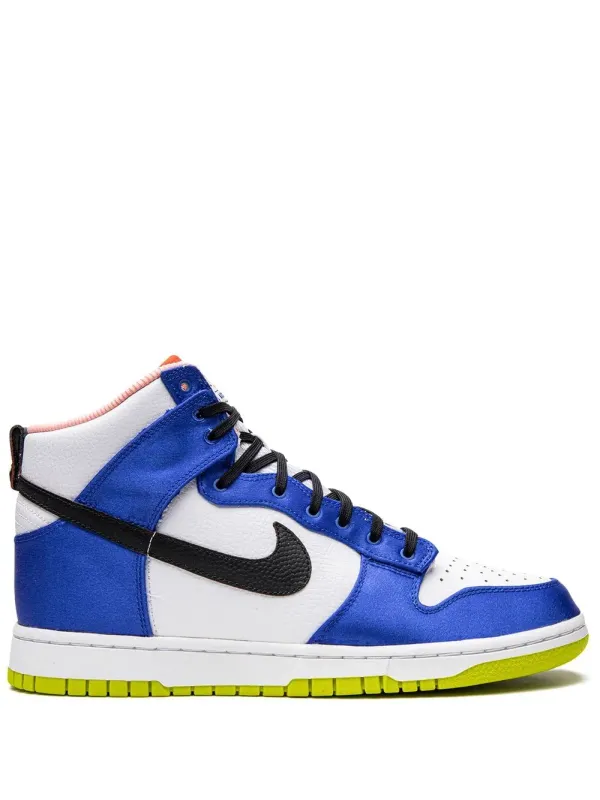
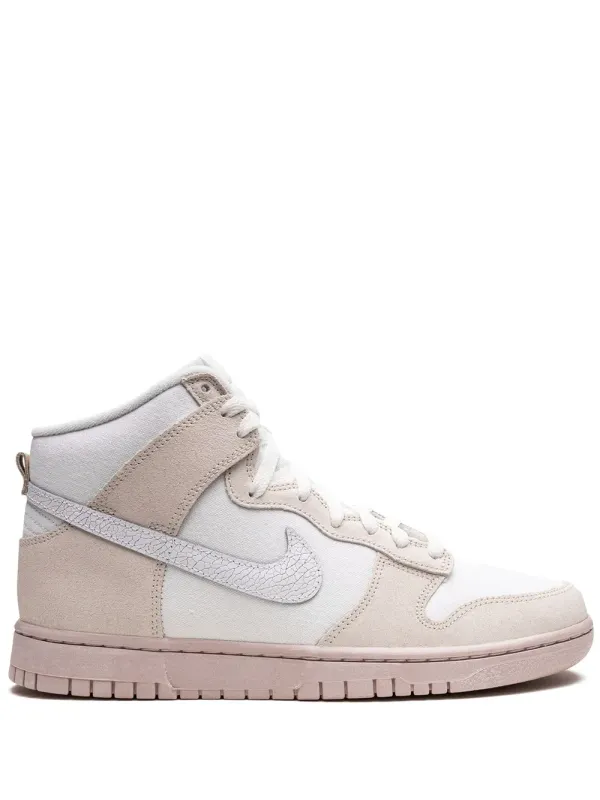
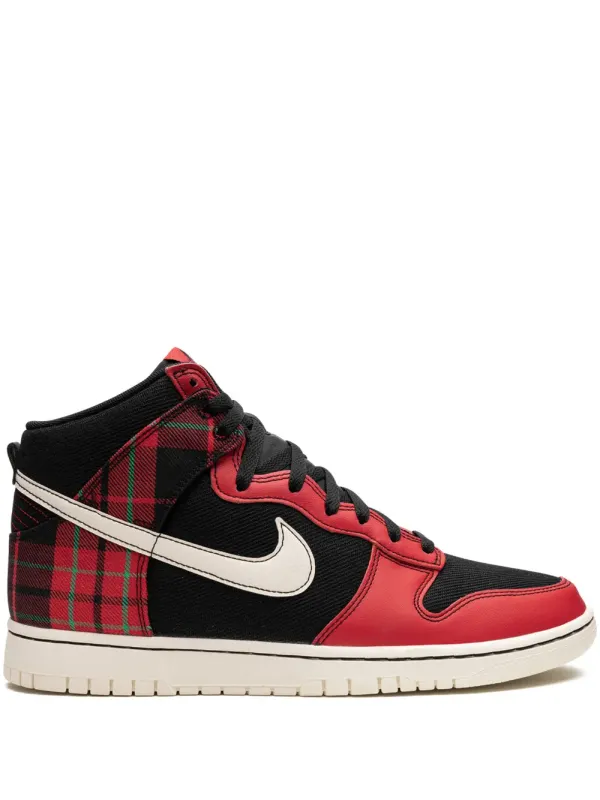
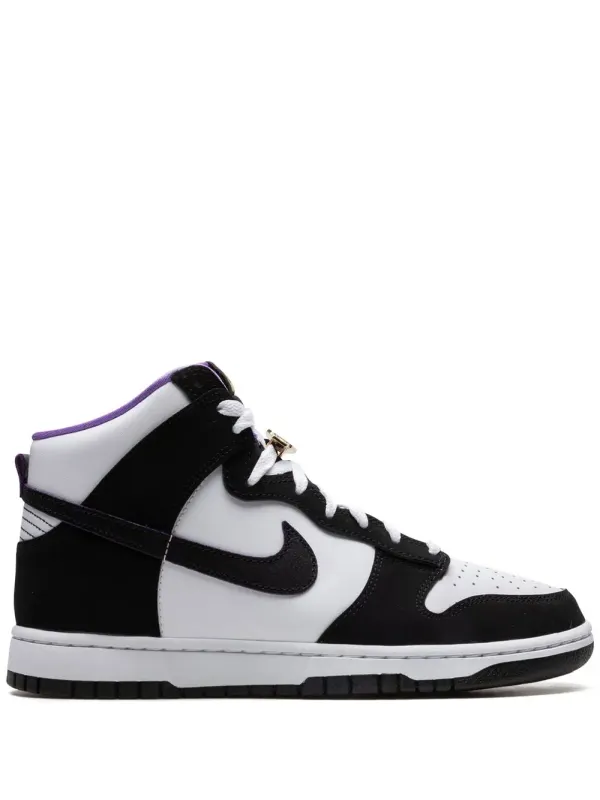
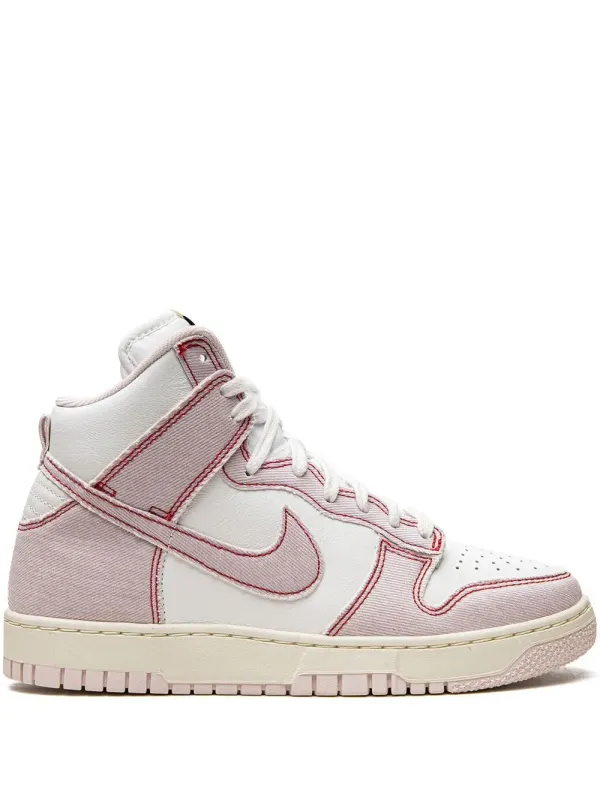
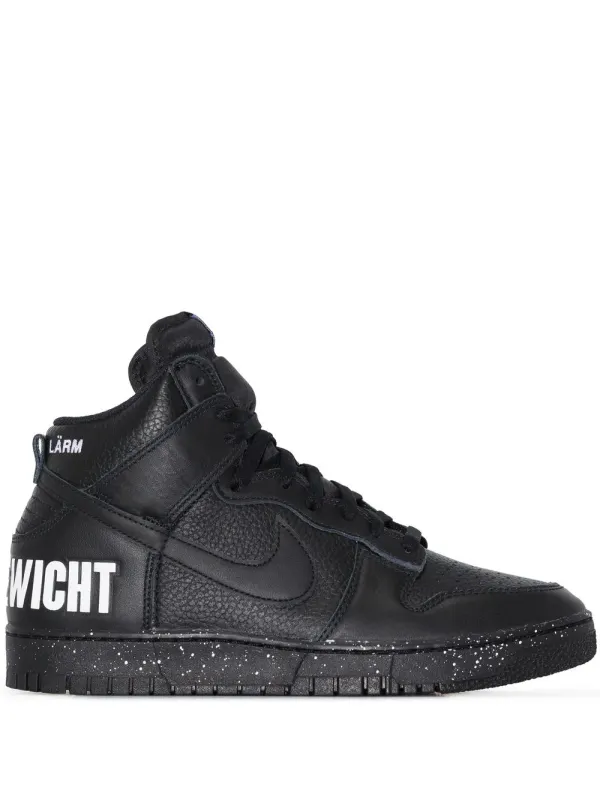
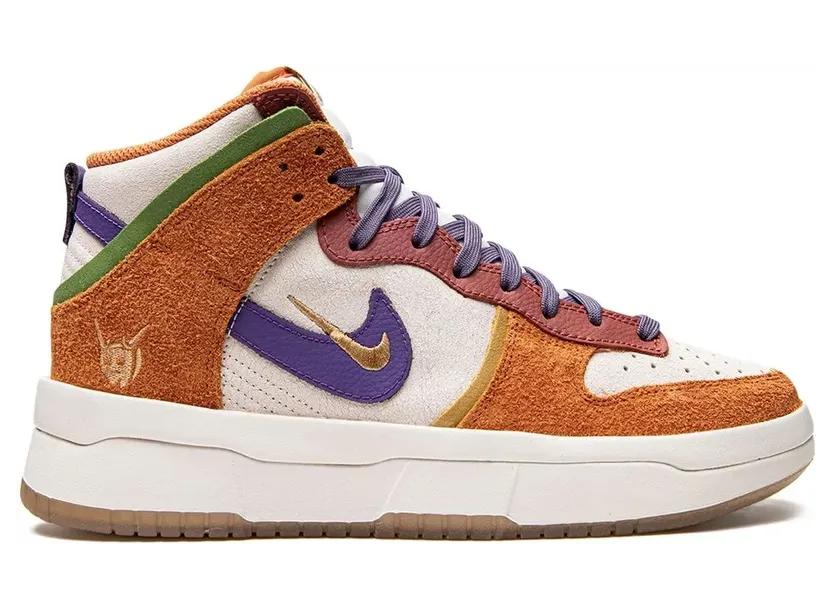
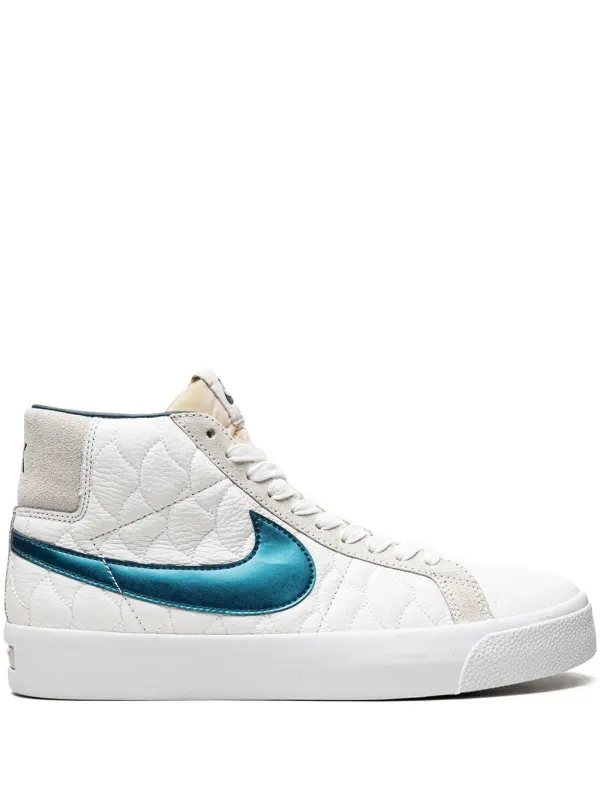
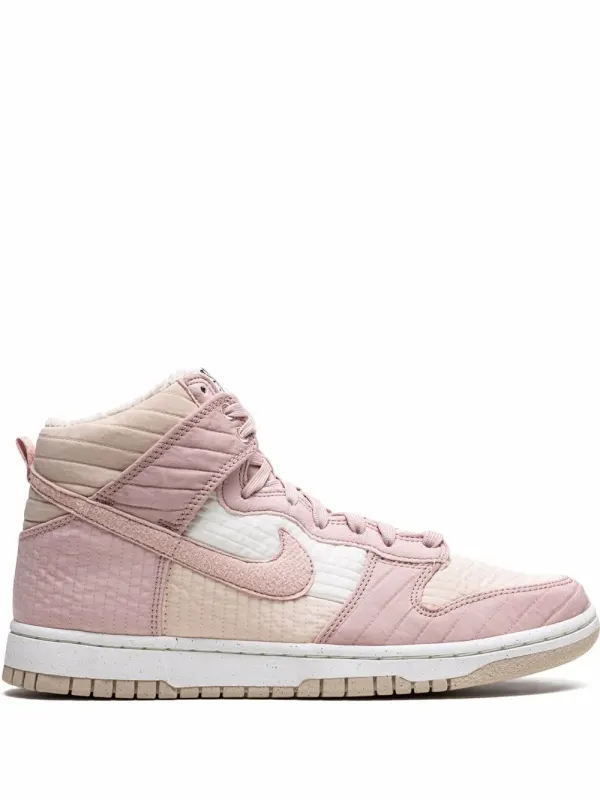
About
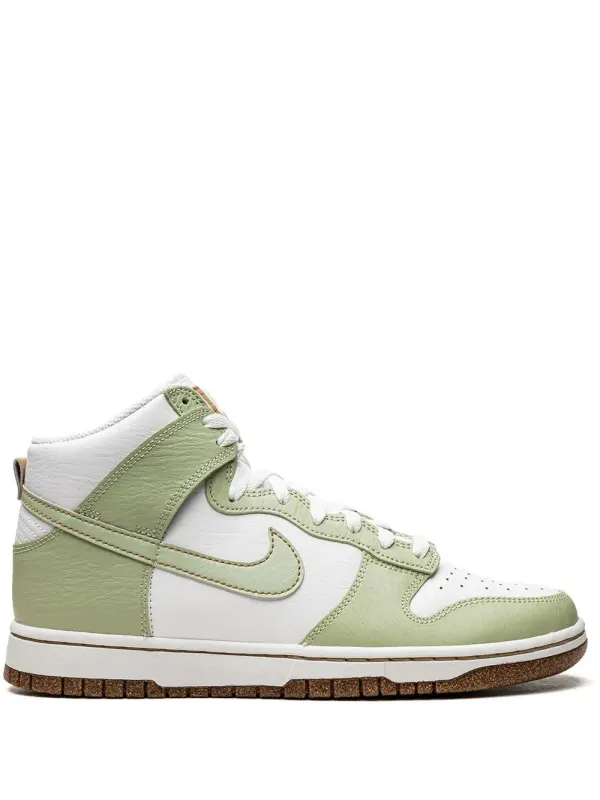
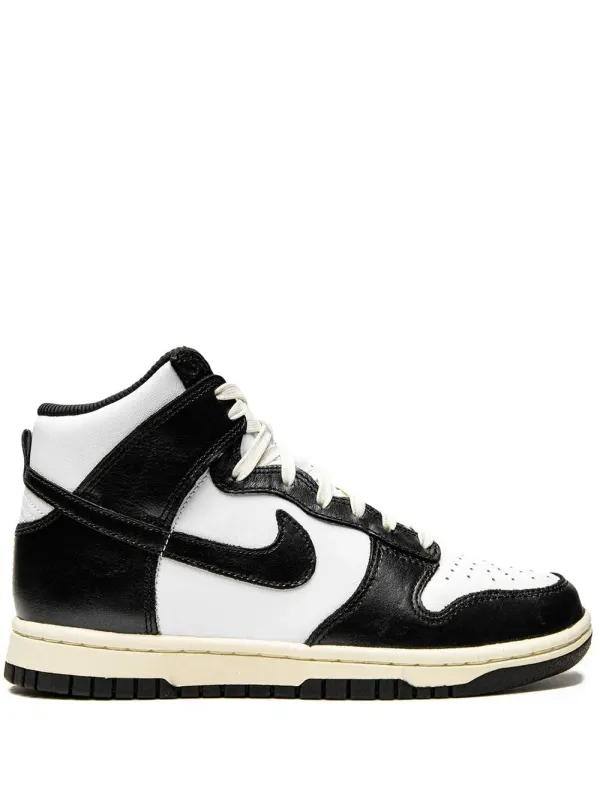
Nike Dunk High: the shape the Dunk began in
The 1985 Dunk was a high basketball shoe — the High is therefore not an elongated version of the Low, but the starting point from which all other cuts are derived. If you want to see the family tree: the Dunk main page lays out the family, and the Dunk Low has its own page with its own story.
The history of this cut is inextricably American. Nike released the Dunk in the color combinations of university teams, under the Be True to Your School campaign — the Michigan version, for example, still wears exactly that university’s team colors. That color-block logic could only work because the shoe’s panels are assembled as separate blocks; each university got the same shoe with a different arrangement of panels. That manufacturing idea is still the reason the Dunk lends itself so well to special editions.
Look closely at the high cut and you can see its basketball heritage. The collar is padded and has a notched edge, so the ankle feels support but not restriction, and the ankle piece is a separately constructed panel with its own stitching line. The tongue is noticeably thin — in this it differs most clearly from the Dunk SB High, which for skating received a thickly padded tongue and a Zoom insole. Underneath sits the familiar flat cupsole with the pivot circle under the ball of the foot.
The high Dunk shares its year and its last-design thinking with the Air Jordan 1 High: two high basketball shoes from the same house and the same year, of which one became the pricier flagship and the other the workhorse for the university teams. That makes the Dunk High to this day the most understated way to wear that mid-1980s silhouette.
On this page you can see which versions of the Nike Dunk High are currently hottest according to the Hypescore, from what price they can be found and in how many shops they are in stock.
Which Nike Dunk High gives off the strongest hype signal?
The Hypescore reads the signal strength of every Nike Dunk High colorway. Community votes, resale movement, search demand and scarcity together decide how much hype a sneaker gives off, expressed in GSv. On the left the strongest hype signals, on the right the colorways just being picked up and rising fast.
Strongest hype signal
- 1
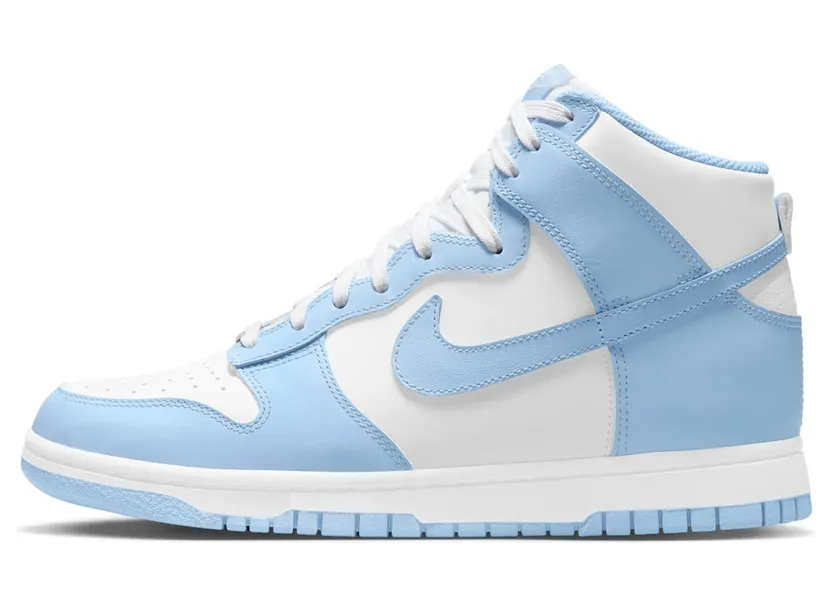 Nike Dunk High Aluminum (2021) (DD1869-107)ATOMICNike Dunk High · from €47 · 15 shops87GSv
 - 2
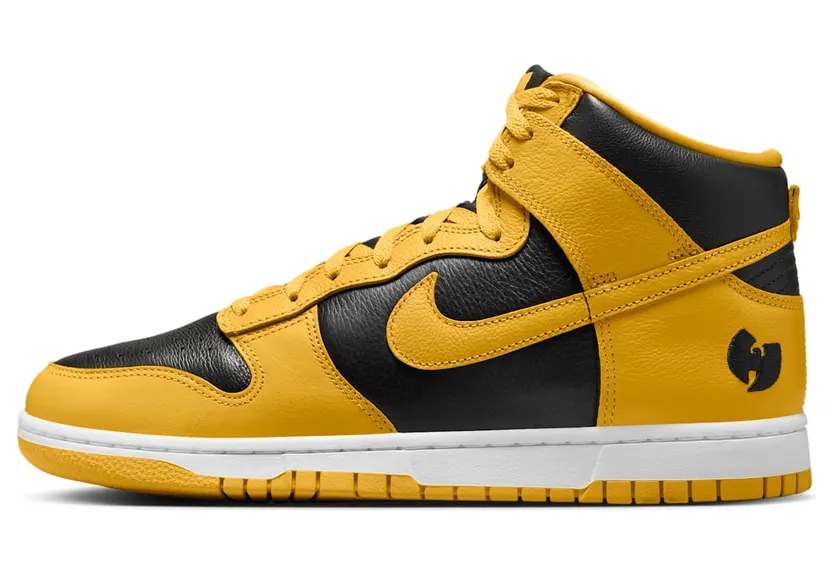 Nike Dunk High Blue Chill (HJ4320-001)ATOMICNike Dunk High · from €121 · 12 shops84GSv
 - 3
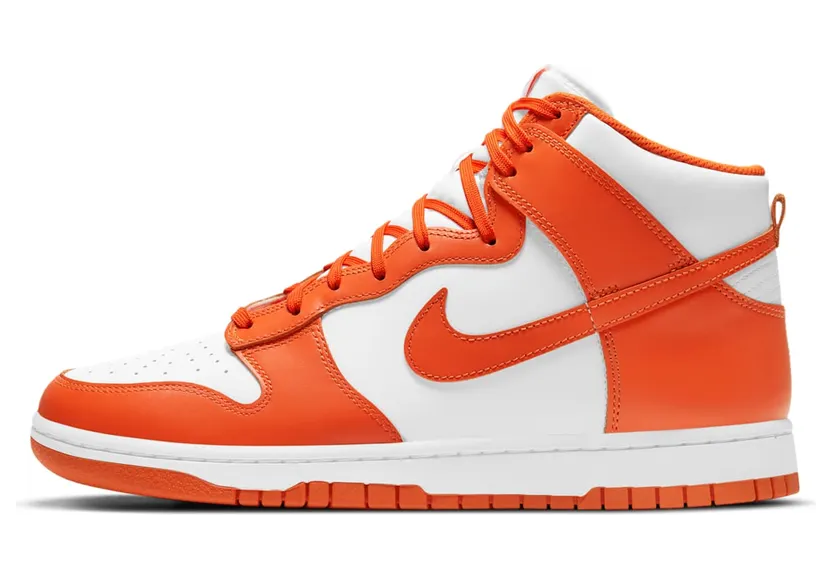 Nike Dunk High “White/Orange Blaze” (DD1399-101)ATOMICNike Dunk High · from €93 · 13 shops83GSv
 - 4
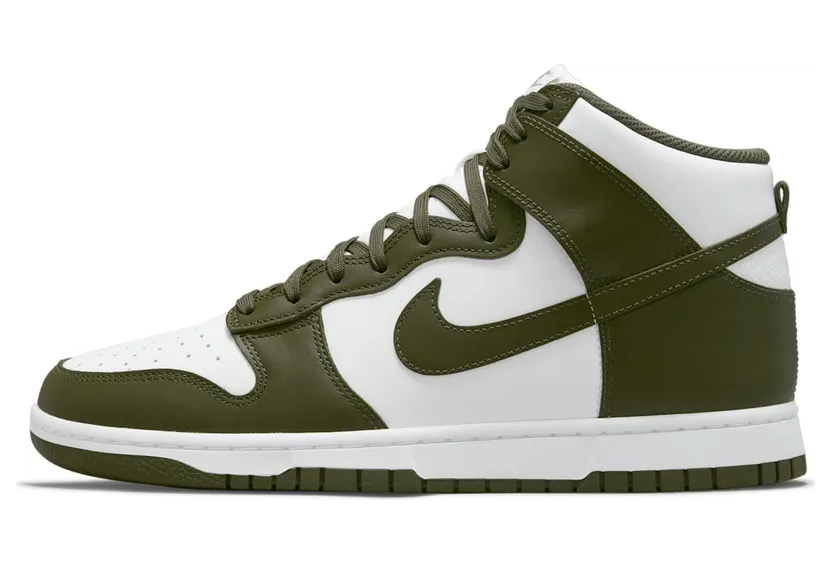 Nike Dunk High “Cargo Khaki” (DD1399-107)ATOMICNike Dunk High · from €40 · 14 shops81GSv
 - 5
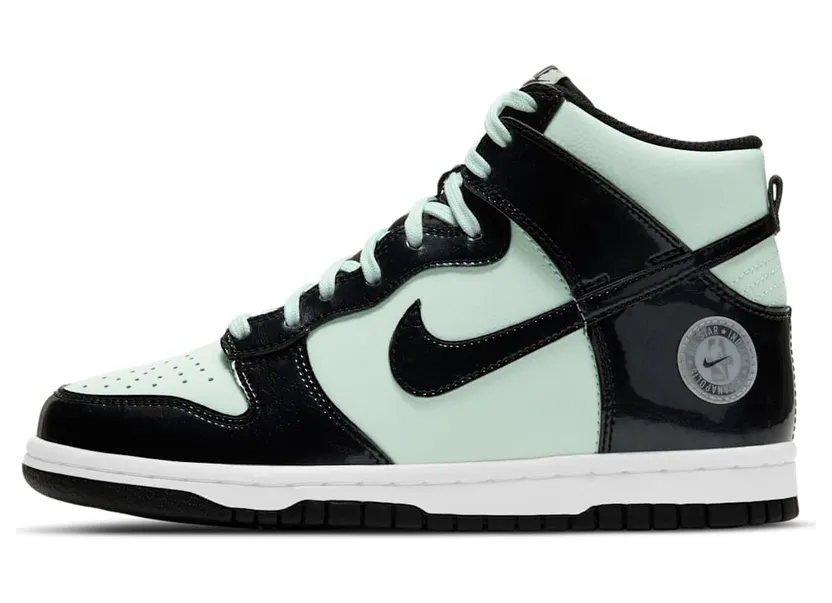 Nike Dunk High SE GS “All Star 2021” (DD1846-300)ATOMICNike Dunk High · from €83 · 4 shops80GSv
Just in, rising
- 1
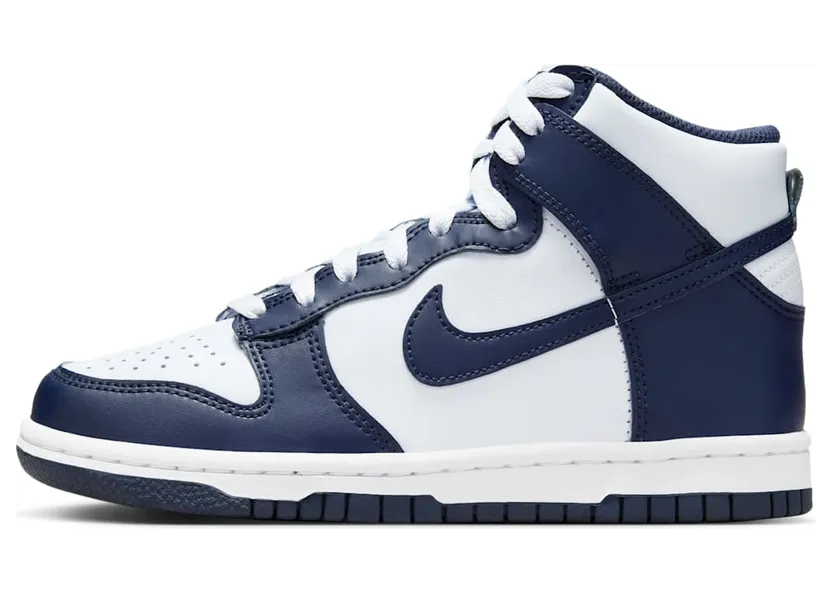 Nike Dunk High Football Grey Midnight Navy (GS) – “Football Grey / White / Midnight Navy” (DB2179-008)SEISMICNike Dunk High · from €98 · 3 shops49GSv
 - 2
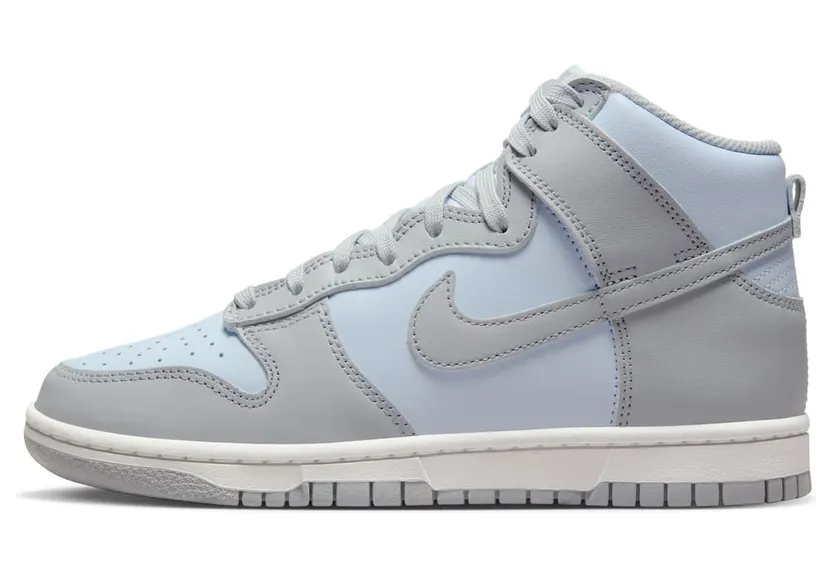 Nike Dunk High Blue Tint (DD1869-401)RADIATINGNike Dunk High · from €136 · 3 shops57GSv
 - 3
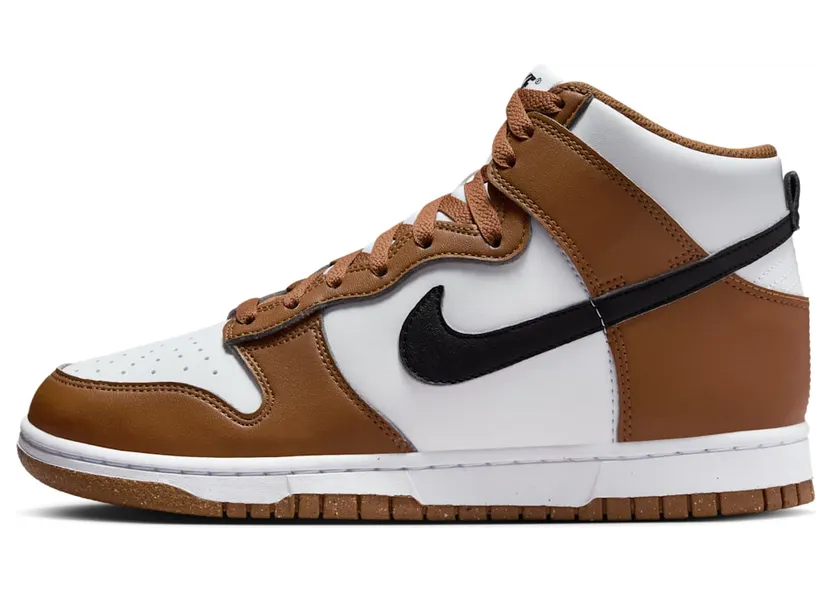 Nike Dunk High Next Nature Light British Tan (FV5960-200)CHARGINGNike Dunk High · from €59 · 4 shops40GSv
 - 4
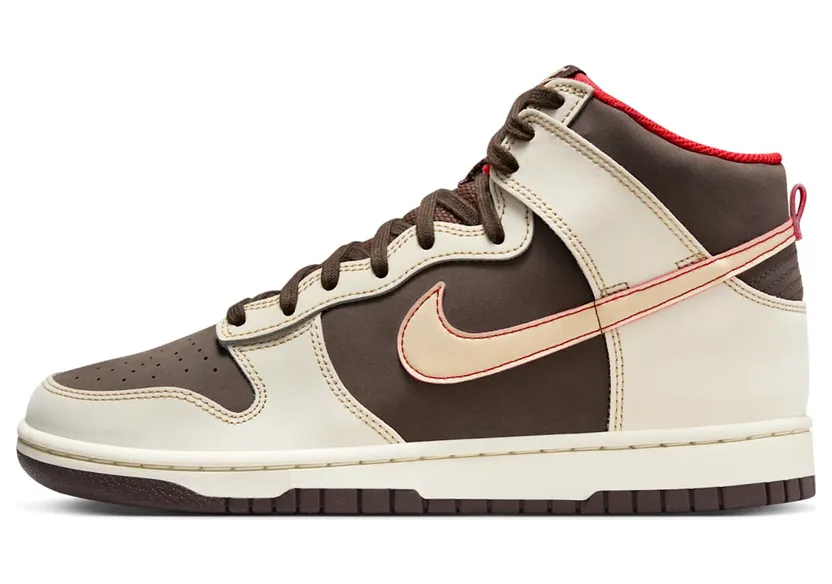 Nike Dunk High SE Baroque Brown (FB8892-200)RADIATINGNike Dunk High · from €102 · 4 shops66GSv
 - 5
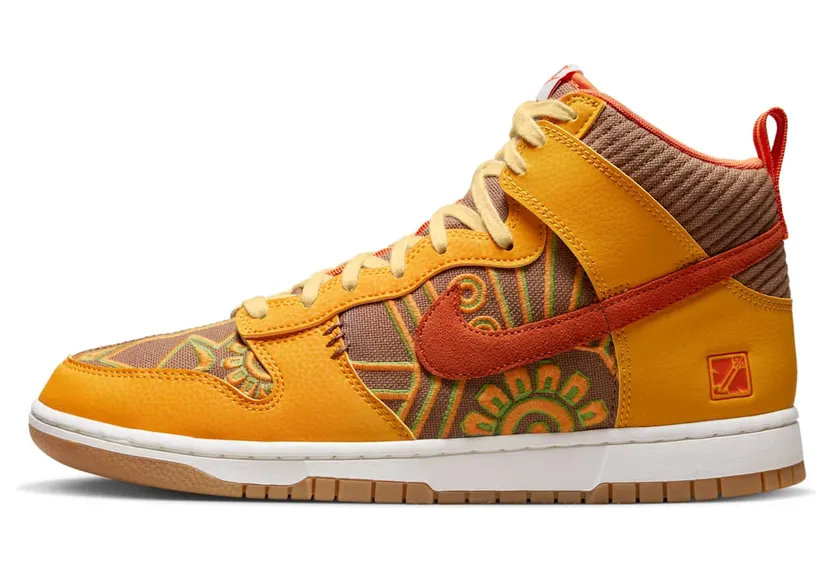 Nike Dunk High PRM Somos Familia (DZ5354-045)RADIATINGNike Dunk High · from €129 · 4 shops66GSv