

Nike Blazer Low Sneaker
1000 sneakers were found
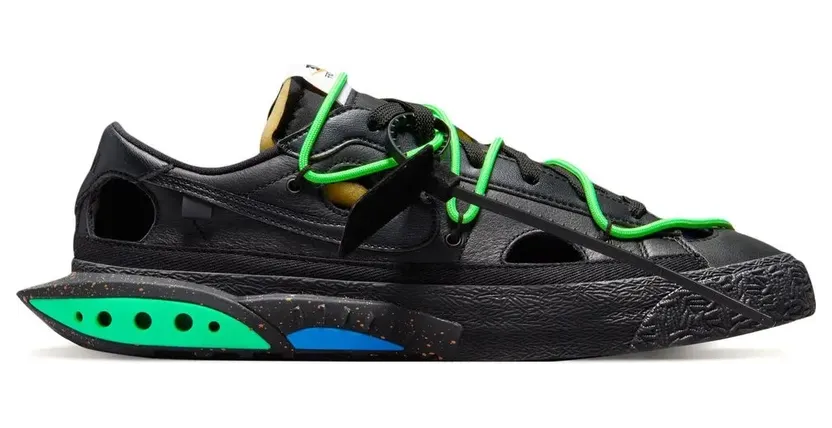
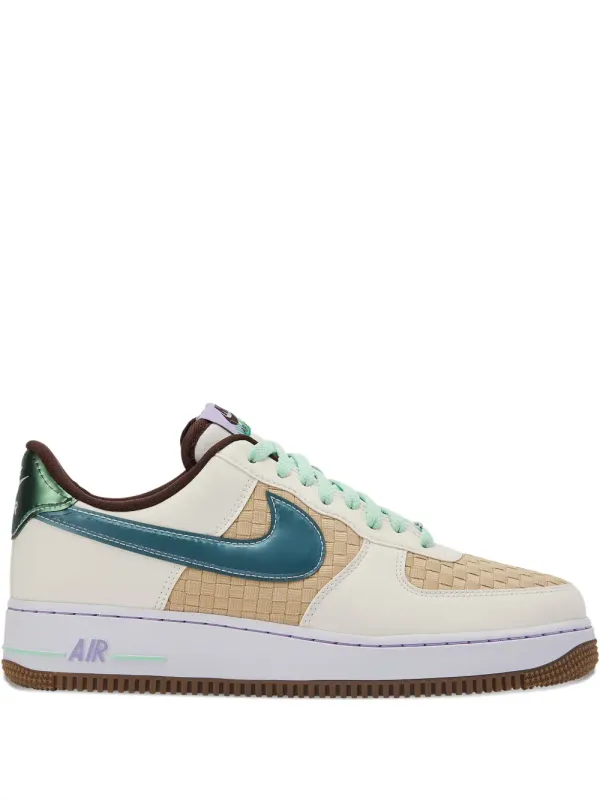
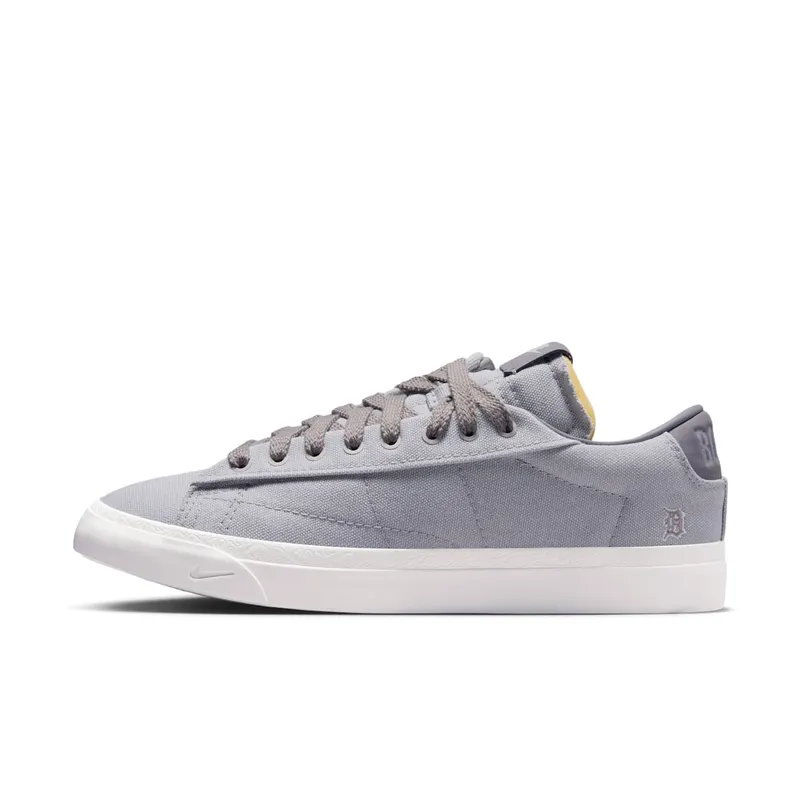
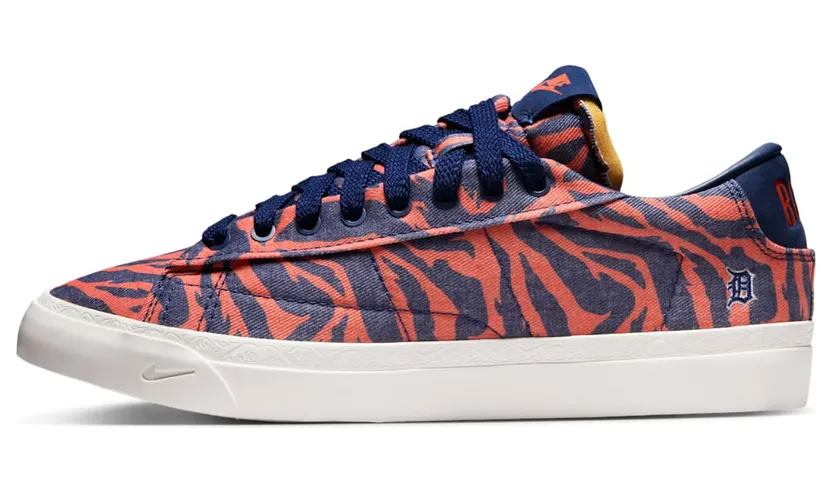
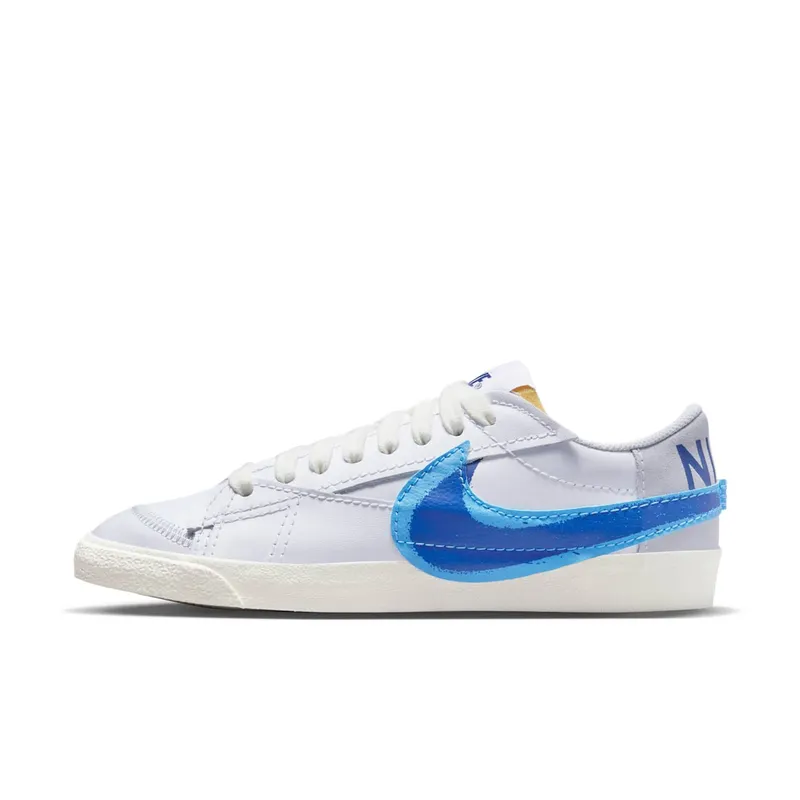
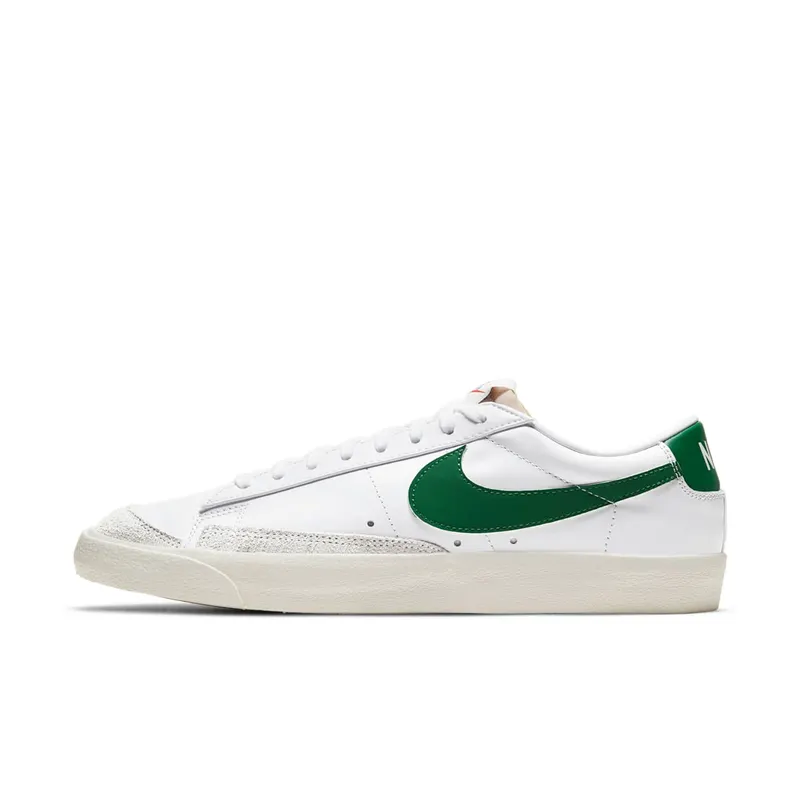
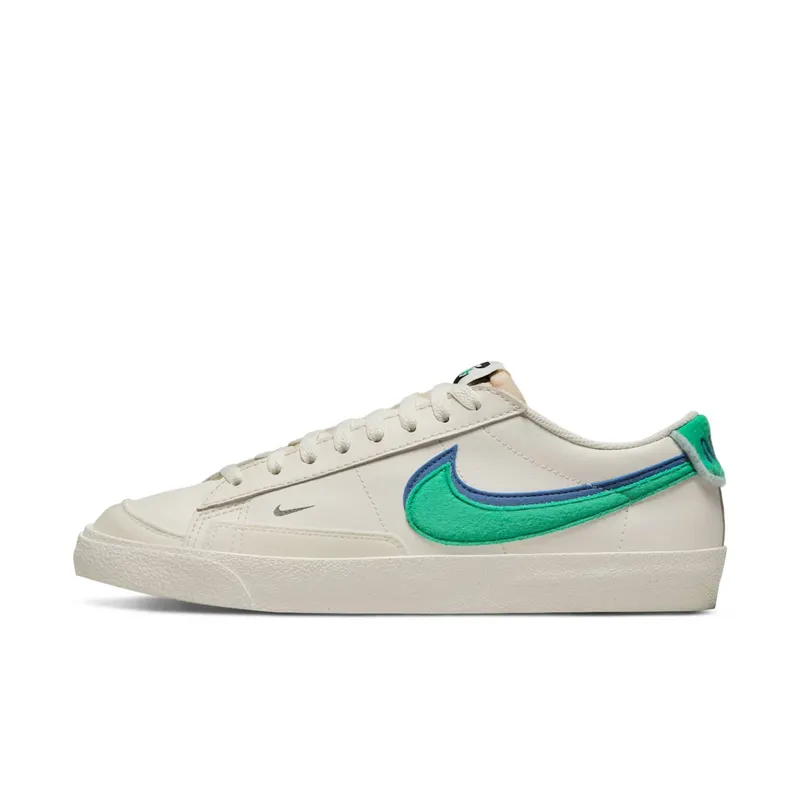
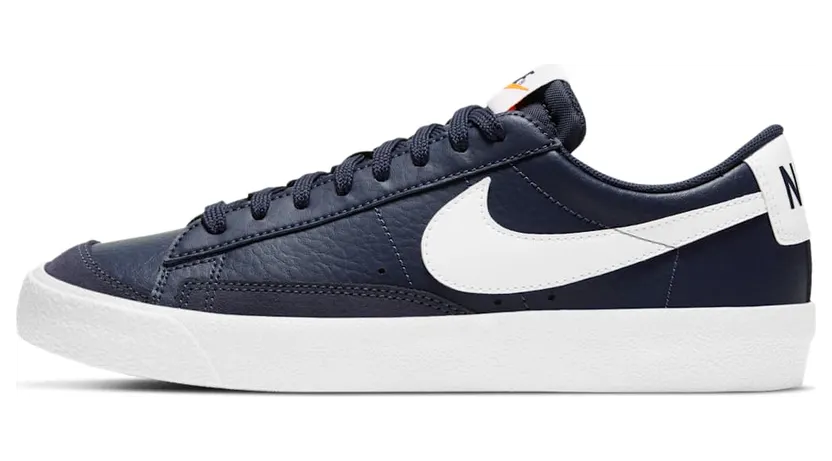
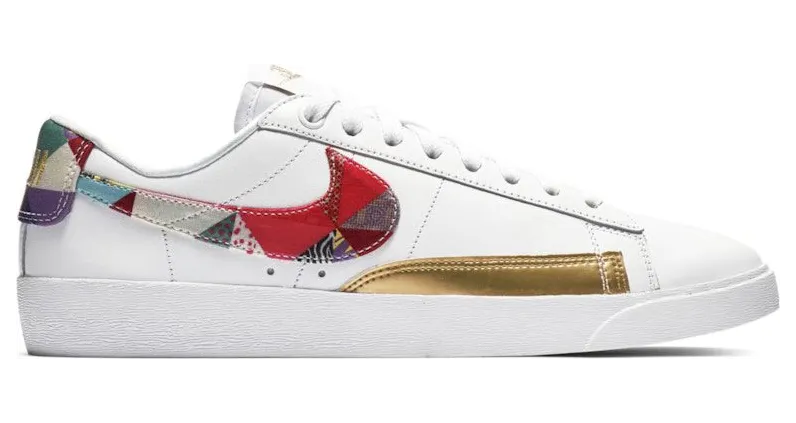
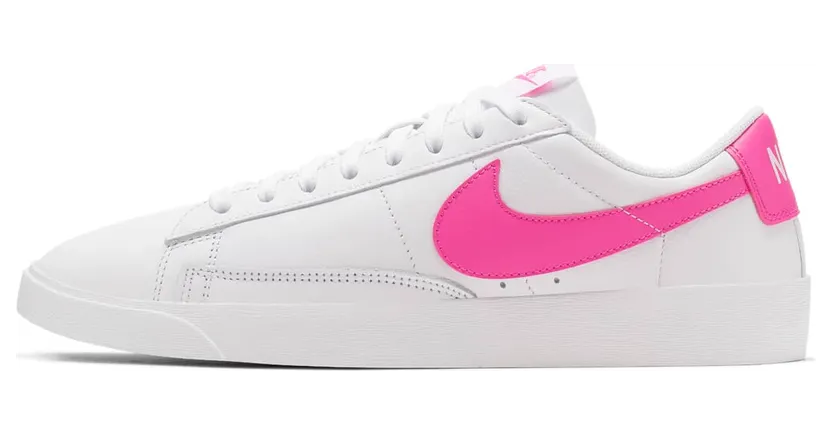
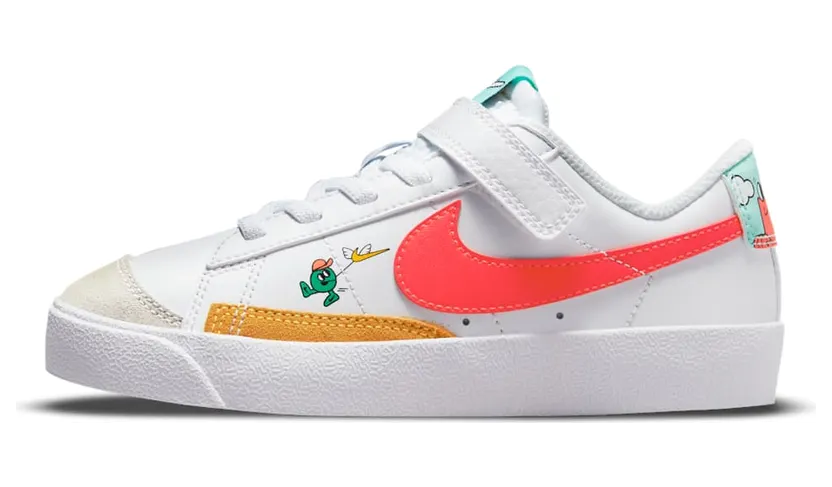
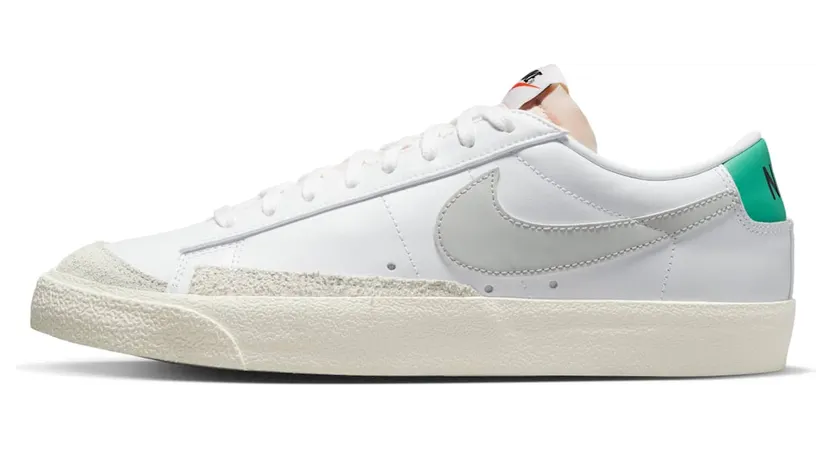
About
Nike Blazer Low: everything stripped away, nothing missed
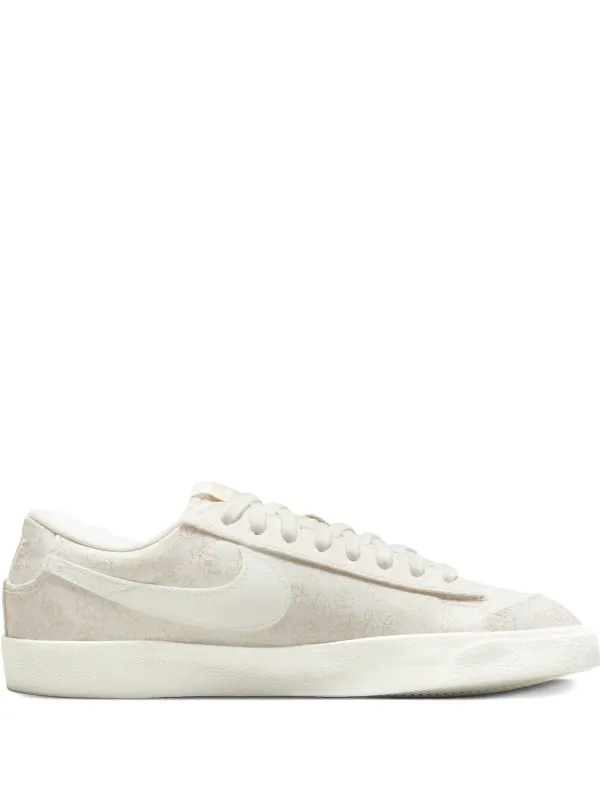
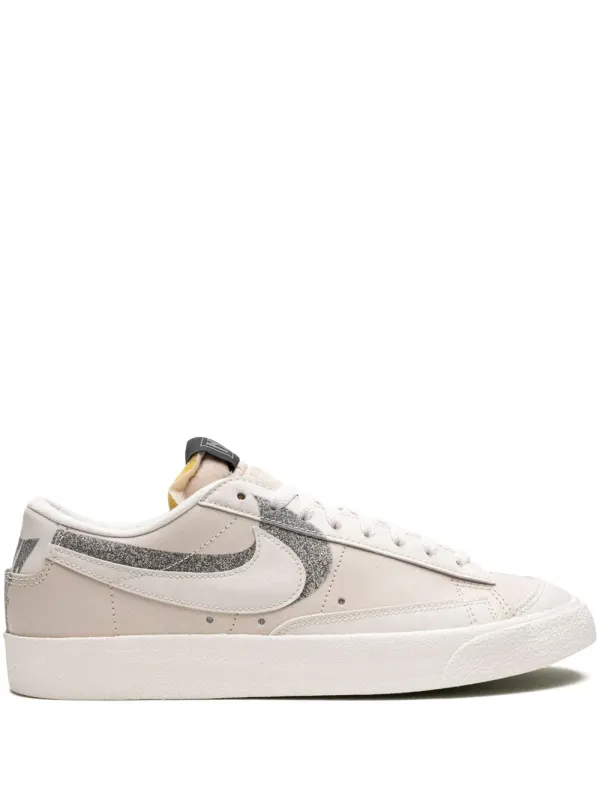
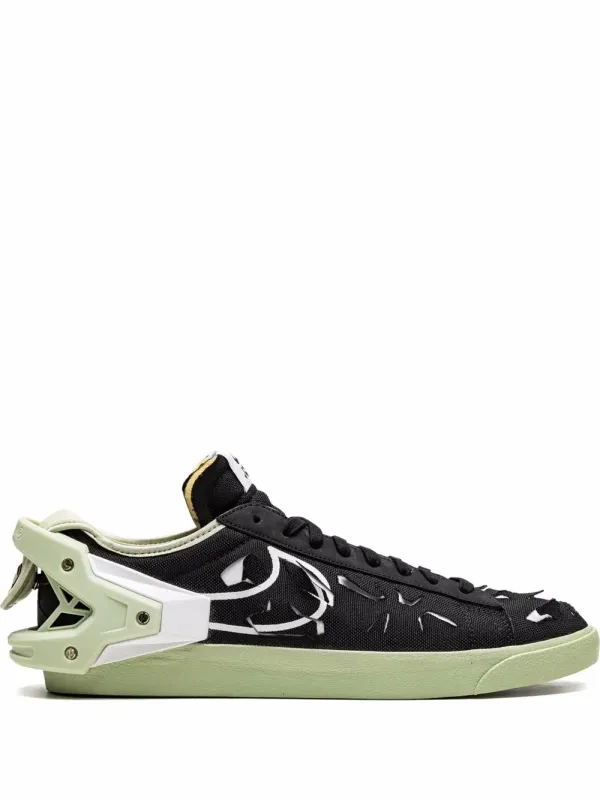
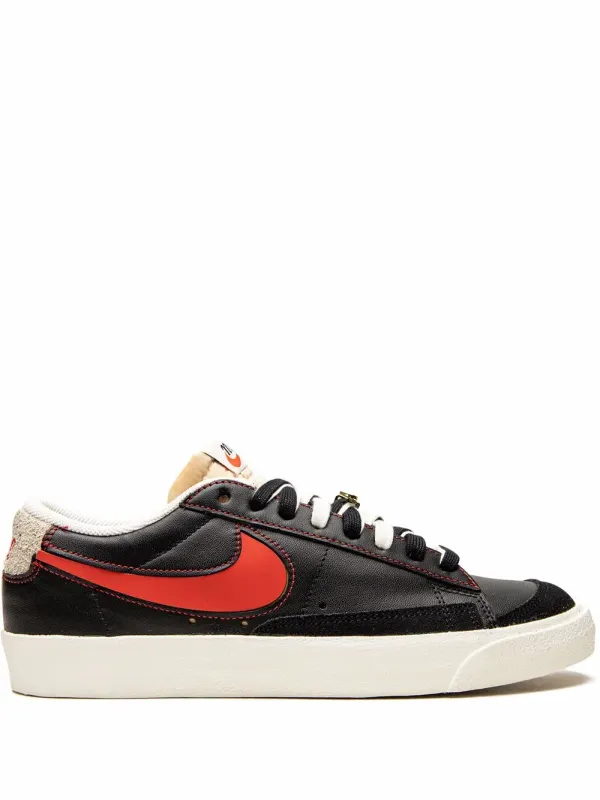
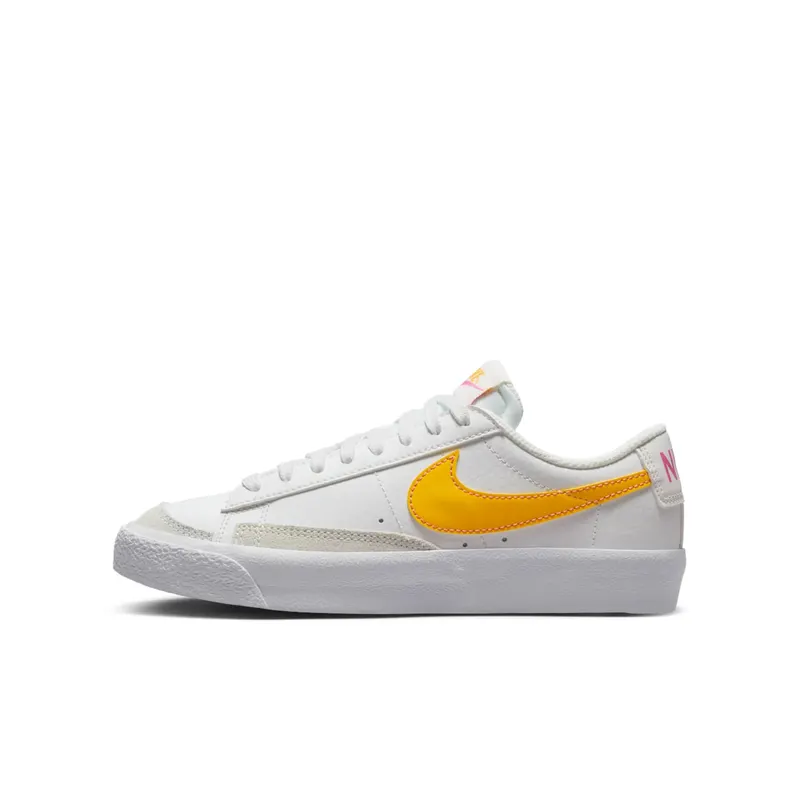
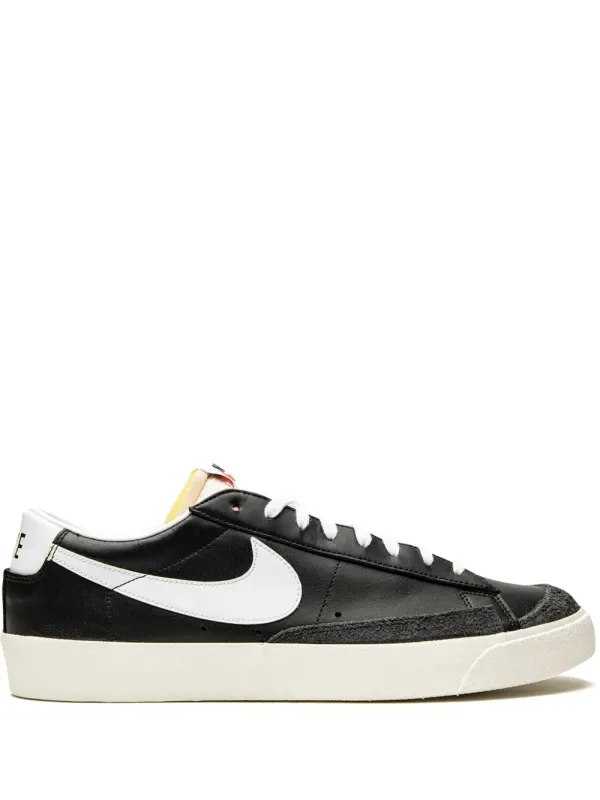
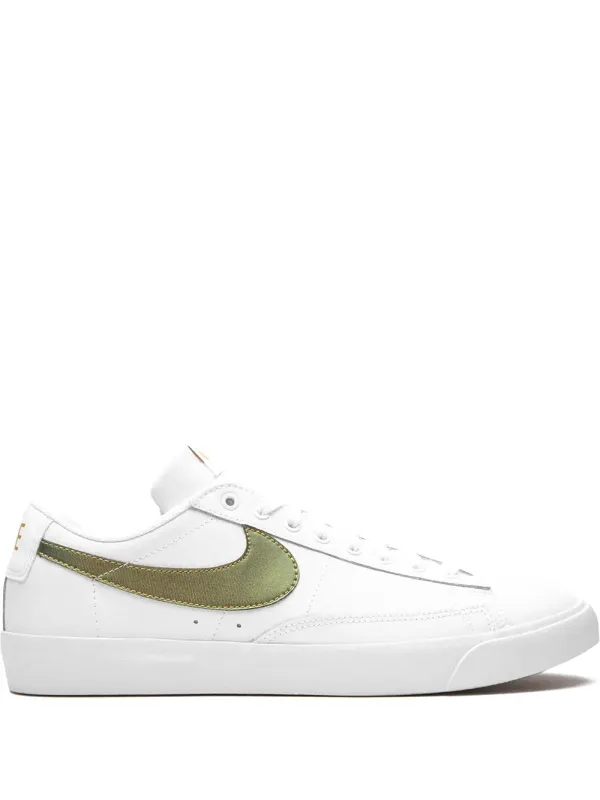
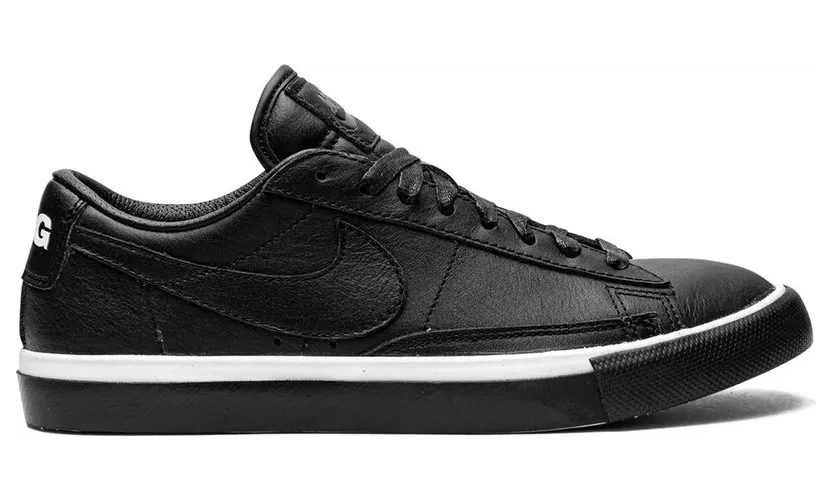
The Blazer stomped onto the court in 1973 as a high-top basketball shoe. The Low is that same idea without the collar, and it’s precisely in the low version that you see how little this shoe actually needs. The upper has hardly any seams, the swoosh alone is the complete reinforcement of the side, and beneath sits a thin, flat sole with a modest toe bumper. Fifty years of design evolution have added nothing to it. That’s not laziness, it’s self-knowledge.
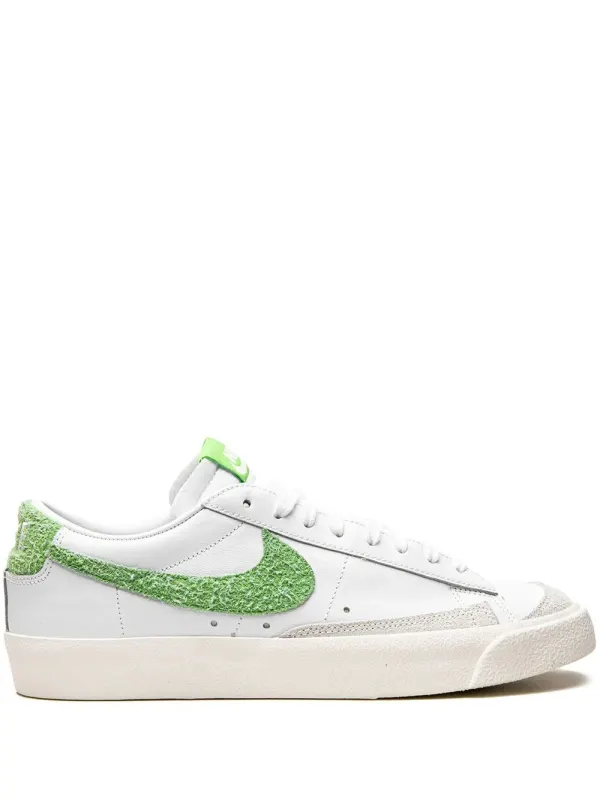
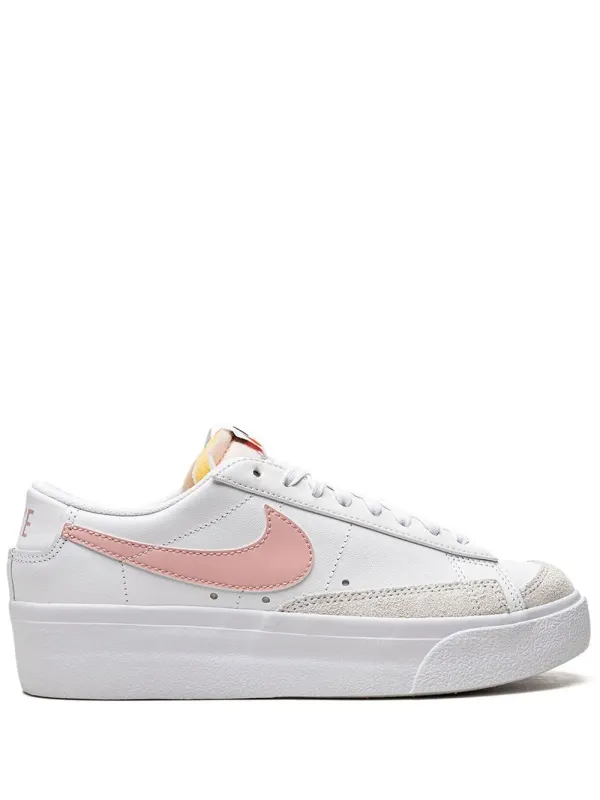
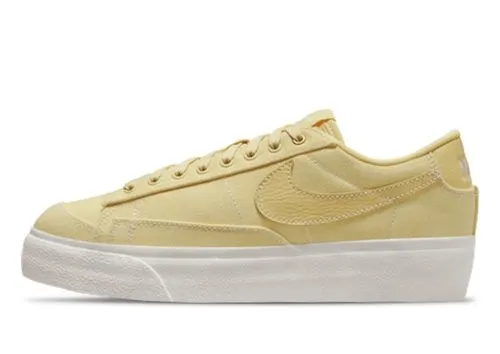
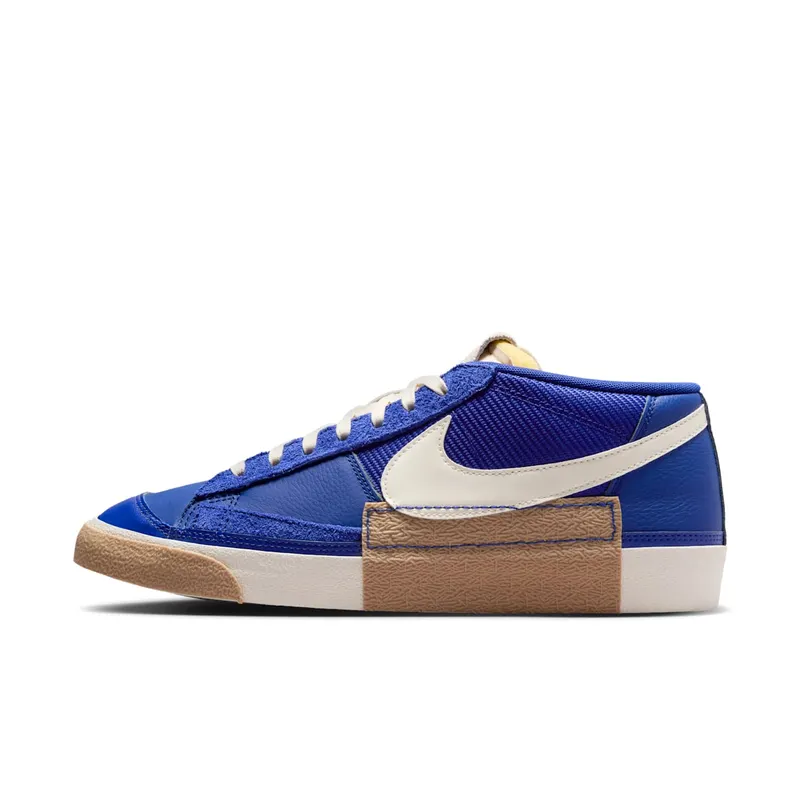
Read the titles carefully, because just over a third of this page is called Blazer Low 77. That’s the version built to late-1970s specifications, with a sole in an intentionally aged tint and a suede heel tab, and it’s the version that gets you closest to the original. The Platform titles put the same shoe for women on an elevated sole. GT versions come from the skate side and LE is simply the smooth leather slip-on.
If you’re undecided between the brand’s low classics, you’ll get the barest answer here. The Dunk Low builds its character from separate color blocks; the Blazer Low does it with one panel and one logo. Fewer parts also means less to wear out and less to go out of fashion; the Blazer Mid is ready for anyone who still misses the collar.
On this page you’ll see which versions of the Nike Blazer Low are currently hottest according to the Hypescore, from which price they’re available and how many shops have them in stock.
Which Nike Blazer Low gives off the strongest hype signal?
The Hypescore reads the signal strength of every Nike Blazer Low colorway. Community votes, resale movement, search demand and scarcity together decide how much hype a sneaker gives off, expressed in GSv. On the left the strongest hype signals, on the right the colorways just being picked up and rising fast.
Strongest hype signal
- 1
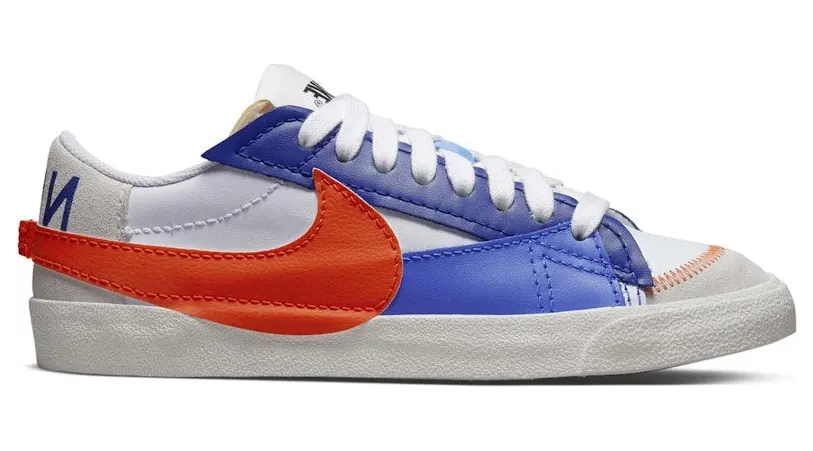
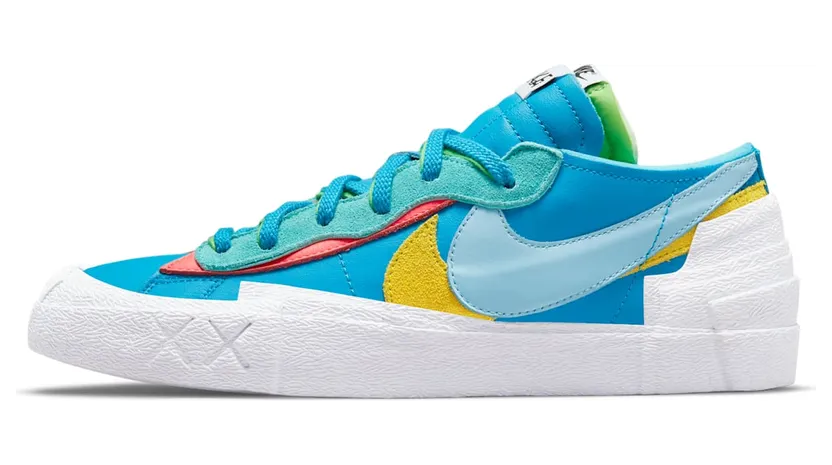 Nike Blazer Low sacai KAWS Blue (DM7901-400)ATOMICNike Blazer Low · from €78 · 7 shops70GSv
 - 2
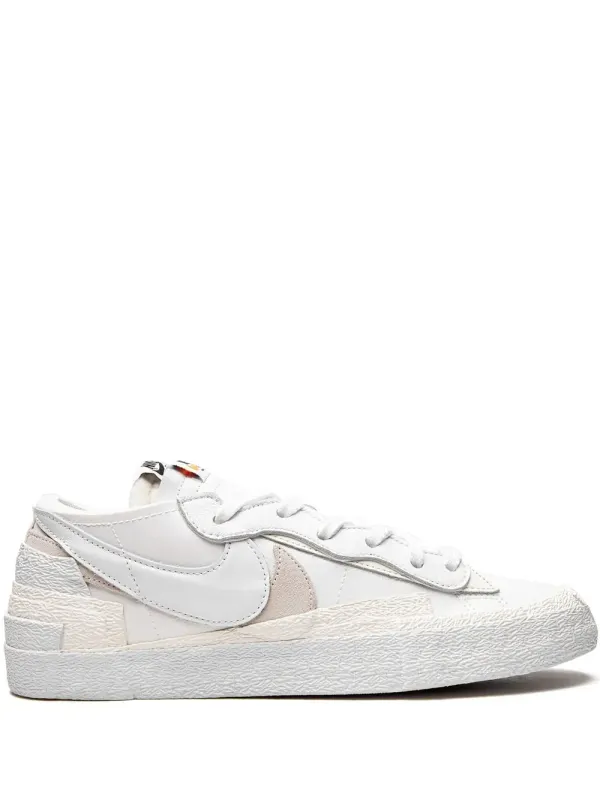
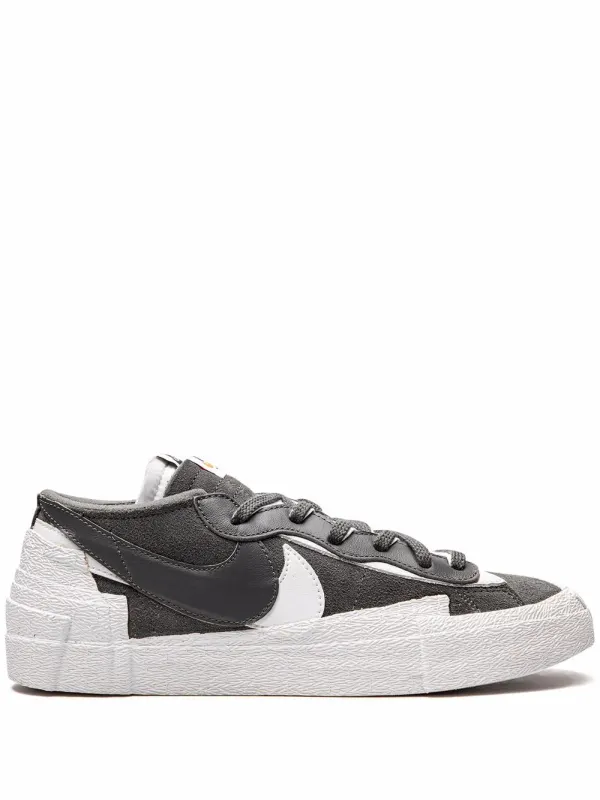
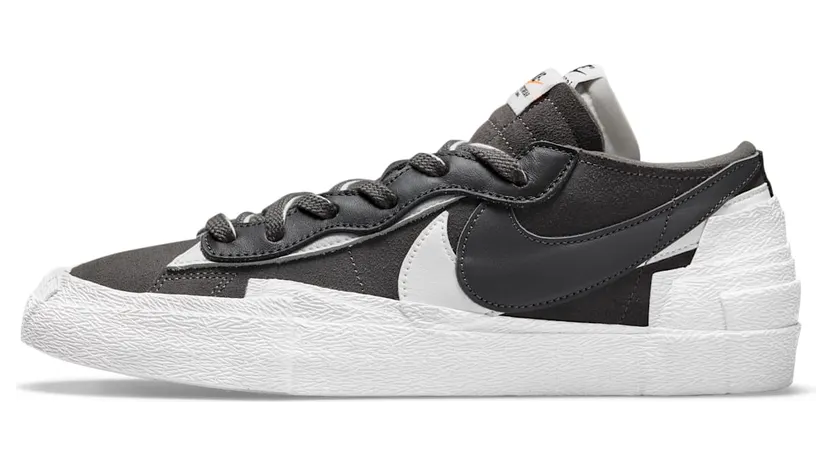 Nike x sacai Blazer Low Iron Grey (2021) (DD1877-002)RADIATINGNike Blazer Low · from €93 · 7 shops65GSv
 - 3
 Nike x sacai Blazer Low British Tan (2021) – “Brtitish Tan / White / University Red” (DD1877-200)RADIATINGNike Blazer Low · from €56 · 6 shops65GSv
 - 4
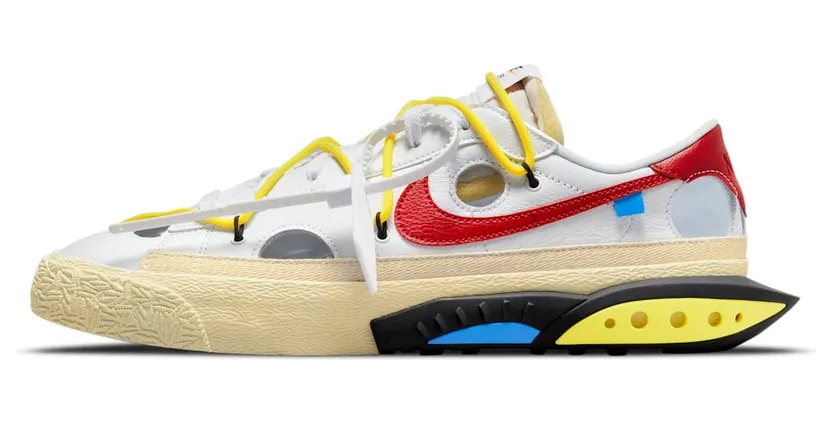 Nike x Off-White Blazer Low “White/University Red-Opti Yellow-Fossil” (DH7863-100)RADIATINGNike Blazer Low · from €82 · 7 shops65GSv
 - 5
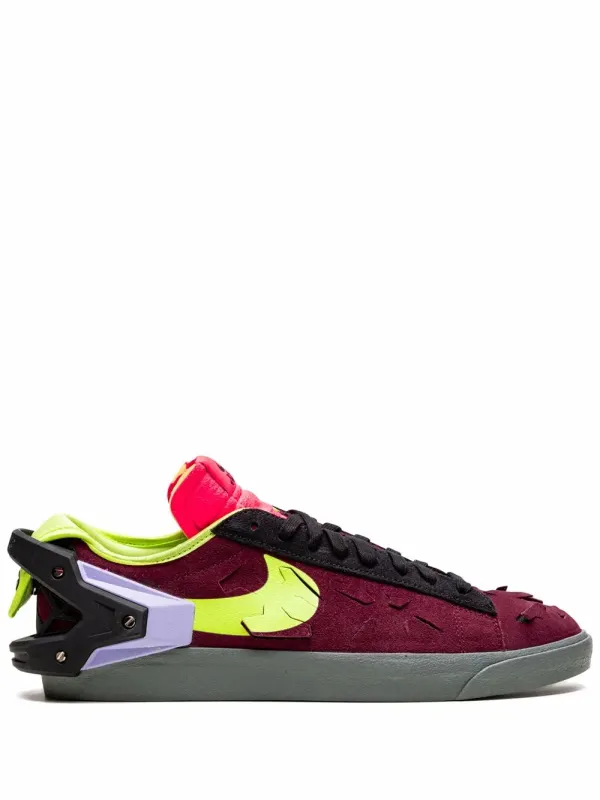
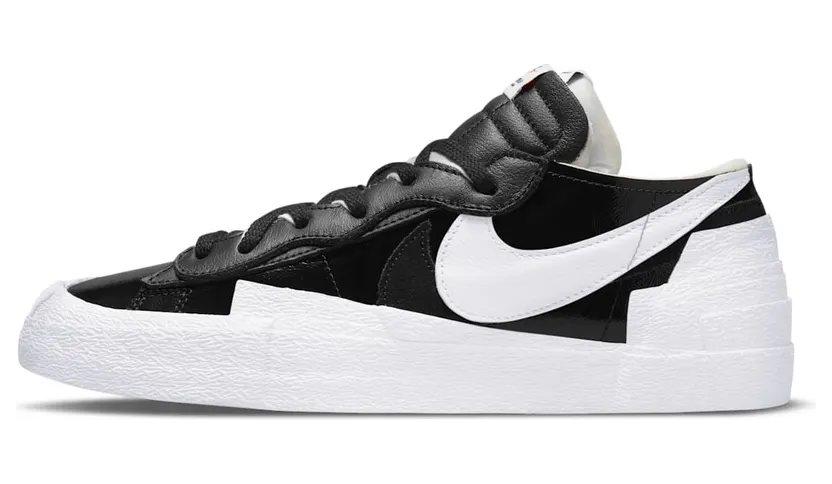 Nike x Sacai Blazer Low Black Patent Leather (DM6443-001)RADIATINGNike Blazer Low · from €85 · 8 shops58GSv
Just in, rising
- 1
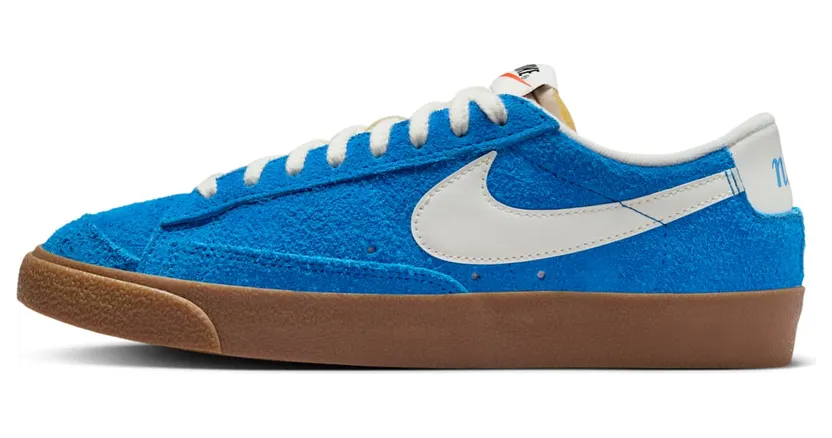 Nike Blazer Low 77 Vintage Photo Blue Gum (FQ8060-400)CHARGINGNike Blazer Low · from €40 · 5 shops41GSv
 - 2
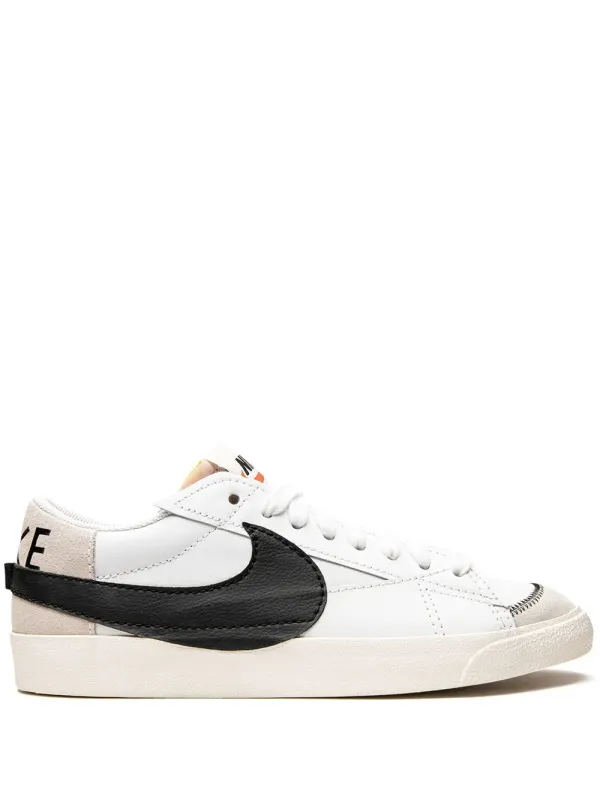
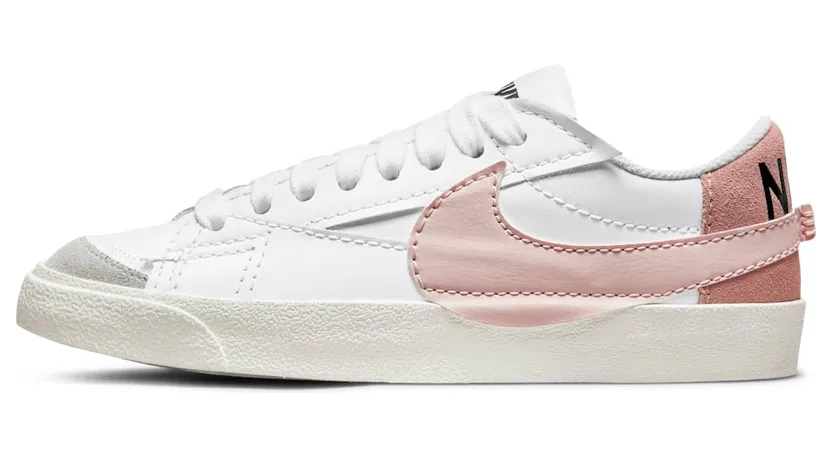 Nike BLAZER LO 77 JUMBO “White Pink Oxford” (DQ1470-102)CHARGINGNike Blazer Low · from €77 · 5 shops37GSv
 - 3
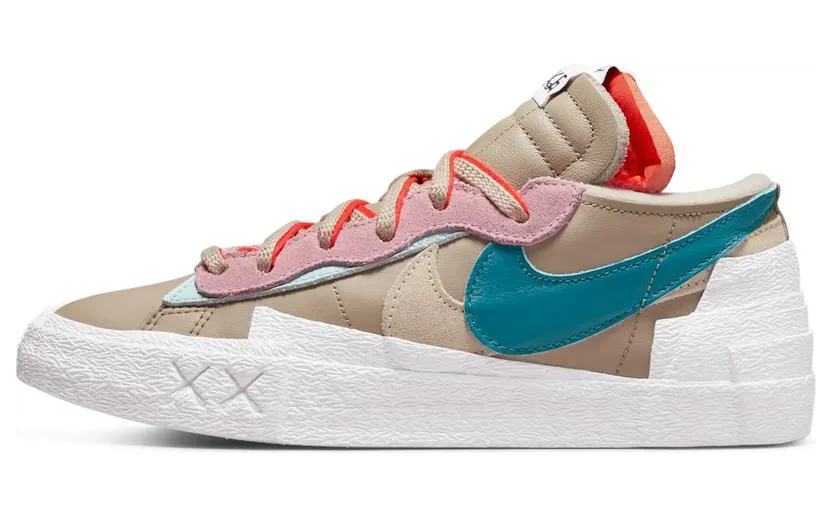 Nike Blazer Low “Sacai – Kaws Reed” (DM7901-200)SEISMICNike Blazer Low · from €108 · 5 shops53GSv
 - 4
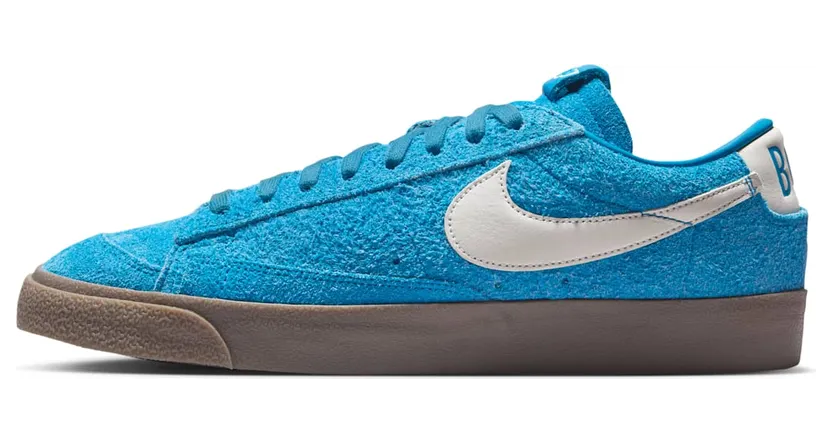 Nike Blazer Low “Devin Booker – Surf Blue” (HV2197-400)SEISMICNike Blazer Low · from €95 · 3 shops49GSv
 - 5
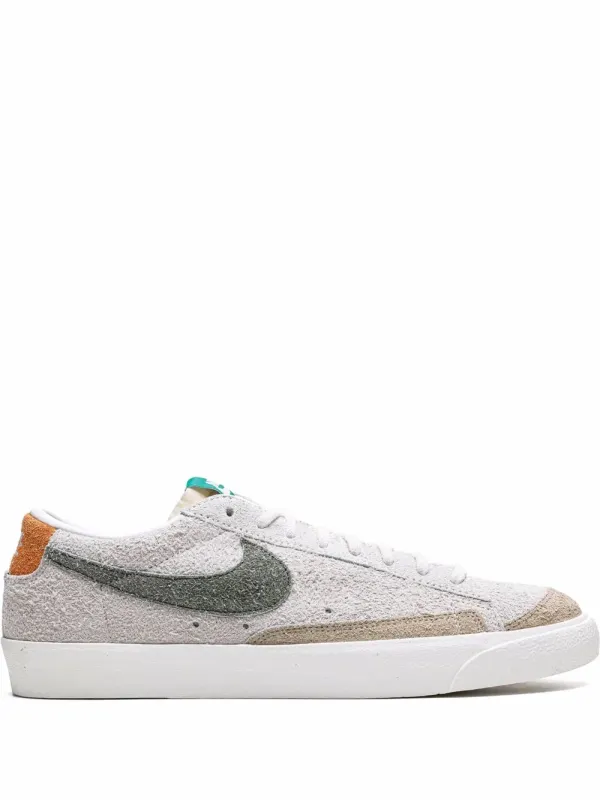
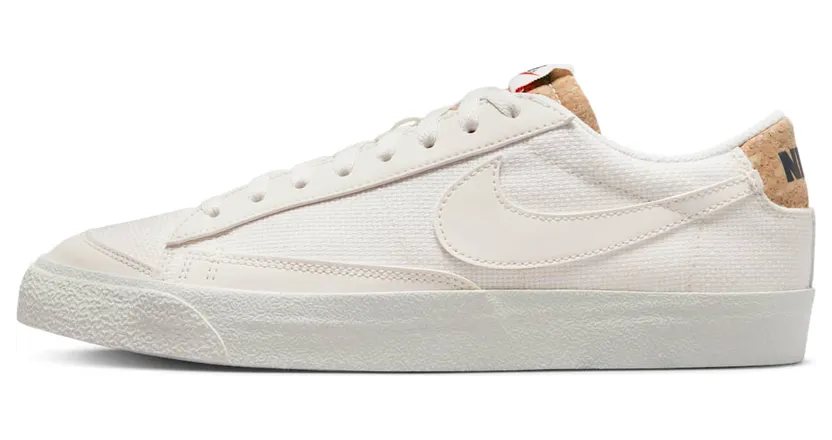 Nike Blazer Low ’77 “Phantom” (DV7231-001)CHARGINGNike Blazer Low · from €82 · 3 shops40GSv