

Sergio Lozano: the designer of the Nike Air Max 95
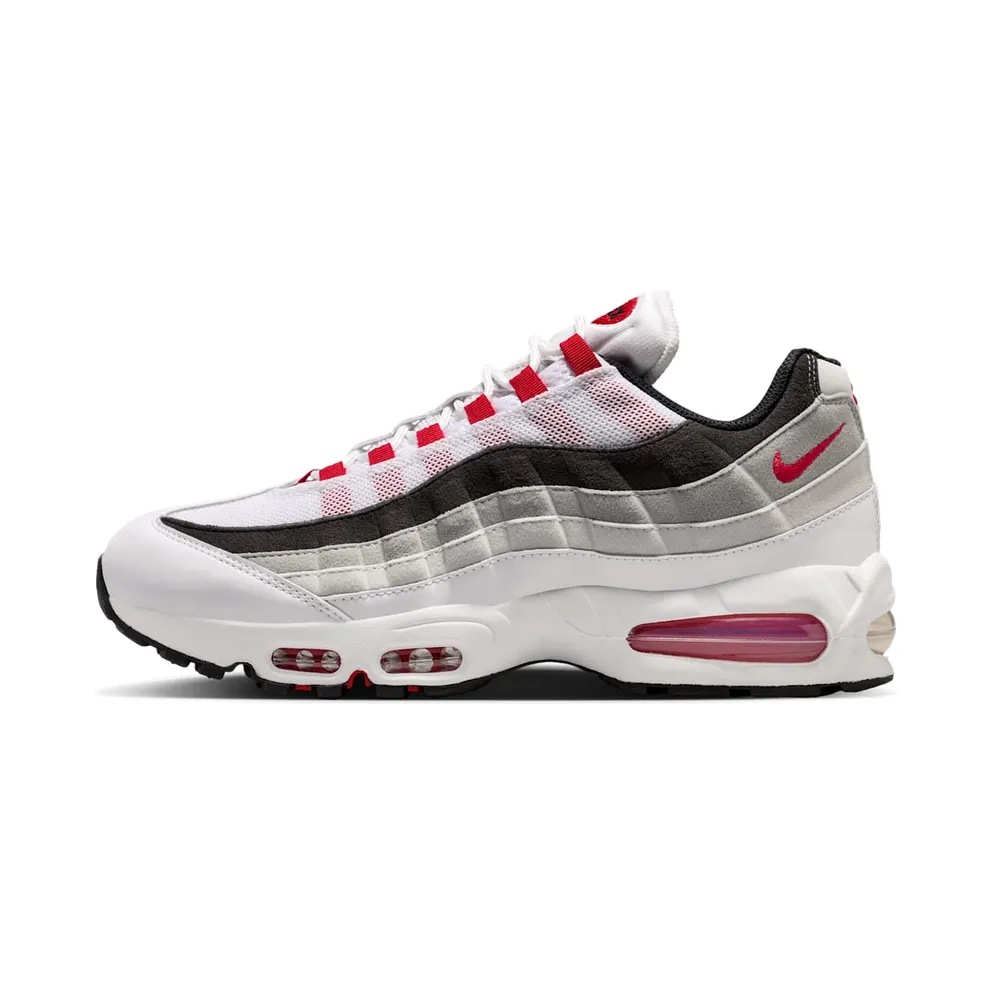
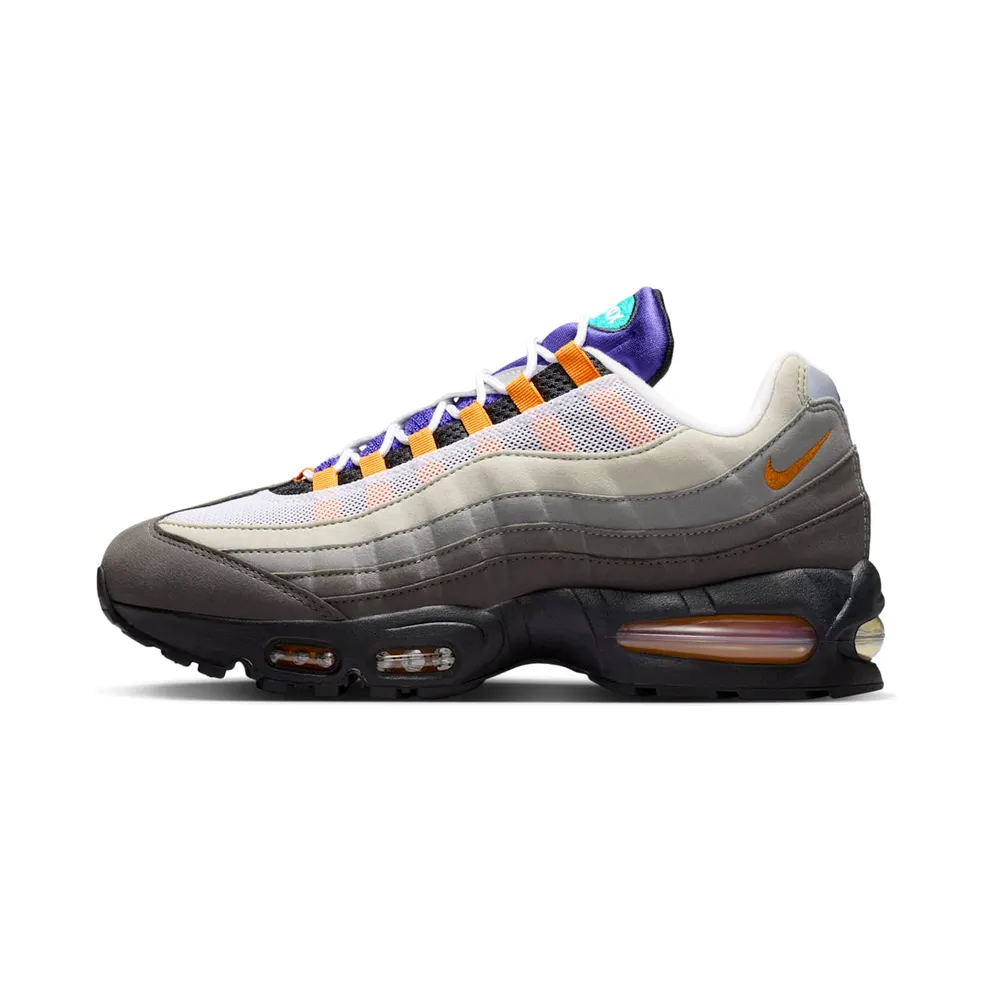
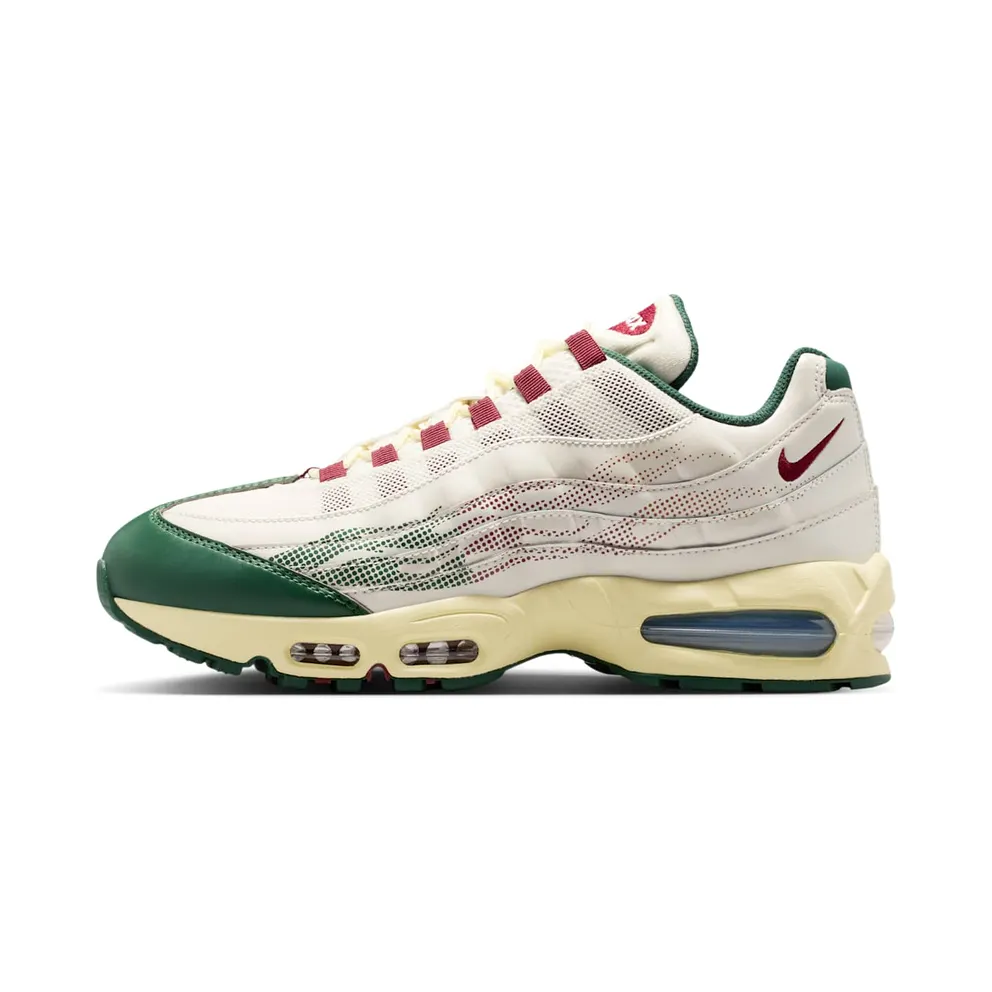
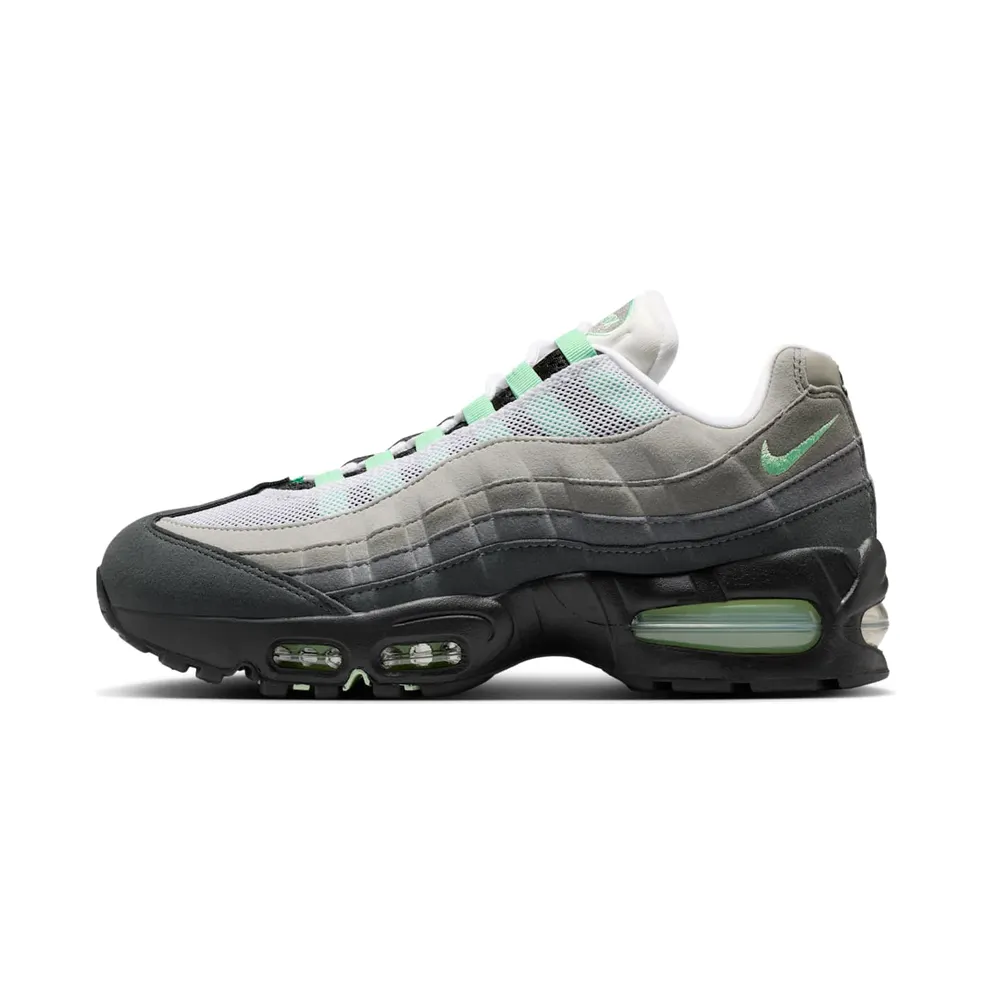
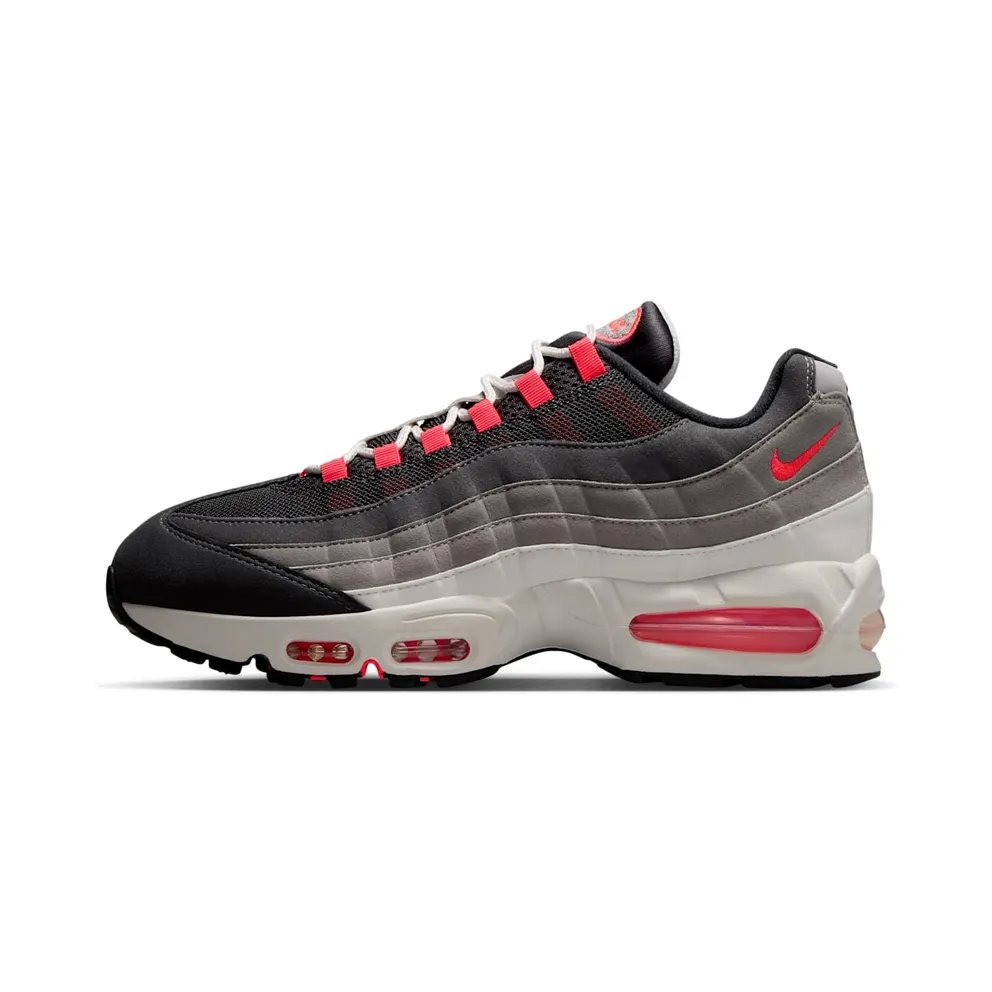
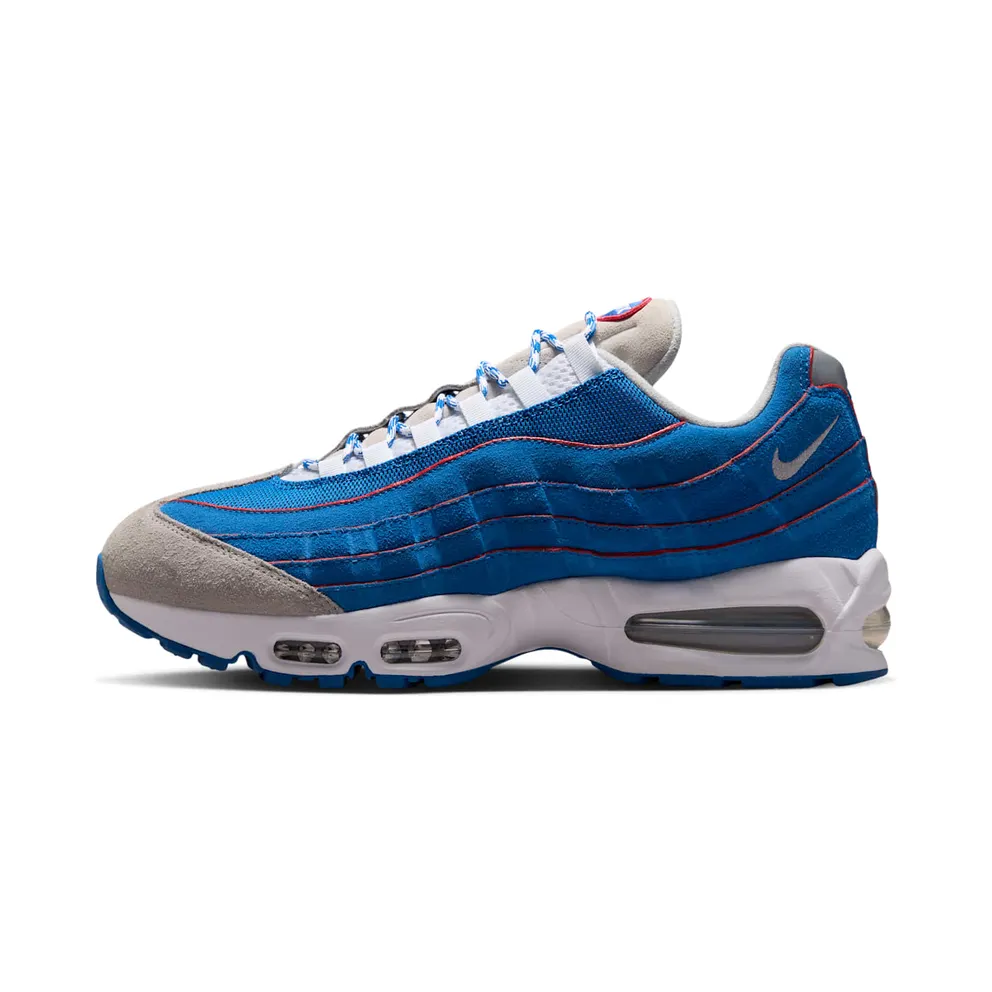
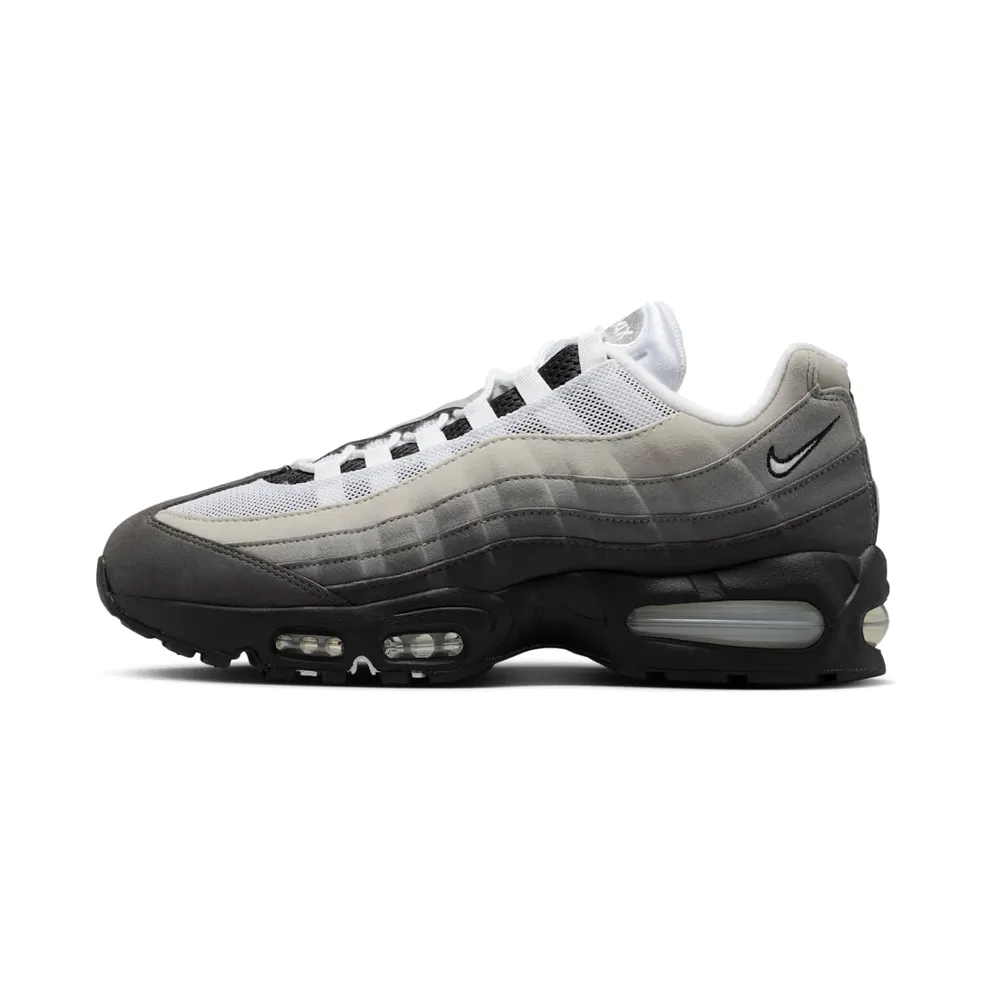
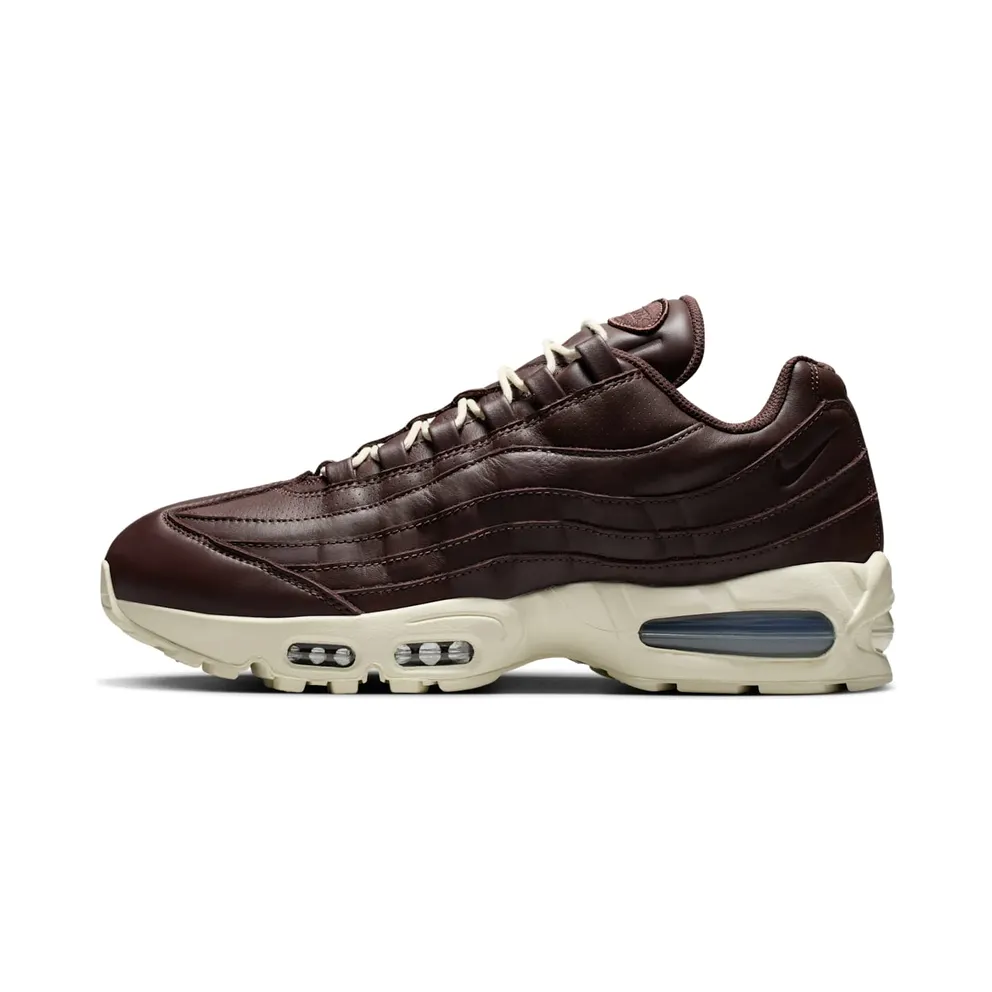
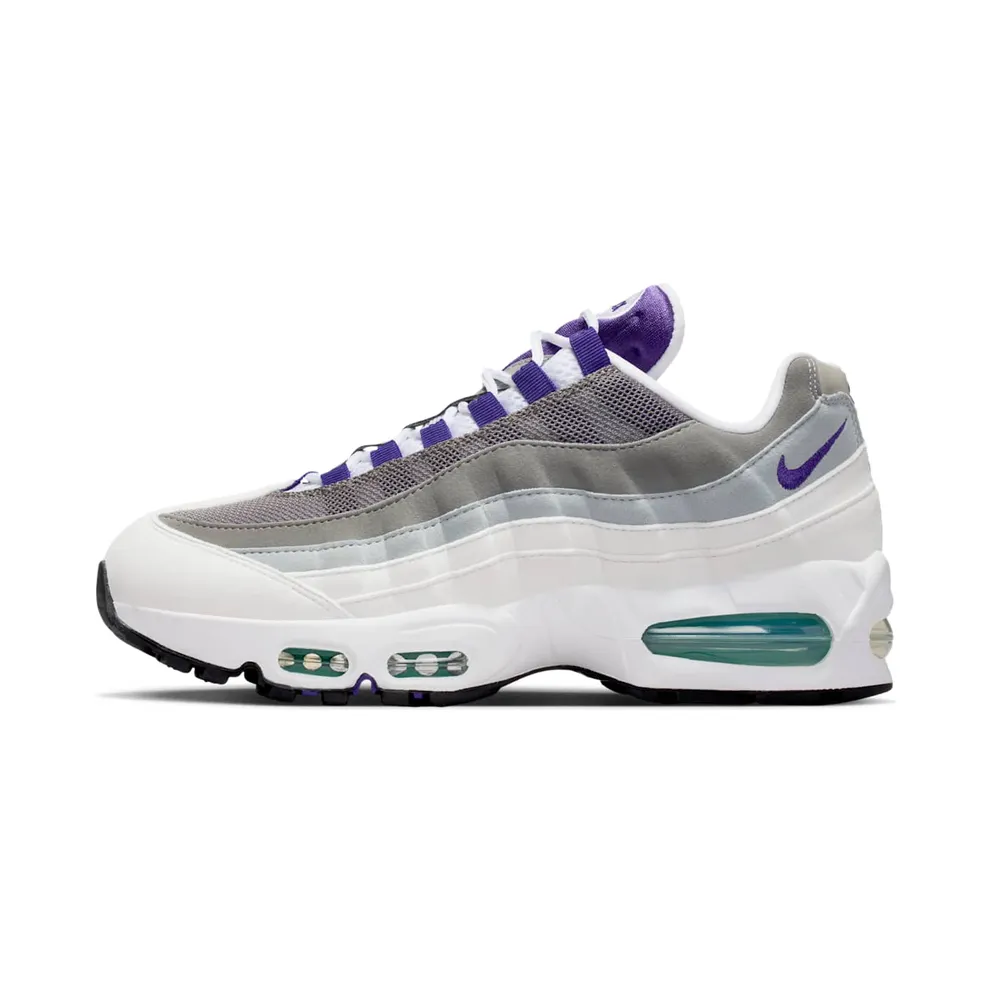
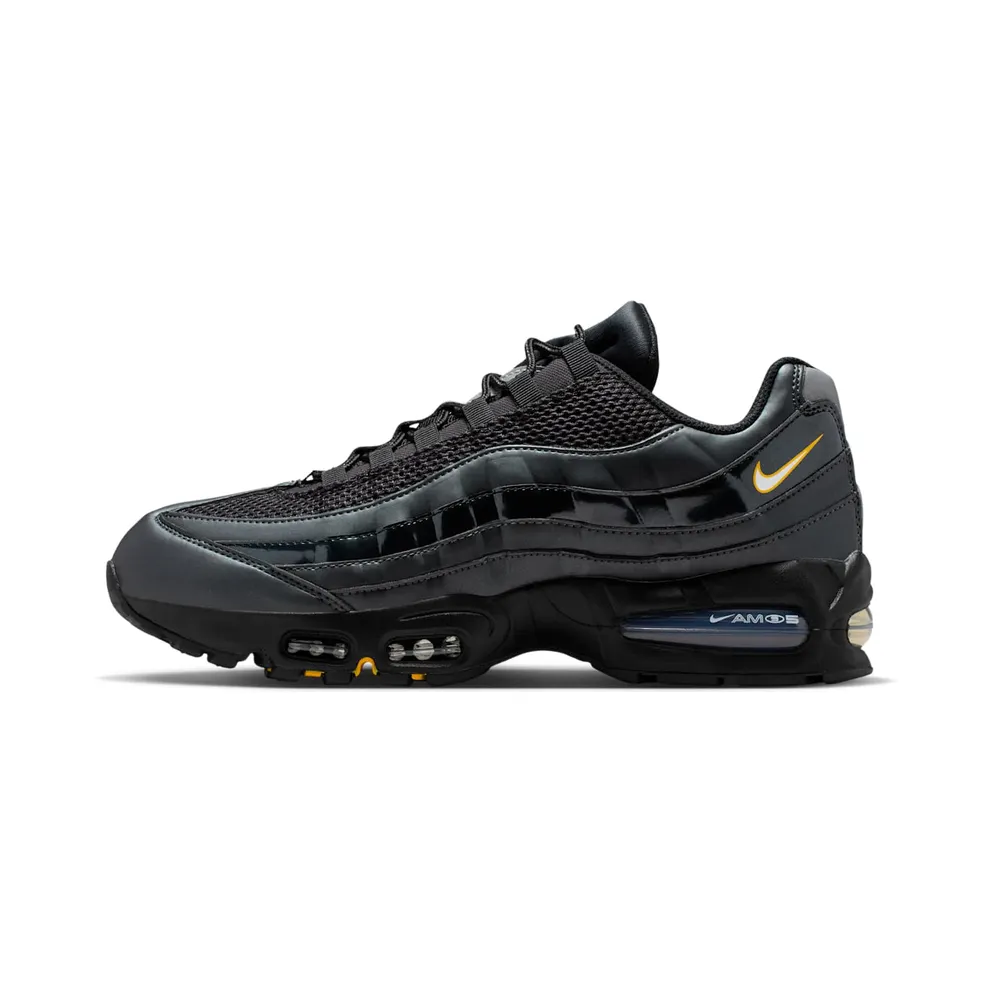
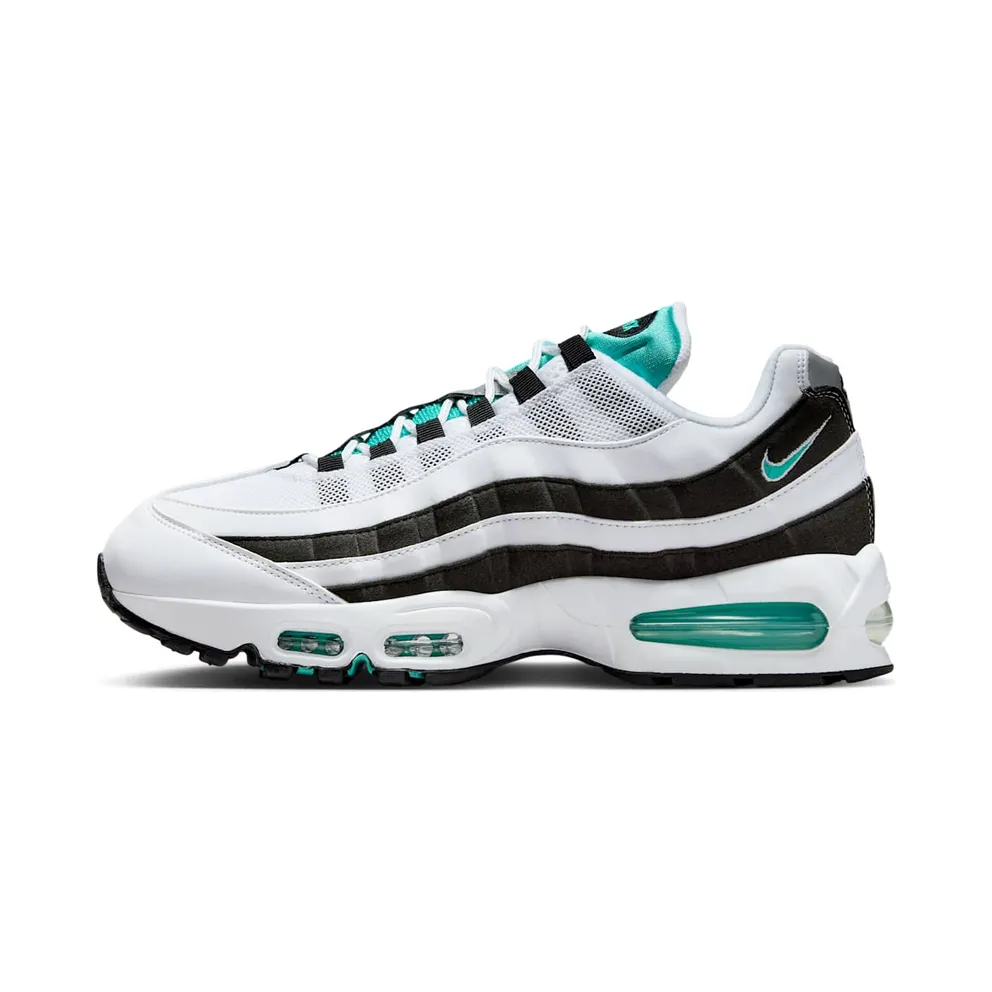
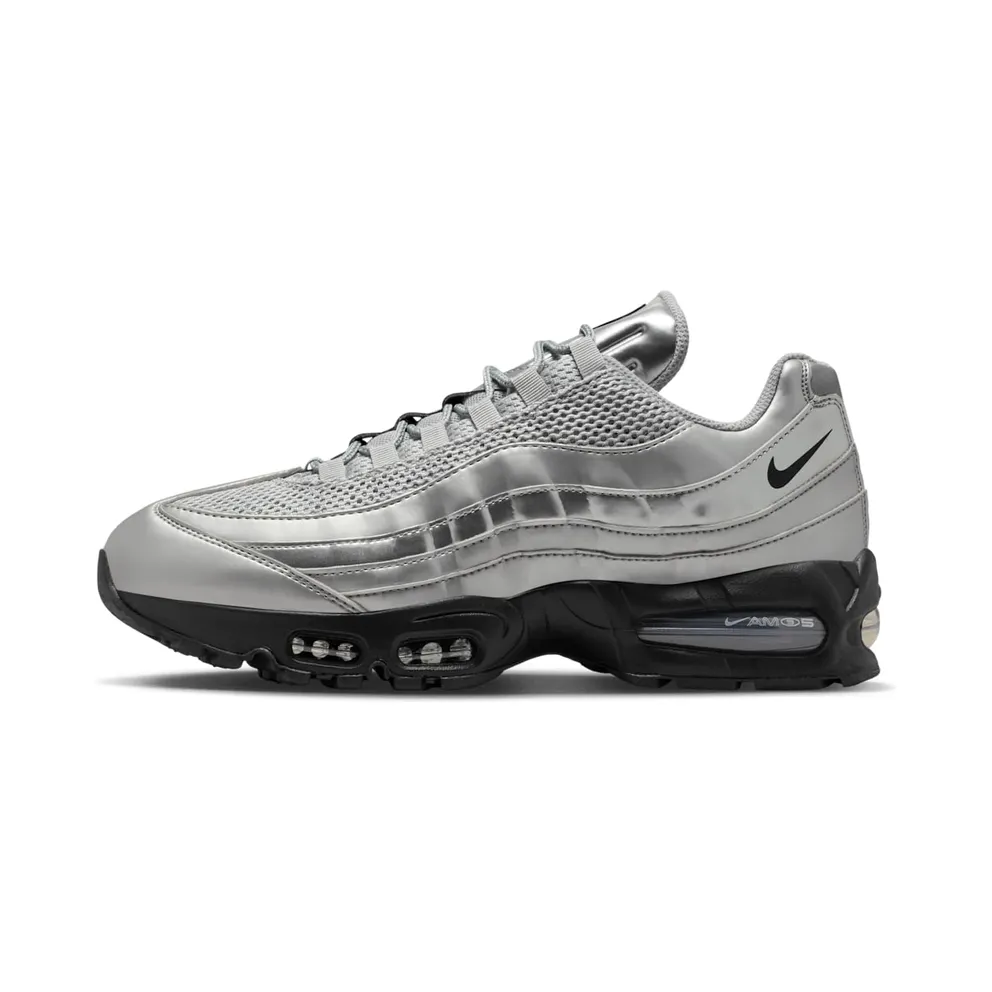
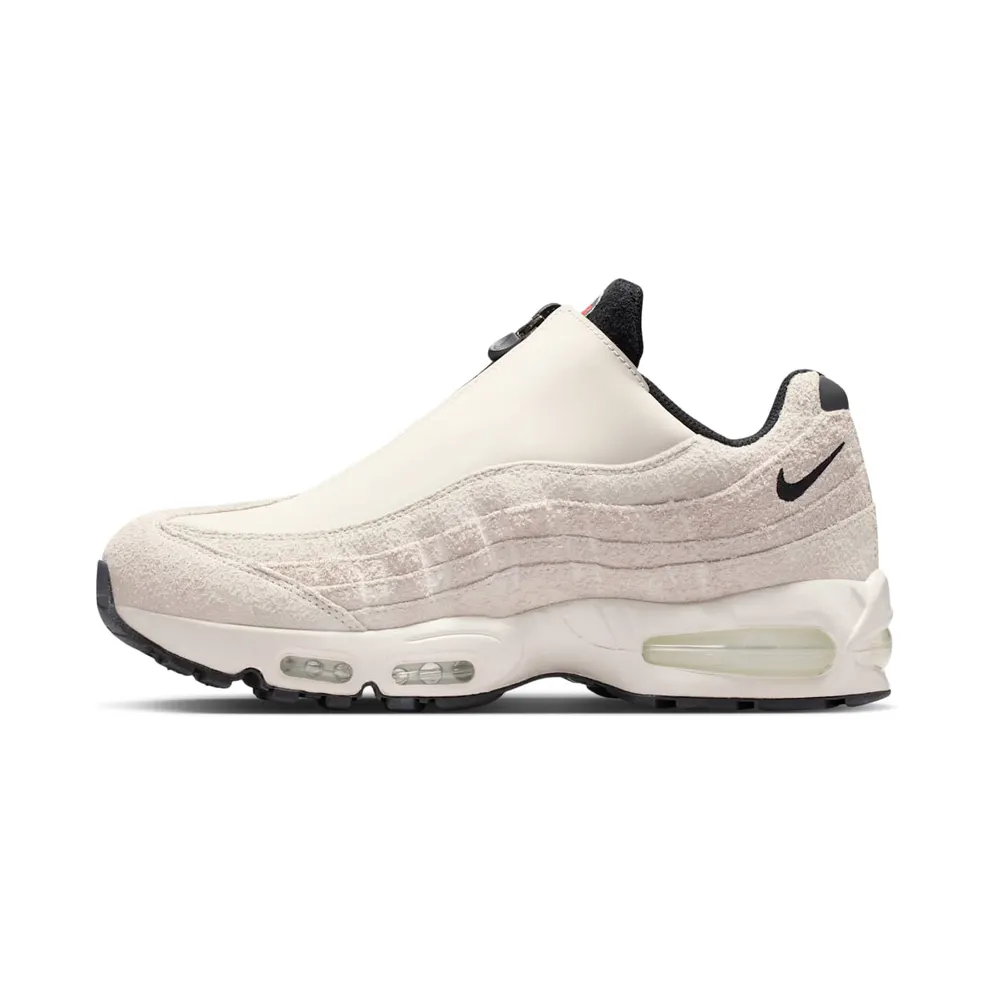
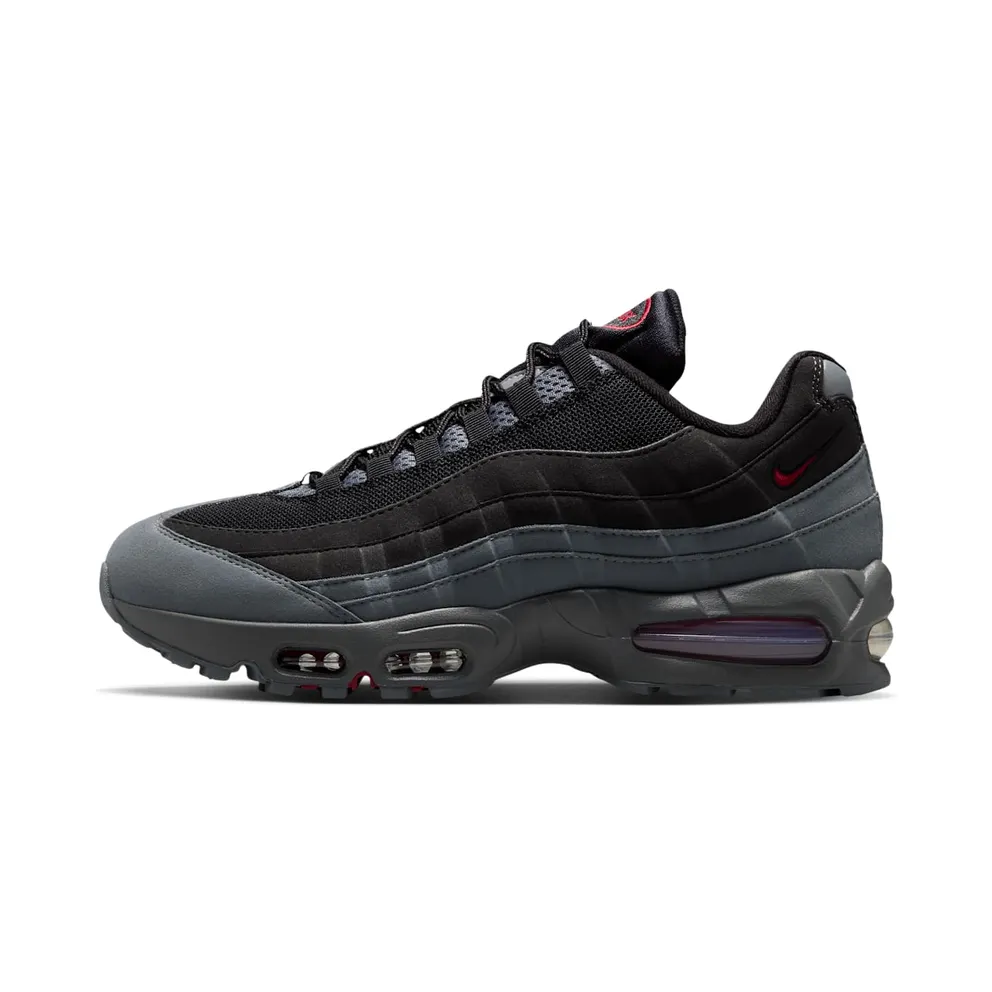
The Nike Air Max 95 broke with almost everything a Nike sneaker had been until then. The Swoosh was reduced to a small spot on the heel, the upper was built from layers that graduated from dark to light, and for the first time there was also a visible air cushion under the forefoot. Sergio Lozano designed the model in 1995, and he did so not from the running division but from a very different corner of the brand. On this page you can read who he is, where his design came from and which versions followed. Below the text you can compare prices, sizes and availability from several webshops side by side for each model.









Who is Sergio Lozano?
Lozano worked at Nike on outdoor and training products when he was asked to look at the Air Max line. That is relevant, because he brought a perspective that hadn't been shaped by the conventions of the running shoe. Where his predecessors worked within the established visual language, he could largely ignore it.
The result was a shoe that divided opinion when it appeared. The 95 looked dark, heavy and almost technical at a time when running shoes were white and light. That the model succeeded precisely because of that, and in particular gained its own following in Europe and Japan, was part of a broader shift: sneakers were bought to be worn, not to be trained in.
Why his design changed the sneaker world
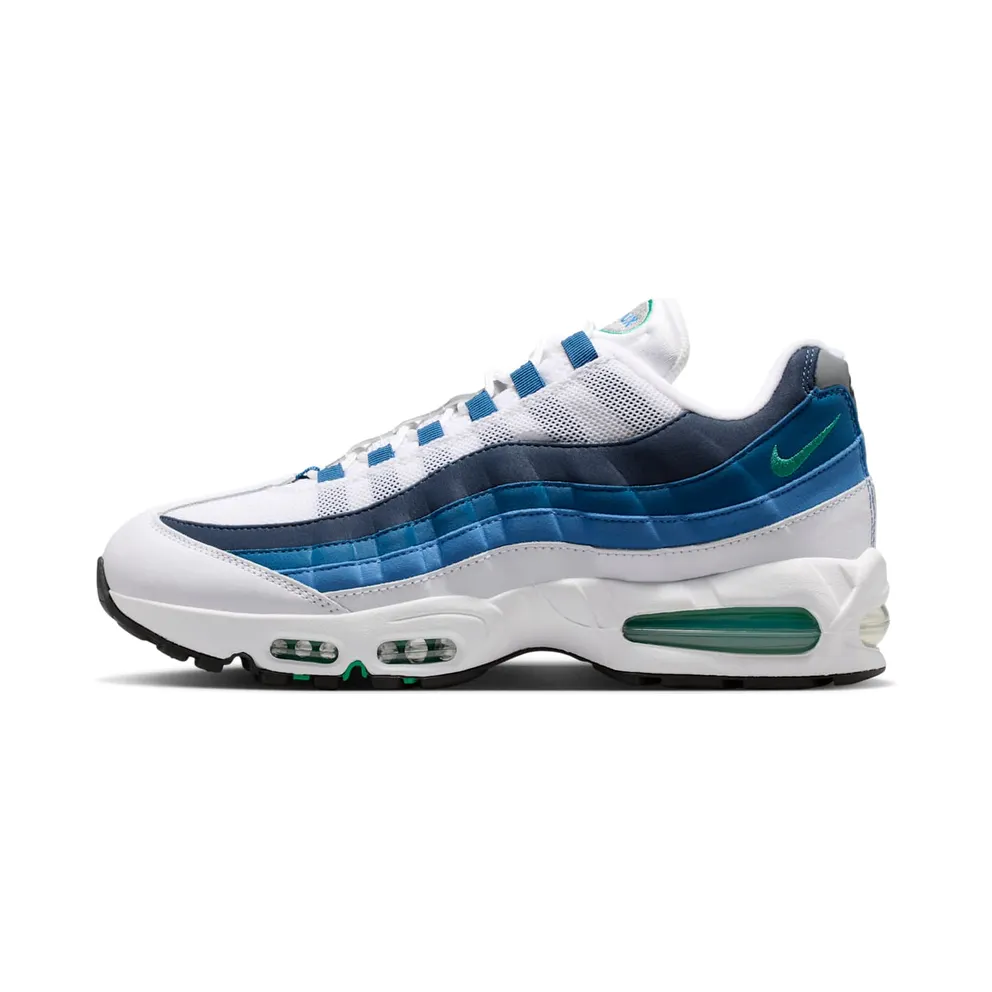
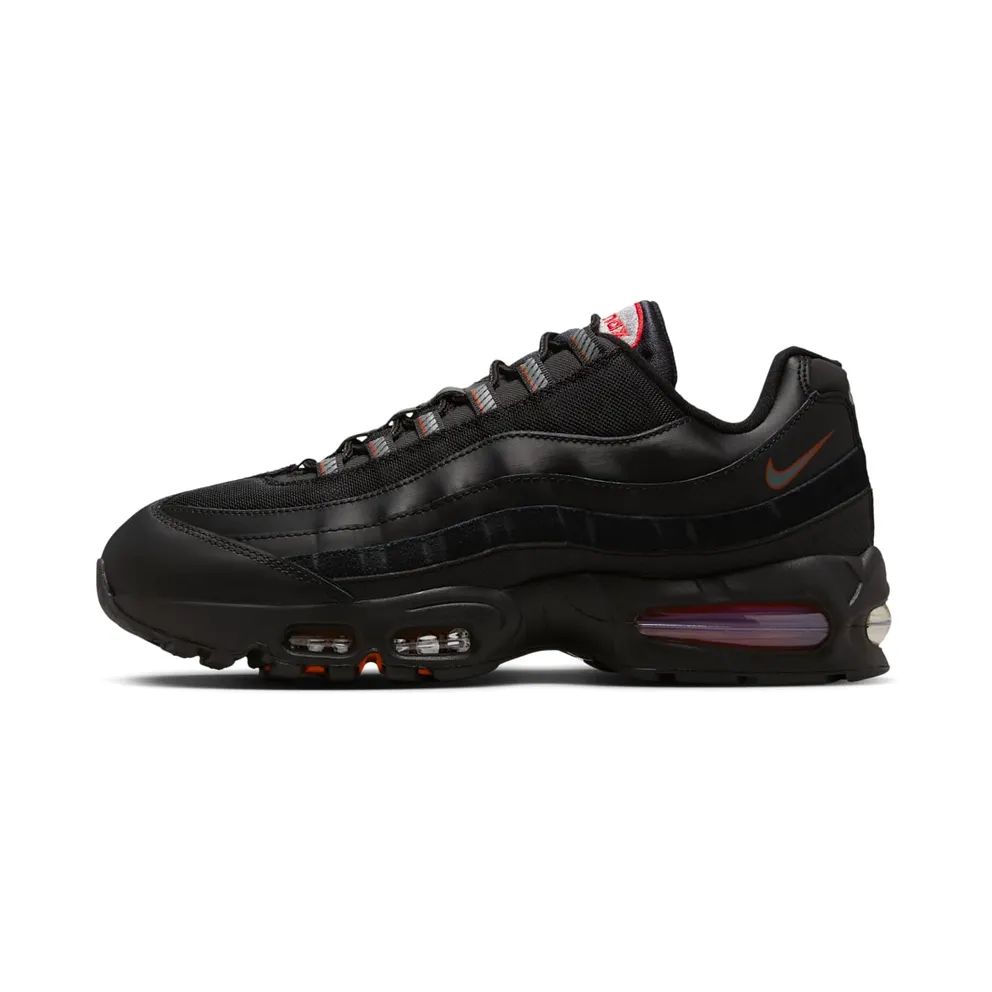
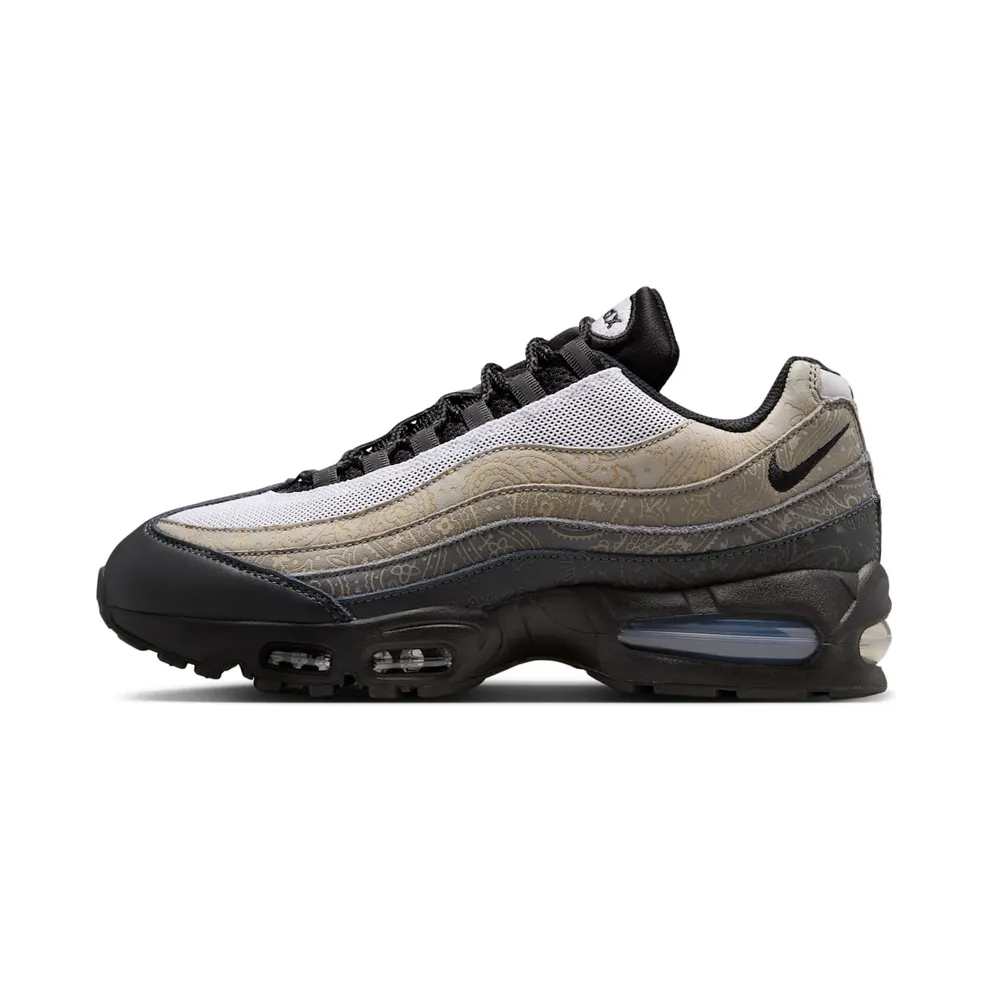
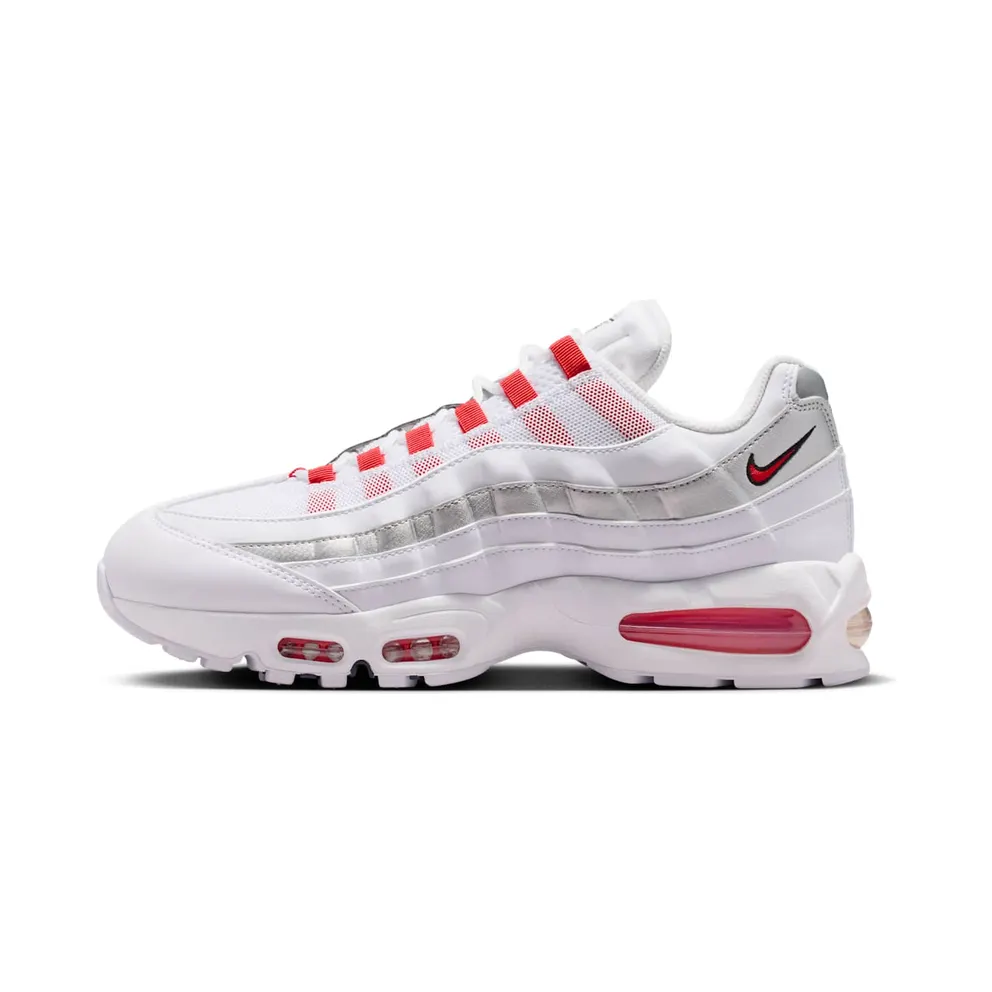
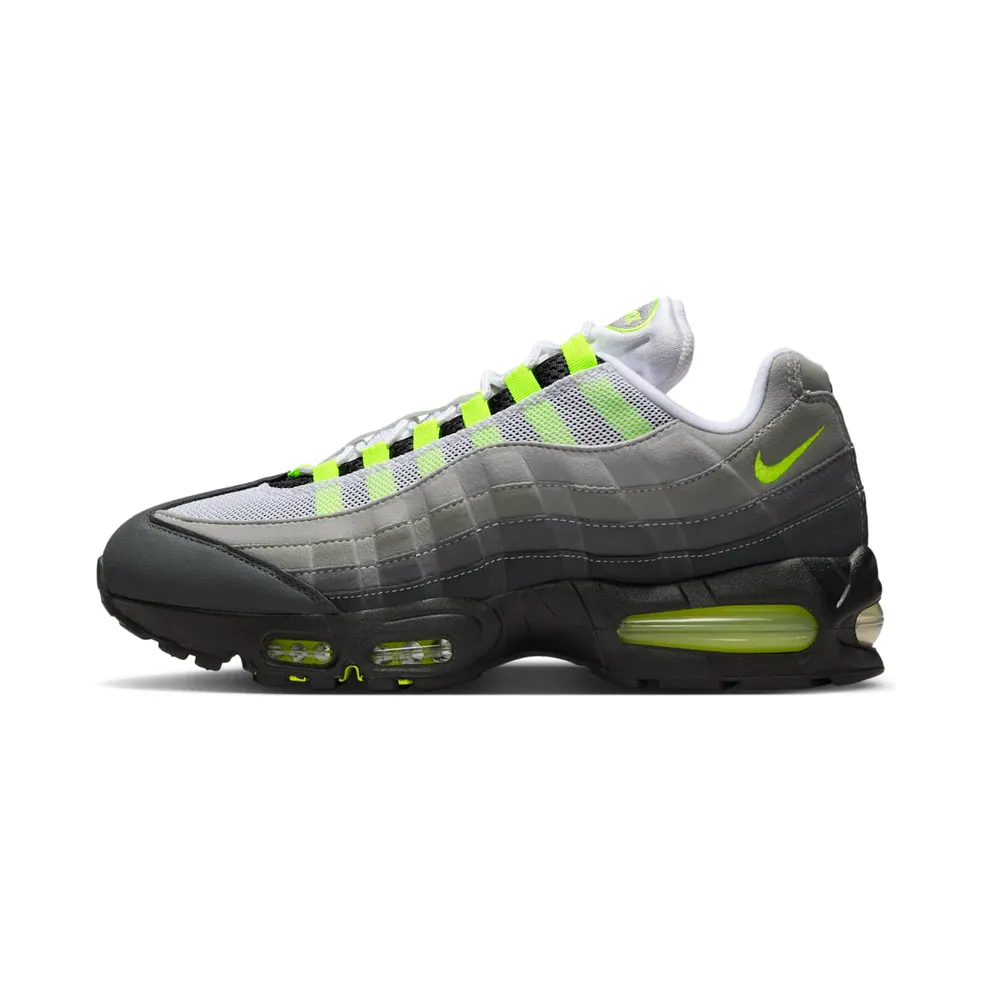
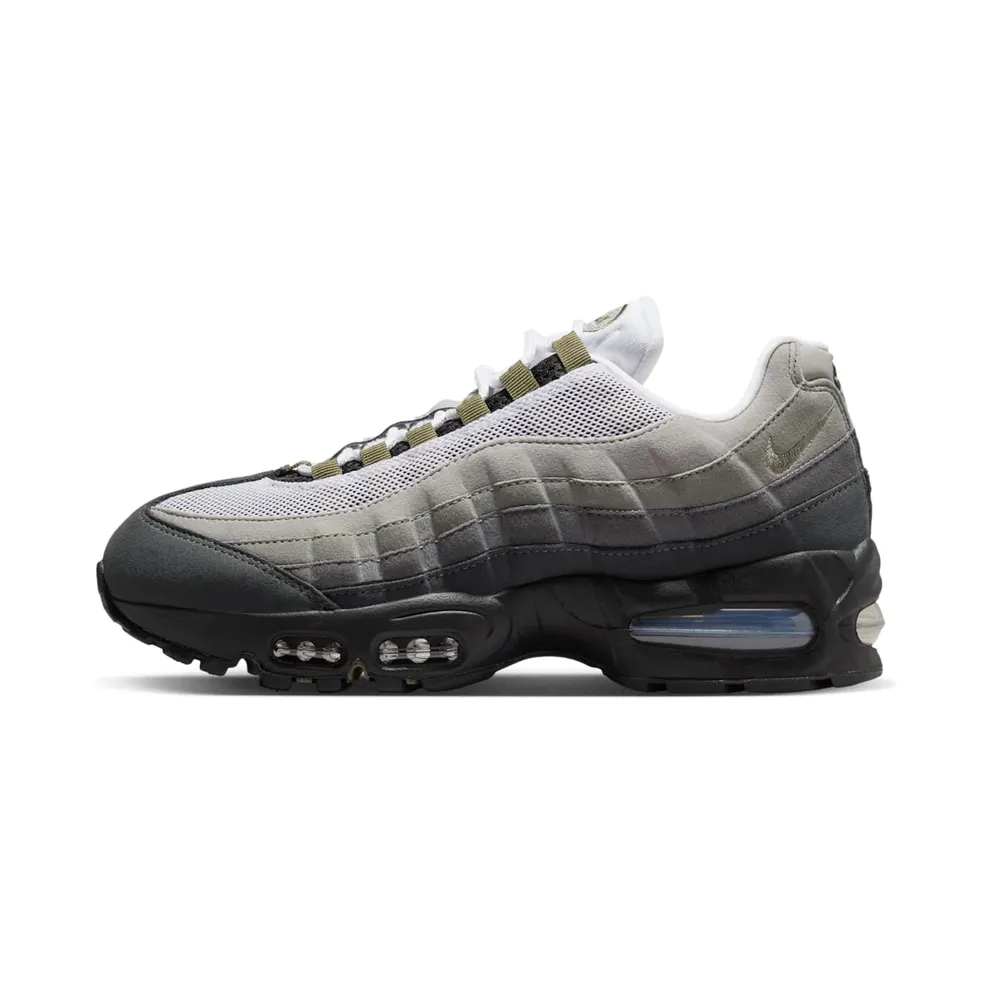
The construction of the upper is the clearest feature. The layers that lie over one another are often compared to an anatomical cross-section: the sole as the base, the side panels as muscle tissue, the eyelets as ribs and the mesh as the skin between. The gradient from dark at the bottom to light at the top reinforces that idea, and also had a practical advantage — dirt from the street is less visible on a dark lower section.
Technically, the most important step was the air cushion in the forefoot. Until then, visible Air had only been in the heel. By making it visible at the front as well, the 95's sole was opened up on both sides, which led to the fully continuous sole that appeared two years later in the Air Max 97.
The third point is the treatment of the brand itself. The large Swoosh on the side, until then taken for granted, was removed and reduced to a small logo. That a brand dared to shrink its own emblem was unusual, and it gave the design room to be recognisable on its own merits.
The best-known sneakers of Sergio Lozano
Nike Air Max 95 (1995)
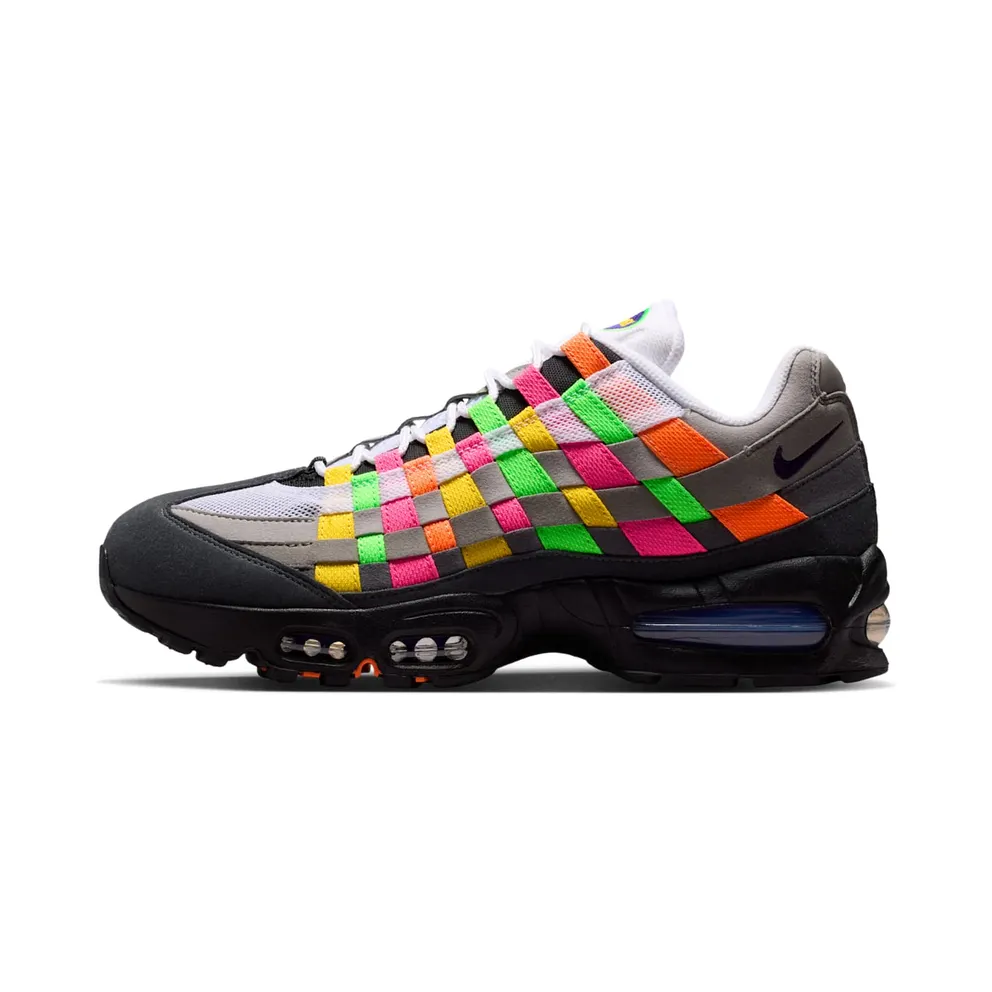
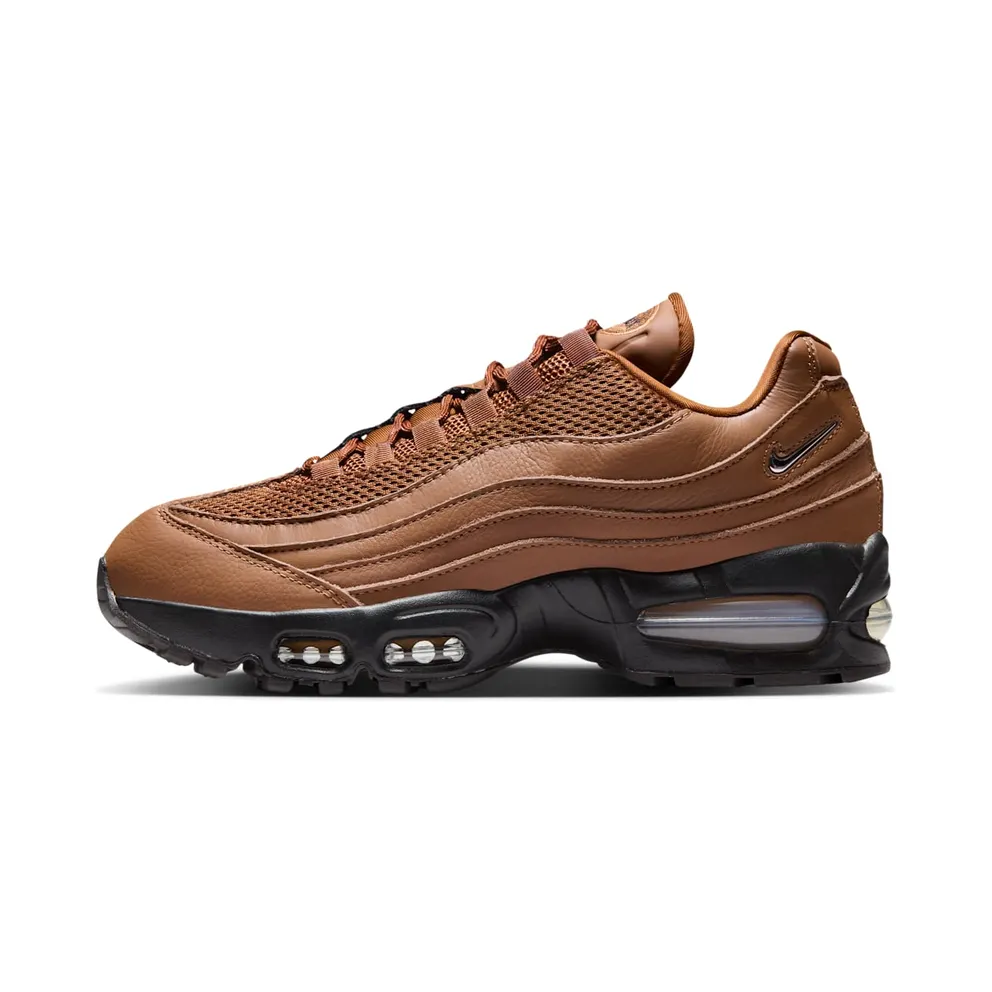
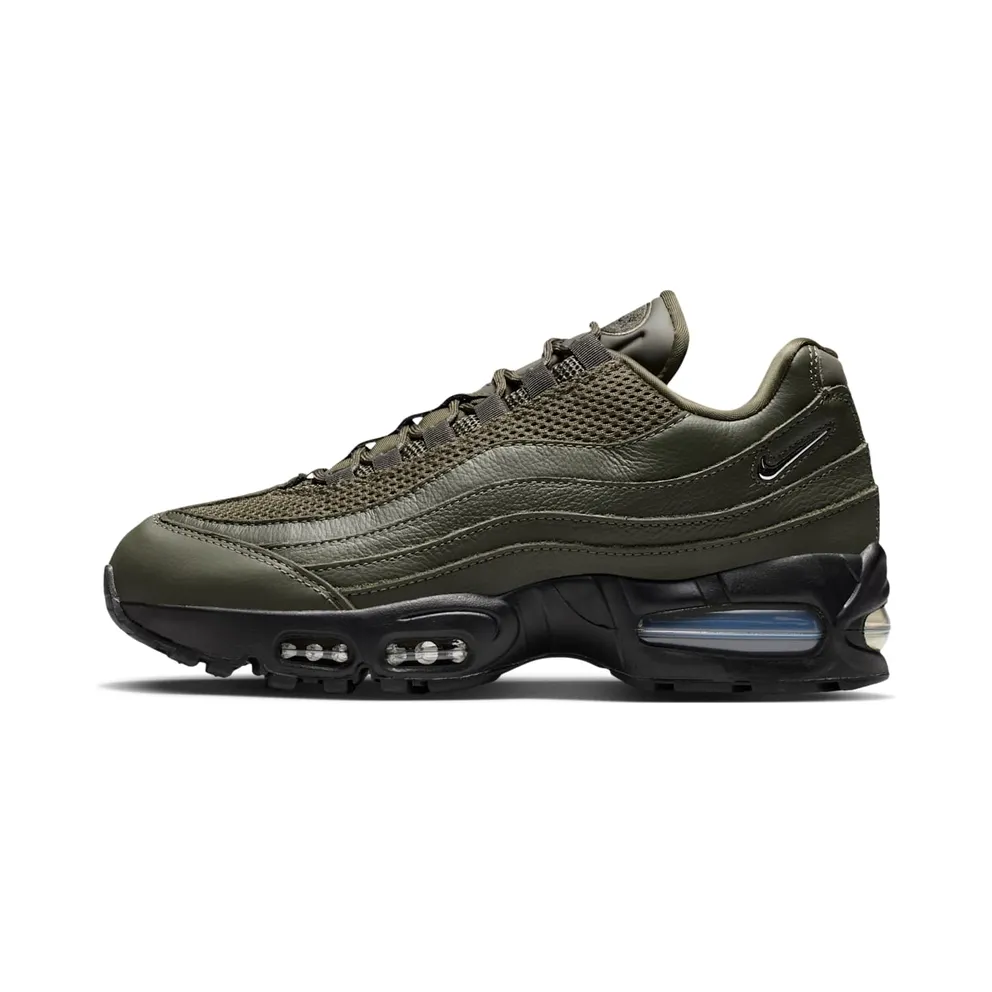
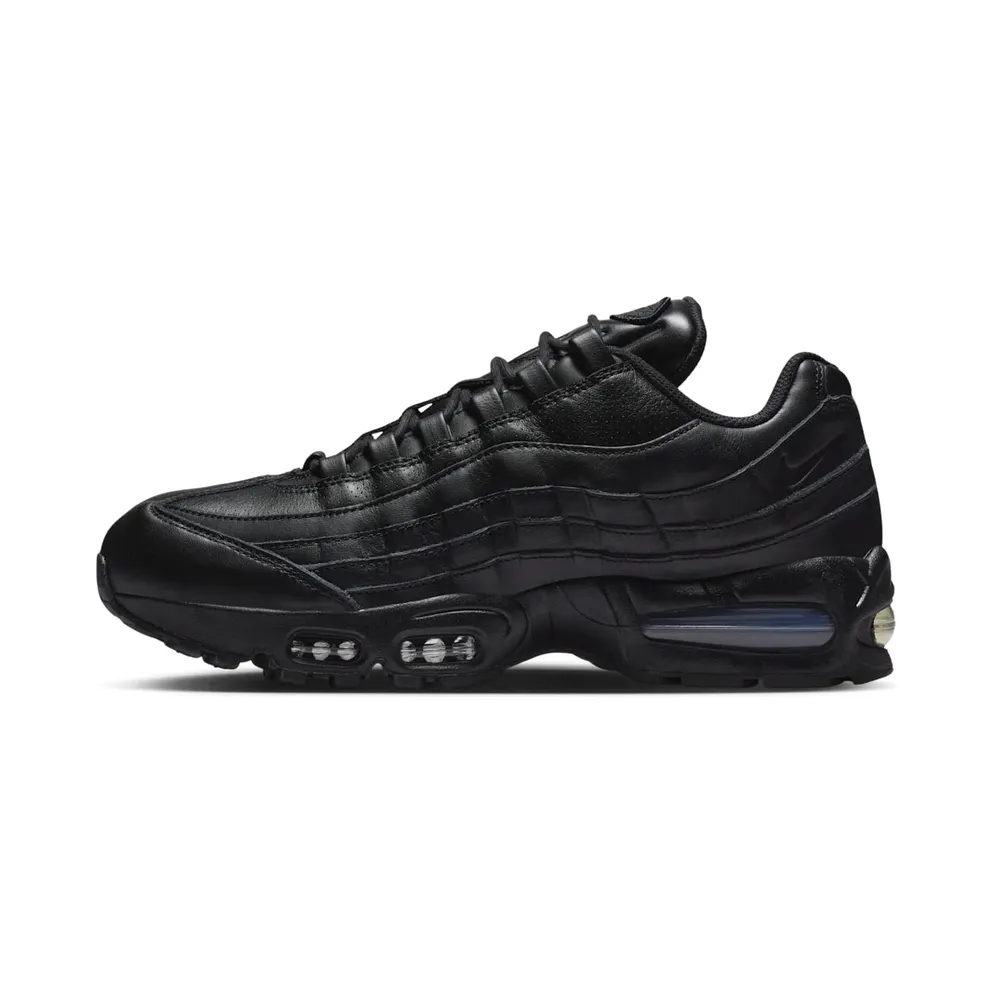
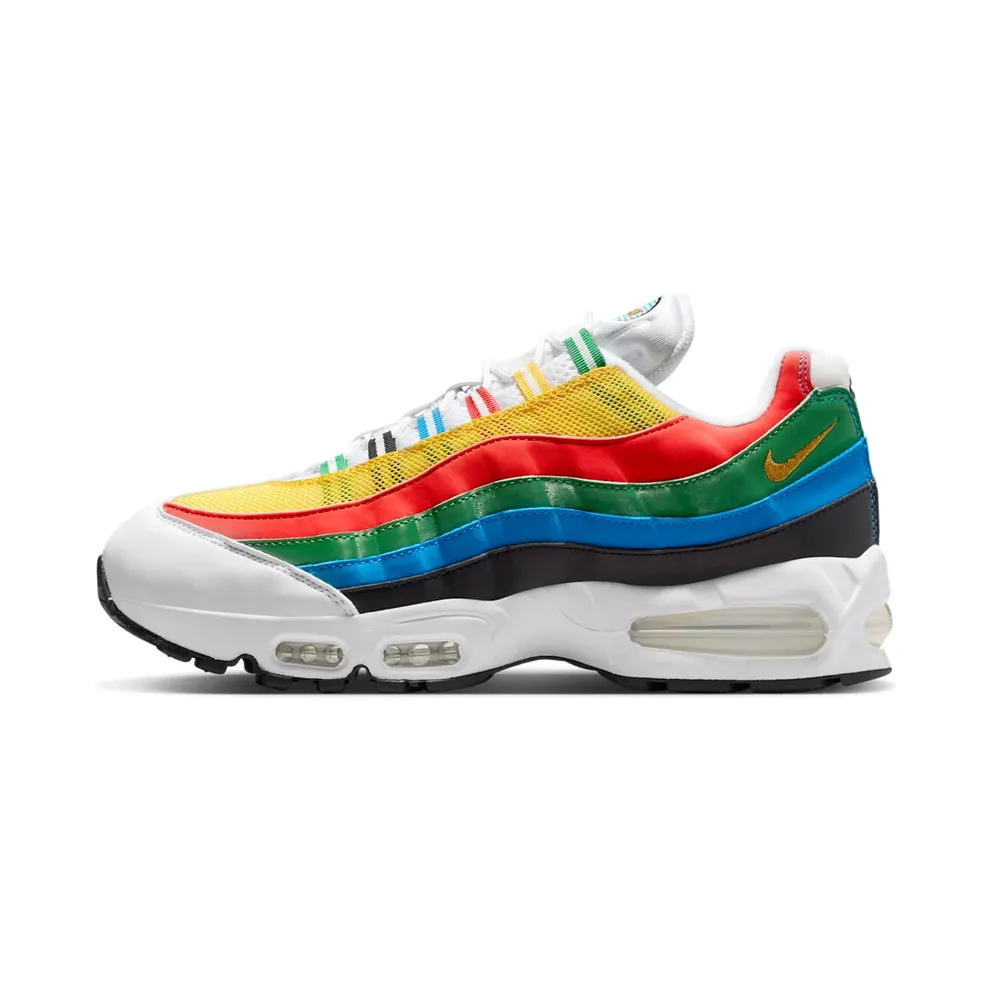
The model with the layered construction, the gradient and Air in the forefoot. The original version in shades of grey with neon yellow is still considered the reference and returns regularly. Within the line there are later branches that use the silhouette as a starting point: the Ultra with a lighter construction, Premium versions in different materials and the SE with altered detailing.
Nike Air Max 98 (1998)
Three years later he further developed the layered approach. The Air Max 98 has broader, smoother bands across the side and a larger Air unit, and sits in form language between the sharp 95 and the sleek 97. The model received less attention for a long time than its two neighbours, but is now seen as a full part of that series.
Sergio Lozano and the Air Max line
His work sits at the point where the Air Max line tipped from running shoe to street shoe. The models before it, such as the Air Max 1 and the Air Max 90, were clearly constructed as running shoes, with a light colour scheme and a recognisable panel layout. From the 95 onward the series became darker, heavier and more outspoken.
That shift is not only aesthetic. Because the 95 was mainly worn outside of sport, the design began to demand different qualities: resistance to dirt, comfort over long days, and an appearance that fits everyday clothing. The Air Max 97 by Christian Tresser built directly on that two years later.
Which Sergio Lozano gives off the strongest hype signal?
The Hypescore reads the signal strength of every Sergio Lozano colorway. Community votes, resale movement, search demand and scarcity together decide how much hype a sneaker gives off, expressed in GSv. On the left the strongest hype signals, on the right the colorways just being picked up and rising fast.
Strongest hype signal
- 1
 Nike Air Max 95 OG “Neon” (HM4740-001)ATOMICNike Air Max 95 · from $130 · 3 shops74GSv
 - 2Nike Air Max 95 “Medium Olive” (HJ5996-003)ATOMICNike Air Max 95 · from $99 · 3 shops72GSv
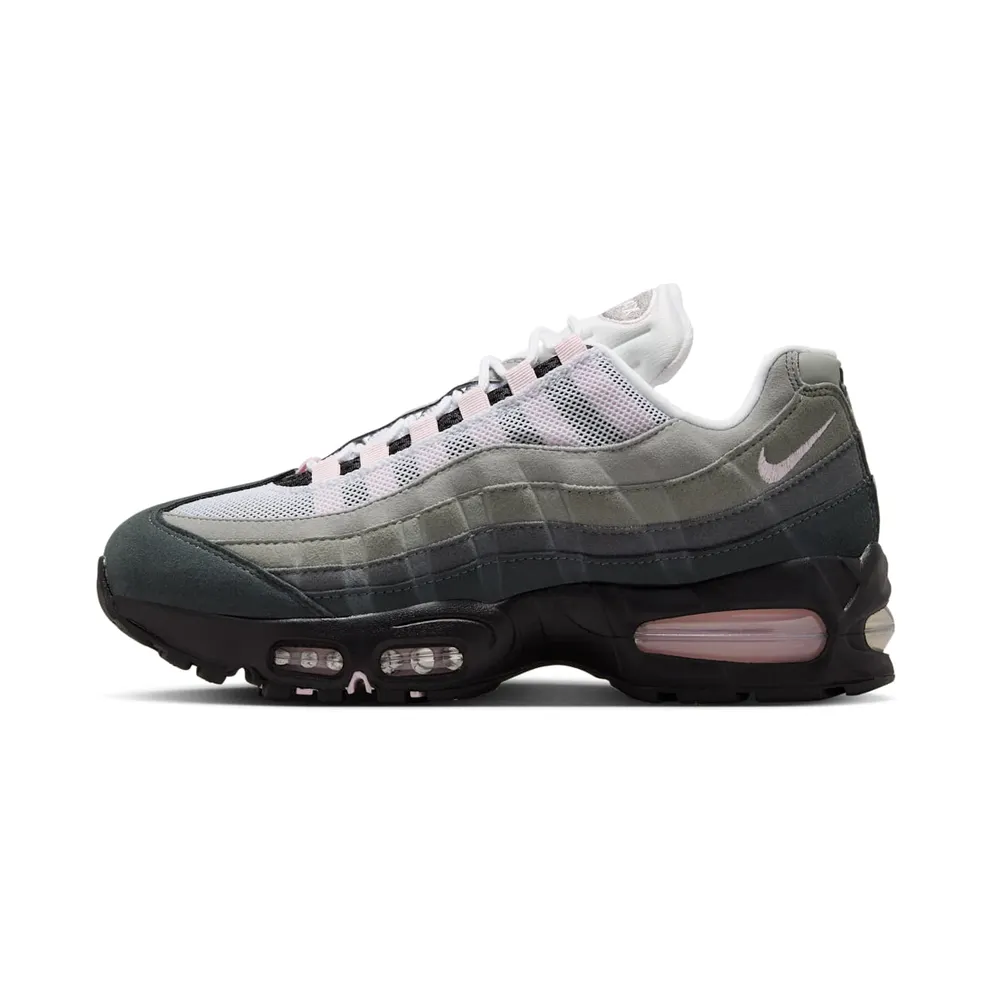
- 3Nike Air Max 95 “Pink Foam” (HJ5996-001)ATOMICNike Air Max 95 · from $190 · 3 shops71GSv
- 4Nike Air Max 95 “Grape” (HJ5996-100)RADIATINGNike Air Max 95 · from $105 · 5 shops64GSv
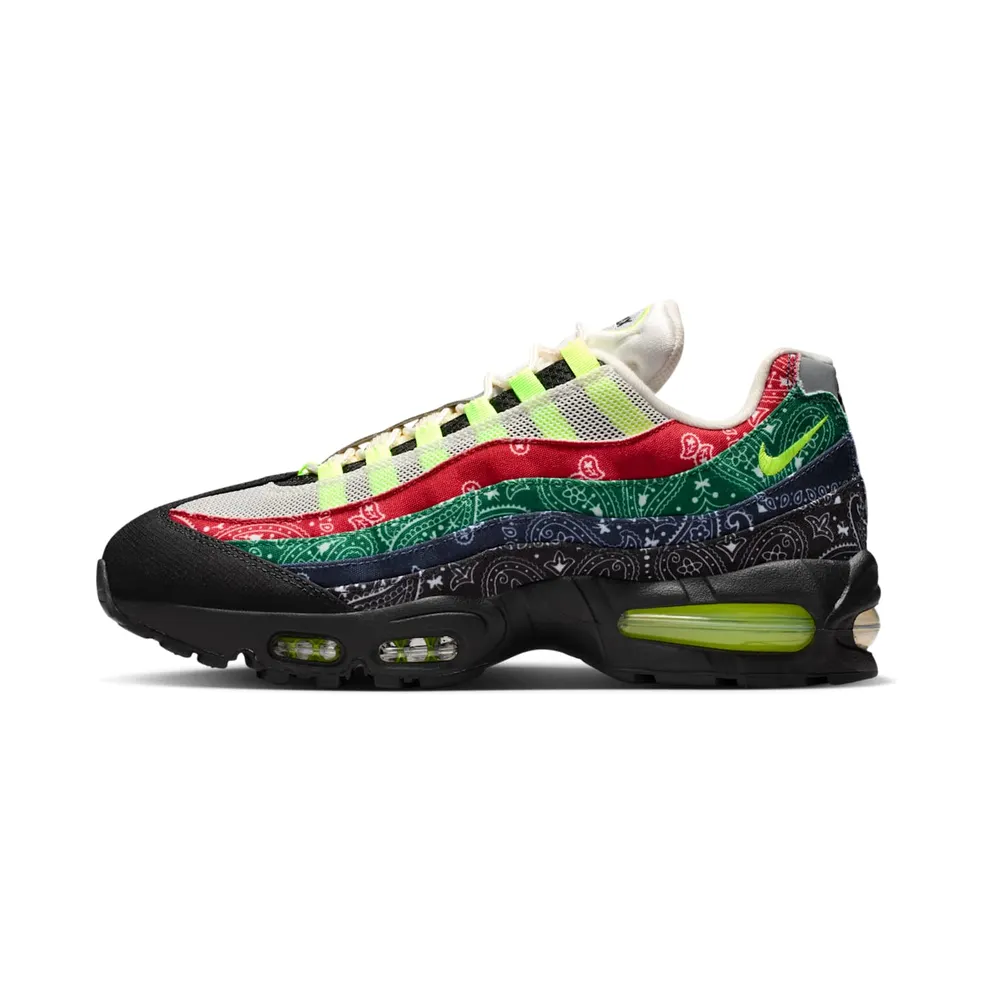
- 5Nike Air Max 95 “Paisley Bandana” (IQ0620-100)RADIATINGNike Air Max 95 · from $98 · 6 shops64GSv
Just in, rising
- 1Nike Air Max 95 Big Bubble OG “Mink Brown/Newsprint” (HM4740-200)CHARGINGNike Air Max 95 · from $128 · 3 shops43GSv
- 2Nike Air Max 95 – Lawson – “Lawson” (IR1944-400)CHARGINGNike Air Max 95 · from $130 · 8 shops46GSv
- 3Nike Air Max 95 Big Bubble Cargo Khaki Jewel Swoosh (IH1413-300)SEISMICNike Air Max 95 · from $117 · 3 shops53GSv
- 4Nike Air Max 95 “Neon (2026)” (IO9926-001)RADIATINGNike Air Max 95 · from $130 · 4 shops60GSv
- 5Nike Air Max 95 Big Bubble “Black Leather” (IM0696-001)SEISMICNike Air Max 95 · from $100 · 3 shops55GSv