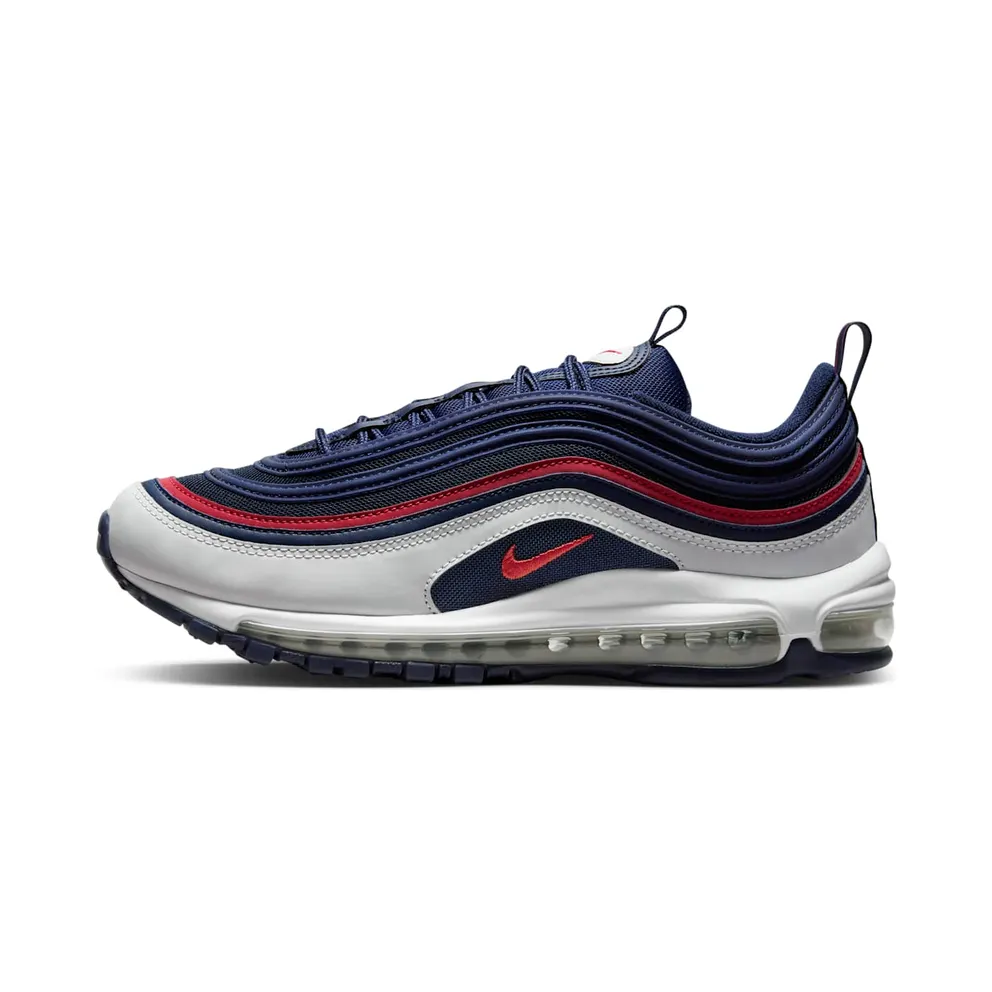
Christian Tresser: the designer of the Nike Air Max 97
The Nike Air Max 97 is the sneaker with which the Air Max line finally let go of its last restraint. No air unit in the heel or under the forefoot anymore, but a single continuous element from toe to heel — and above it an upper that wraps the foot in curved bands instead of in straight panels. Christian Tresser designed it in the mid-1990s, during a period when Nike encouraged its designers to stray far from the existing design language. On this page you can read who he is, what makes his design technically and culturally notable, and which versions emerged from it. Below the text you can compare prices, sizes and availability from multiple online stores for each model.
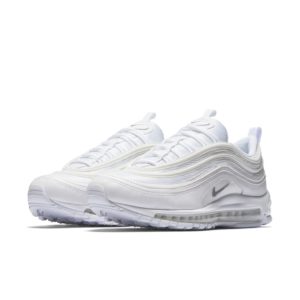
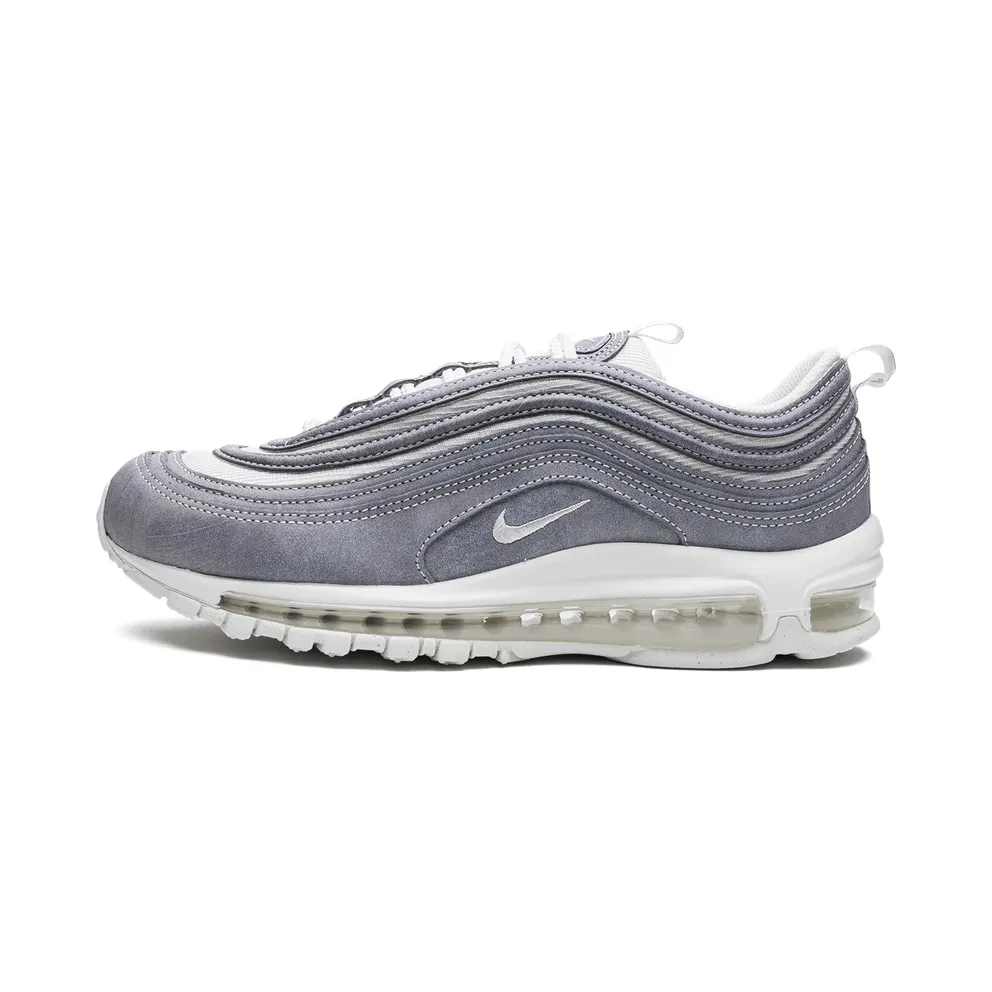
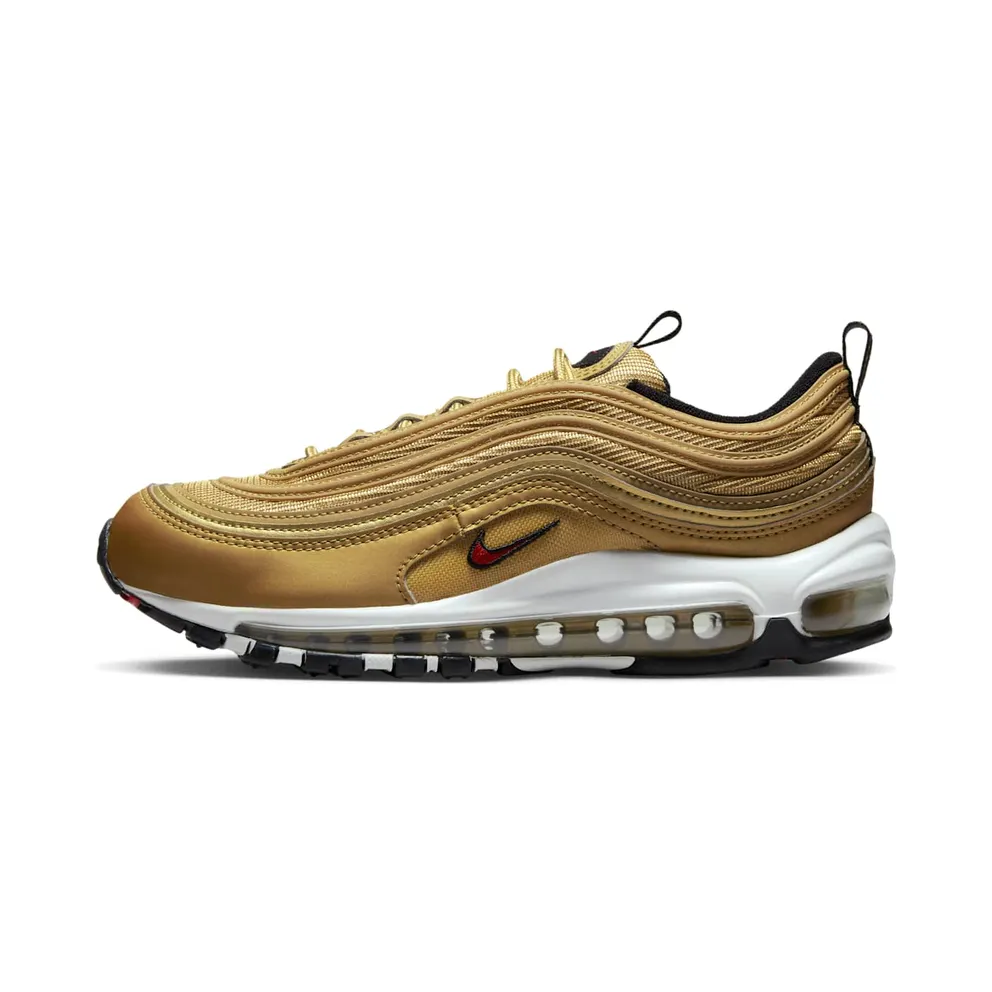
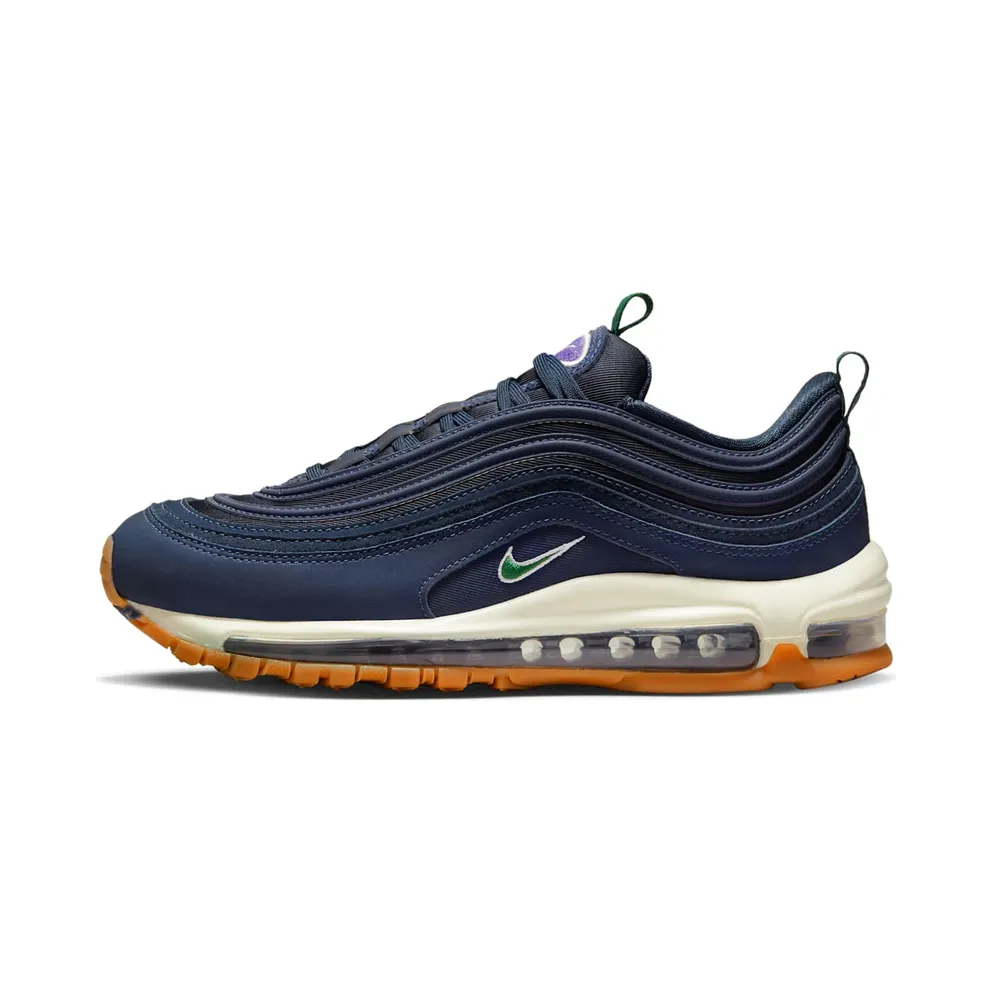
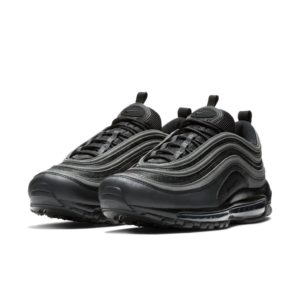
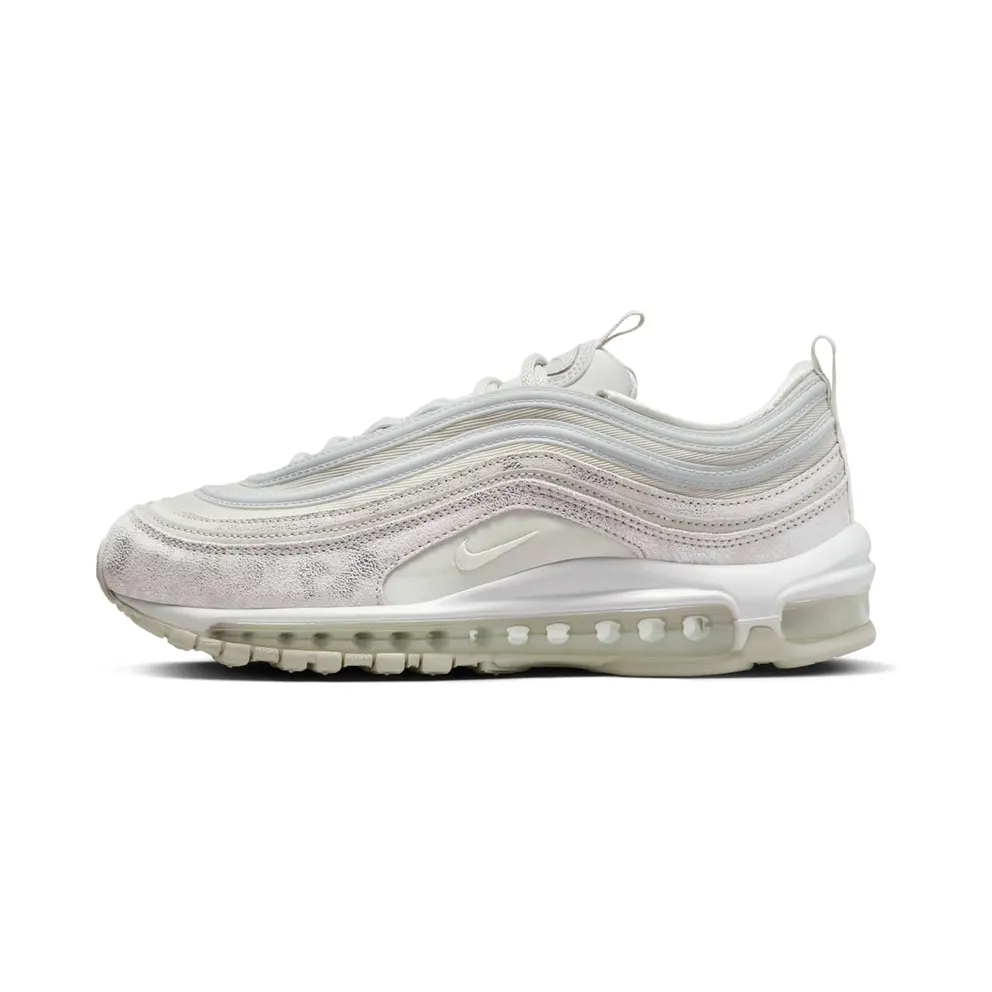
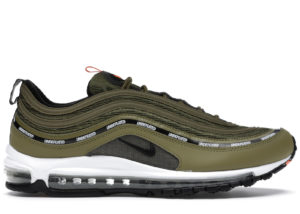
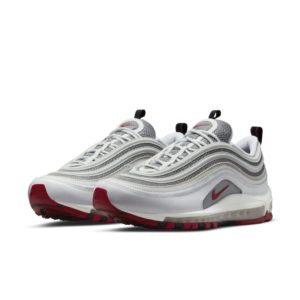
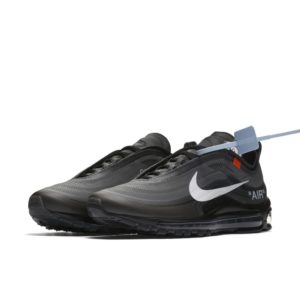
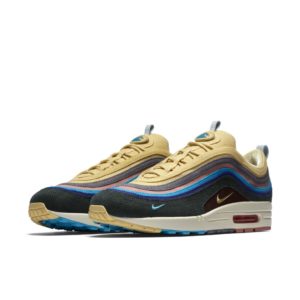
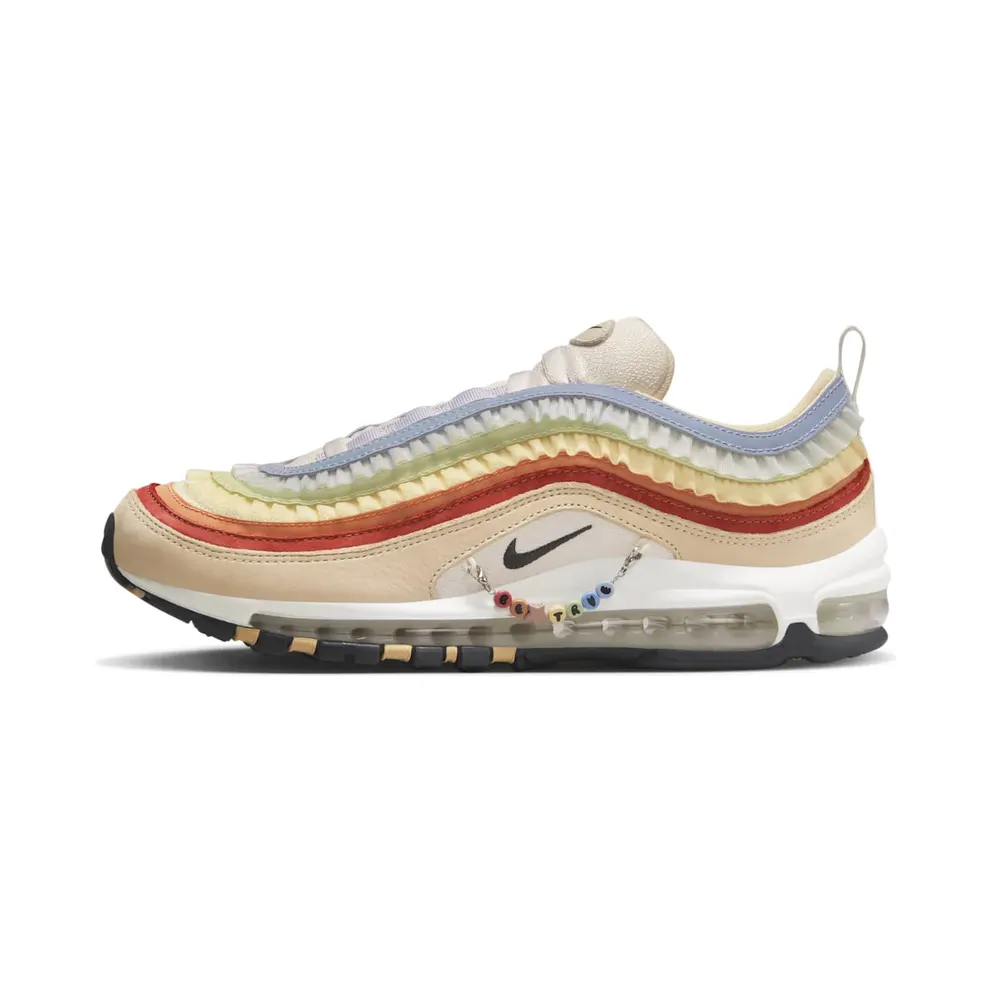
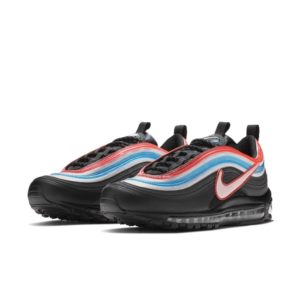

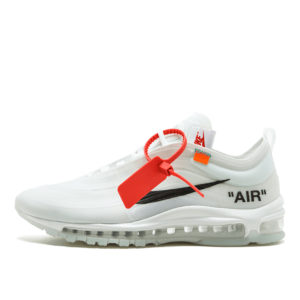
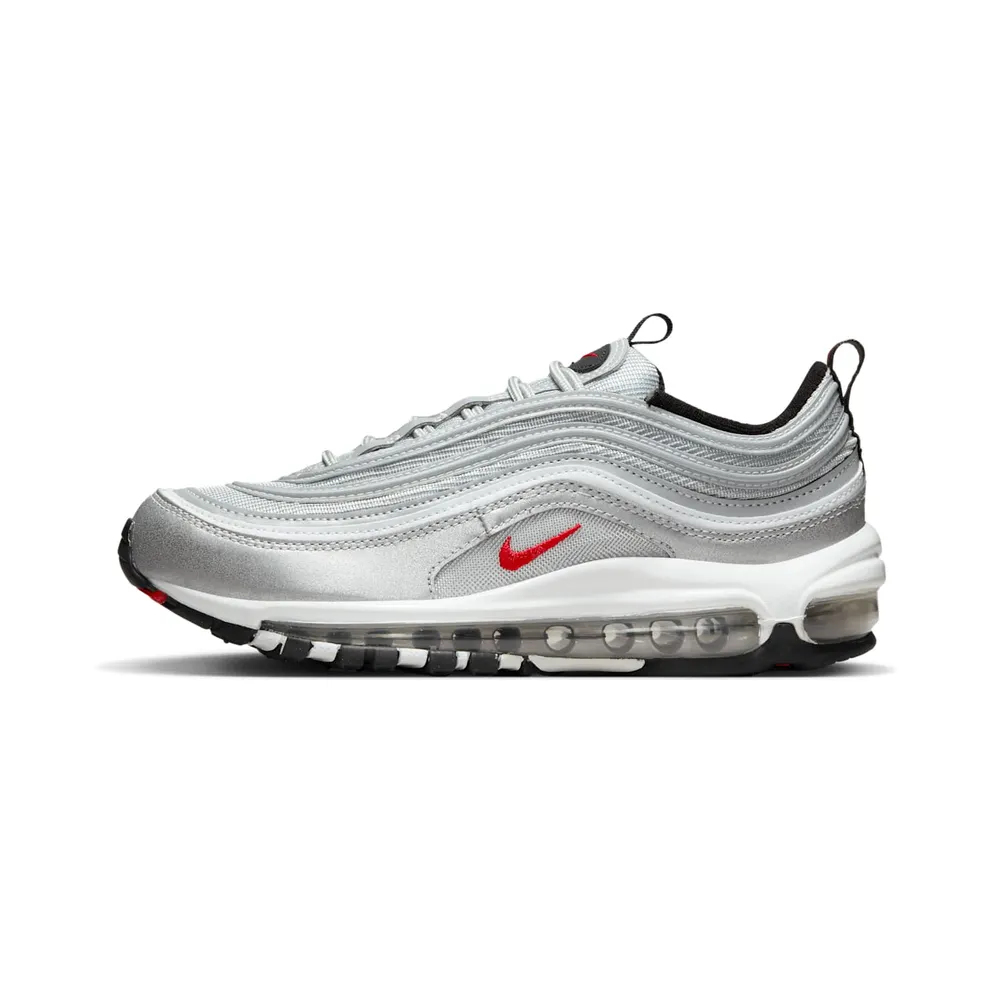
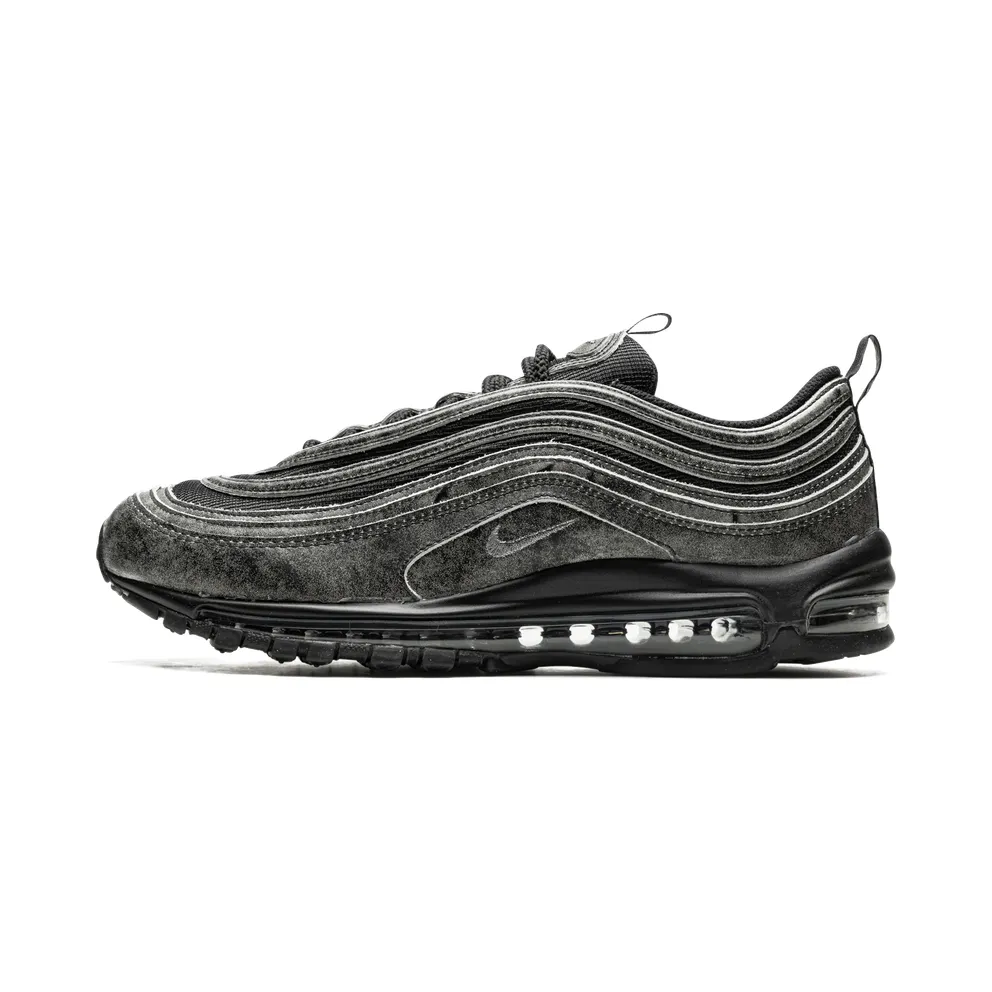
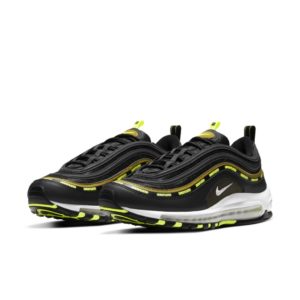
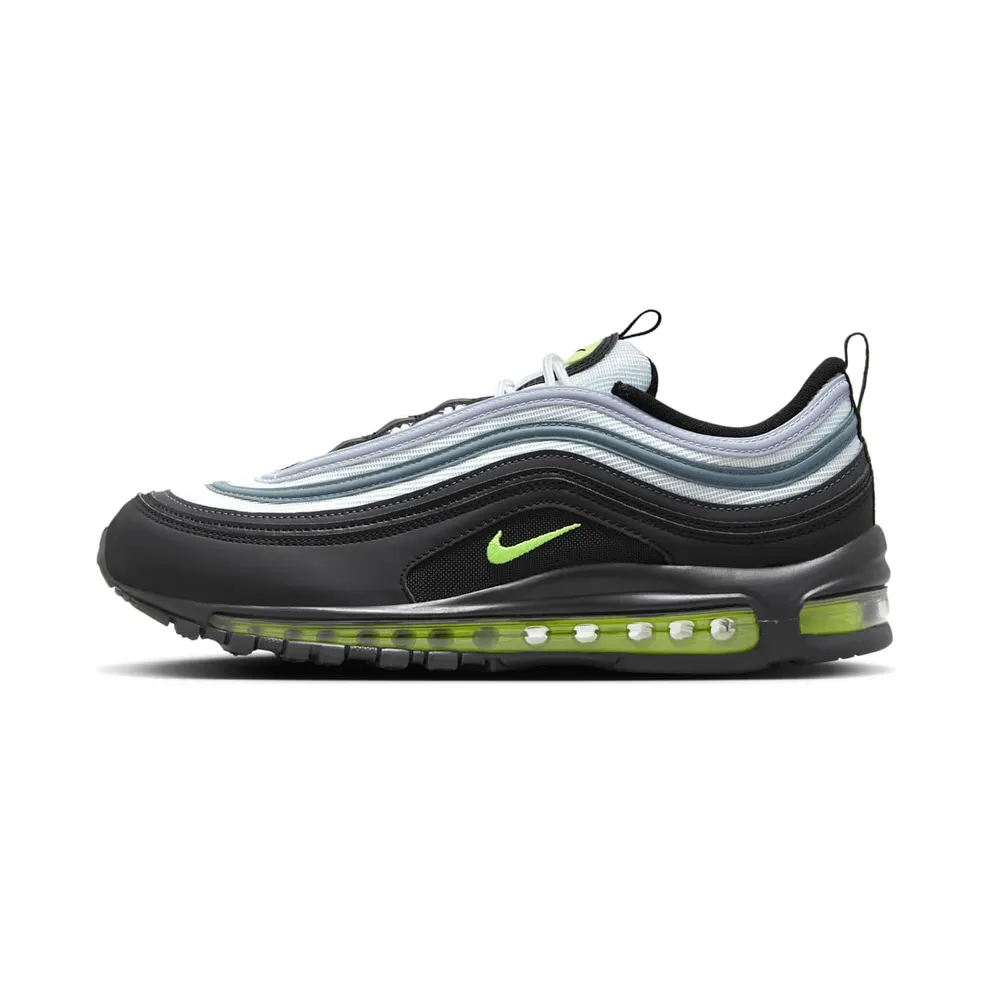
Who is Christian Tresser?
Tresser worked in the 1990s as a designer at Nike, on the team that worked on the Air Max line. At that time it was the brand's most-watched line: since Tinker Hatfield had made the air unit visible in 1987, every new Air Max was a statement about how far you could push visible technology.
His assignment was the next step. Where previous models had progressively larger windows in the sole, he went to the logical end point: an air unit that runs the full length of the sole. That required not only a different sole, but also a different upper, because a shoe with a single continuous line on the bottom can’t tolerate a boxy upper.
Why his design changed the sneaker world
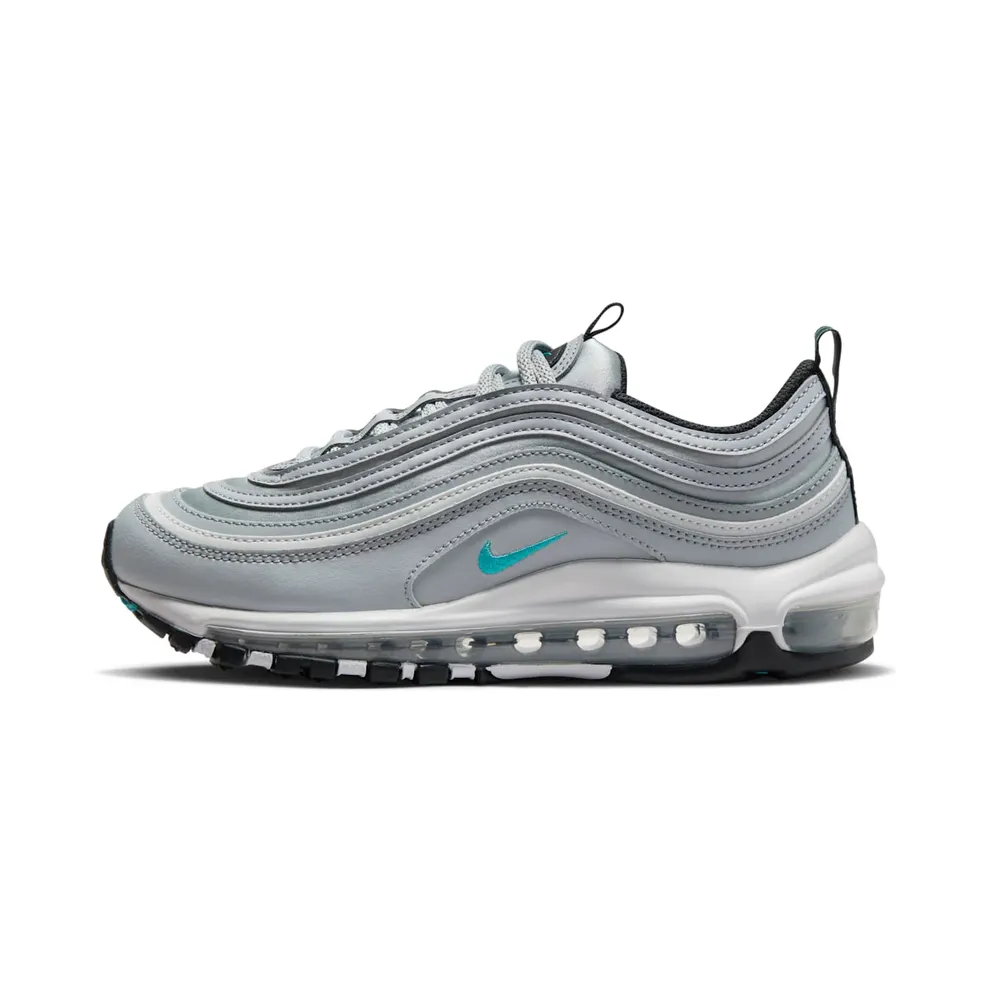
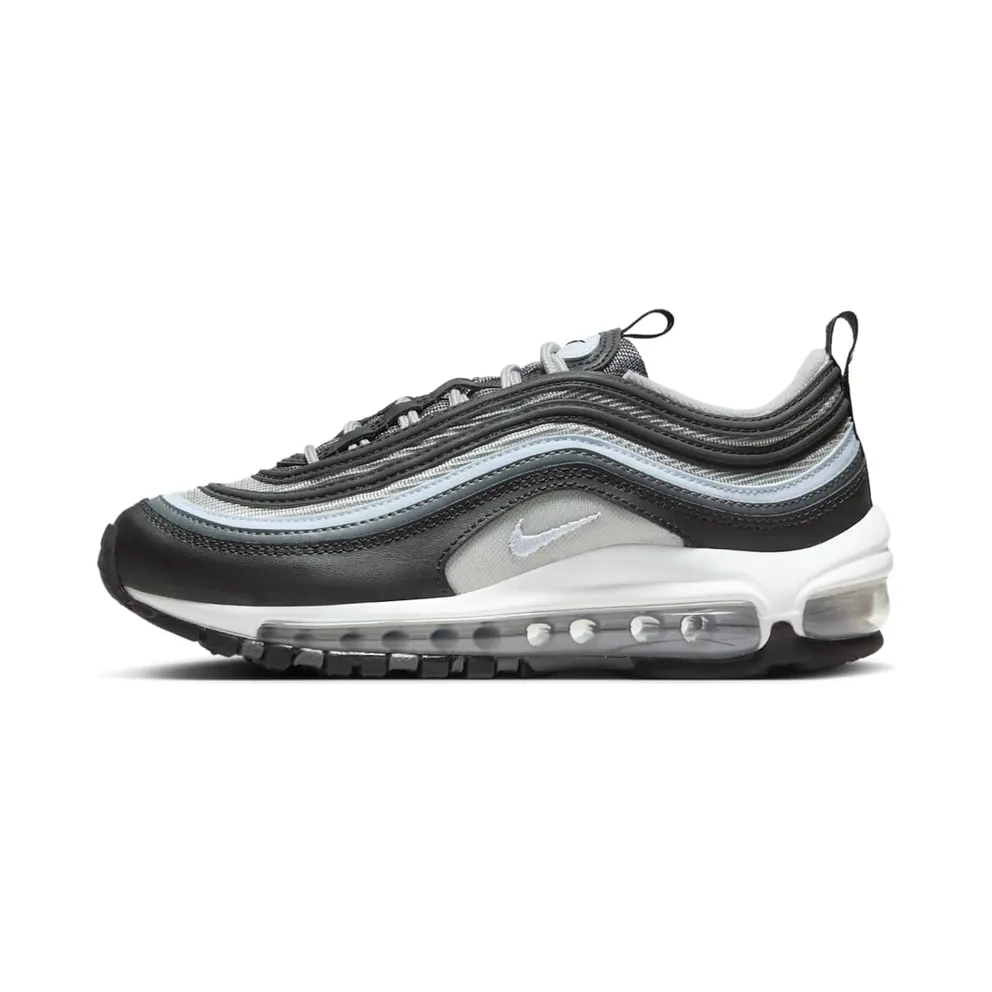
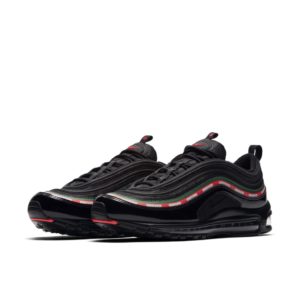
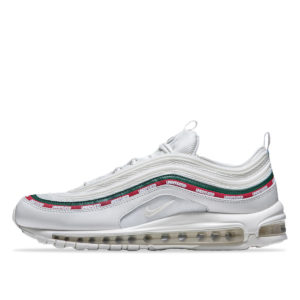
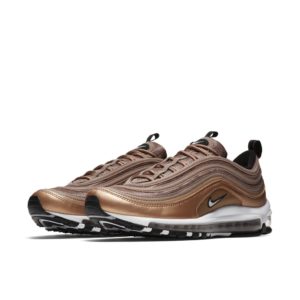
The visual language of the Air Max 97 comes from a different angle than usual. The layered, overlapping bands on the side are inspired by movement and speed, and the model is often associated with high-speed trains and with the ripples that form when you throw a stone into water. More important than the exact source is the effect: there isn’t a single straight, hard panel edge on the shoe.
Technically, full-length Air was the breakthrough. Earlier models combined an air unit with regular foam; here the element runs from heel to toe, which gives a more even roll. The window in the sole makes that visible along the entire length, giving the shoe its characteristic, almost translucent underside.
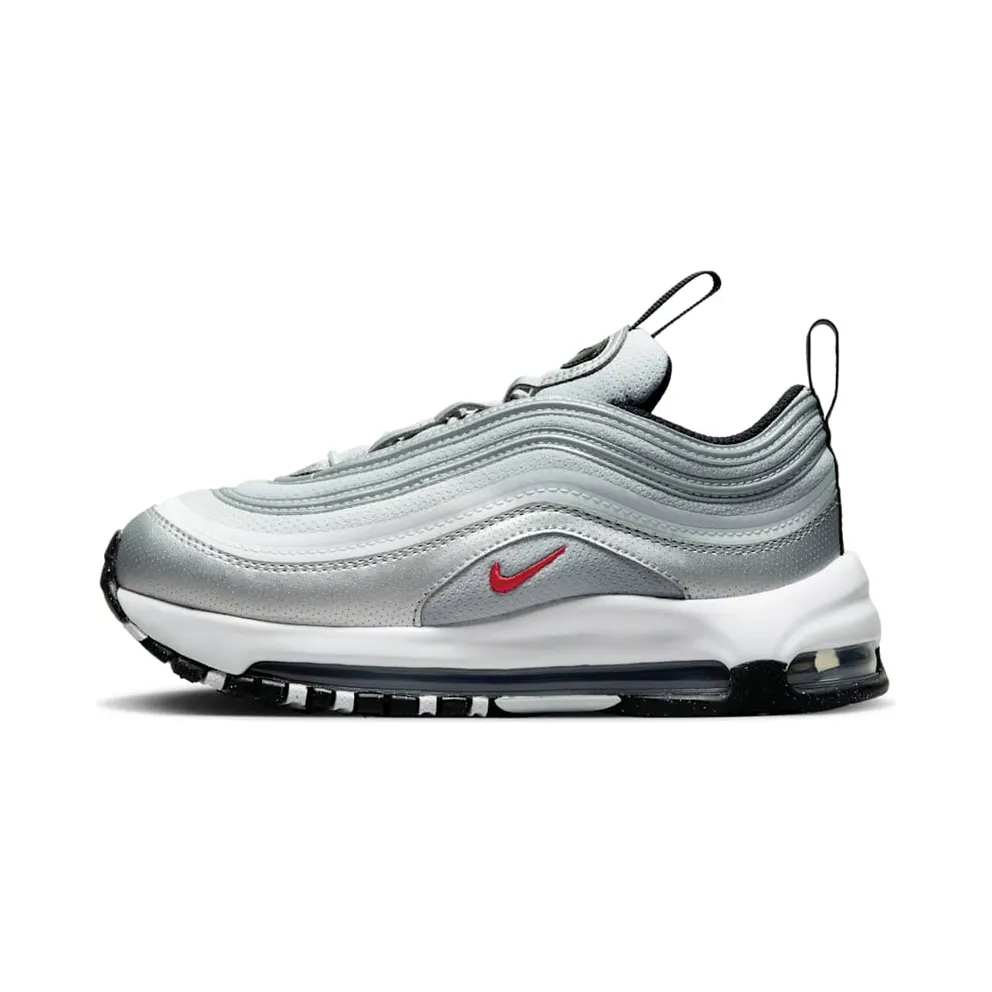
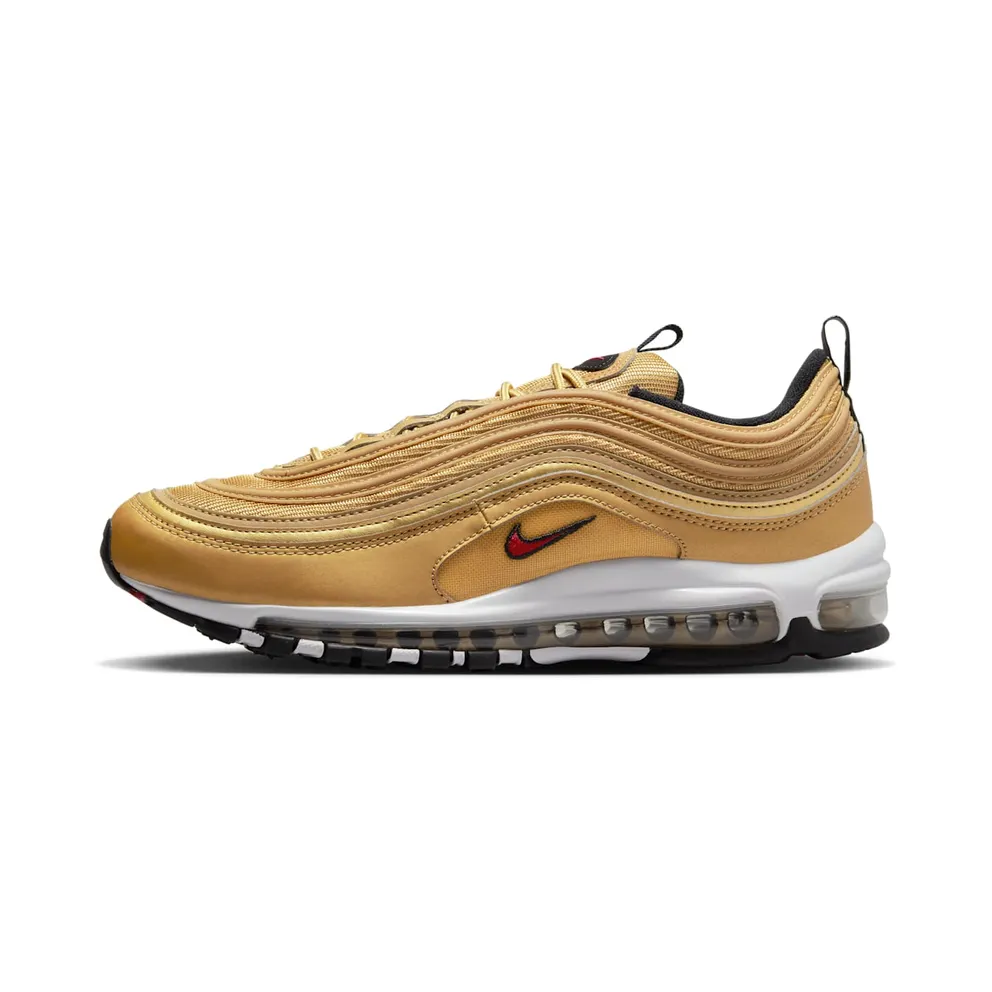
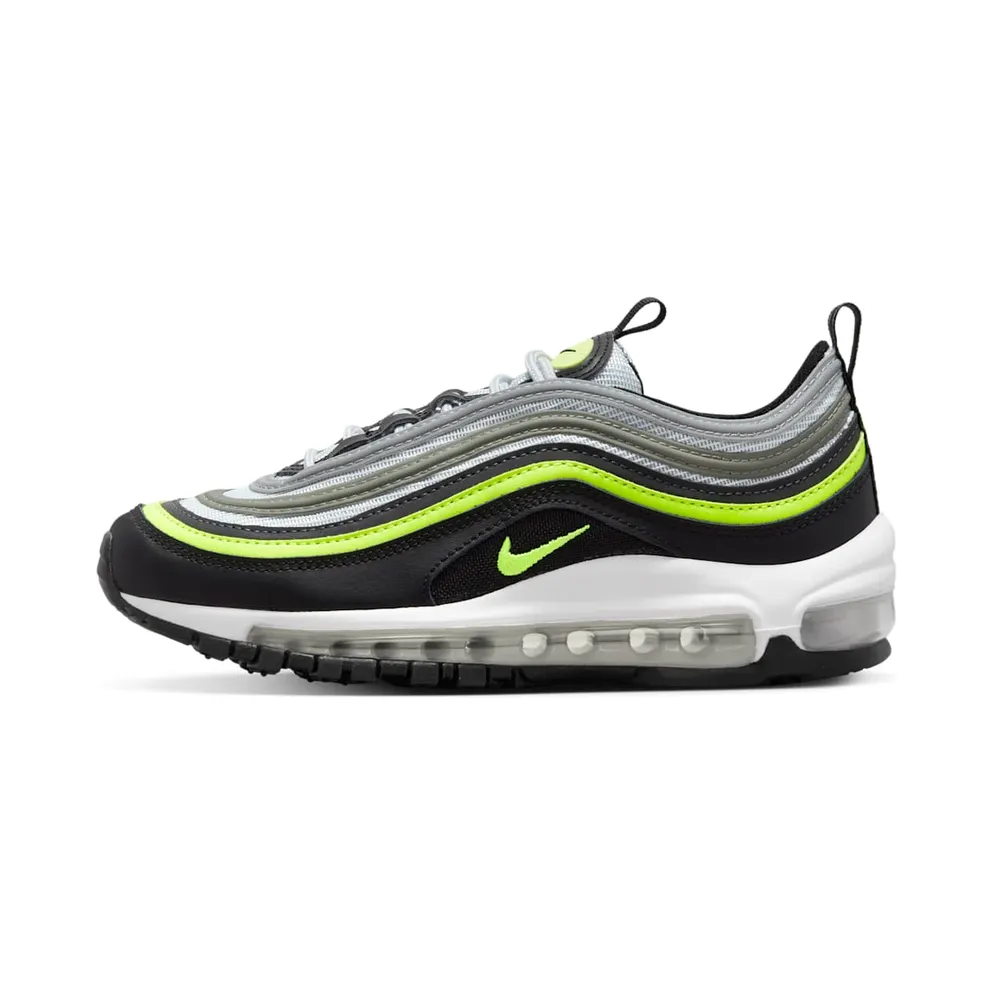
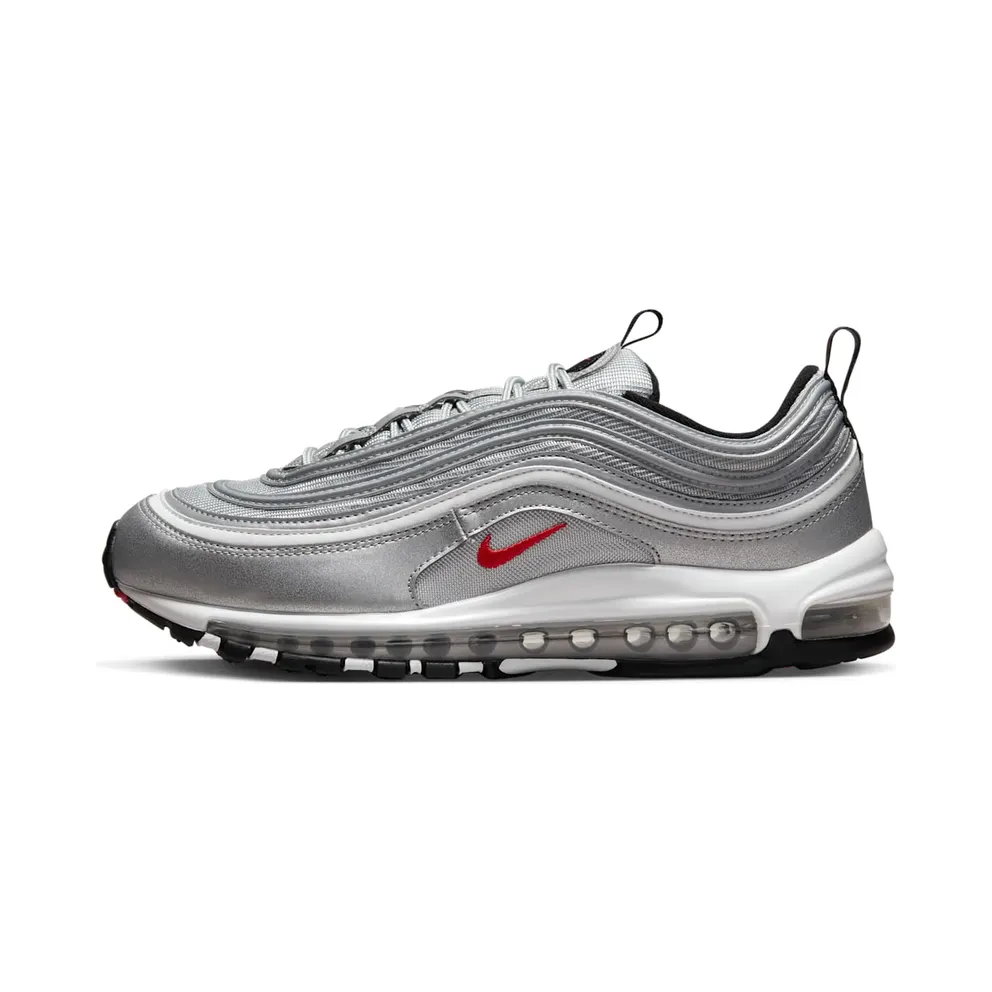
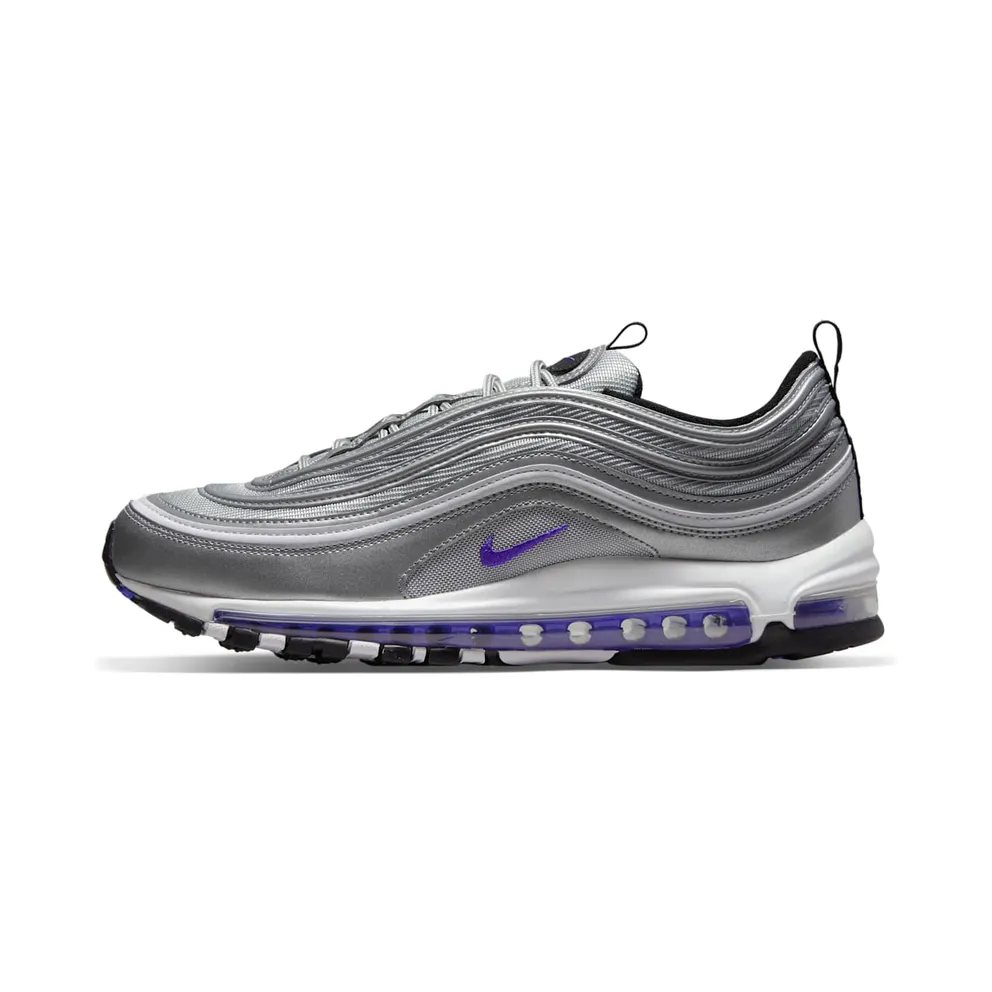
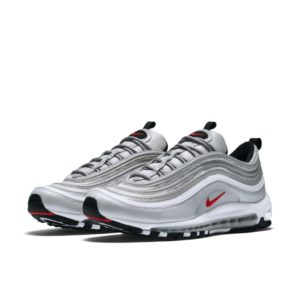
The third element is the finish. The first version was entirely silver, with reflective details — a color that until then had hardly appeared in the sneaker world. That made the model instantly recognizable and gave it a technical, almost mechanical appearance that suited what was underneath.
Christian Tresser's best-known sneaker
Nike Air Max 97 (1997)
The model that introduced full-length Air and that in Europe found a second life it never had in the United States. In Italy the Air Max 97 became a status symbol among young people in the 1990s, and that European following kept the model in production for decades. The original silver version is still considered the reference.
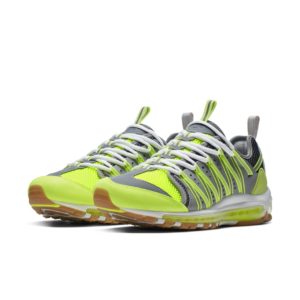
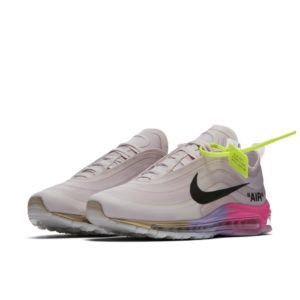
Within the line various branches later emerged, which take Tresser’s silhouette as a starting point but were made by other design teams: the Ultra with a lighter construction, the Plus that puts the Air Max Plus upper on the 97 sole, and Premium versions with different materials.
Christian Tresser and the Air Max line
His design sits at a hinge point in the series. The Air Max models before it were built from clearly separate parts: a toe cap, a mid panel, a heel counter. From the 97 onward the upper was treated as one continuous whole, an approach you later see in many Nike models.
At the same time, the model is the end point of an idea. Once the air unit had been made visible along the full length, there was little more to gain in that direction; later Air Max models went for larger volumes or for different technologies. That makes the 97 an exclamation point in the series rather than a stepping stone. Those who want to compare the family can look at the Air Max 95 and the Air Max 1 to see how differently the earlier generations were constructed. The 95 is by Sergio Lozano, who two years earlier had already made an air unit in the forefoot visible.
Which Christian Tresser gives off the strongest hype signal?
The Hypescore reads the signal strength of every Christian Tresser colorway. Community votes, resale movement, search demand and scarcity together decide how much hype a sneaker gives off, expressed in GSv. On the left the strongest hype signals, on the right the colorways just being picked up and rising fast.
Strongest hype signal
- 1
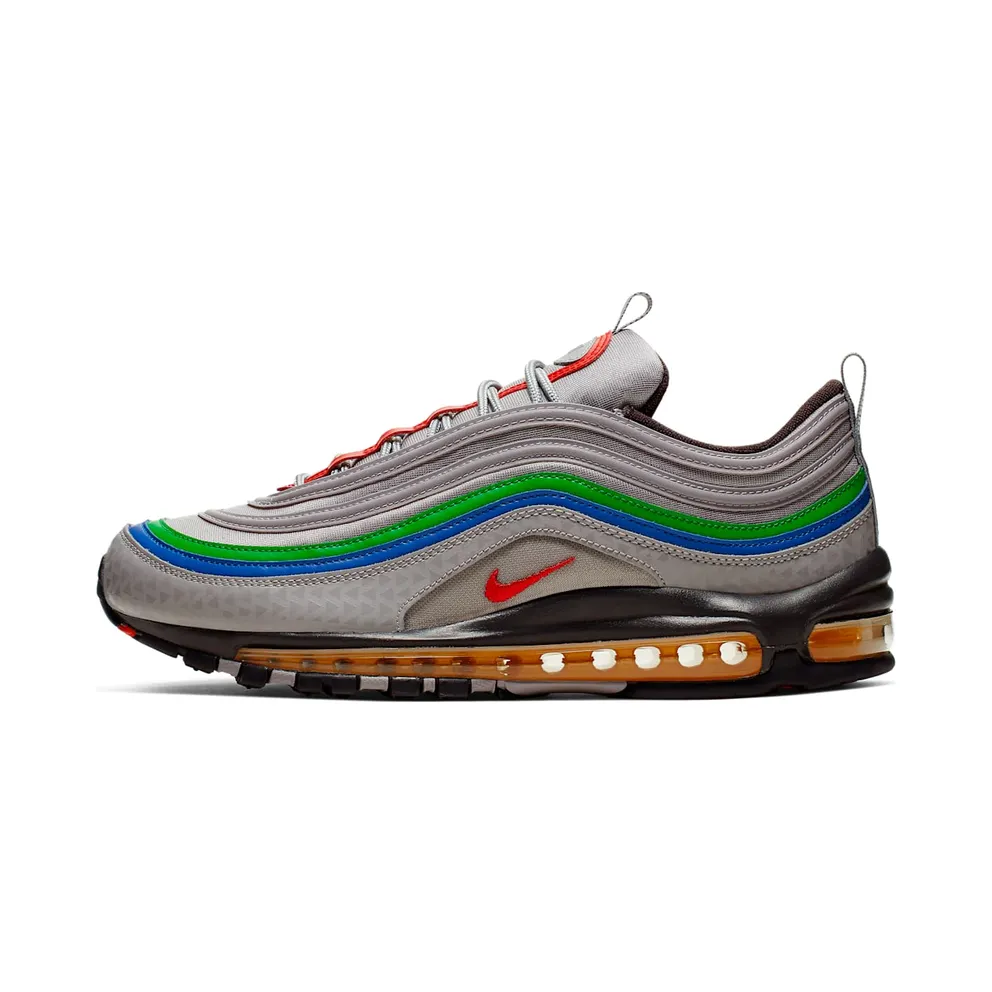
 Nike Air Max 97 ‘Nintendo 64’ (2019) (CI5012-001)ATOMICNike Air Max 97 · from €211 · 4 shops80GSv
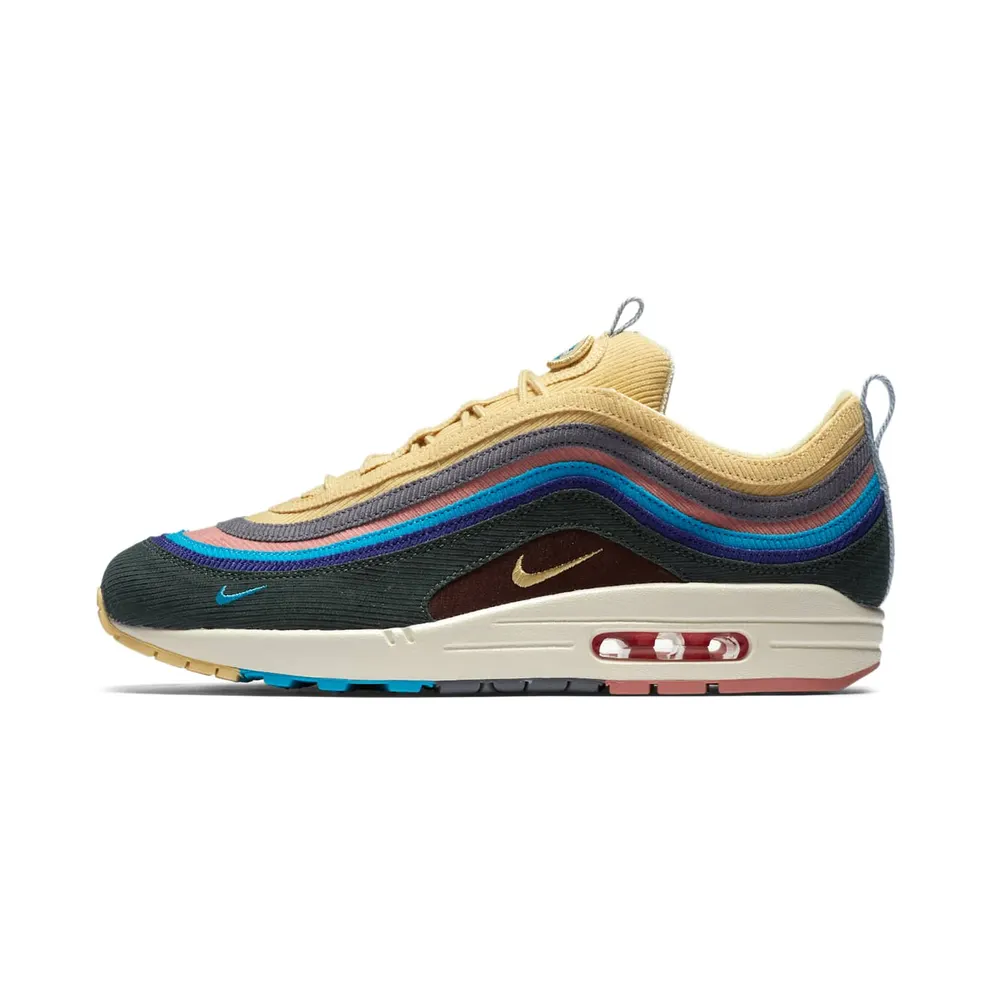
 - 2Nike x Sean Wotherspoon Air Max 97/1 (AJ4219-400)ATOMICNike Air Max 97 · from €757 · 7 shops75GSv
- 3Nike Air Max 97 OG “Gold Bullet 2023” (DM0028-700)ATOMICNike Air Max 97 · from €105 · 11 shops74GSv
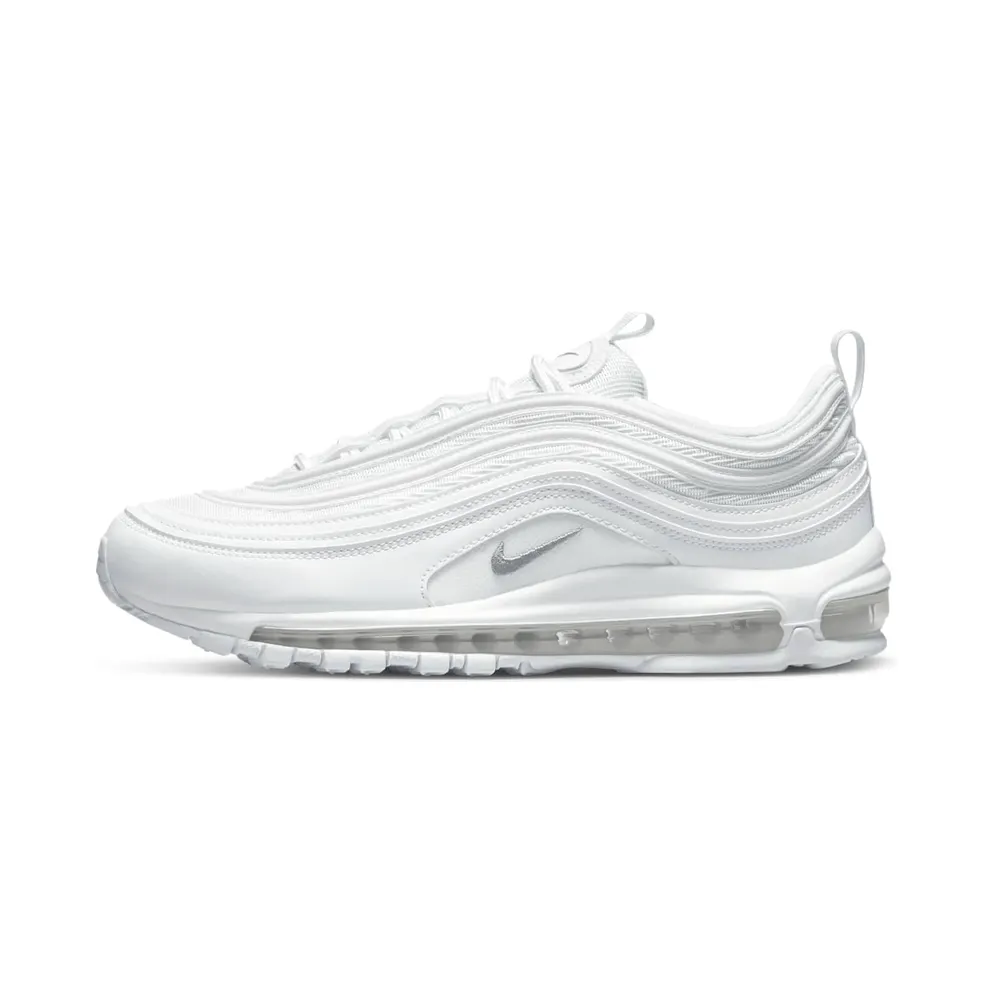
- 4Nike Air Max 97 White/Wolf Grey (921826-101)ATOMICNike Air Max 97 · from €57 · 10 shops73GSv
- 5Nike AIR MAX 97 OG MNS “Silver Bullet” (DM0028-002)ATOMICNike Air Max 97 · from €242 · 8 shops71GSv
Just in, rising
- 1Nike Air Max 97 QS Silver Bullet (2023) (FB2963-001)CHARGINGNike Air Max 97 QS · from €109 · 3 shops43GSv
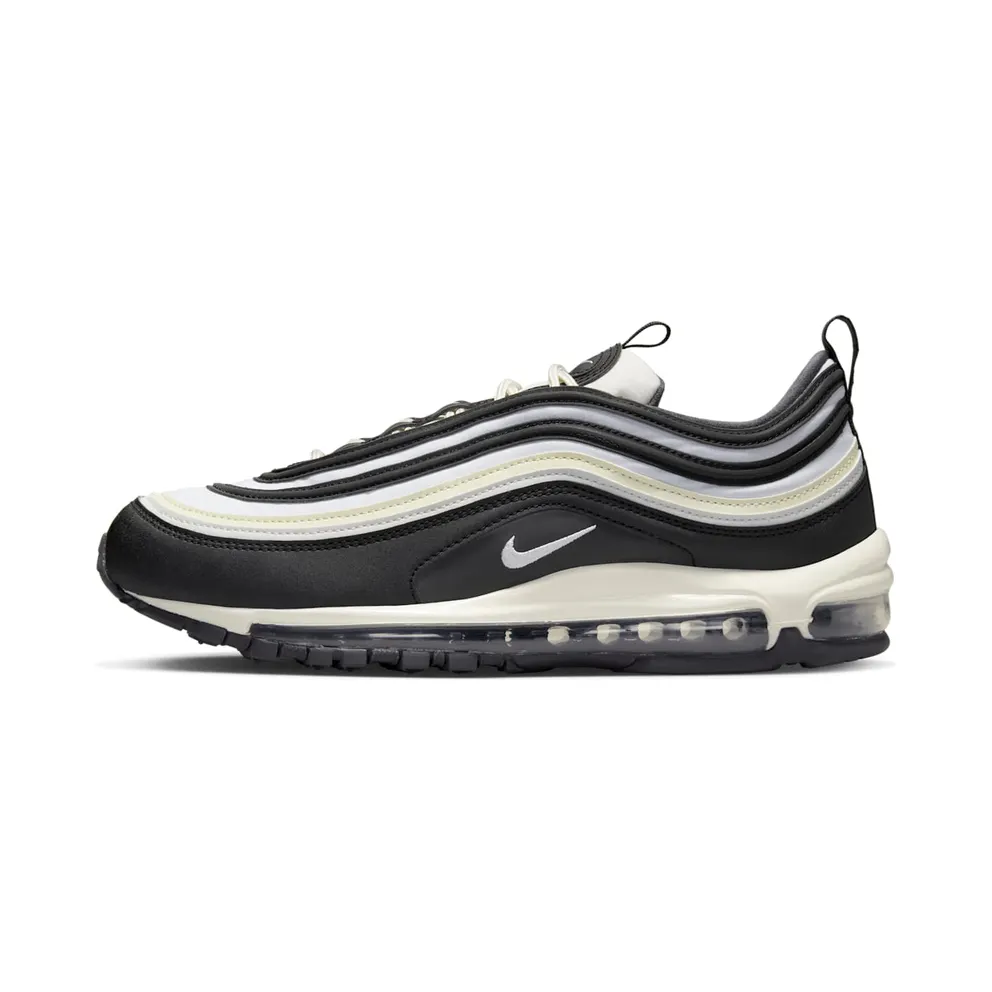
- 2Nike Air Max 97 Black Phantom Coconut Milk (DX0754-001)CHARGINGNike Air Max 97 · from €94 · 3 shops41GSv
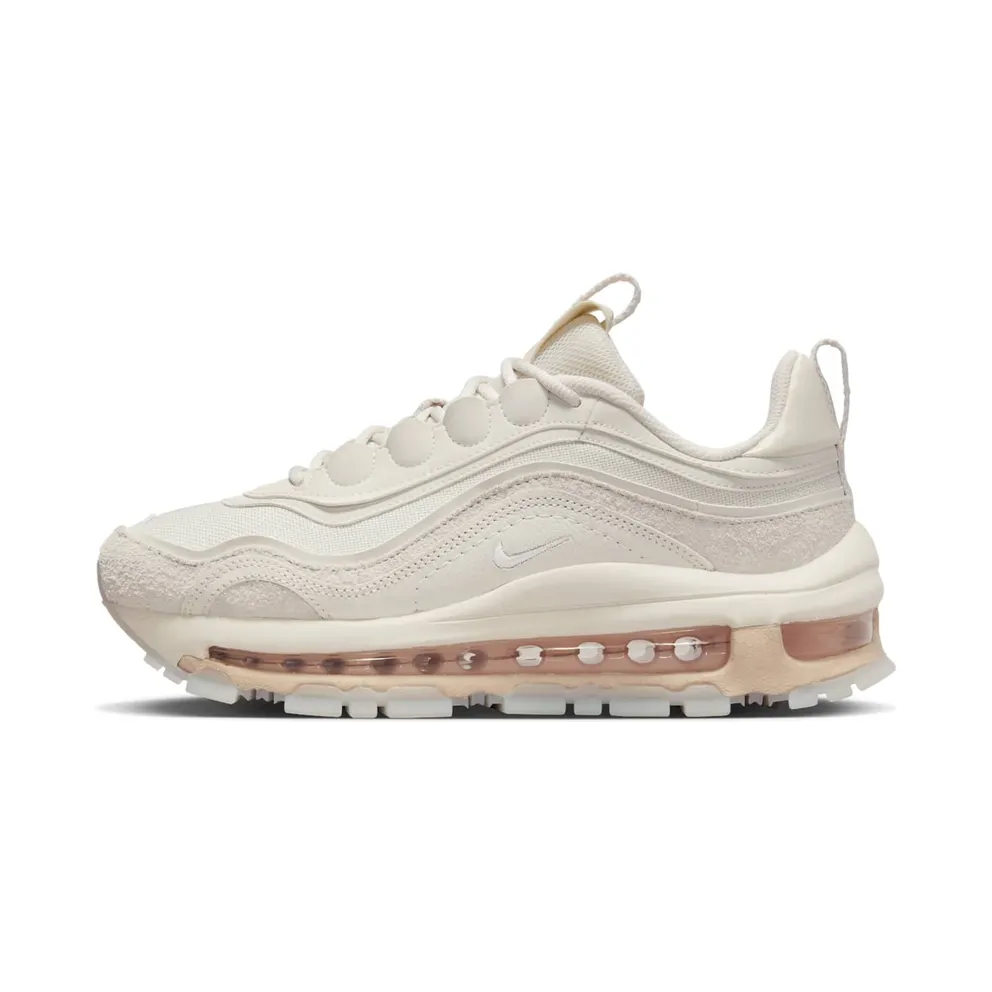
- 3Nike Air Max 97 Futura Pale Ivory (FB4496-001)RADIATINGNike Air Max 97 · from €162 · 3 shops59GSv
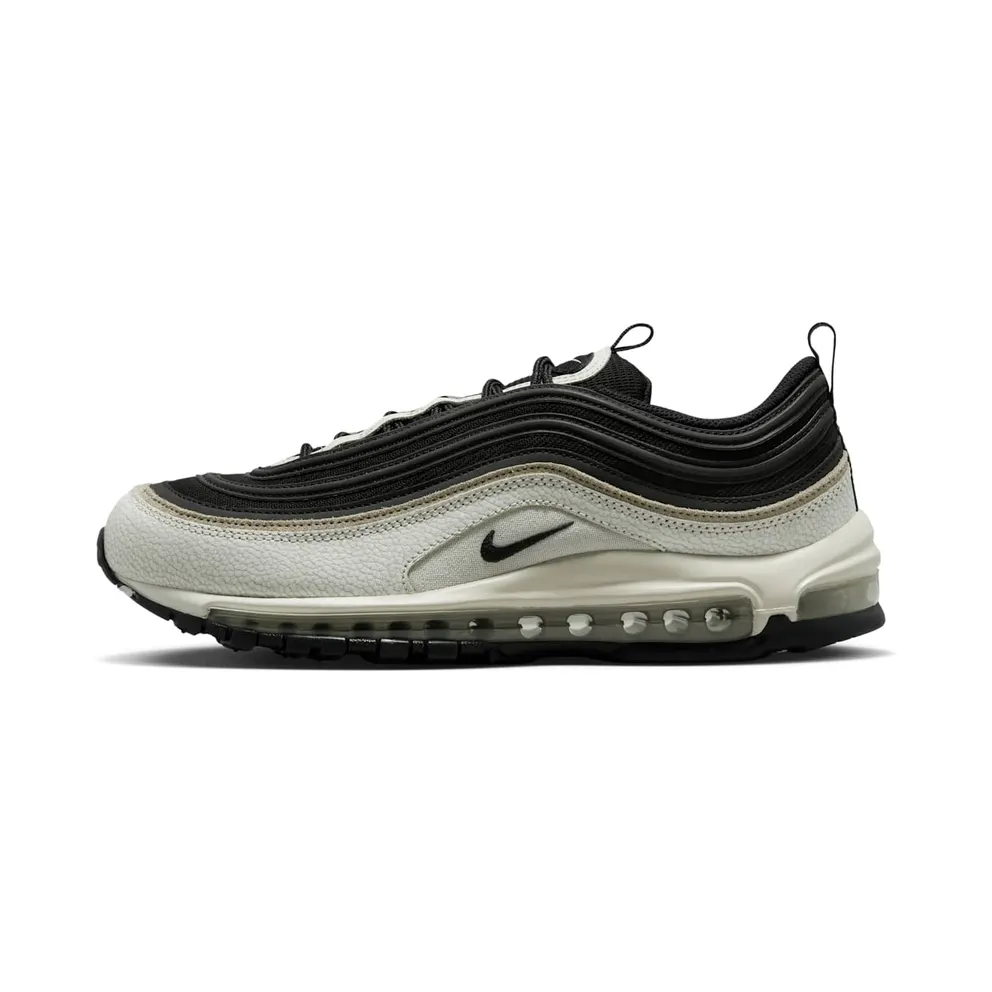
- 4Nike Air Max 97 Light Bone Khaki Black (DV7421-002)RADIATINGNike Air Max 97 · from €116 · 3 shops58GSv
- 5Nike Air Max 97 USA Obsidian (921826-405)SEISMICNike Air Max 97 · from €128 · 3 shops52GSv