

Nike Air Zoom Pegasus 32 Sneaker
The Nike Air Zoom Pegasus 32 remains a reliable all-rounder for everyday miles and faster paces. The lightweight mesh upper is breathable, while Flywire cables keep your foot securely in place. The visible Zoom Air unit in the forefoot provides immediate responsiveness with every push-off. Neutral road runners appreciate the predictable cushioning and stable heel platform. Not the flashiest sneaker, but one that delivers on its promise: fast, smooth and durable enough for many training runs. Perfect if you’re looking for comfort and feedback without the fuss. Take your time scrolling down and check out the available pairs.

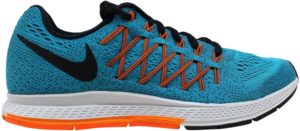
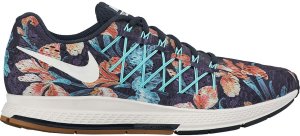
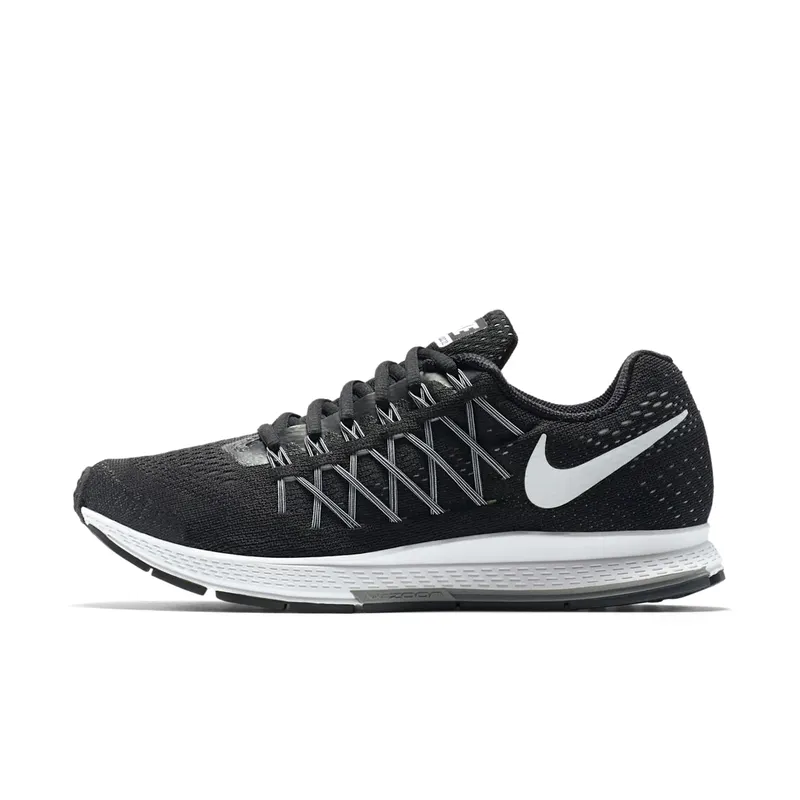
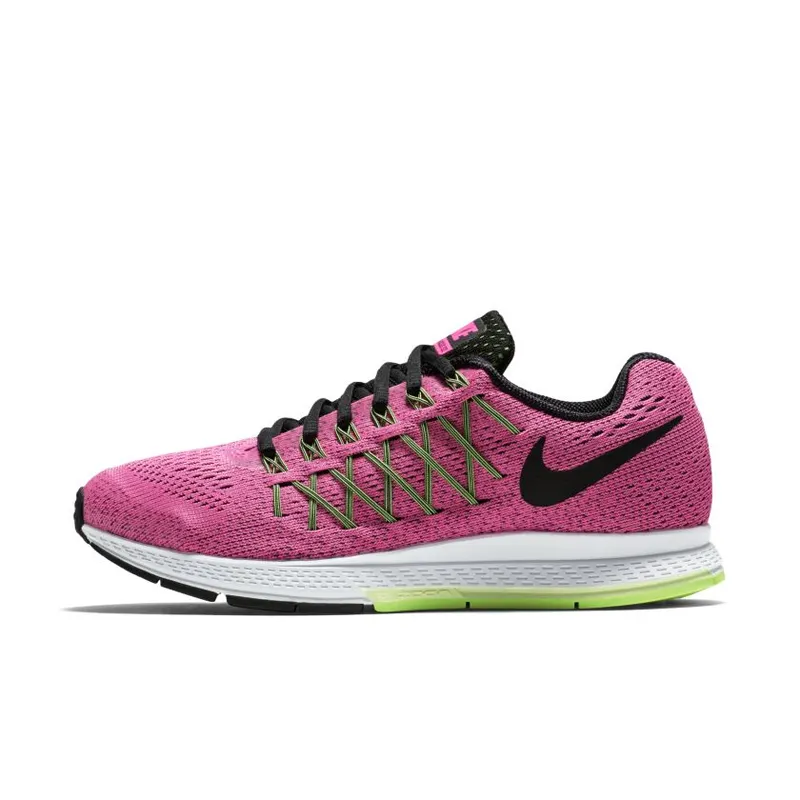
Which Nike Air Zoom Pegasus 32 gives off the strongest hype signal?
The Hypescore reads the signal strength of every Nike Air Zoom Pegasus 32 colorway. Community votes, resale movement, search demand and scarcity together decide how much hype a sneaker gives off, expressed in GSv. On the left the strongest hype signals, on the right the colorways just being picked up and rising fast.
About Nike Air Zoom Pegasus 32
Nike took a reliable running classic and made it sharper, lighter and immediately usable for daily training and fast paces. The Nike Air Zoom Pegasus 32 arrived as a refined iteration in the long Pegasus line and offered crisp cushioning and a considered fit for many runners. The original appeared in 1983, designed by Nike’s running design team and named after the mythological winged horse as a symbol of speed and lightness. The original philosophy focused on all-around performance, not a single race discipline. Designers aimed for a shoe that could swallow miles for both beginners and seasoned runners. Cushioning: responsive Zoom Air unit in the forefoot delivers immediate rebound at toe-off. Midsole: lightweight, resilient midsole works with the Zoom unit for consistent cushioning every step. Upper: engineered mesh breathes well and minimizes seams to reduce hot spots on long runs. Support: integrated Flywire cables provide targeted midfoot support without added bulk. Outsole: rubber with waffle-like lugs offers grip on asphalt and distributes wear more evenly. Fit: neutral fit supports a natural roll-off and suits most foot shapes well. Heel: lightly rounded heel guides the transition from landing to push-off with minimal hindrance. Weight: developed to feel light without compromising durability. Durability: wear zones on the outsole keep the shoe usable longer in daily wear. Construction: few seams and strategic overlays reduce hot spots and improve comfort. The combination of a responsive Air unit and a resilient midsole gives a direct feel with every step. You notice the Zoom unit especially at toe-off, when the sole springs back quickly. The upper balances ventilation and support, with increased breathability in the forefoot. Flywire cables tighten around the midfoot when laced, securing the midfoot package around your foot. If you run tempo sessions often, this shoe offers enough responsiveness for short fast efforts. Also use it as a daily trainer for mid-distance runs up to fifteen, twenty kilometers. They are not speed demons, but they give you just enough feedback to run efficiently. The outsole distributes impact well and retains grip, even in changing weather conditions. On wet asphalt the traction changes, but the waffle structure maintains confidence in your stride. The model targets neutral runners; people with pronounced overpronation should look for stability options elsewhere. Many runners with wide forefeet advise going half a size up for comfort without pressure. With a normal foot width your usual Nike size is often sufficient. Fit benefits come from an unobtrusive but effective heel cup that holds your heel securely. The fit feels immediately familiar; you don’t need a broken-in pair to feel comfortable. Colorways ranged from quiet neutral tones to bold contrast combinations for runners who want to stand out. Shape and lines keep a sporty yet timeless look that works both on the road and in the city. You can pair the shoes with training shorts, casual jeans or a technical tight without a style clash. Maintenance remains simple; brushing and rinsing are usually enough after muddy workouts. Avoid the washing machine and let the shoes air dry to preserve midsole integrity. Use insoles only if you have clearly abnormal foot mechanics or follow orthopedic advice. Training in this model requires no special technique; still pay attention to cadence and footstrike for maximum efficiency. For those looking for objective improvement points: replace the shoes as soon as the cushioning noticeably breaks down after intensive use. Runners who log many kilometers often replace them after 600 to 800 kilometers, depending on running style and surface. The shoe performs best on asphalt; trails with technical terrain demand a more aggressive tread and different protection. Compared with heavier trainers, this model feels livelier during fast sets and tempo sessions. You get a mix of cushioning and responsiveness that appeals to many recreational runners. Technical details remain purely functional; there are no unnecessary frills on the upper. That also makes the shoe suitable for runners who prefer to be economical with materials. The sole construction supports even wear and simplifies predictable shoe maintenance. If you’re looking for an all-rounder with vintage roots and a modern finish, this model fits that description precisely. The conceptual line of the Pegasus family remains true to its history of reliability and daily usability. Designers worked iteratively on lightweight materials and improved fit across the range. That means each version brings subtle adjustments without losing the shoe’s character. If you often run at varying paces, this shoe delivers the balance between cushioning and stiffness you need. If you prefer a crisp push-off, the Zoom unit feels snappy enough for short tempo efforts. If you seek maximum cushioning for ultra-long distances, you’re better off looking at heavily cushioned alternatives within the brand. If you want a shoe with proven pedigree that also contains contemporary technology, this design scores well. Compare prices and available sizes on Solezilla.nl, the sneaker search engine that aggregates more than 100,000 sneakers from over 130 webshops. Search, compare and find the best deal for your size and favorite colorway on Solezilla.nl.