Bruce Kilgore: the designer behind the Nike Air Force 1
Bruce Kilgore designed in 1982 a basketball shoe that no one today wears as a basketball shoe, and precisely for that reason it has become the most worn sneaker in the world. The Nike Air Force 1 was the first basketball model with Nike Air in the sole, and the first to take on a life of its own as soon as it left the court. Kilgore wasn't a sneaker designer by trade: he came from industrial design and viewed a shoe the way you view a construction. On this page you can read who he is, which designs are demonstrably his and how they relate to one another. Below the text you'll find his models, where you can compare prices, sizes and availability from multiple online stores for each version.
Who is Bruce Kilgore?
Kilgore studied industrial design and worked on products that had little to do with sports before he ended up at Nike. That background is the whole story. Where most shoe designers think from the top — panels, colors, silhouette — he started from the bottom, asking how a foot should offload its weight.
At Nike he worked on basketball in the early 1980s, a period when the brand was still putting its Air technology mainly into running shoes. The assumption was that an air cushion would be too soft for the lateral forces of basketball. Kilgore assumed the problem wasn't with the air, but with the construction around it.
Why his designs changed the sneaker world
His main intervention is under the shoe, where almost no one looks. The round, circular sole of the Air Force 1 is not decoration: the pattern was taken from how a joint rotates, so the foot maintains grip in every direction without locking. On top of that came a sturdy, slightly curved sole plate that keeps the air cushion in place.
The second intervention is the construction of the upper. Thick, even leather in large panels, with minimal seams and a reinforced heel. That was at the time a choice for stability, but incidentally it produced a shoe you can clean, recolor, and that doesn't quickly become misshapen. That durability is the reason the model is still worn daily thirty years later.
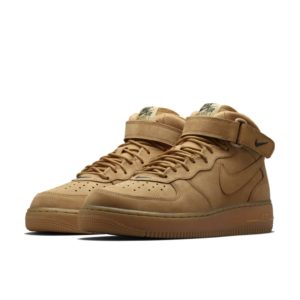
A third characteristic is the ankle strap with the metal closure on the high version. Intended functionally to secure the ankle, it became the detail by which you recognize the model from a distance — and the part that proved wearable unfastened, which led to a distinct way of wearing it.
Bruce Kilgore's most famous sneakers
His oeuvre is narrow and deep. One design defines the image, with a second that is especially important in the history of Jordan Brand.
Nike Air Force 1 (1982)
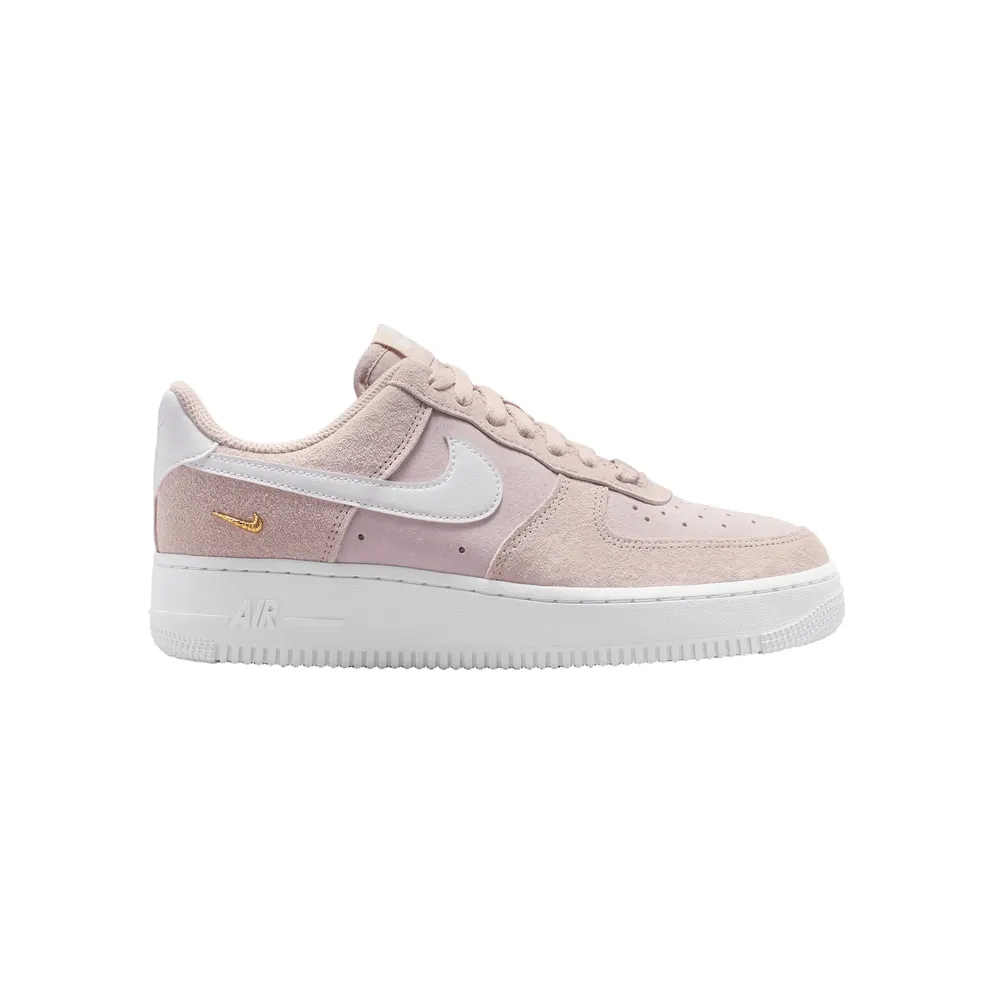
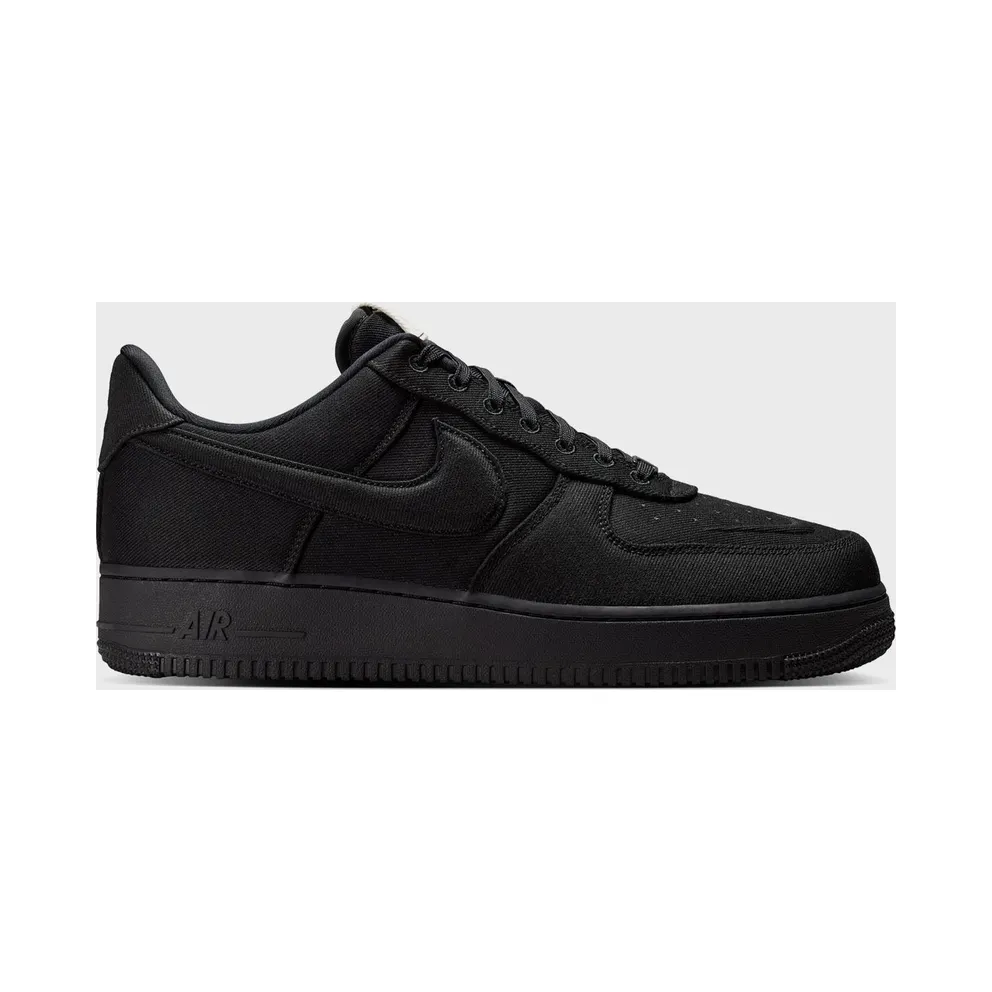
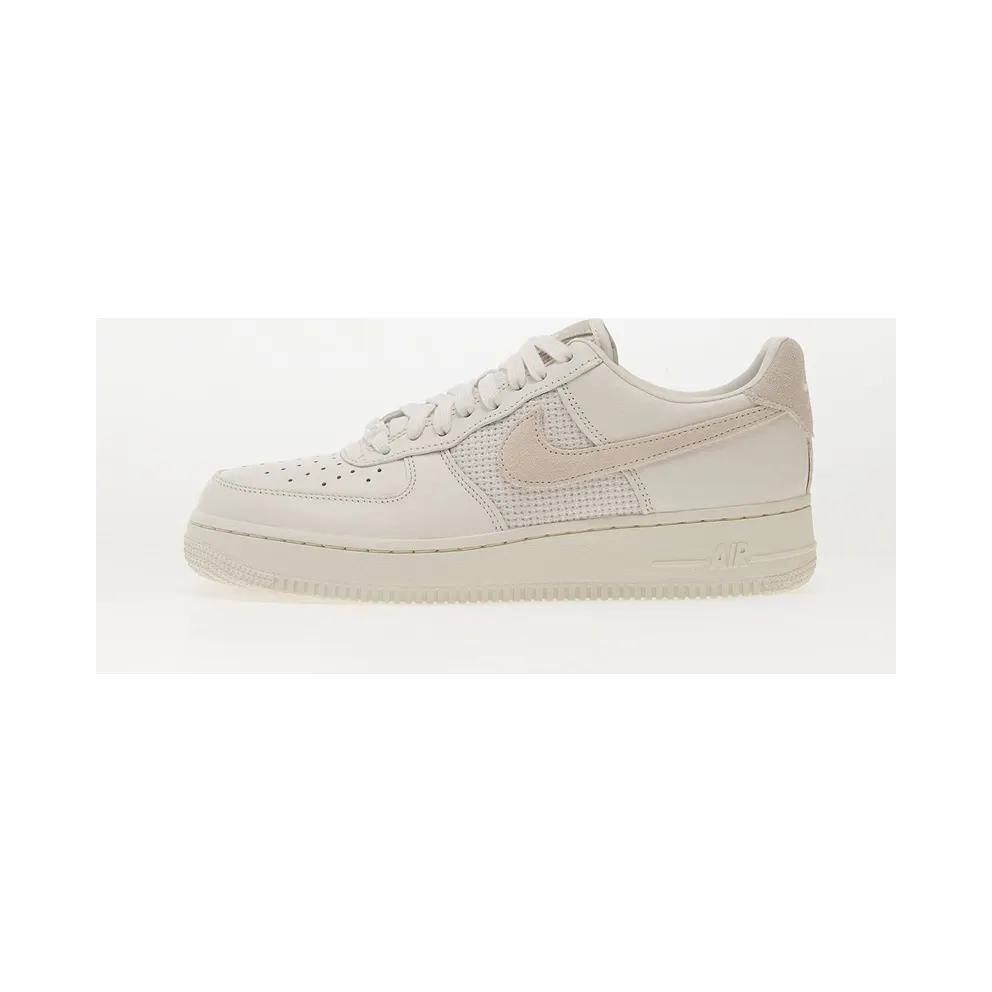
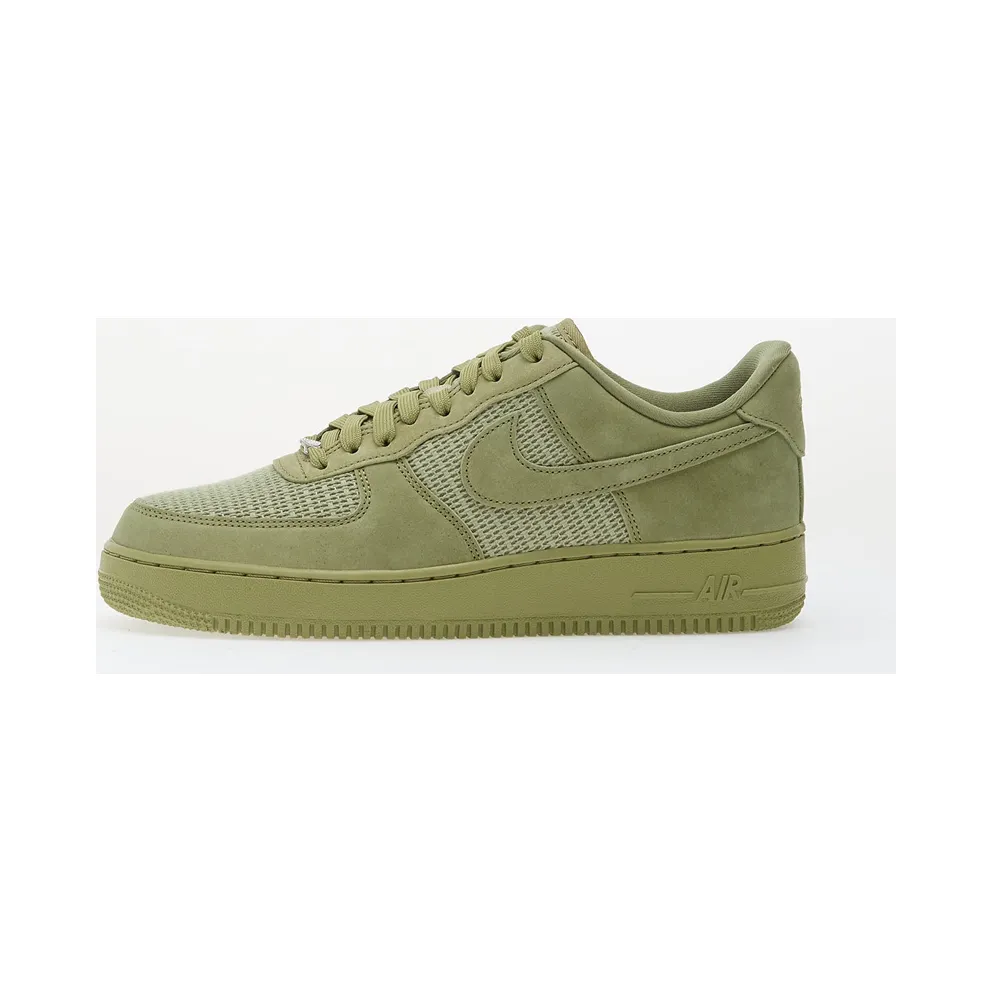
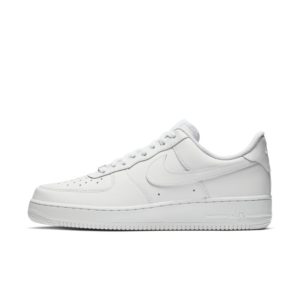
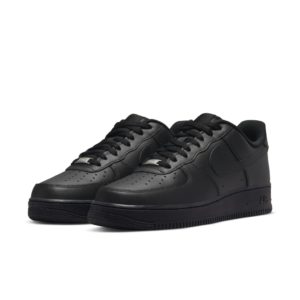
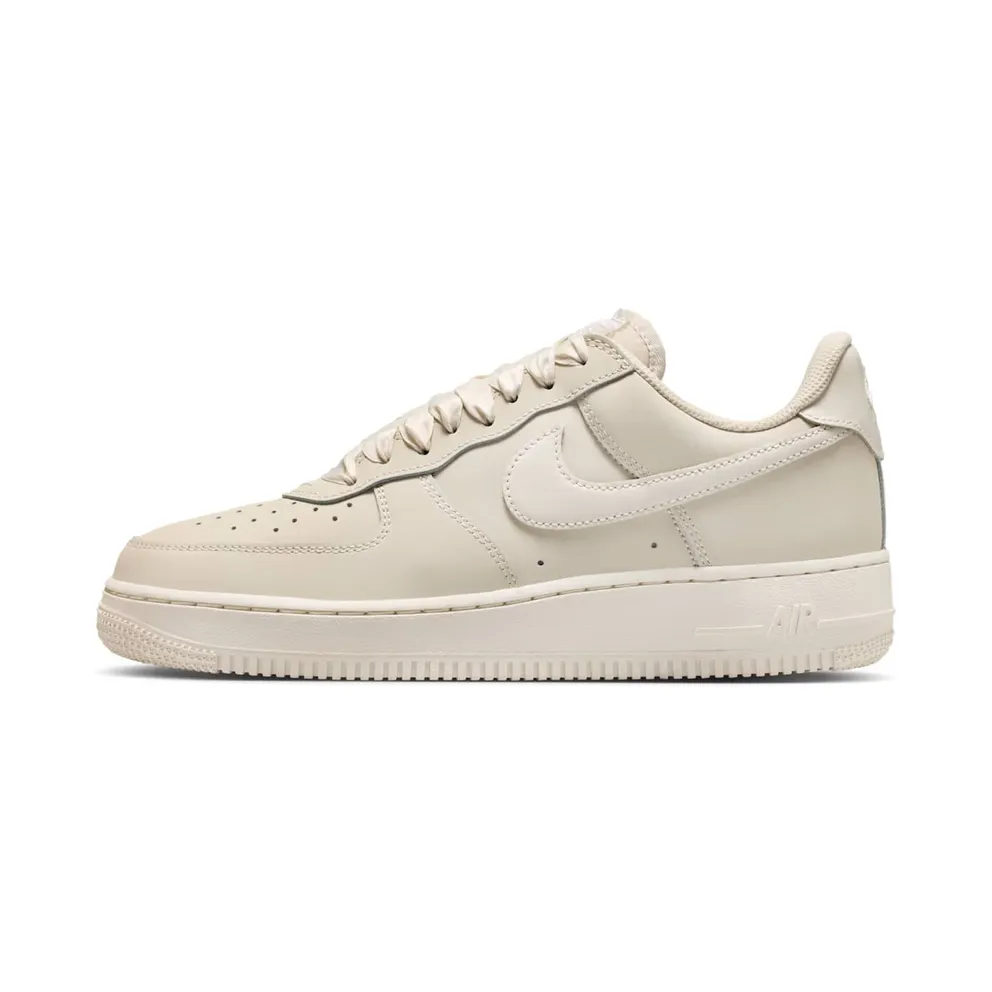
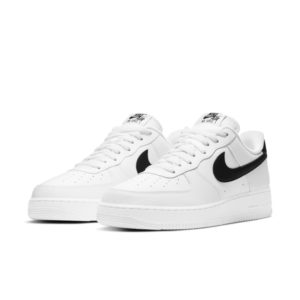
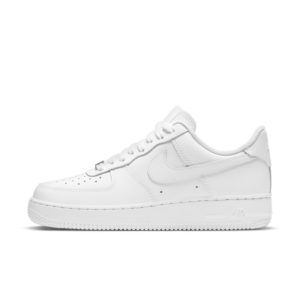
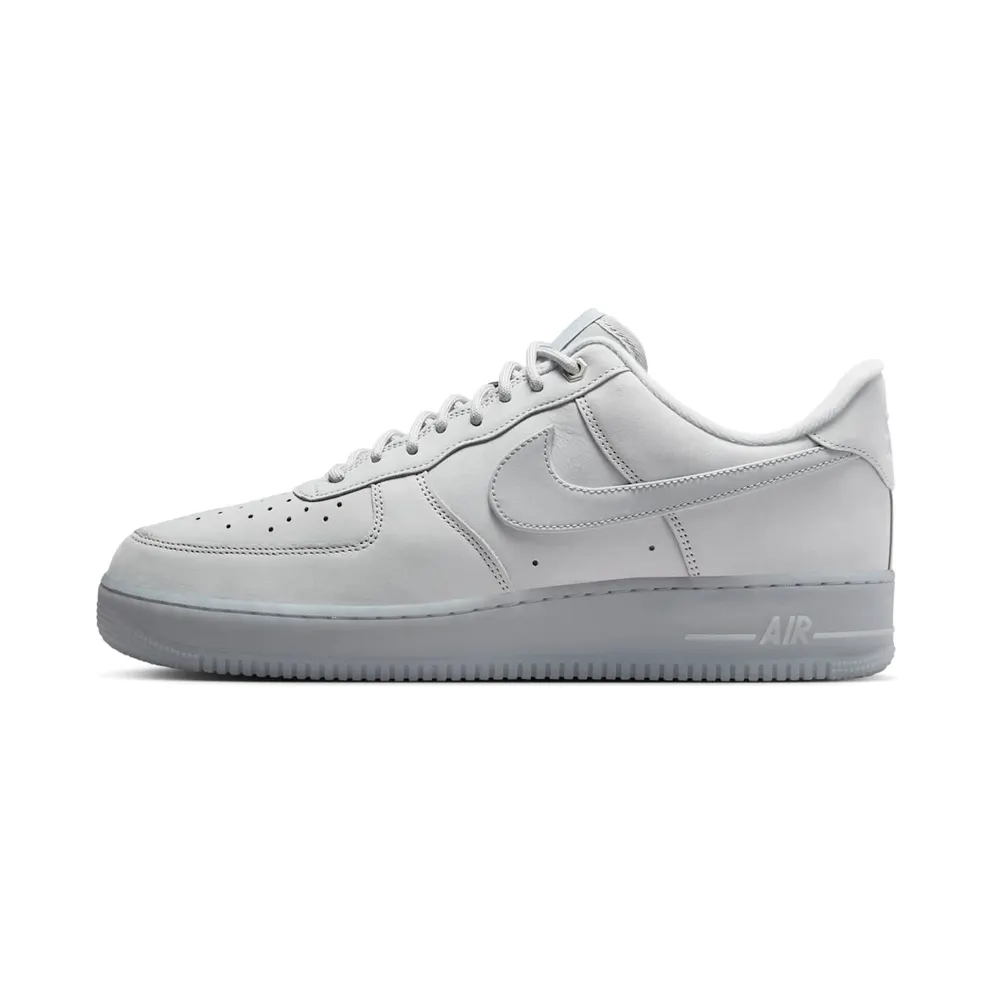
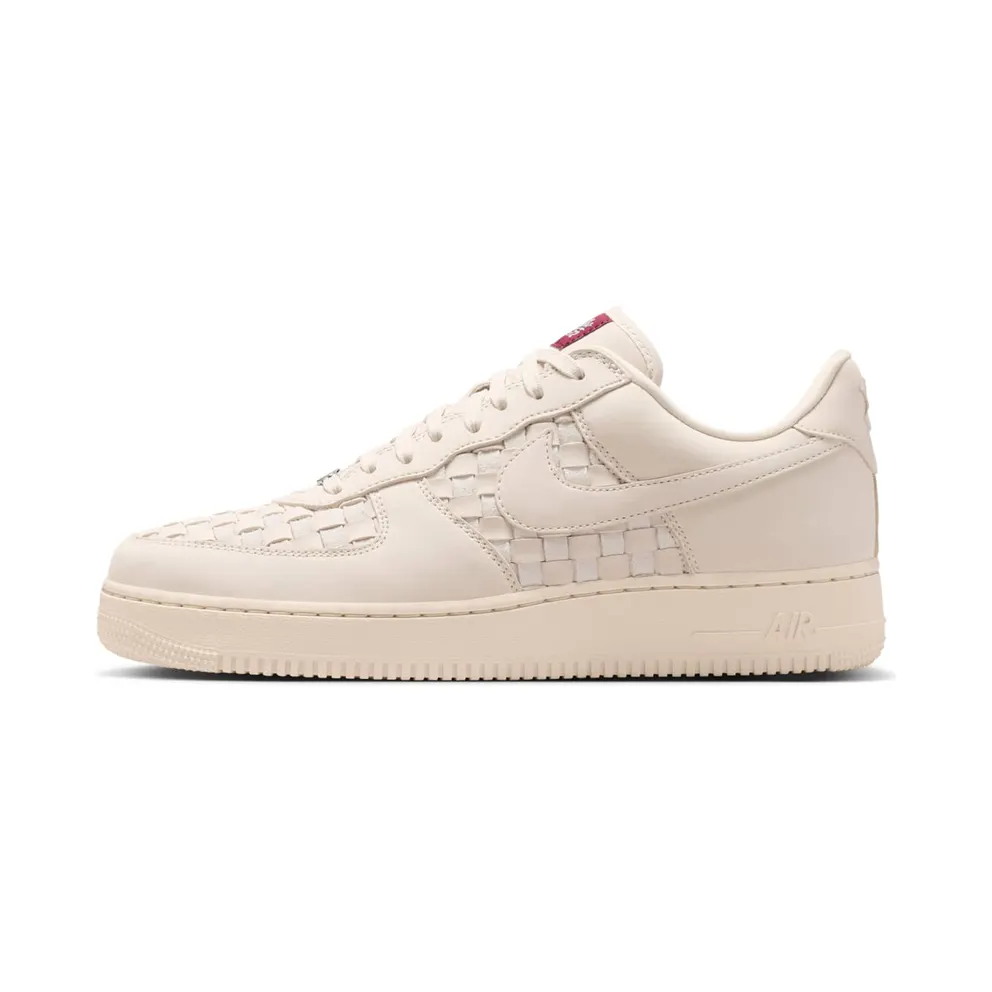
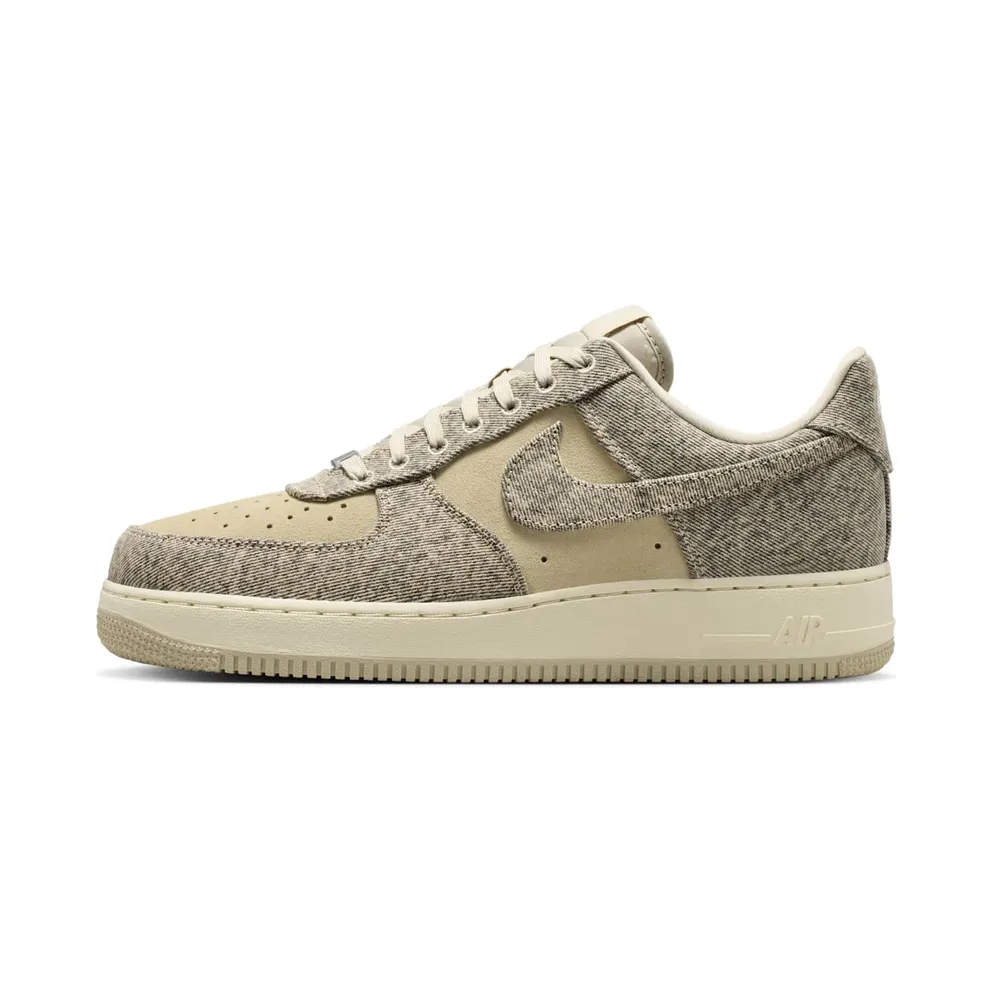
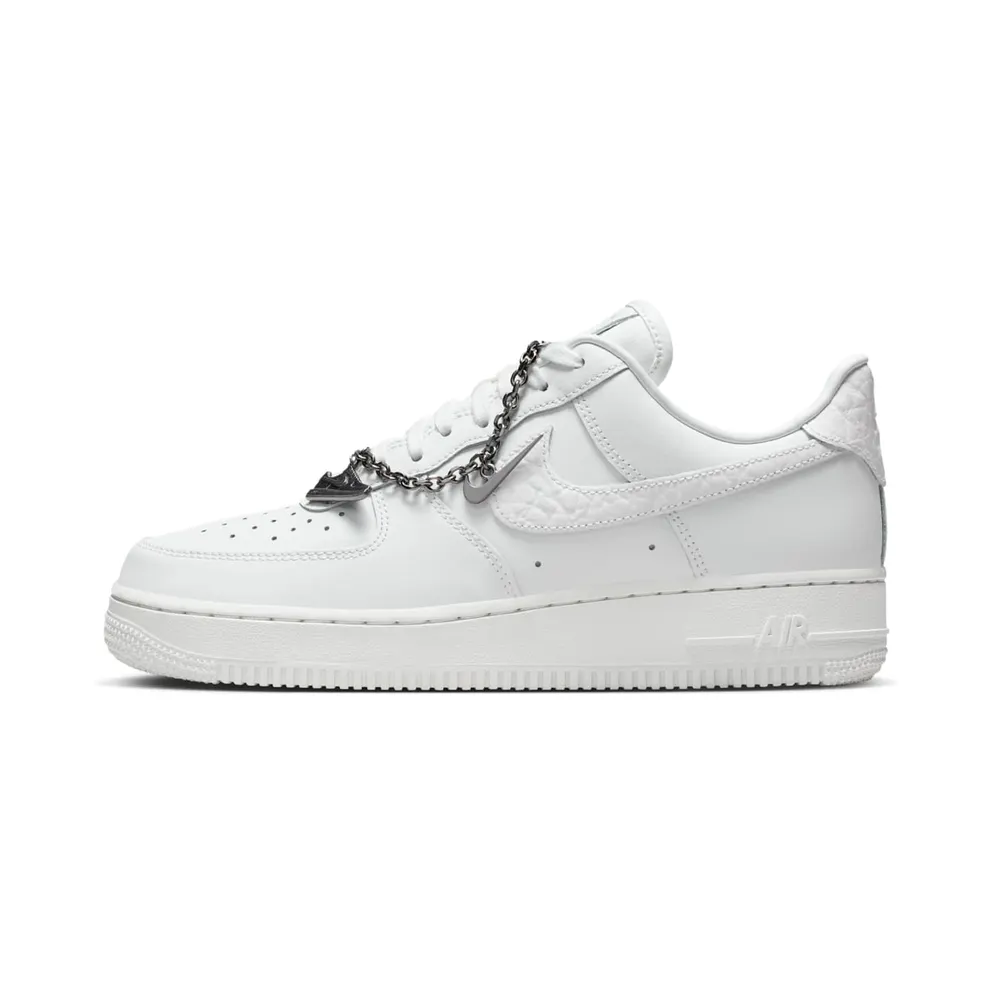
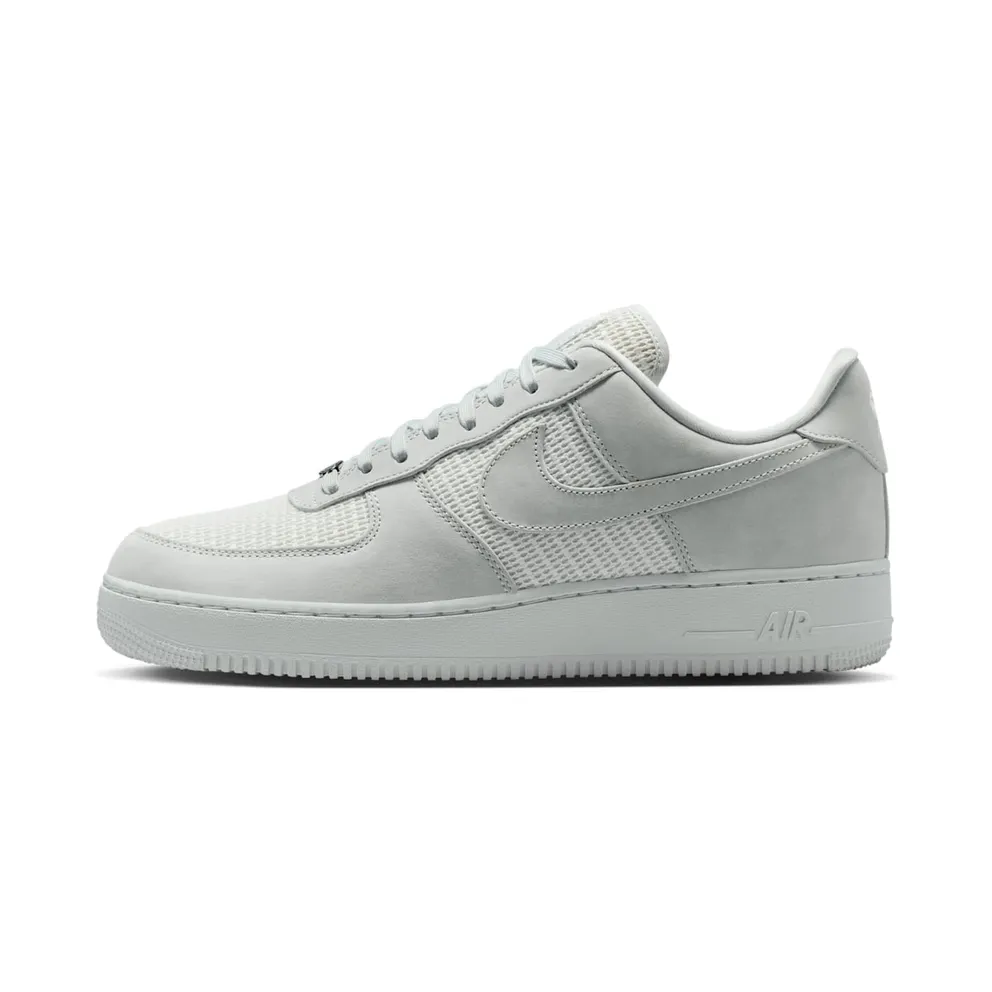
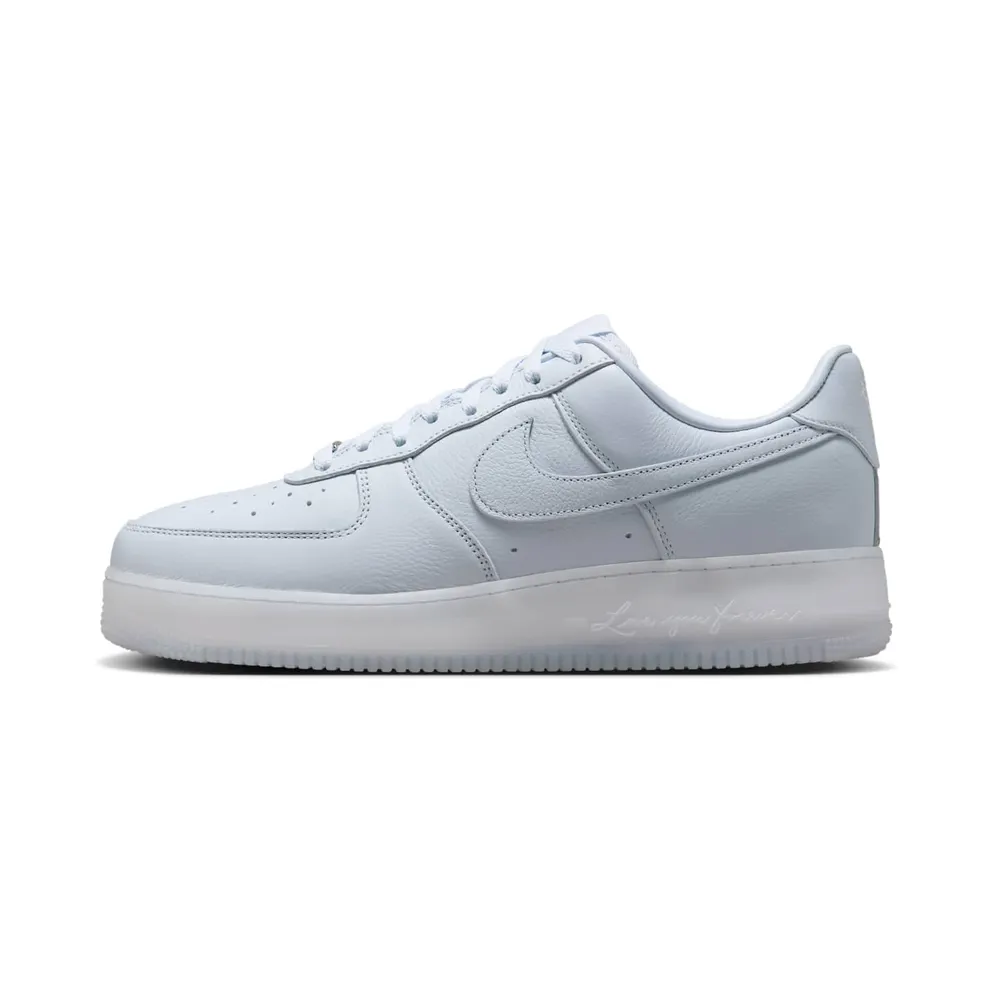
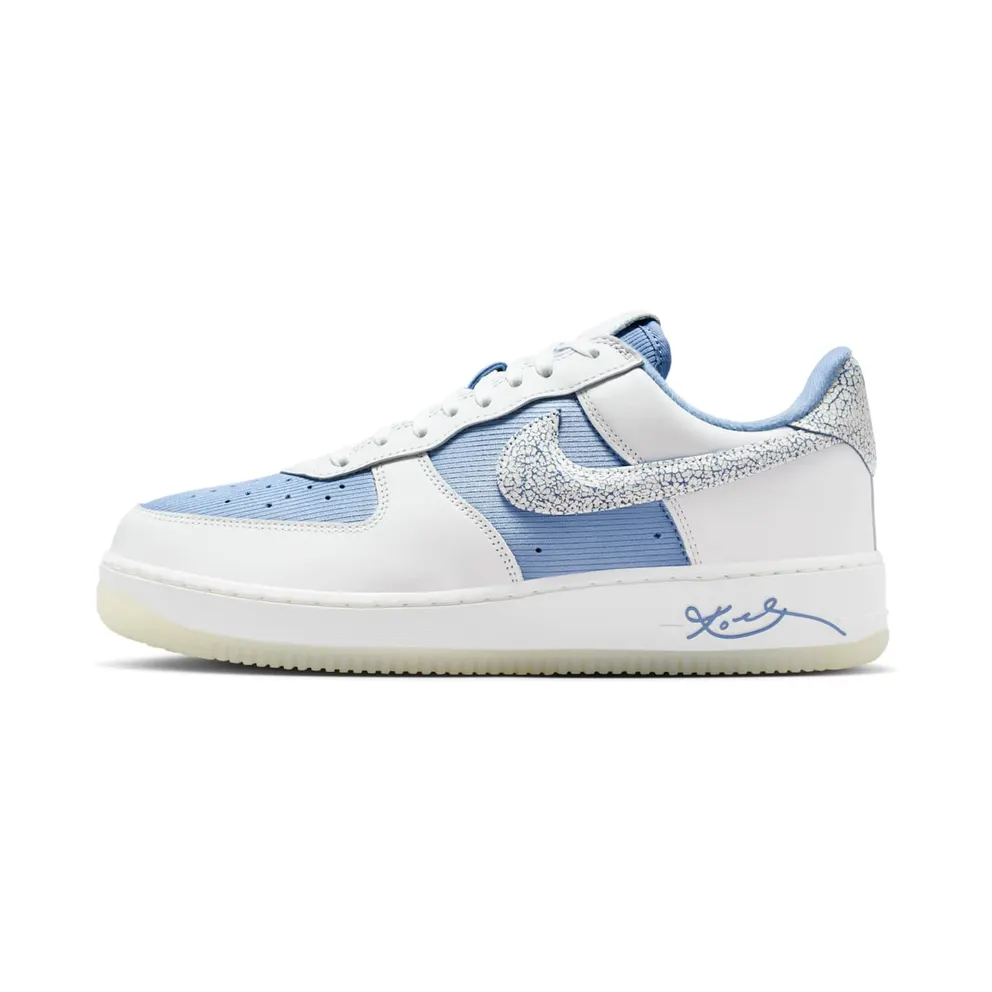
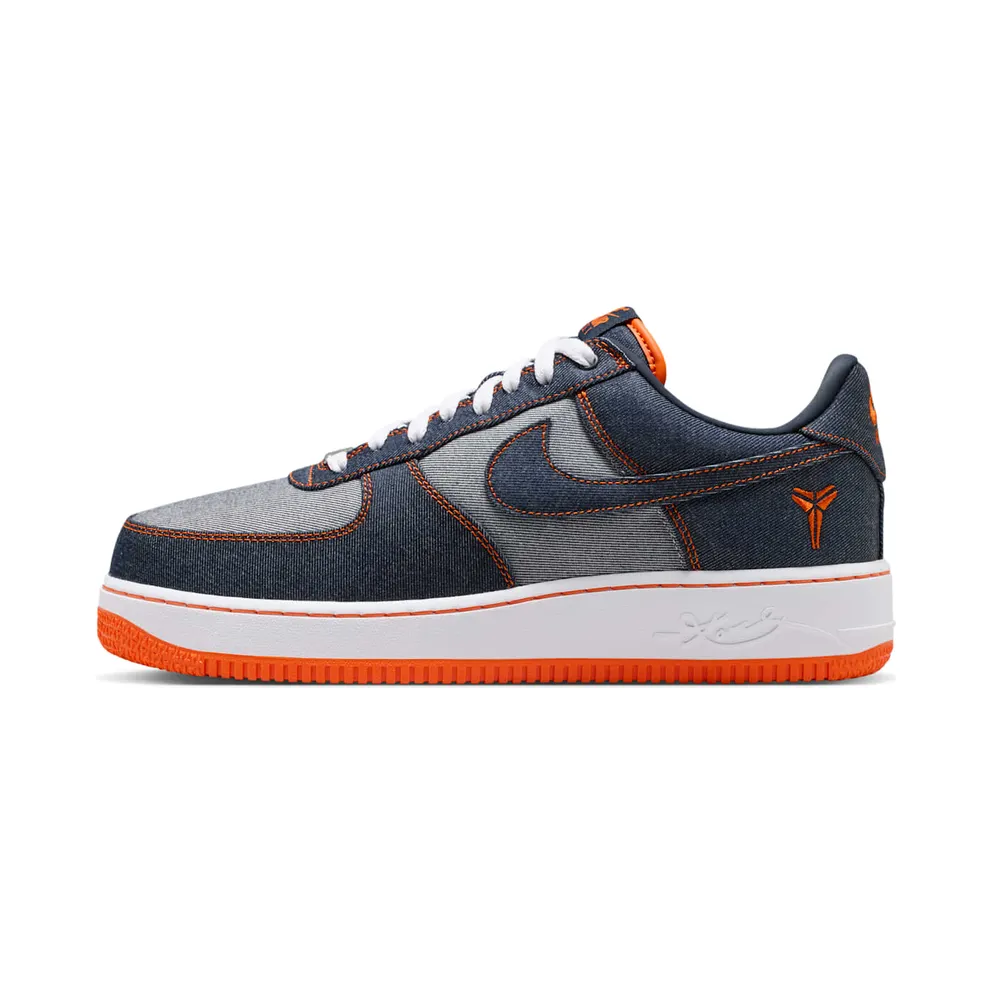
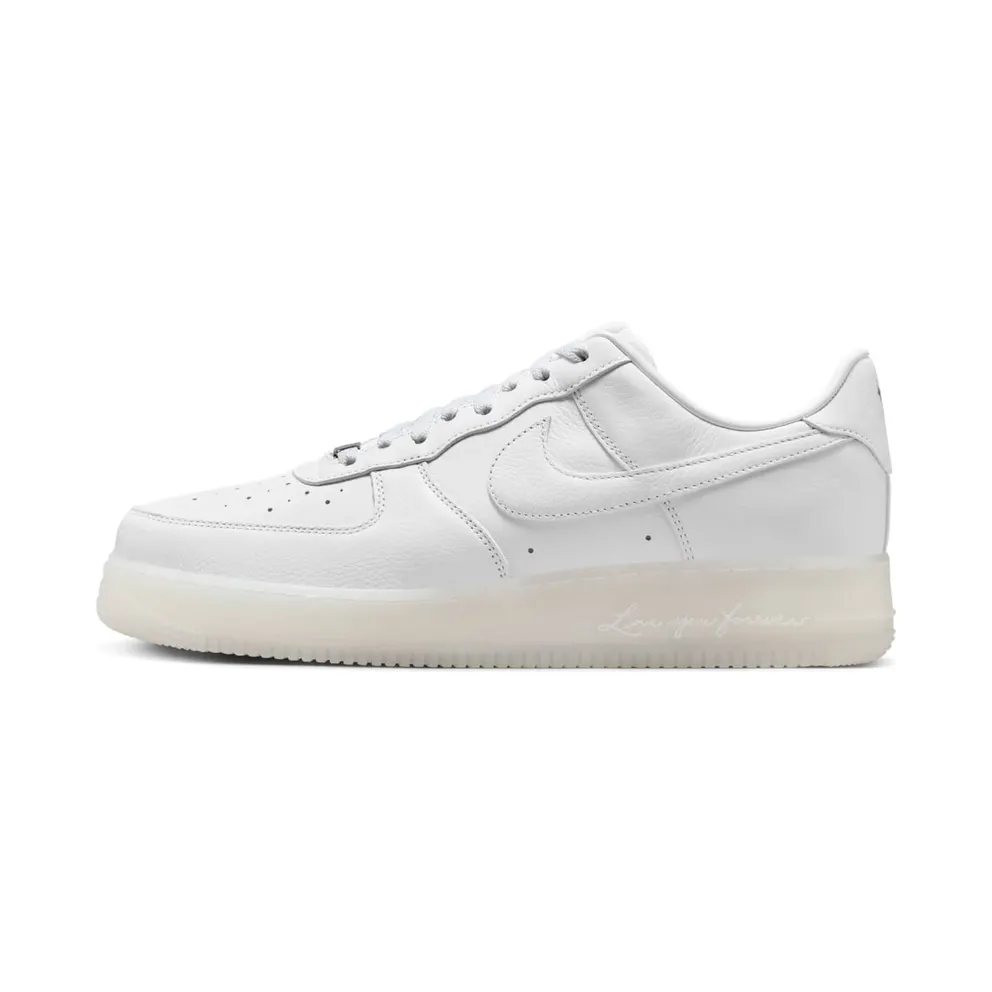
The first basketball shoe with Air cushioning, and the model that later became Nike's best-selling sneaker. What began as a performance shoe became streetwear within a few years, first in Baltimore and New York, then everywhere. The low version grew into the standard, while the mid with ankle strap remains closer to the original. Later variants such as the '07 and the Shadow are modern reinterpretations of his original lines, not by his hand.
Air Jordan 2 (1986)
Kilgore contributed to the second Air Jordan, the model that deliberately moved away from the sporty design language of its predecessor, the Air Jordan 1 by Peter Moore. No Swoosh on the side, an upper made in Italy and a silhouette more like a dress shoe. That the model wasn't a commercial hit makes it interesting in retrospect: it's the Air Jordan in which the brand dared stray furthest from basketball.
Bruce Kilgore and the Air Force 1 family
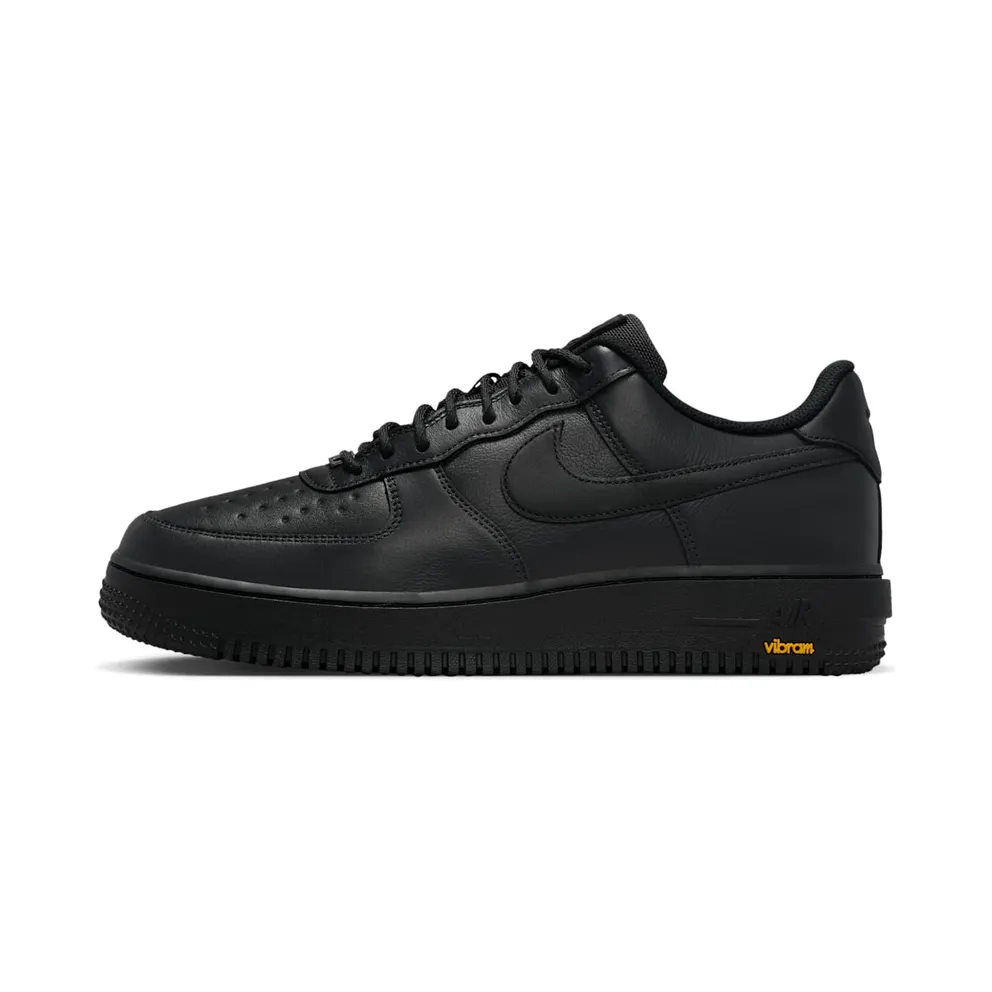
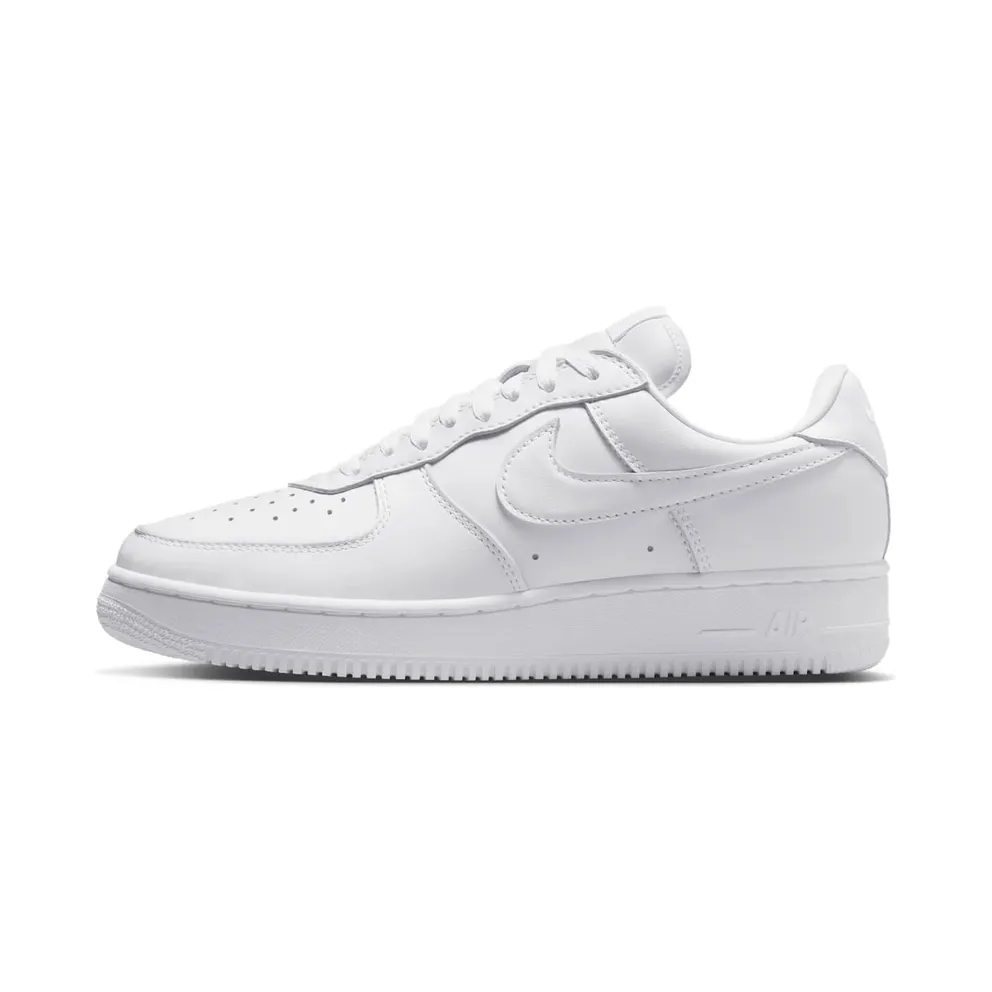
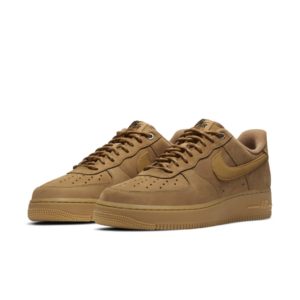
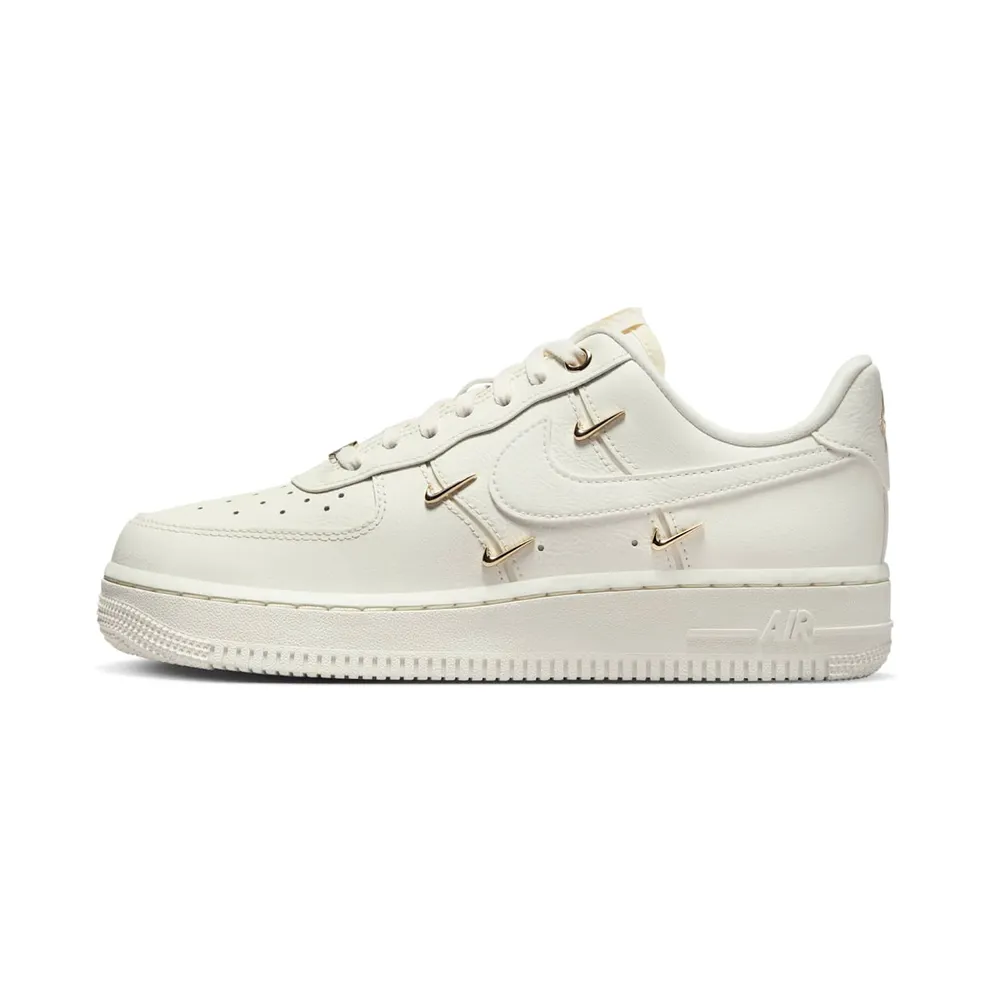
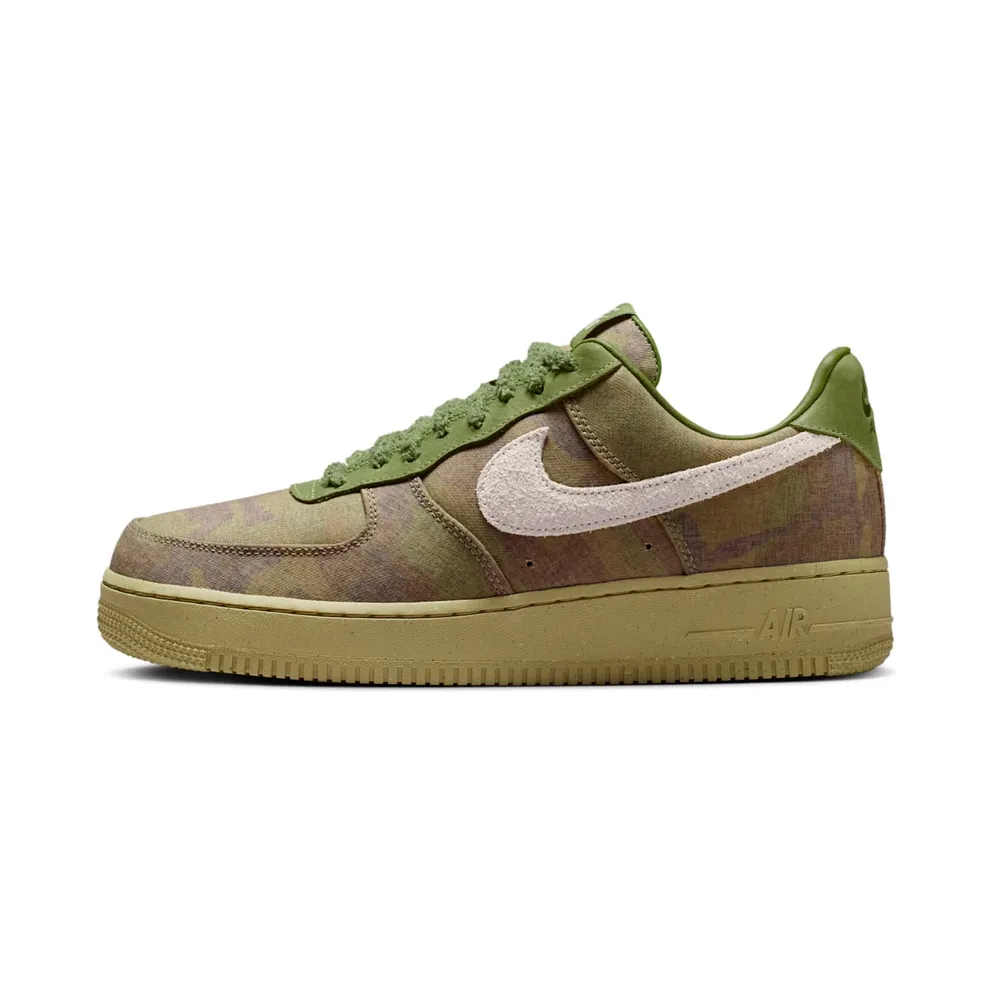
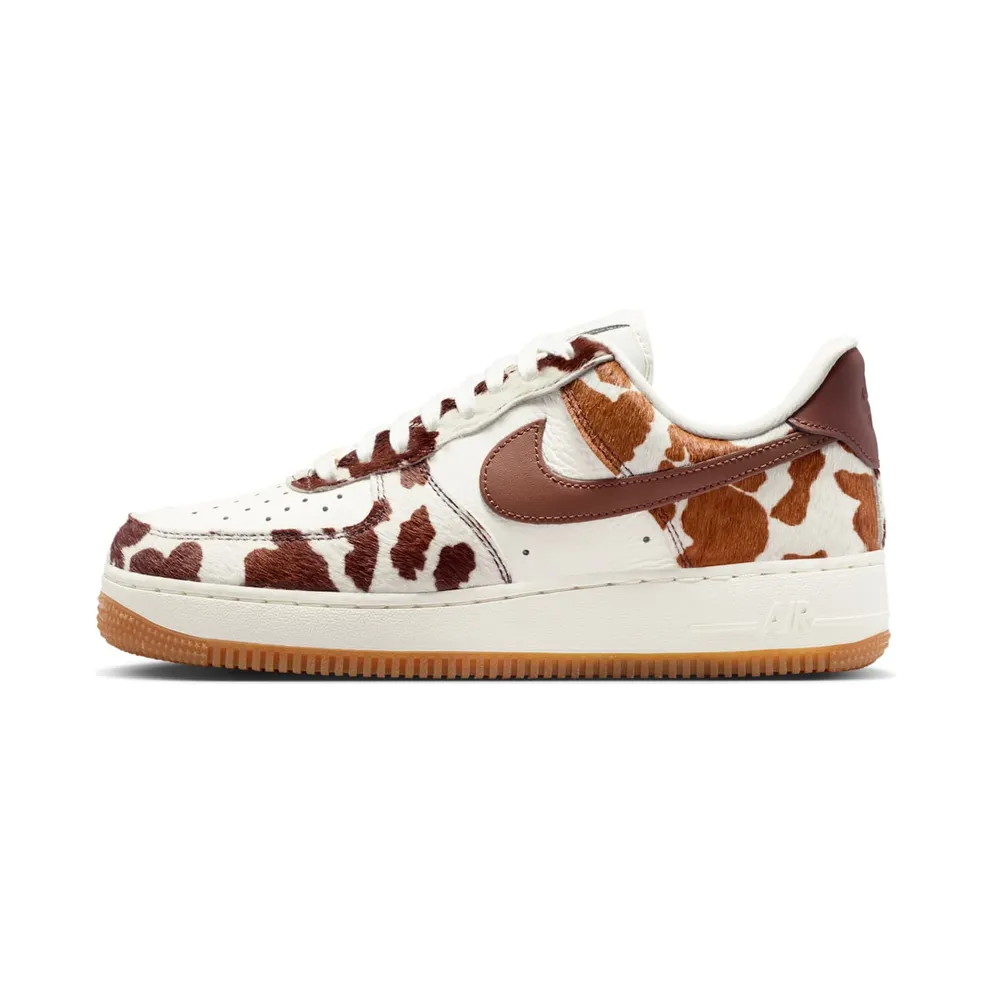
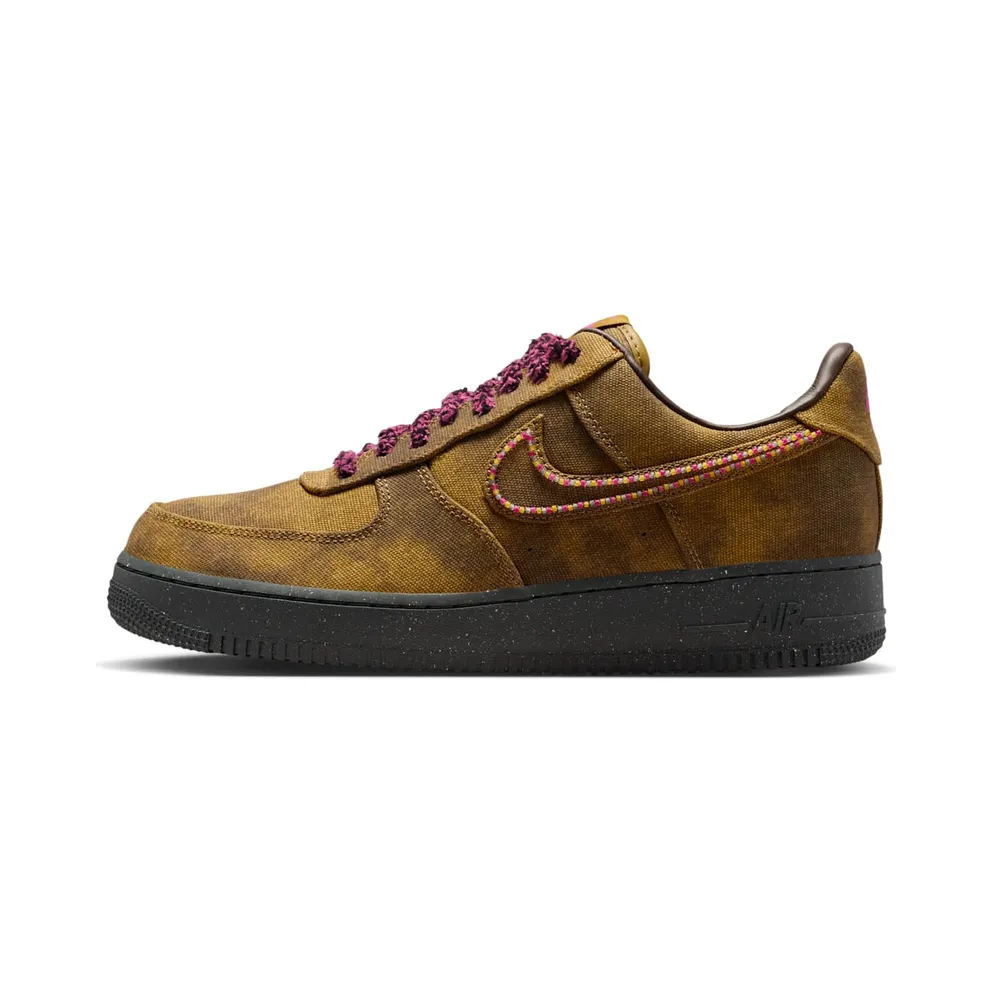
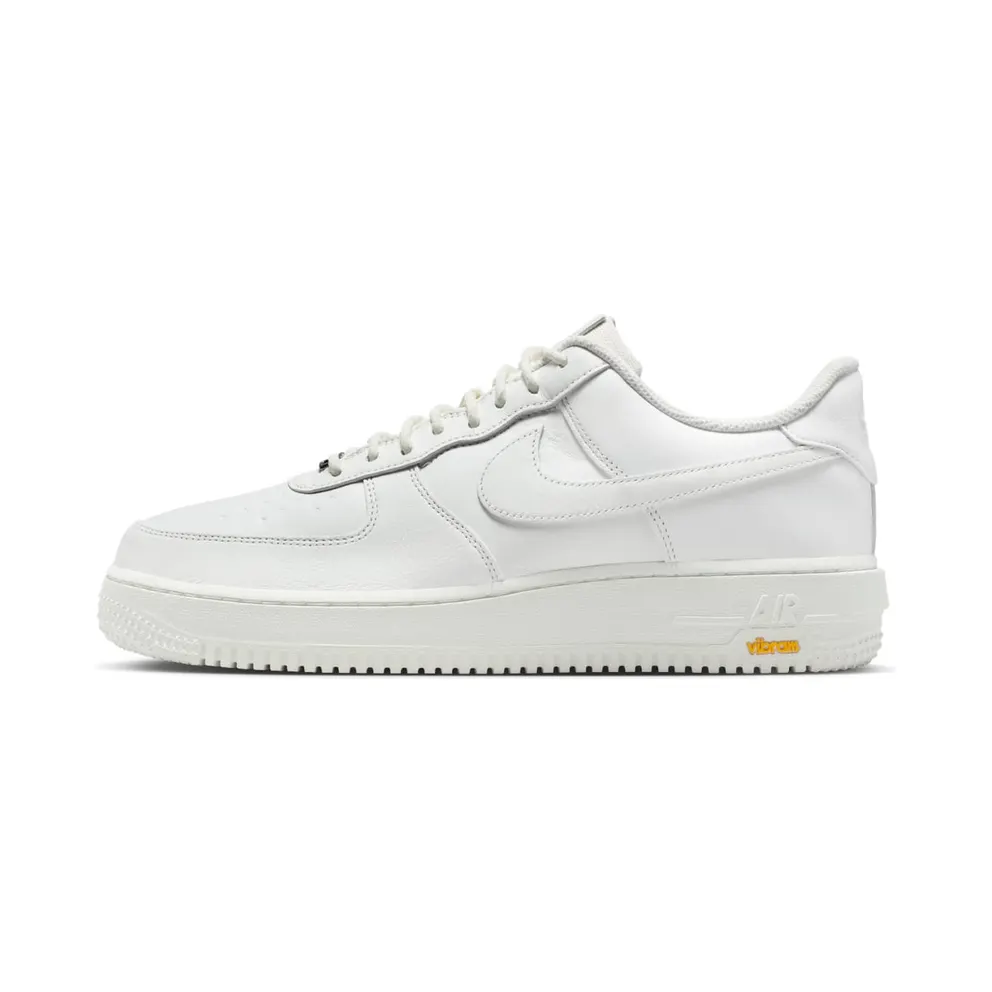
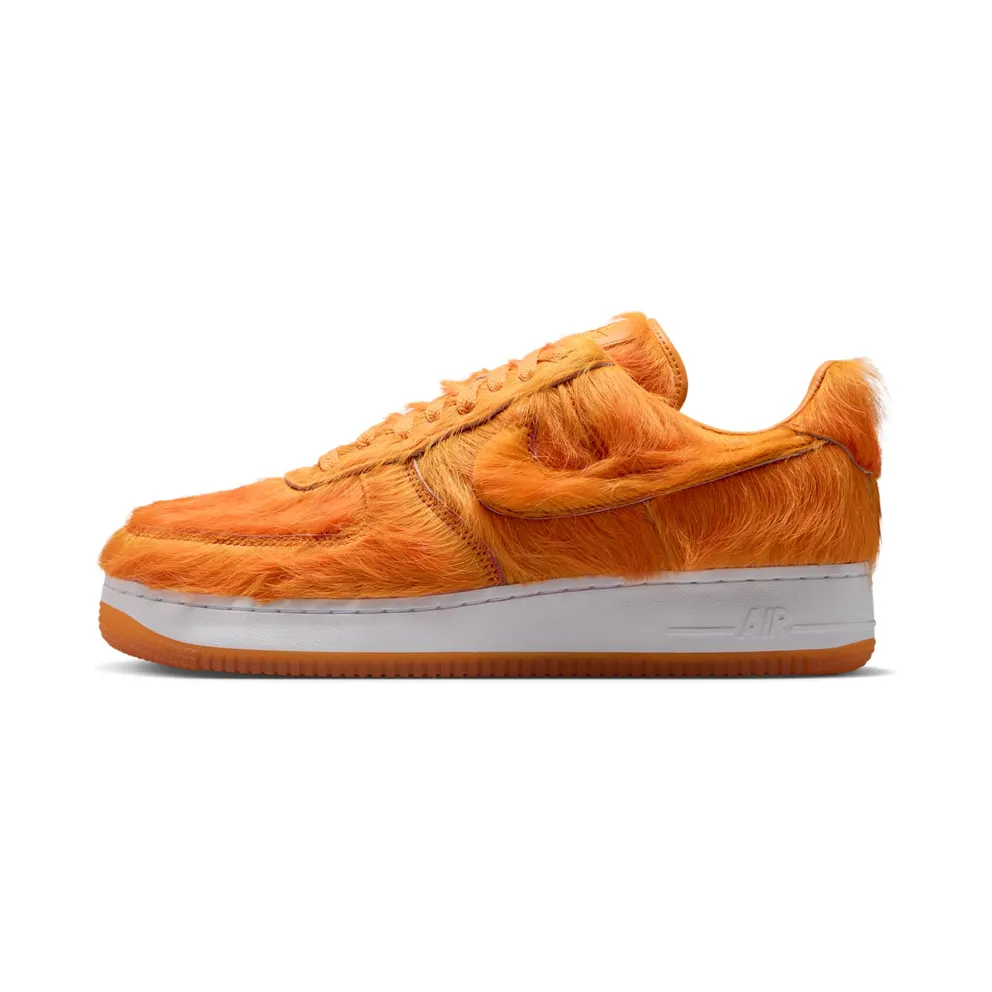
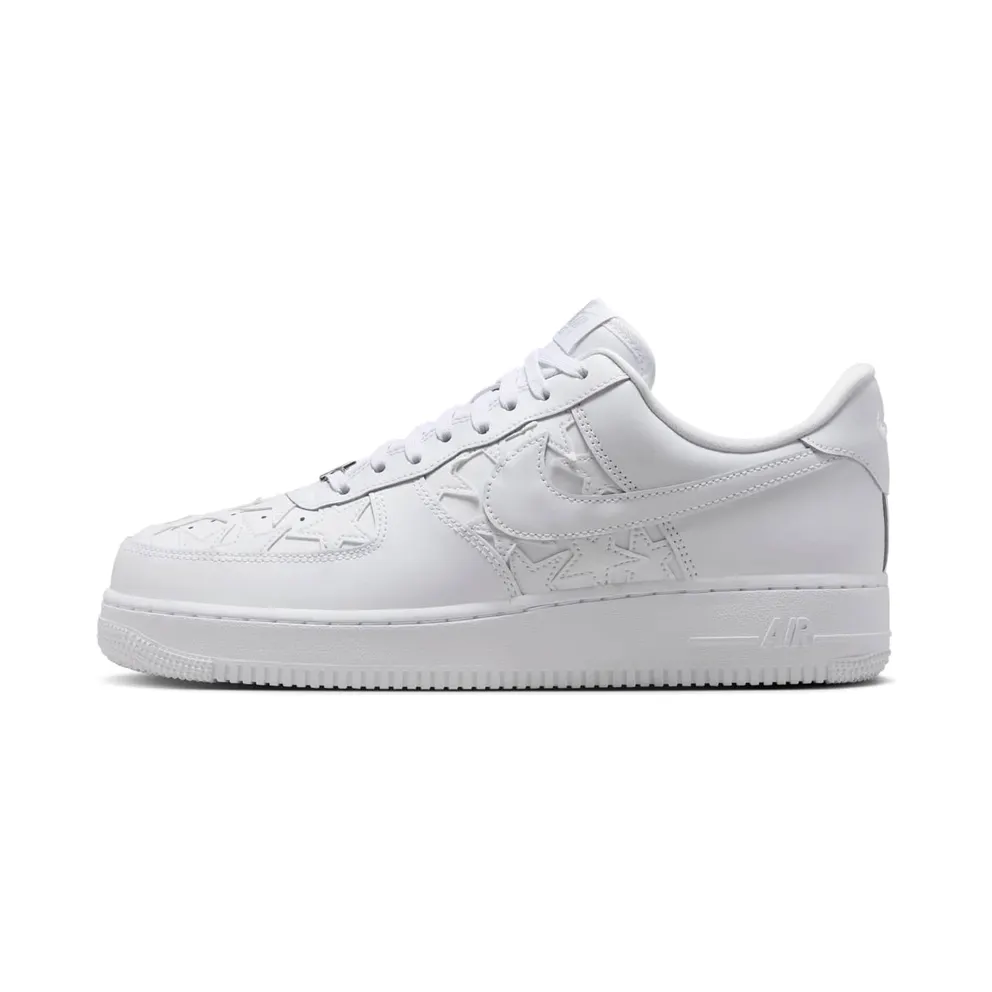
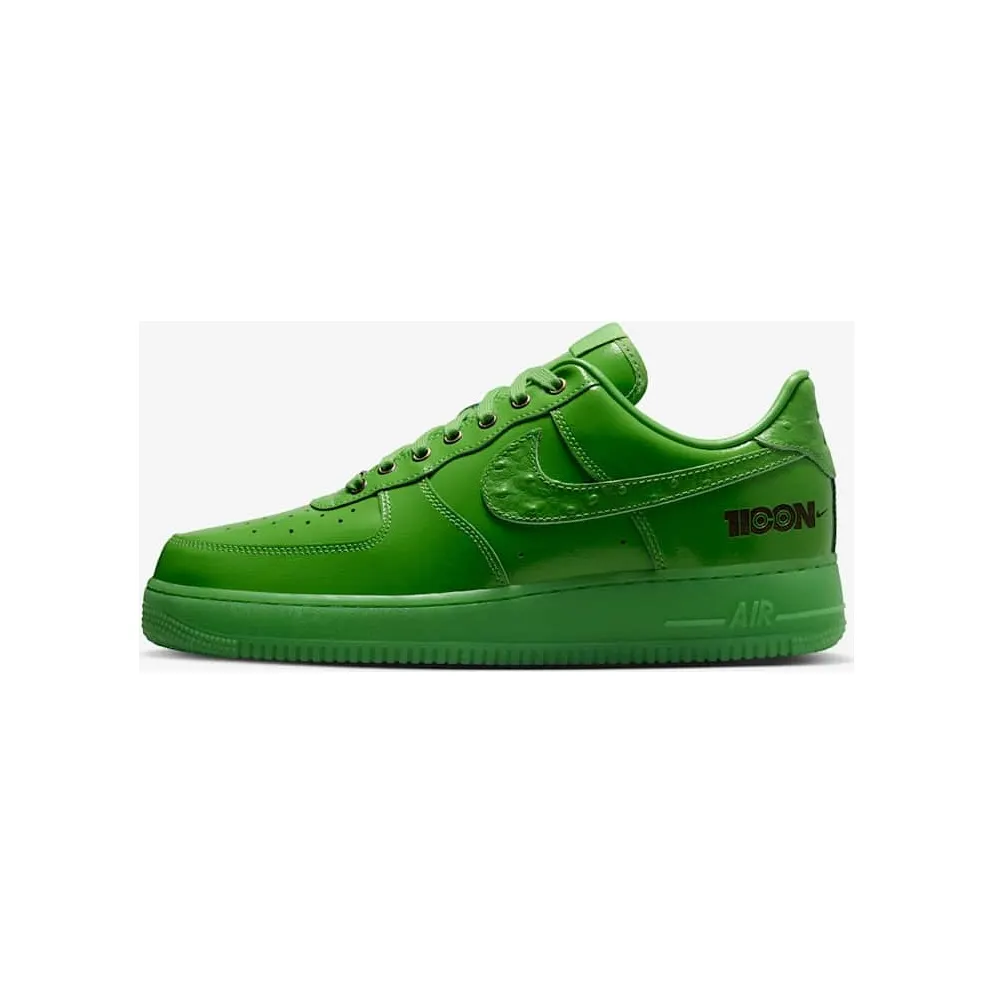
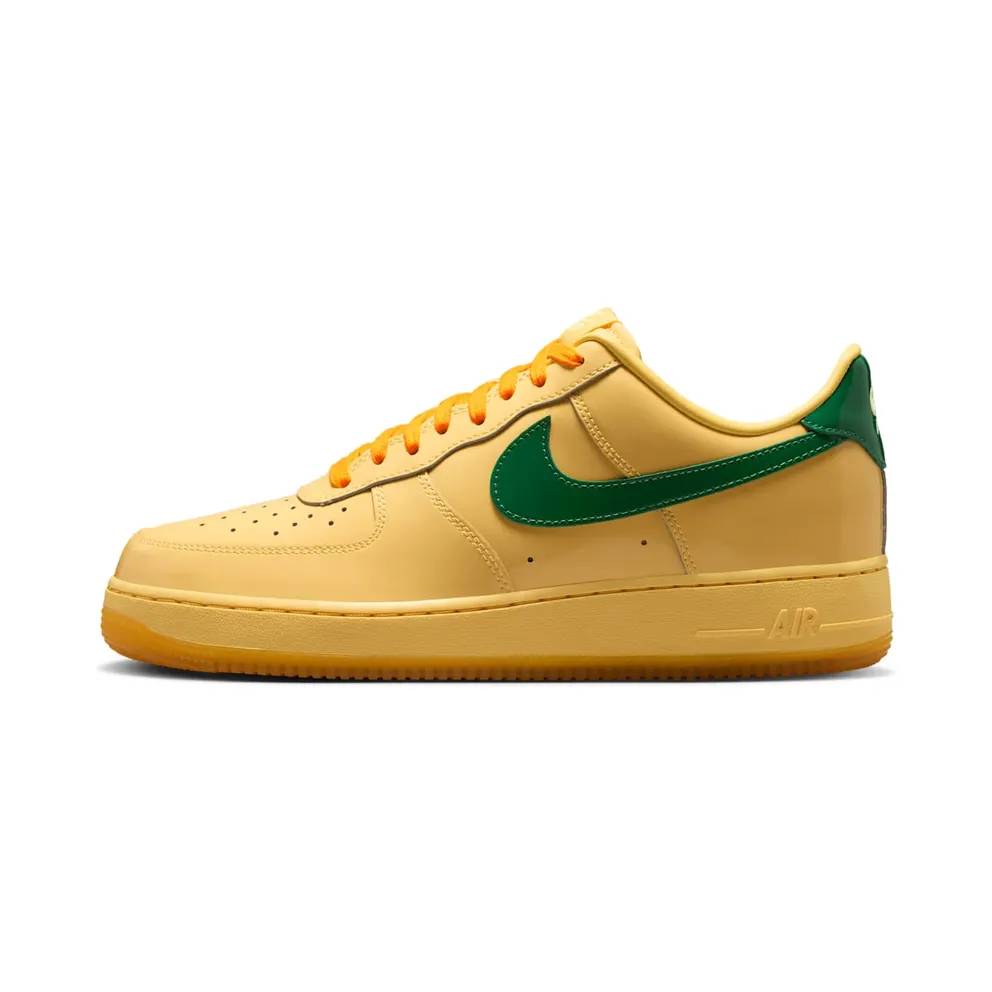
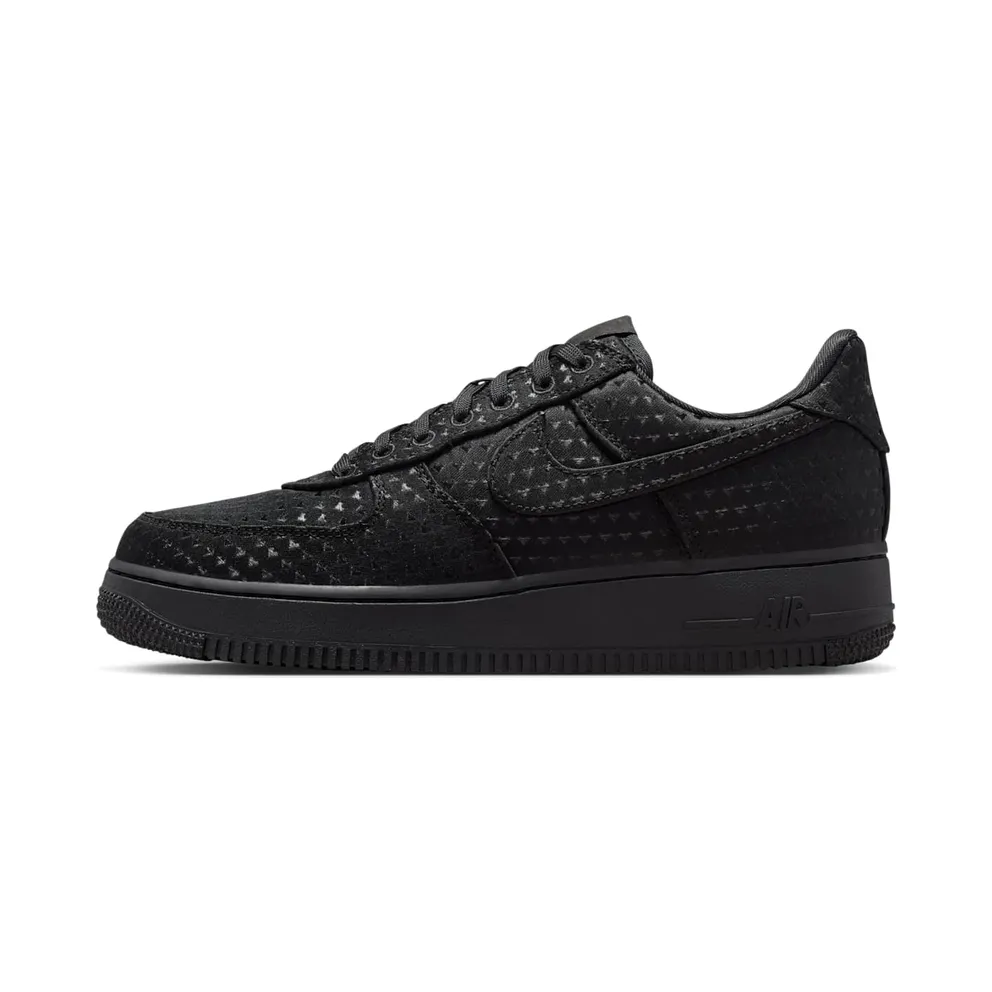
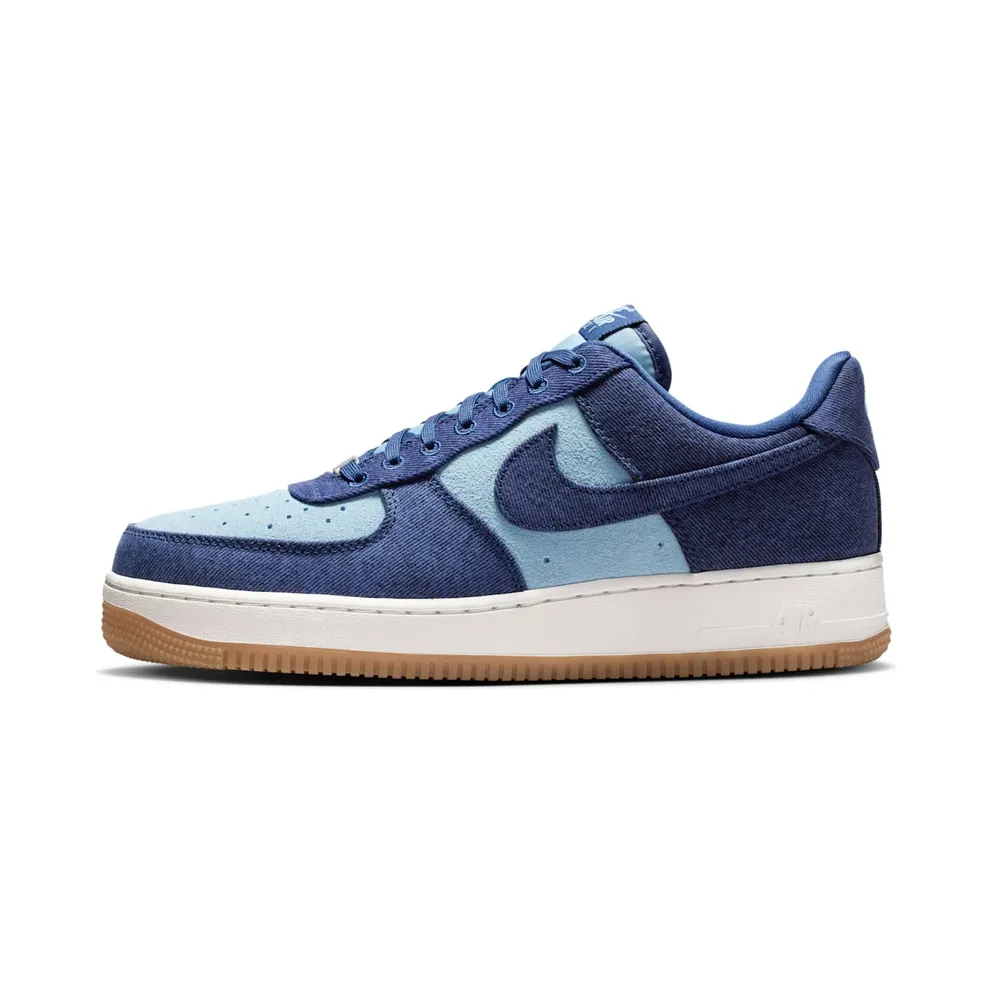
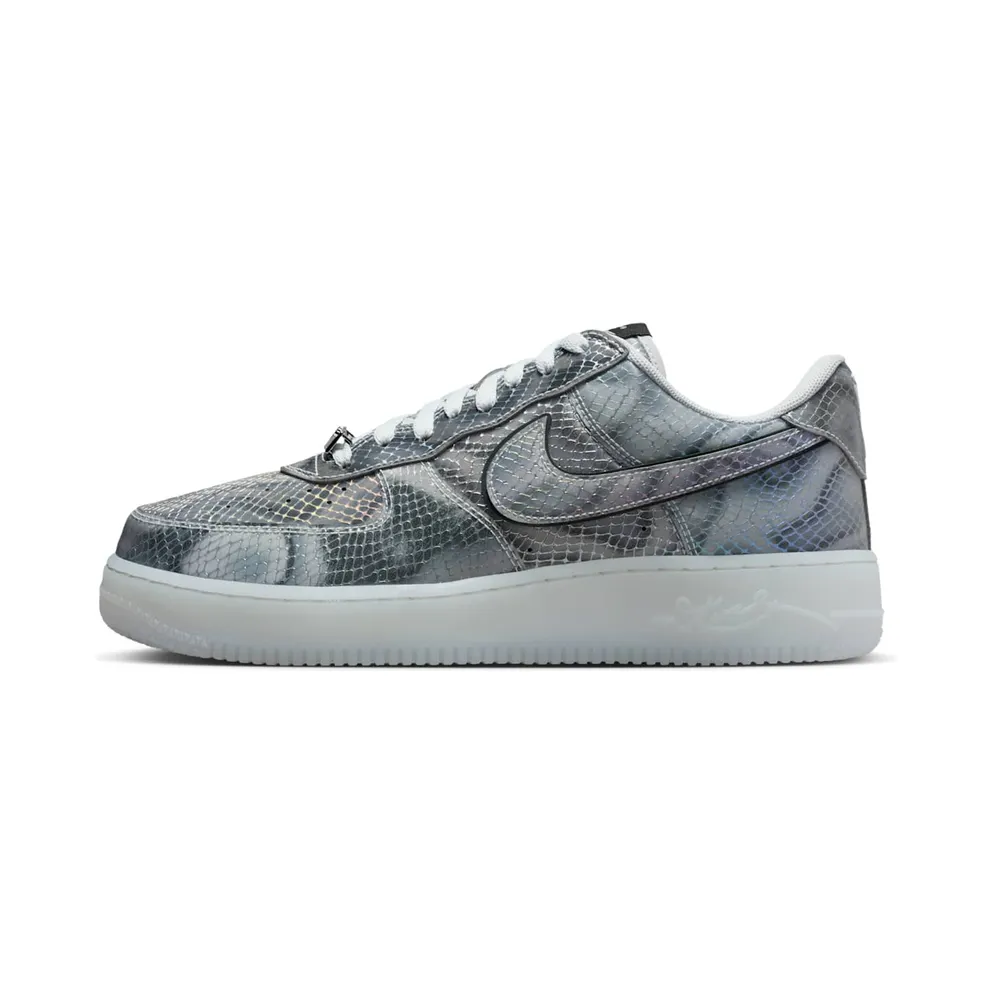
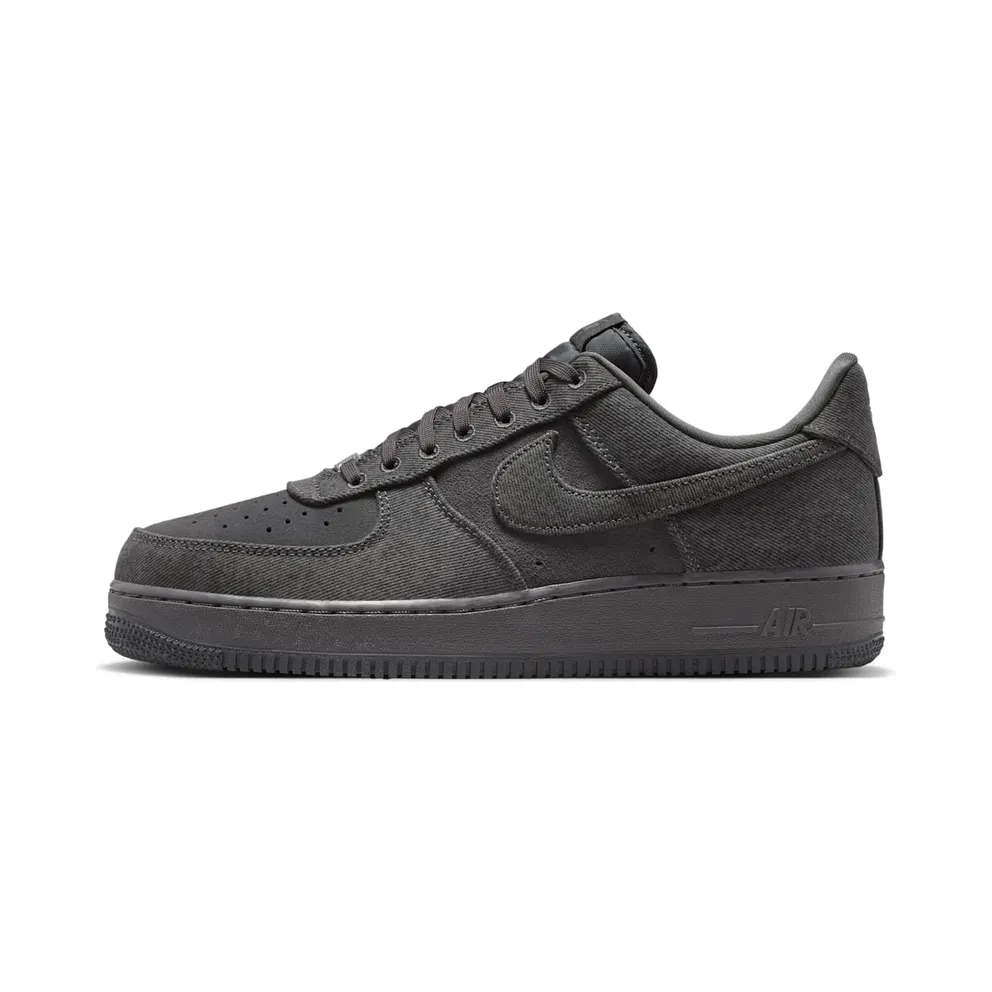
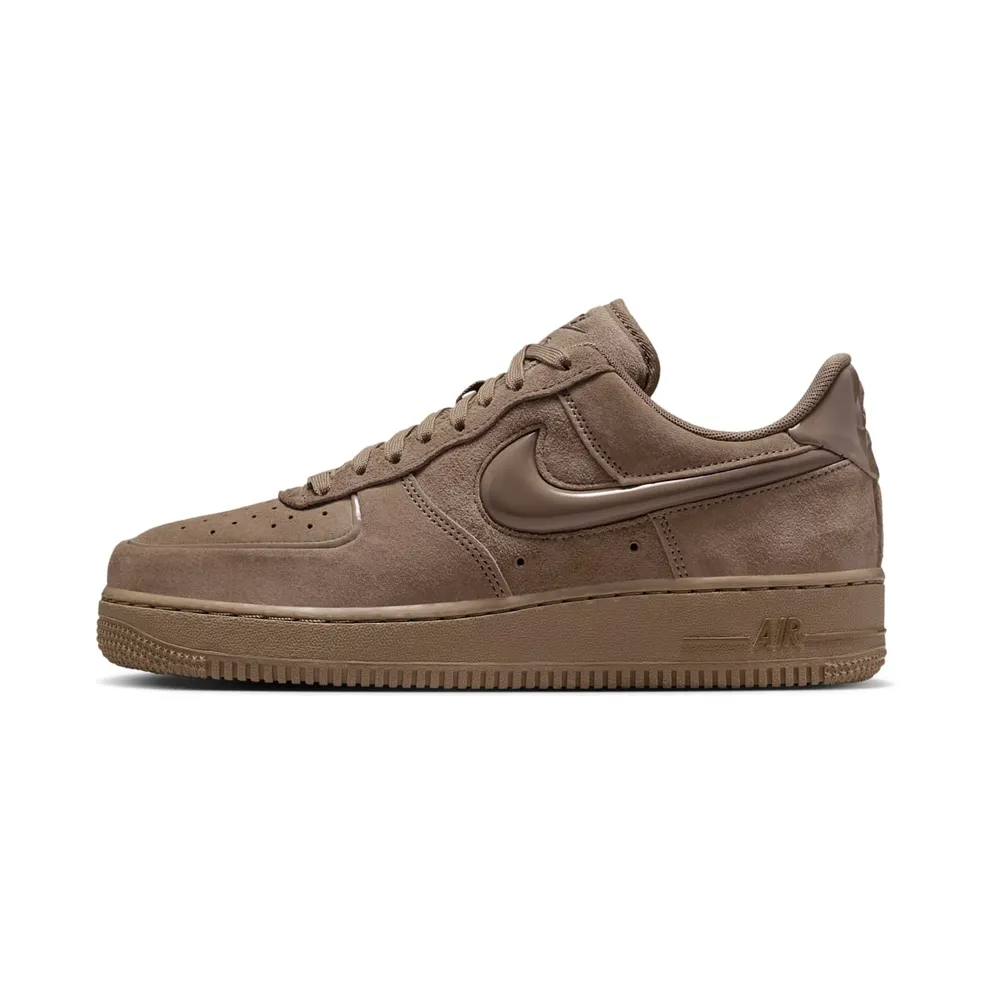
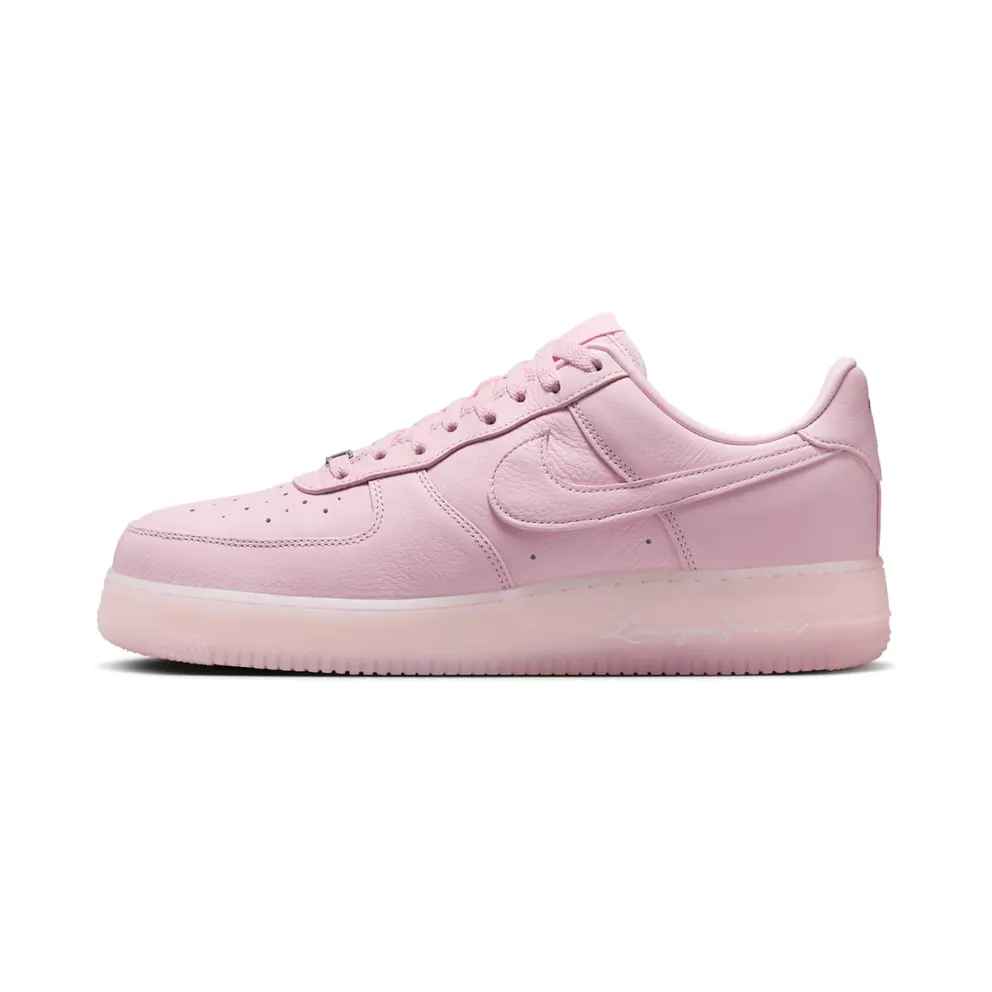
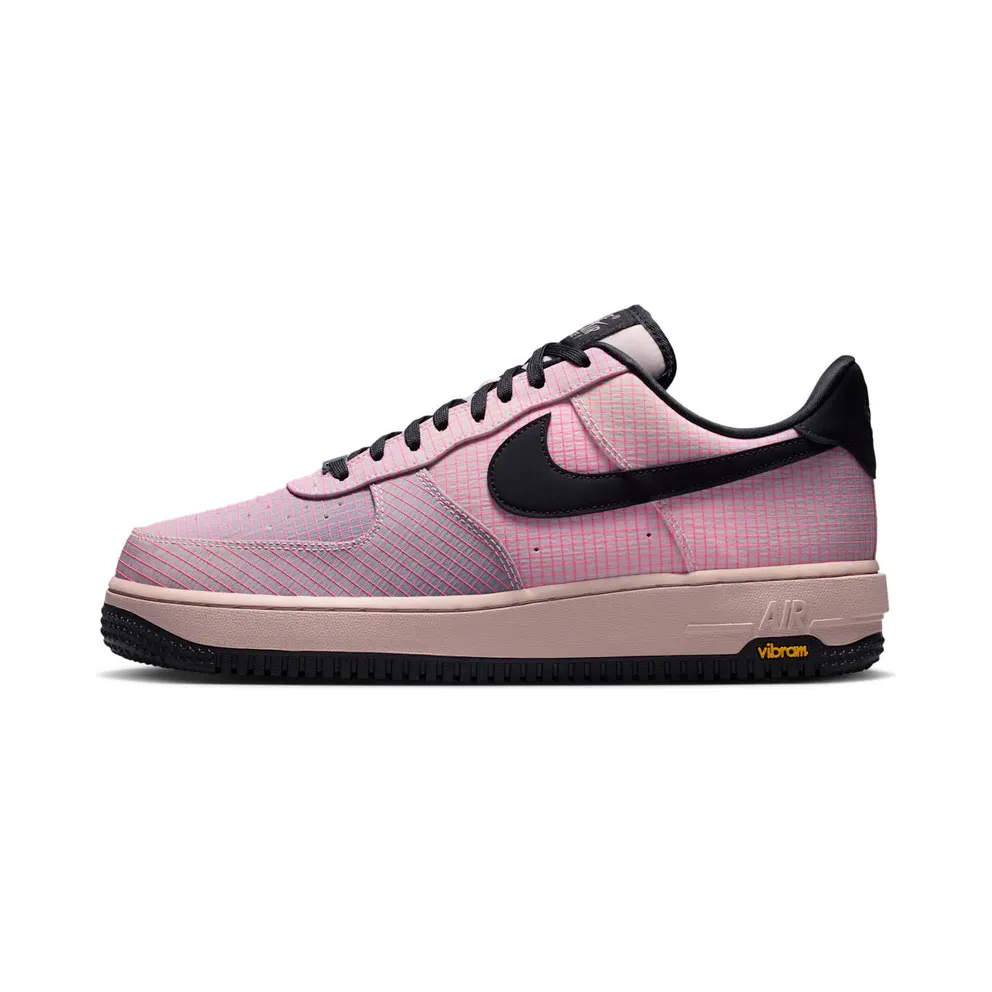
As with few designers, Kilgore's legacy is mainly visible in what others did with his design. The Air Force 1 became a canvas: the model appeared in collaborations, in luxury editions, in feminine reinterpretations and in technical variants. What remains constant across all those versions is his foundation — the circular sole, the wide last, the robust leather.
Within that, the differences are sometimes subtle and sometimes fundamental. Height is the clearest distinction, but construction also plays a role: some versions replace the thick leather with lighter materials, others put the model on a higher sole. On the model pages below you can see for each version what is actually for sale now.
Which Bruce Kilgore gives off the strongest hype signal?
The Hypescore reads the signal strength of every Bruce Kilgore colorway. Community votes, resale movement, search demand and scarcity together decide how much hype a sneaker gives off, expressed in GSv. On the left the strongest hype signals, on the right the colorways just being picked up and rising fast.
Strongest hype signal
- 1
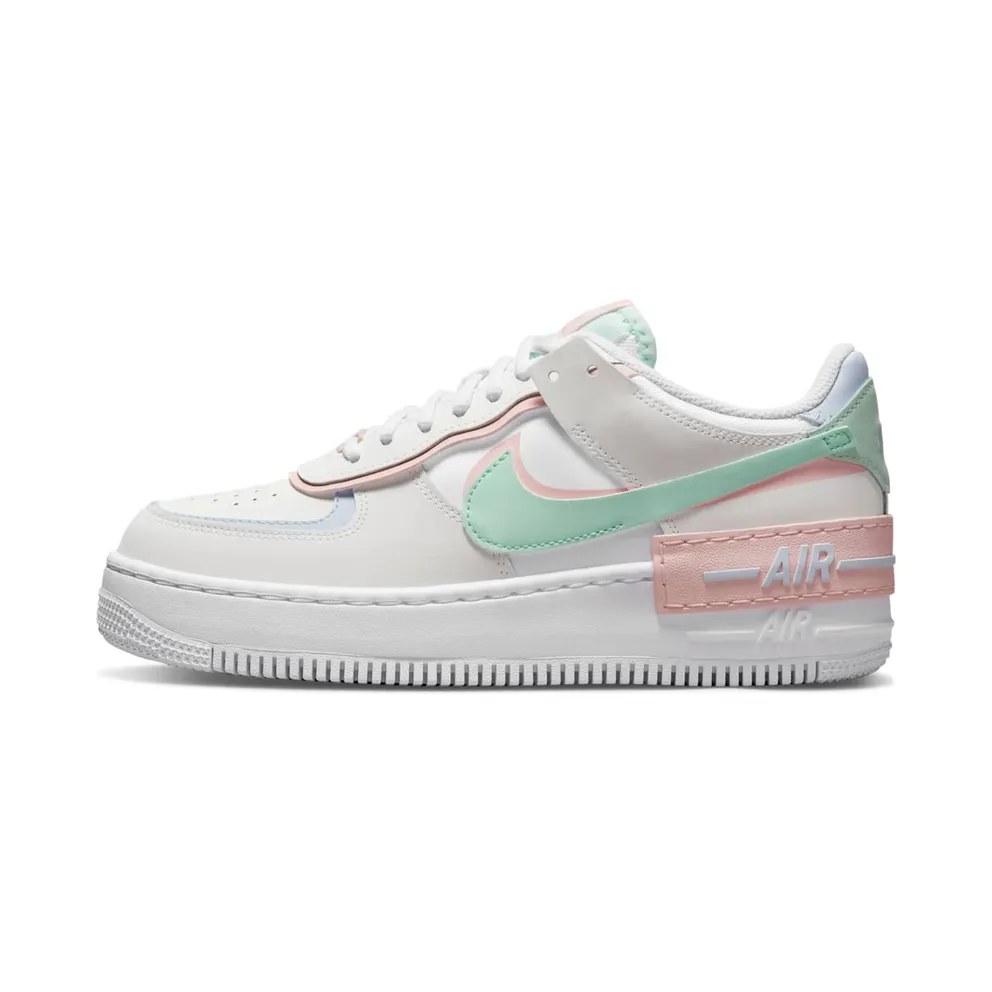
 Nike Air Force 1 Shadow White (CI0919-117)ATOMICNike Air Force 1 Shadow · from €95 · 6 shops85GSv
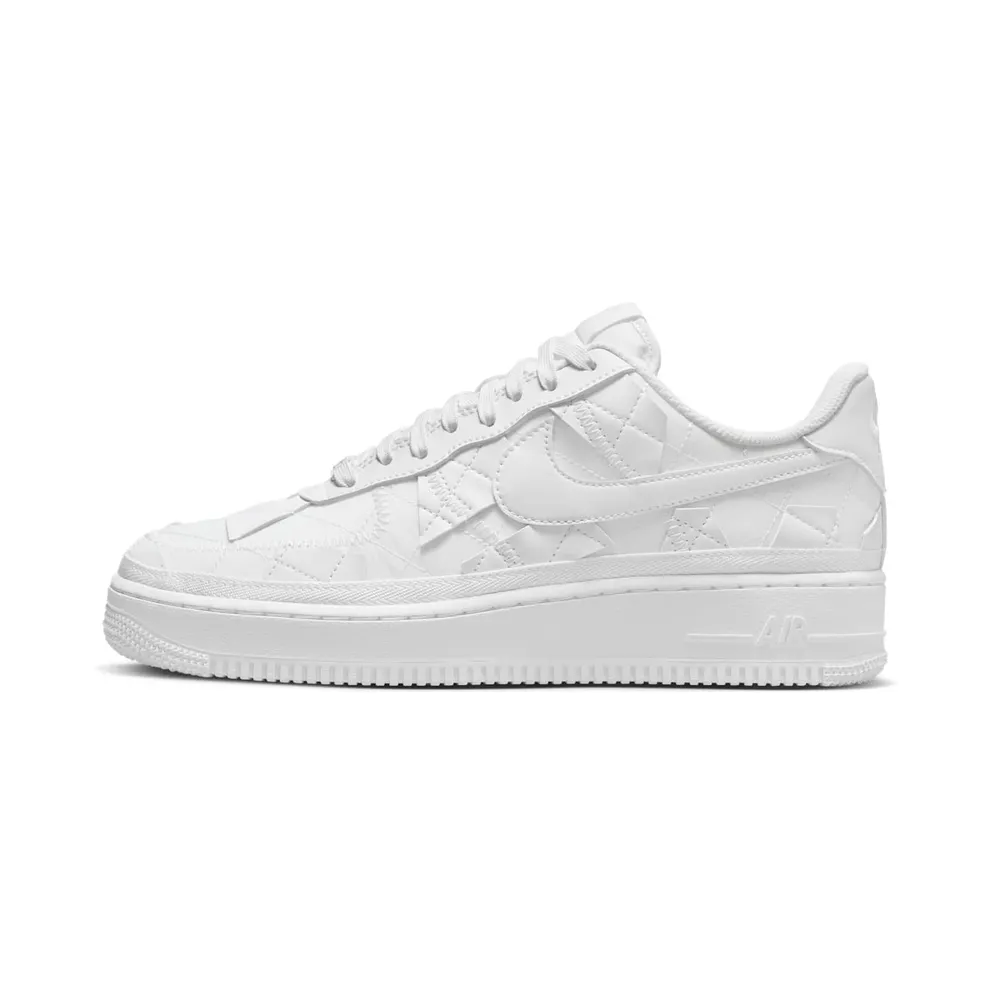
 - 2Nike Air Force 1 Low “Billie Ellish – Triple White” (DZ3674-100)ATOMICNike Air Force 1 Low · from €99 · 10 shops83GSv
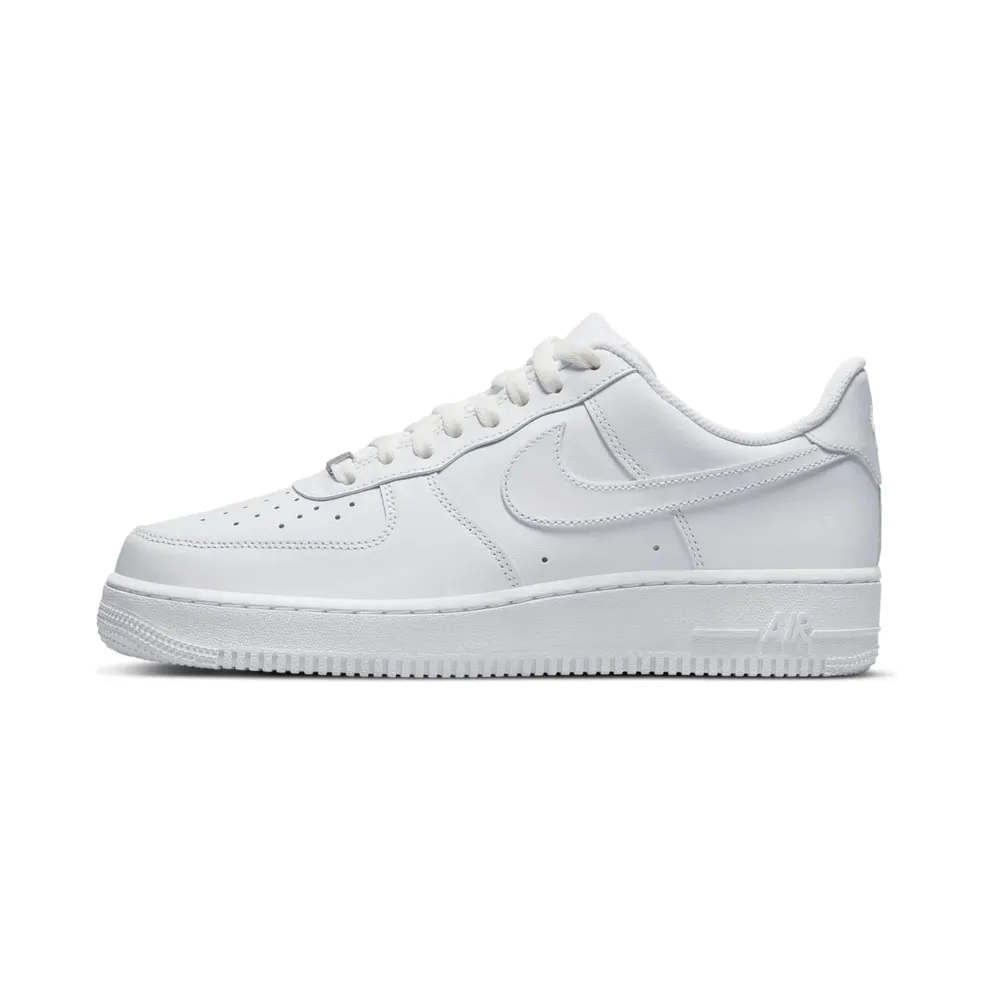
- 3Nike Air Force 1′ 07 White (CW2288-111)ATOMICNike Air Force 1 '07 · from €89 · 30 shops82GSv
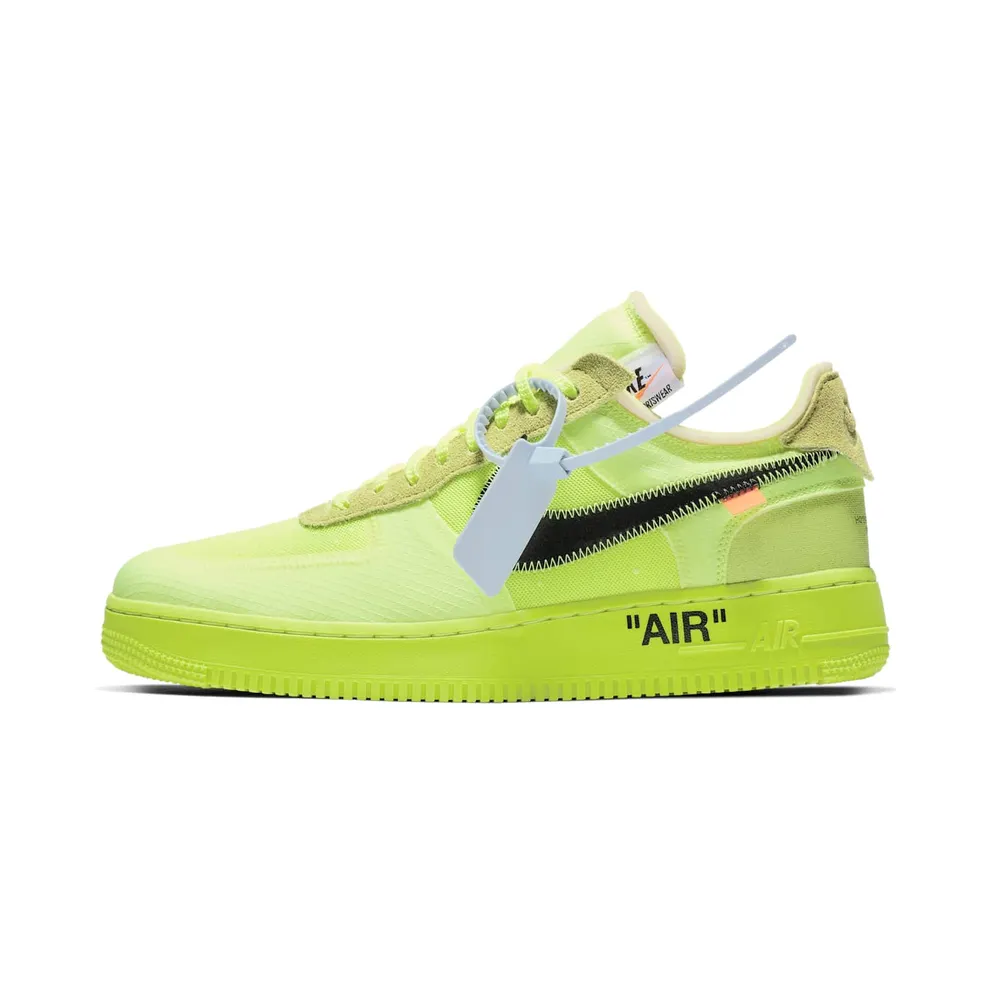
- 4Nike x Off White Air Force 1 Low Volt (2018) (AO4606-700)ATOMICNike Air Force 1 Low · from €569 · 7 shops82GSv
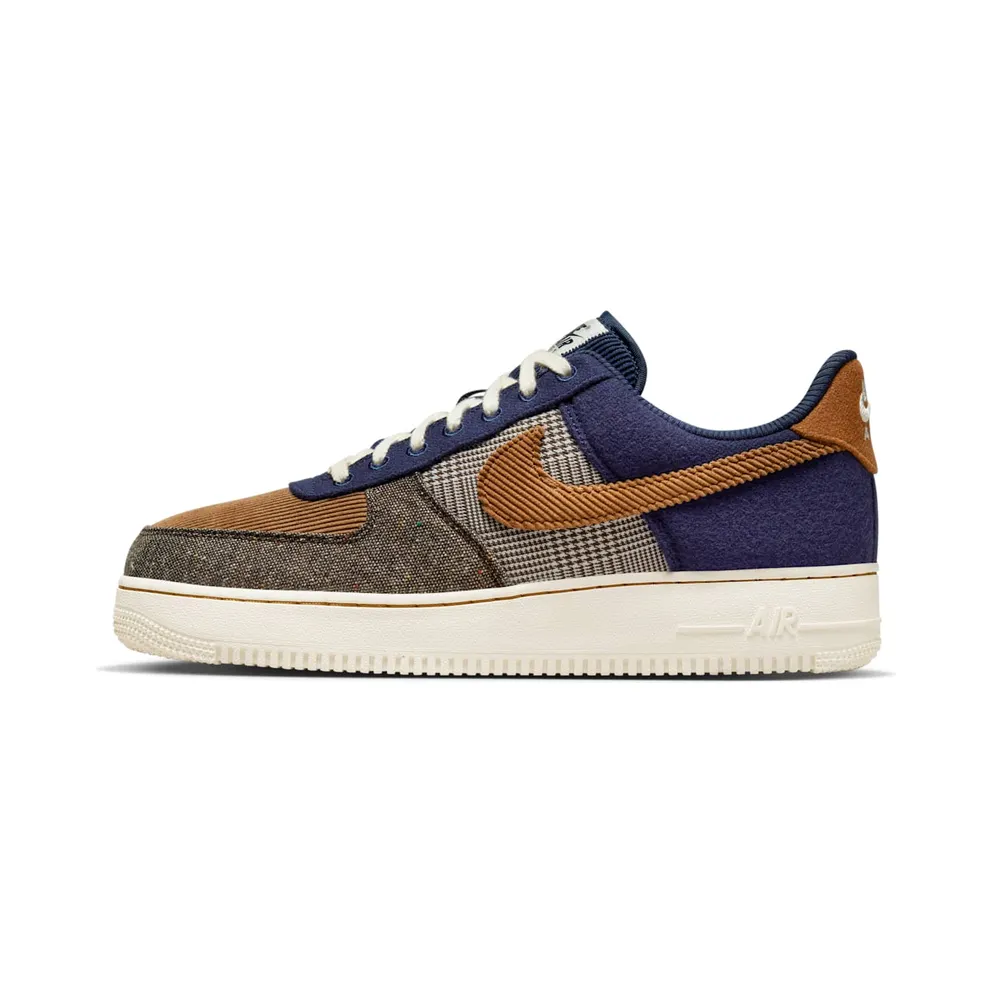
- 5Nike Air Force 1 ’07 Premium Midnight Navy/Pale Ivory/Baroque Brown/Ale Brown (FQ8744-410)ATOMICNike Air Force 1 '07 · from €134 · 7 shops82GSv
Just in, rising
- 1Nike Air Force 1 Green Apple / Green Apple / Chlorophyll (IV6822-399)CHARGINGNike Air Force 1 · from €104 · 17 shops36GSv
- 2Nike Air Force 1 Low ’07 SE Silt Red Pink Foam Gold Mini SwooshCHARGINGNike Air Force 1 Low · from €85 · 7 shops35GSv
- 3Nike Air Force 1 Sail / Phantom / BlackCHARGINGNike Air Force 1 · from €102 · 7 shops39GSv
- 4Nike Air Force 1 Phantom / White / PhantomCHARGINGNike Air Force 1 · from €90 · 6 shops48GSv
- 5Nike Air Force 1 Low ’07 LV8 Dusty Olive CeladonCHARGINGNike Air Force 1 Low · from €78 · 7 shops36GSv